Welcome to Gulf News, your premier destination for comprehensive coverage and insights into the dynamic landscape of the Gulf region and beyond. As a trusted source of news and information, we pride ourselves on delivering timely updates, in-depth analysis, and compelling stories that resonate with our diverse audience.
From breaking news to in-depth features, business trends to cultural happenings, sports highlights to technological advancements, Gulf News covers it all with accuracy, integrit
BYD’s luxury brand Yangwang is preparing to introduce the Altior, a new flagship sedan expected to make its public debut in Dubai on November 5. Previously known by the codename HU, it will be called Dingyao in China. Teaser images show a formal, upright design with rear-hinged rear doors and a roof-mounted LiDAR sensor.
The Altior is likely to draw on Yangwang’s existing focus on advanced electric and hybrid technology, though BYD has not confirmed its powertrain or specifications. Globally, it is expected to compete with chauffeur-focused luxury sedans such as the Rolls-Royce Ghost and Mercedes-Maybach S-Class, as well as China’s Maextro S800.
from carandbike - News https://ift.tt/PVybzeR
via IFTTT
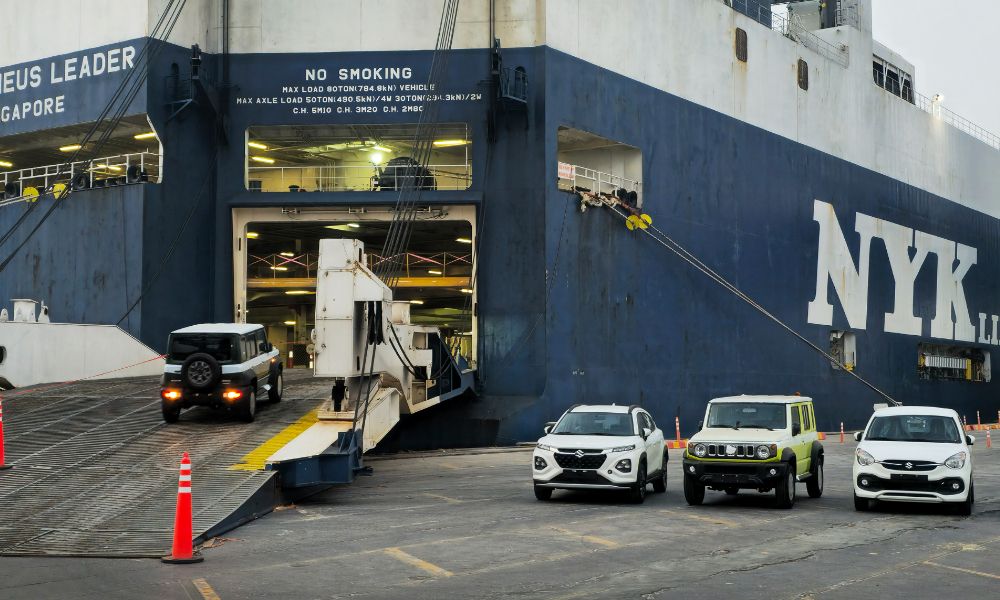
Maruti Suzuki India has announced that it has crossed 50,000 units in electric vehicle exports. The milestone reflects shipments since the company began exporting EVs globally in August 2025. The company accounted for nearly 93 per cent of India’s electric passenger vehicle exports during April-September 2026.
The Maruti Suzuki e-Vitara has contributed to this growth. The company exports the electric SUV to nearly 50 countries, with the UK, Norway, Germany, Japan and Switzerland among its key markets. The vehicles are manufactured at the company’s Hansalpur facility in Gujarat.
The facility recently expanded its annual production capacity to one million vehicles, becoming the first Suzuki manufacturing plant globally to achieve this capacity at a single location. Maruti Suzuki has invested Rs 25,288.7 crore in the Hansalpur facility.
The company currently exports 16 models to nearly 120 countries. This latest EV export milestone adds to its overseas operations as it expands the global reach of its electric vehicle. Its export markets also include countries across Africa, Latin America and the Middle East, along with Japan.
According to SIAM data for September 2026, Maruti Suzuki retained its position as India’s leading passenger vehicle exporter for the fifth consecutive year. During the April-June quarter, the company also contributed around 55 per cent of India’s overall passenger vehicle growth. Other models exported by Maruti Suzuki include the Fronx, Jimny, Swift, Baleno, Dzire and Victoris.
from carandbike - News https://ift.tt/VJLzU4s
via IFTTT
Maruti Suzuki India has announced that it has crossed 50,000 units in electric vehicle exports. The milestone reflects shipments since the company began exporting EVs globally in August 2025. The company accounted for nearly 93 per cent of India’s electric passenger vehicle exports during April-September 2026.
The Maruti Suzuki e-Vitara has contributed to this growth. The company exports the electric SUV to nearly 50 countries, with the UK, Norway, Germany, Japan and Switzerland among its key markets. The vehicles are manufactured at the company’s Hansalpur facility in Gujarat.
The facility recently expanded its annual production capacity to one million vehicles, becoming the first Suzuki manufacturing plant globally to achieve this capacity at a single location. Maruti Suzuki has invested Rs 25,288.7 crore in the Hansalpur facility.
The company currently exports 16 models to nearly 120 countries. This latest EV export milestone adds to its overseas operations as it expands the global reach of its electric vehicle. Its export markets also include countries across Africa, Latin America and the Middle East, along with Japan.
According to SIAM data for September 2026, Maruti Suzuki retained its position as India’s leading passenger vehicle exporter for the fifth consecutive year. During the April-June quarter, the company also contributed around 55 per cent of India’s overall passenger vehicle growth. Other models exported by Maruti Suzuki include the Fronx, Jimny, Swift, Baleno, Dzire and Victoris.
from carandbike - News https://ift.tt/crN7xh5
via IFTTT
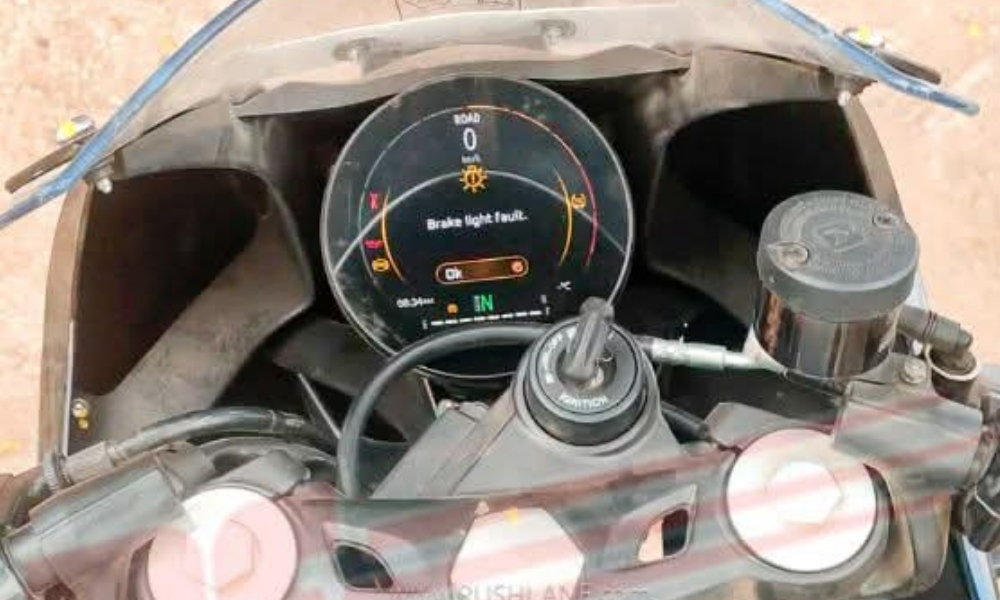
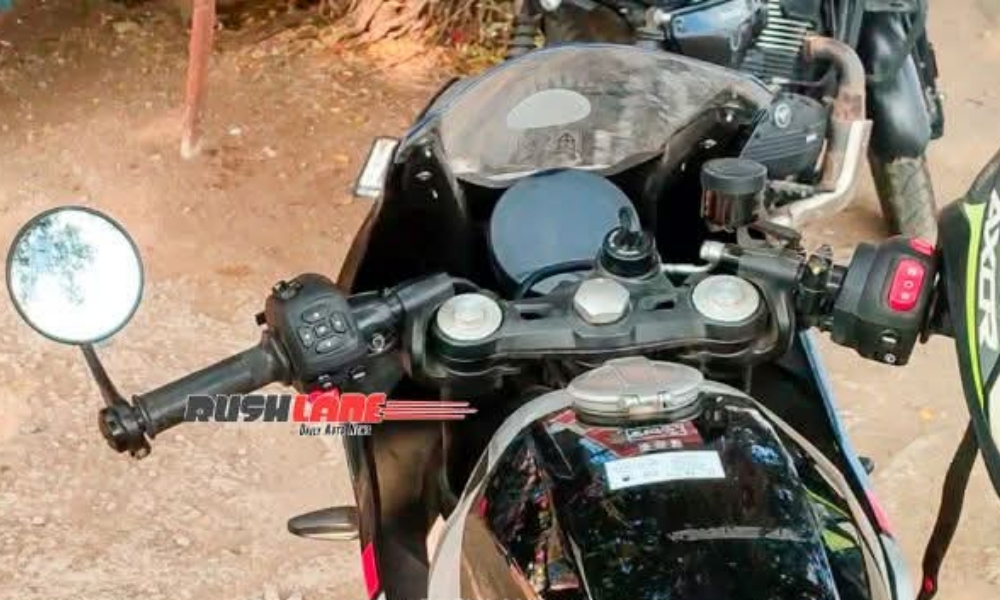
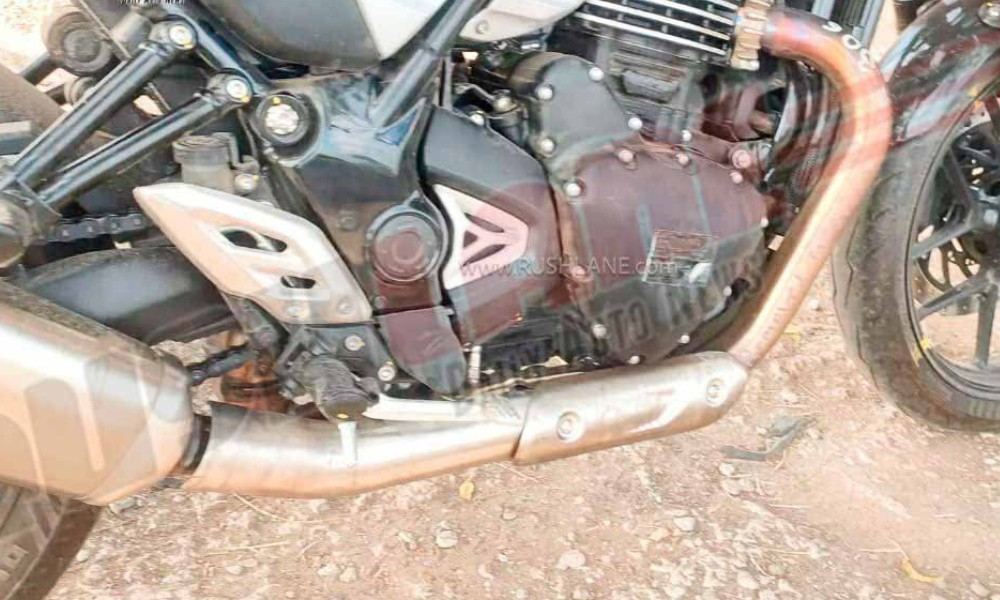
It only makes sense for Triumph to roll out the Bonneville T40’s new TFT display to other motorcycles in its TR-series range, and the Thruxton 400 looks set to be next in line. A test unit of the Thruxton 400 has been spotted with the circular screen, along with revised switchgear.
The 4-inch circular TFT made its debut on the Bonneville T40 and packs in quite a bit more functionality than the semi-digital cluster on the current Thruxton 400. It gets smartphone connectivity and full-map navigation, along with phone calls, music controls, route planning and customisable widgets.
The switchgear has been updated to go with the new display. On the left, the Thruxton gets a four-way pad to browse the menus, with cruise control toggles positioned above it. The right-side unit integrates the engine kill switch, while the hazard light switch has been repositioned to the top of the cube. There is also a dedicated Mode button.
The TFT display may not be the only addition as the updated Thruxton 400 could also get some of the electronic rider aids introduced on the Bonneville T40. These include lean-sensitive cornering ABS, cornering traction control, an emergency acceleration warning (panic brake alert) and self-cancelling turn indicators.
No changes are expected on the powertrain front. The Thruxton 400 will continue with the 349cc engine, which produces 39.4 bhp and 32 Nm of torque. It will continue to get a six-speed gearbox, while existing features such as switchable traction control, ABS, a torque-assist clutch and a USB-C charging port are expected to carry over.
The current Triumph Thruxton 400 is priced at Rs 2.76 lakh, ex-showroom. The TFT-equipped version is likely to command a premium and is expected to launch soon.
Spy image source - Rushlane
from carandbike - News https://ift.tt/1qUDaG6
via IFTTT
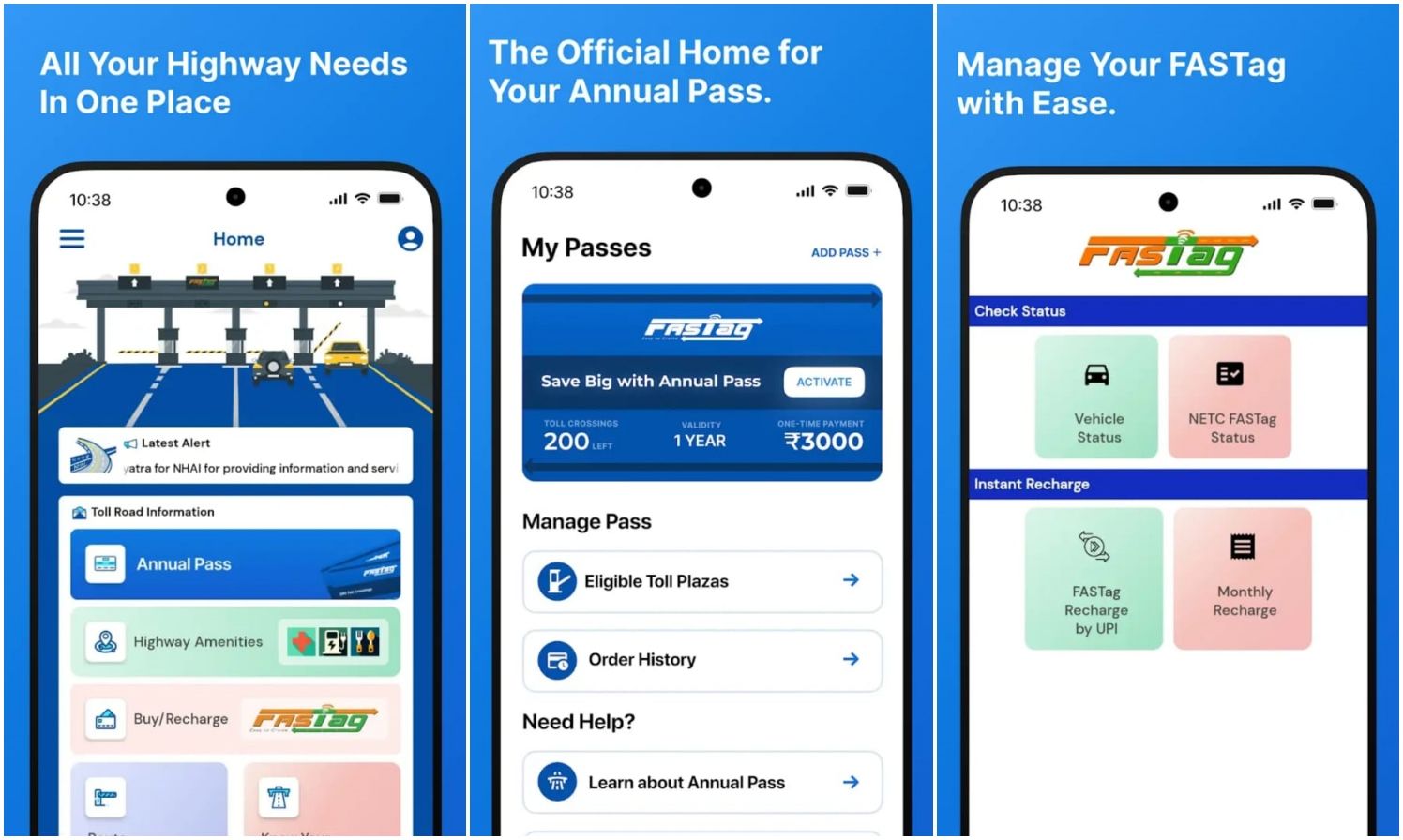
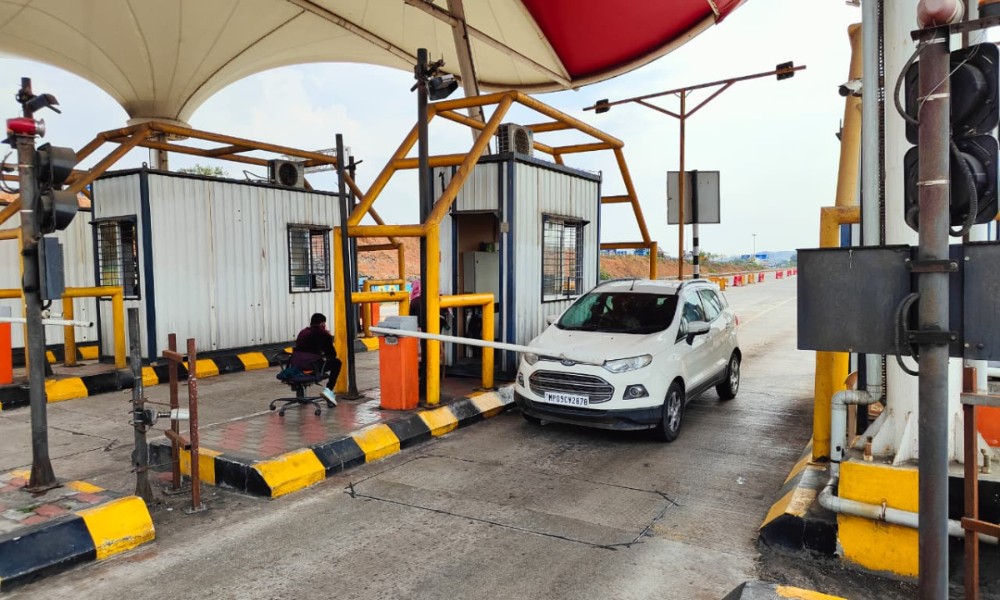
The right FASTag option depends on how often you use toll roads and where you usually drive. Someone who travels between cities every weekend may recover the cost of an Annual Pass fairly quickly. A person who crosses the same toll plaza on the way to work may benefit more from a local pass, provided they meet the eligibility conditions. And if you only take a highway trip every few months, paying toll charges through a regular FASTag balance may be enough.
From November 1, 2026, eligible private vehicle owners living within 20 km of a toll plaza will have another option: a concessional local pass. This adds to the existing ₹3,075 FASTag Annual Pass for eligible highway crossings. However, the two passes are meant for different travel needs. The Annual Pass is suited to people who use eligible National Highways and National Expressways regularly, while the local pass is tied to a specific toll plaza. Neither automatically replaces regular FASTag payments on every road.
FASTag Annual Pass vs Local Pass vs Regular Recharge
Before looking at the numbers, it helps to understand what each option covers. The price alone does not tell you which one will save the most money. Your usual route, the toll charges you pay and your eligibility all matter.
Feature
Regular FASTag Recharge
FASTag Annual Pass
Local FASTag Pass
Cost
Depends on the tolls you cross
₹3,075
₹1,500 or ₹3,000
Best suited for
Occasional highway users
Frequent users of eligible NHs and National Expressways
Eligible residents living near a specific toll plaza
Coverage
Toll charges are deducted as you travel
Up to 200 eligible crossings or 12 months, whichever comes first
The specific toll plaza for which the pass is issued
Eligibility
A valid FASTag with sufficient balance
Eligible non-commercial cars, jeeps and vans
Eligible private vehicle owners living within 20 km of a toll plaza
Main limitation
Frequent trips can add up in cost
Does not cover every toll road or every type of toll system
Not available in certain situations, including where a service road or alternative road is available
The local pass costs ₹1,500 when the toll plaza is outside the municipal or local town area and ₹3,000 when it is inside. It is not a universal pass for every toll plaza near your home. You need to check the conditions for the specific plaza you want to use.
1. FASTag Annual Pass at ₹3,075: When Does It Make Sense?
The FASTag Annual Pass is worth considering if you regularly travel on eligible National Highways and National Expressways. Instead of having the toll charge deducted from your FASTag balance for every eligible crossing, you pay a fixed fee for the pass.
For the financial year 2026–27, the pass costs ₹3,075 and covers up to 200 eligible crossings or 12 months, whichever comes first. It is available for eligible non-commercial cars, jeeps and vans. The coverage is limited to eligible toll plazas, so you should not assume that it will cover every toll you encounter during a trip.
The biggest advantage is predictable spending. If you drive between cities frequently, the cost of individual toll payments can add up over the year. A fixed-fee pass can make those journeys cheaper once you cross enough eligible toll plazas.
How Many Toll Crossings Do You Need to Break Even?
The table below shows how many crossings it would take for the total cost of individual toll payments to reach ₹3,075. It assumes the toll charge shown applies to each eligible crossing.
Toll charge per crossing
Crossings to break even
Total toll cost at that point
₹30
103
₹3,090
₹50
62
₹3,100
₹75
41
₹3,075
₹100
31
₹3,100
₹125
25
₹3,125
₹150
21
₹3,150
₹200
16
₹3,200
For example, if you usually pay ₹100 per eligible crossing, you would spend ₹3,000 after 30 crossings. At 31 crossings, the total would reach ₹3,100, making the ₹3,075 pass slightly cheaper.
At ₹50 per crossing, you would need 62 crossings to reach the break-even point. If you only make 20 such crossings in a year, your toll payments would total ₹1,000, so the Annual Pass would cost considerably more.
These figures are only a guide. Your actual savings depend on the toll charges on your routes and whether those crossings qualify under the pass. The 200-crossing limit also matters: if you use all 200 crossings before the 12-month period ends, the pass does not provide unlimited travel for the rest of the year.
What Counts as a Crossing?
How a crossing is counted depends on the toll system. At a point-based toll plaza, each eligible passage through the plaza counts as one crossing. On a closed toll system, where you enter at one point and exit at another, an eligible journey counts as one crossing.
This matters if you regularly use highways with entry and exit toll points. Check the rules that apply to your route before calculating your expected savings. A simple estimate based only on the number of times you travel out of town may not give you the right answer.
2. Local FASTag Pass: Is It Worth It for Your Daily Commute?
If you cross the same toll plaza on your way to work or during regular trips to a nearby town, toll charges can add up over the year. The new local FASTag pass, available from November 1, 2026, could help cut that cost if you meet the eligibility rules.
The annual fee is ₹1,500 for toll plazas outside a municipal or local town area and ₹3,000 for those inside. Unlike the ₹3,075 Annual Pass, the local pass works only at the specific toll plaza for which it is issued.
When Can You Save Money?
It comes down to how often you cross that plaza. At ₹50 per crossing, you would spend ₹1,500 after 30 crossings. If the toll is ₹100, you would reach the same amount in 15 crossings.
For the ₹3,000 pass, the equivalent is 60 crossings at ₹50 each or 30 at ₹100. These figures give you a rough idea of the cost, but check which journeys the pass actually covers before comparing it with your current toll spend.
Check These Rules Before Applying
Living within 20 km of a toll plaza does not guarantee that you can get the pass. You must meet the eligibility conditions, and the pass is valid only at the designated plaza.
There are other limits, too. The local pass is not available for tolls collected through a closed user fee collection system on National Highways or Expressways. You also cannot get one where a service road or alternative road is available.
If your daily route includes more than one toll plaza, factor in those extra charges as well. The local pass may reduce what you pay at one plaza, but you will still need to pay separately for tolls it does not cover.
3. Regular FASTag Recharge: Still Useful for Occasional Trips
A regular FASTag recharge does not come with a fixed annual fee. You add money to your FASTag account, and the applicable toll charges are deducted as you pass through toll plazas.
This is often the most straightforward option for drivers who do not travel on highways frequently. If you take only a handful of trips in a year, paying for an Annual Pass upfront may not make financial sense. The same applies if you do not meet the eligibility conditions for a local pass.
Regular recharge also gives you flexibility. You pay for the tolls you actually use instead of committing to a fixed amount in advance. The trade-off is that your total spending can rise if you start making more trips or regularly cross expensive toll plazas.
For example, if your annual toll spending is ₹1,200, a ₹3,075 Annual Pass would cost more than your current pattern of travel. If your toll spending is closer to ₹5,000 on eligible routes, the Annual Pass may be worth comparing against those payments. The important figure is not how often you drive in general, but how much you spend on tolls that qualify for the pass.
Which Option Works Best for Your Travel?
The following examples can help you narrow down your choice. They are illustrative scenarios, not a substitute for checking the eligibility rules and toll charges on your routes.
If You Drive Between Cities Every Weekend
The ₹3,075 Annual Pass may be worth considering if you regularly cross eligible National Highway or National Expressway toll plazas. Add up the toll charges for your usual return trips and estimate how many eligible crossings you make in a year. If your total would be comfortably higher than ₹3,075, the pass could reduce your spending.
However, make sure the toll plazas on your usual route are covered. A pass that saves money on one highway may not help much if most of your toll spending happens on roads outside its coverage.
If You Cross the Same Toll Plaza on Your Daily Commute
The local pass may be the first option to check if you live within 20 km of that plaza and meet the eligibility conditions. Compare its annual fee with what you currently spend crossing that toll plaza.
Do not calculate your savings using all your highway toll payments. The local pass is specific to one plaza, so tolls at other plazas will need to be considered separately.
If You Take Only a Few Highway Trips a Year
Regular FASTag recharge may be the better choice. Add up your expected toll expenses over the year and compare that amount with the ₹3,075 Annual Pass. If your spending is lower, there may be little reason to pay the fixed fee in advance.
You can still check whether a local pass applies to a toll plaza you use regularly, but there is no need to buy a pass simply because it is available.
If You Use Both Local Roads and National Highways
You may need to compare the options separately rather than expect one pass to cover everything. A local pass could help with regular crossings at one eligible plaza, while the Annual Pass may be more useful for frequent eligible highway journeys. Regular FASTag payments may still apply to tolls that neither pass covers.
The right choice depends on the routes you use, the tolls charged and the conditions attached to each pass.
Things to Check Before Applying
The first step is to check which pass fits your travel needs. The ₹3,075 Annual Pass covers eligible highway crossings, while the local pass is valid only at the toll plaza it is issued for.
Before applying, check these details:
Check your usual route. Note the toll plazas you cross regularly and whether they fall under the Annual Pass or local pass.
Make sure you qualify. The Annual Pass is for eligible non-commercial cars, jeeps and vans. For a local pass, check the 20 km distance requirement and the rules for your toll plaza.
Work out the cost. Look at your recent FASTag deductions and compare your yearly toll spend with the pass fee.
Check the restrictions. The local pass is not available at plazas where a service road or alternative road is available, or for tolls collected through certain closed toll systems.
Check the applicable terms before paying, including the fee, validity and crossing limit. If you are unsure whether your regular toll plaza accepts the local pass, confirm that first rather than paying for a pass you may not be able to use. After that, you can visit the Rajmargyatra Official Portal or designated toll plaza to apply.
Choose the Right FASTag Option for Your Needs
There is no single FASTag option that works best for every driver. The ₹3,075 Annual Pass is worth considering if you frequently use eligible National Highways and National Expressways and your toll spending is high enough to recover the fee. The local pass may make more sense for eligible residents who regularly cross one specific toll plaza. For occasional journeys, regular FASTag recharge can remain the cheaper and simpler choice.
Before buying a pass, look at your actual travel pattern rather than choosing based on the headline price. Check how much you spend on tolls, which plazas you use and whether your journeys qualify. A few minutes spent comparing those details can help you avoid paying for a pass that does not suit your routes.
from carandbike - News https://www.carandbike.com/news/rs-3075-fastag-annual-pass-vs-local-pass-vs-regular-recharge-which-one-is-for-you-3222516
via IFTTT
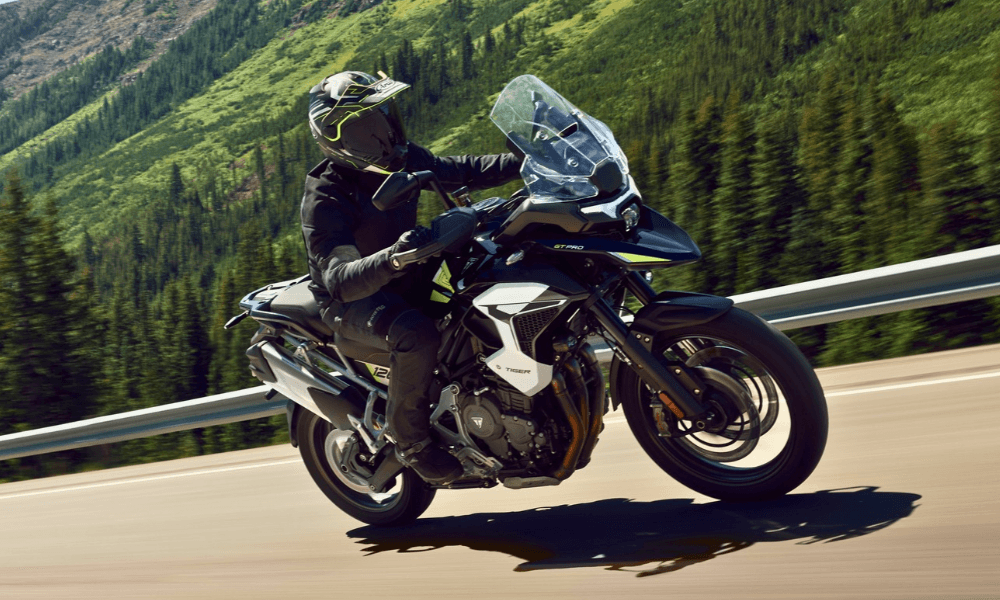
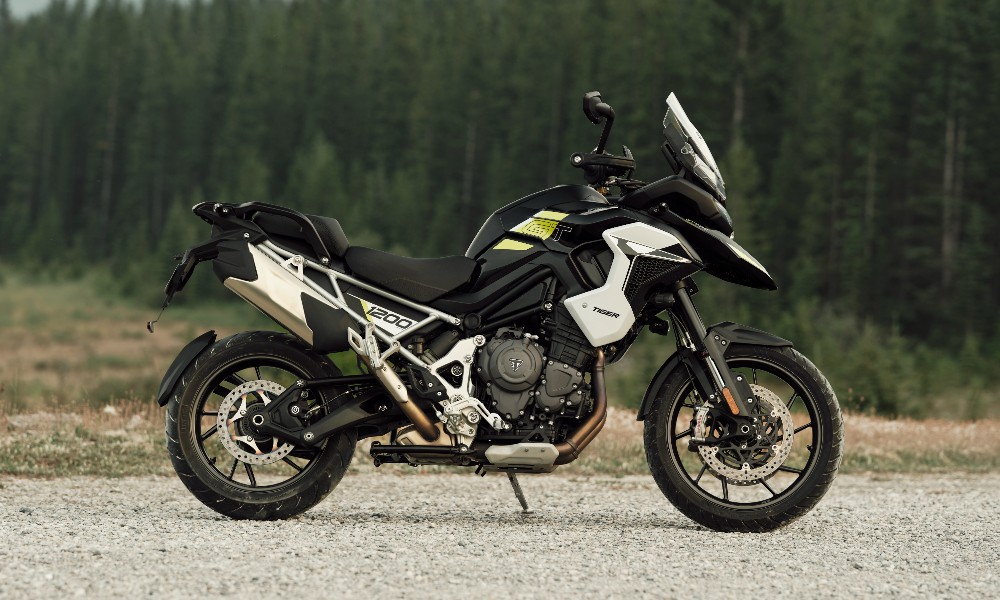
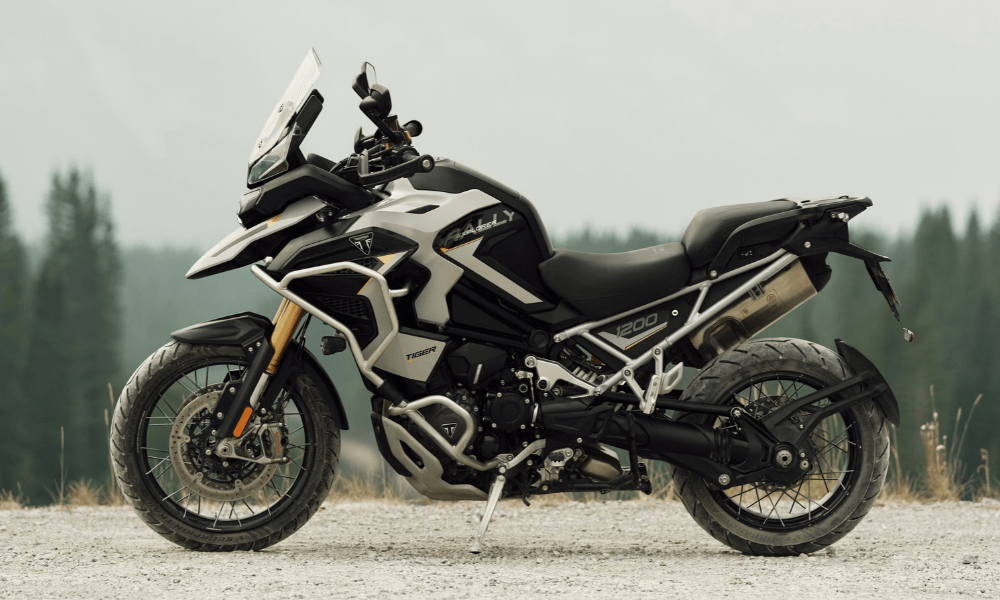
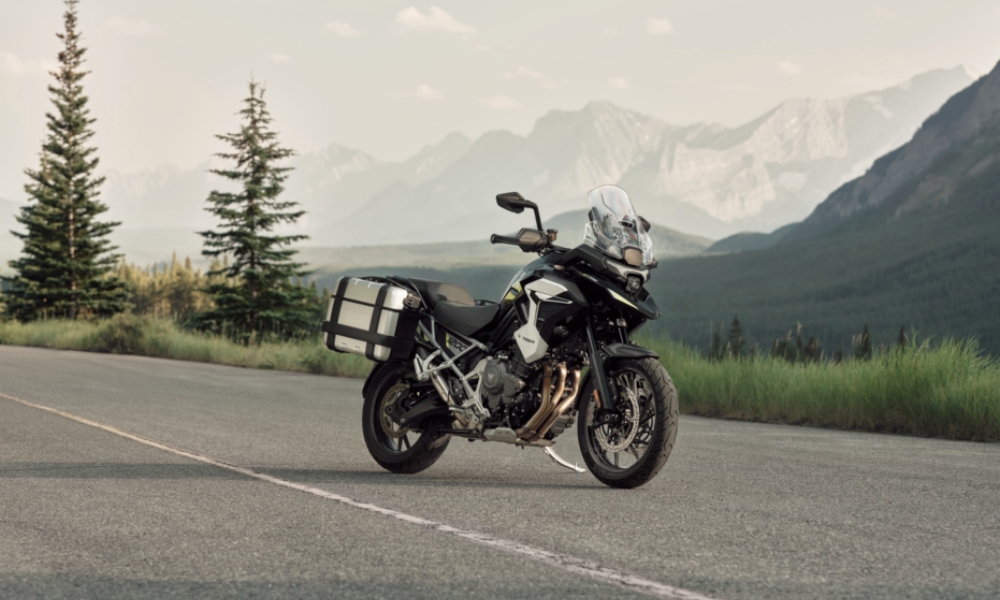
Triumph has revealed the prices for extensively updated Tiger 1200 in India, with the flagship adventure bike getting more power, revised suspension, a lower seat height and a major tech upgrade. The updated motorcyle is offered in GT Pro and Rally Explorer variants in India, priced at Rs 20.99 lakh and Rs 23.49 lakh, respectively (ex-showroom).
New Triumph Tiger 1200: Engine
Starting with the motor. The 1,160cc, three-cylinder engine now produces 155.8 bhp at 9,250rpm, up by 7.8 bhp, while peak torque stands at 130 Nm at 6,750rpm. Triumph has revised the cylinder head, pistons, valves and fuel injection, along with the exhaust system, to improve combustion and gas flow.
The first three gear ratios have also been revised to make better use of the engine’s low-speed torque. Changes to the crankshaft, balancer shaft, gearbox and shaft drive are intended to reduce vibration and make gearshifts and transitions on and off the throttle smoother. The six-speed gearbox continues to get Triumph Shift Assist for clutchless upshifts and downshifts.
New Triumph Tiger 1200: Suspension
The new Tiger 1200 gets Showa semi-active suspension, which automatically lowers the seat by 30 mm as the bike comes to a stop. A two-position seat adjustment and an optional low seat can bring the seat height down to 790mm at a standstill. The system raises the bike back to its riding height as it moves off.
The suspension offers Firm, Medium and Soft damping settings, while a new Centre Stand Assist function temporarily increases preload to make the bike easier to lift onto its stand.
Both variants now roll on 19-inch front and 17-inch rear wheel, with 200mm of suspension travel at both ends. The GT Pro gets cast-alloy wheels, while the Rally Explorer gets spoked wheels.
New Triumph Tiger 1200: Features and Styling
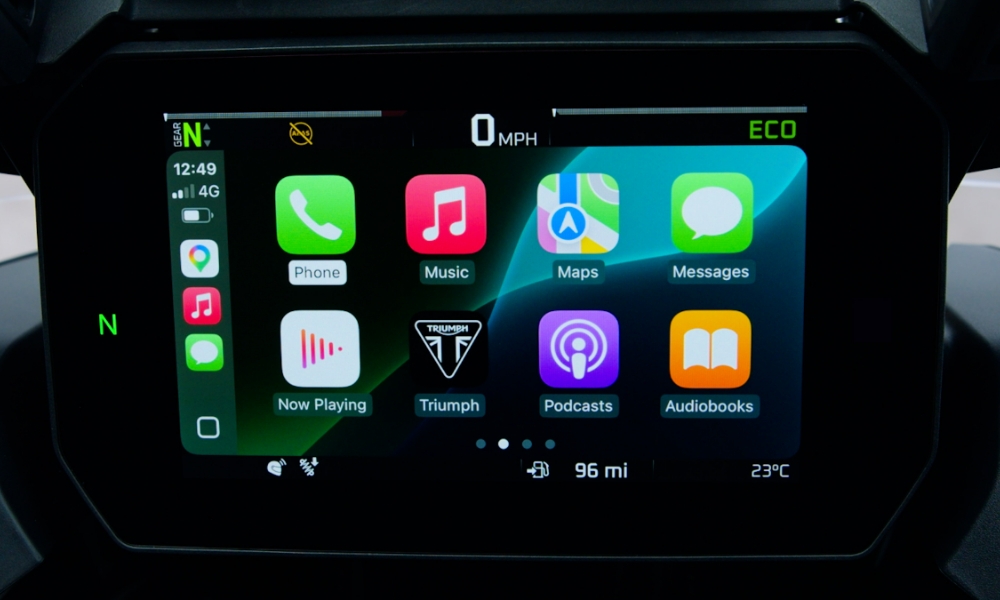
The Tiger 1200 gets a new 7-inch touchscreen with Apple CarPlay and Android Auto, along with a cooled phone compartment and USB-C charging. Its new front and rear Bosch radar systems enable a wider range of rider assistance features, including adaptive cruise control, forward collision warning, emergency brake assist, blind-spot assist and rear distance warning.
The styling has been revised with a new fuel tank, radiator cowls, beak and windscreen. The new LED projector headlight includes adaptive cornering lights that illuminate further into a bend as the bike leans. The GT Pro will be offered in Sapphire Black and Aluminium Silver/Pacific Blue, while the Rally Explorer comes in Ash Grey/Sapphire Black and Matt Khaki Green.
New Triumph Tiger 1200: Variant-specific details
The GT Pro gets a 20-litre fuel tank, while the Rally Explorer has a larger 30-litre tank. The Explorer also gets a tyre pressure monitoring system, additional engine protection and wider, higher-set handlebars. The Rally version adds an Off-road Pro riding mode.
The GT Pro trim tips the scale at 250 kg while the Rally Explorer weighs 268kg. Both variants get redesigned seats with thicker foam, heated rider and pillion seats, and three-stage heated grips as standard.
from carandbike - News https://ift.tt/bl0xGEZ
via IFTTT
One of the world’s most prestigious international automotive awards - the World Car Awards - will announce its top three finalists for the new year at the London International Motor Show, held at ExCeL London, on February 26, 2027. The event will narrow down the final three contenders for World Car of the Year, World Urban Car, World Luxury Car, World Performance Car, and World Car Design of the Year. Currently 55 new launches are in the fray for the overall honours. The winner of the 2027 World Car Person of the Year will also be announced on the same day.
“Reaching the top three in the world is a huge moment for car makers and our jurors,” says Steve Fowler, chairperson of the World Car Awards’ Steering Committee. “We're delighted to bring that excitement to London before heading to the New York International Auto Show for the final results.”
Now in its 23rd edition, the awards program features a panel of over a 100 automotive journalists from spanning 33 countries around the world. This includes seven jurors from India. Following the London announcements, the global winners will then be crowned a month later, on March 24, at the New York International Auto Show.
As per World Car Awards norms, vehicles eligible for World Car of the Year must be produced in annual volumes of at least 10,000 units, must be priced below the luxury-car level in their primary markets, and must be “on-sale” in at least two major markets (China, Europe, India, Japan, Korea, Latin America, USA), on at least two separate continents within the period January 1, 2026 and March 19, 2027.
This year’s shortlist of cars include BMW i3, BYD Ti7, Hyundai Bayon, IONIQ 3, Kia Seltos, Syros EV, Telluride, Lexus ES, Mercedes-Benz GLC Electric, GLA, MG4 EV Urban, Nissan Frontier Pro, NX8, Renault Filante, Suzuki Across, Volkwagen Atlas and Volvo EX60.
Last year, BMW had won the top honour at these awards with the iX3 being named World Car of the Year. Media analytics firm AITASTIC has named World Car Awards as the world's most visible automotive awards program for the 14th straight year. Last time, it reached a record 493 million people.
from carandbike - News https://ift.tt/DTuzCJY
via IFTTT
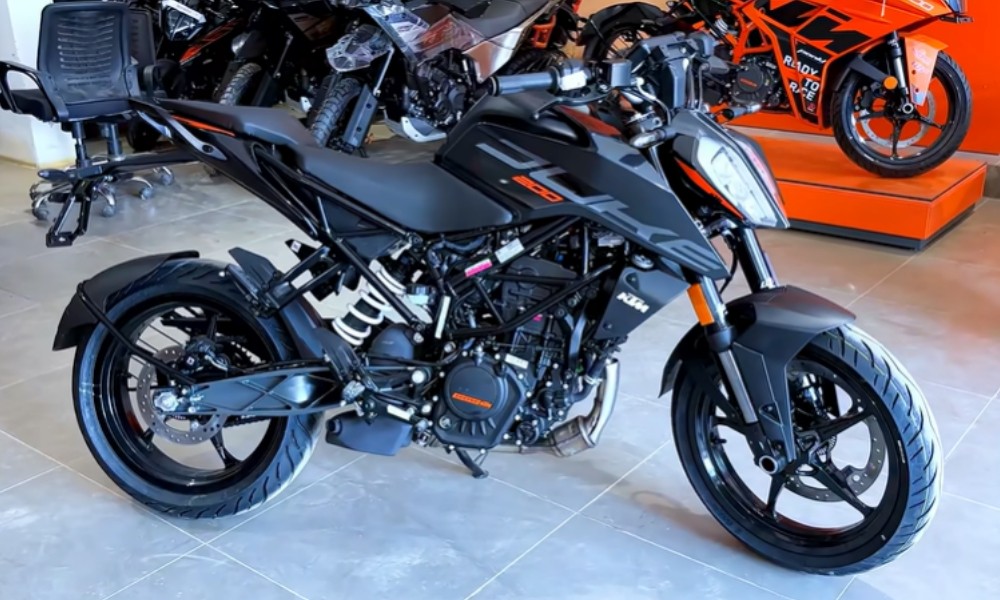
KTM has teased the updated 200 Duke, shortly after the motorcycle was spotted at a dealership. This will be the second update for the bike in 2026, following the changes introduced in February, which included hardware revisions and a new livery. This time around, the 200 Duke is expected to get feature upgrades, as hinted at by the recent spy images.
Updated KTM 200 Duke: Expected feature additions
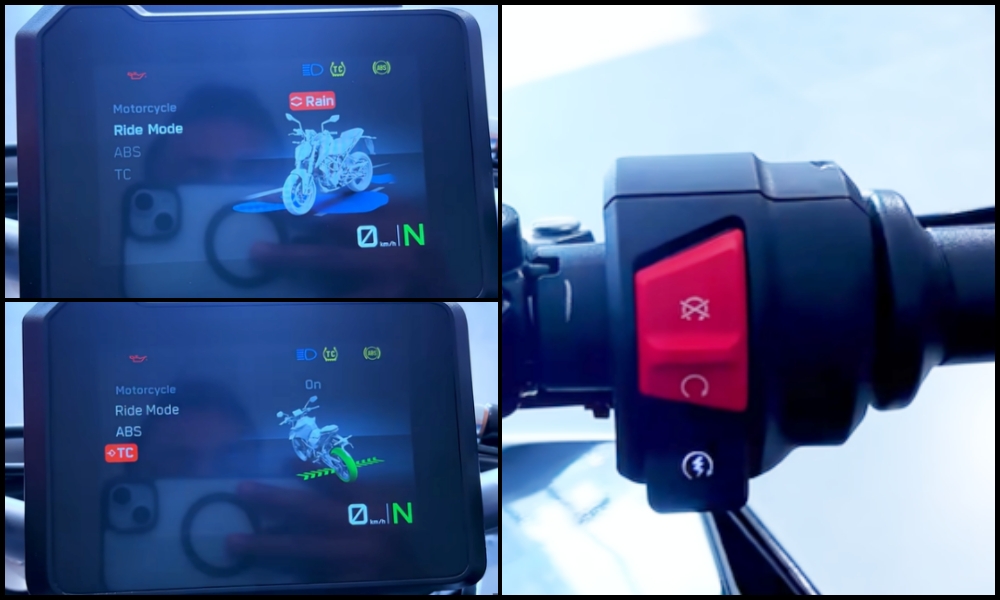
The updated 200 Duke is expected to get a bi-directional quickshifter, similar to the one offered on the 250 Duke and 390 Duke. Moreover, it will also get a ride-by-wire throttle, which will bring ride modes (Road and Rain) along with traction control to the motorcycle.
The spy images also show revised switchgear. While the left-side unit appears unchanged, the right-side switchgear gets a new design similar to the one on the 390 Duke.
The KTM 200 Duke is expected to retain its 199cc, liquid-cooled, single-cylinder engine, which produces 24.67 bhp and 19.3 Nm of torque. It will continue to be paired with a six-speed gearbox.
The cycle parts are also expected to remain unchanged, including the WP upside-down front fork, WP rear monoshock, 300mm front disc and 230mm rear disc. The bike’s 135mm ground clearance, 822mm seat height and 159kg kerb weight are likely to carry over.
The KTM 200 Duke is currently priced at Rs 2.05 lakh, ex-showroom. The expected feature additions could bring a price hike with this update.
Spy shot source - CK Biker (YouTube)
from carandbike - News https://ift.tt/rGAwdYU
via IFTTT
Eligible traffic challans can be considered for settlement at the National Lok Adalat. The process allows motorists and the relevant authorities to resolve eligible disputes without going through a prolonged court process, provided the offence can legally be settled. However, attending the Lok Adalat does not automatically reduce or waive your fine.
The amount payable depends on the offence, the applicable rules and the settlement reached during the proceedings. Some challans may qualify for settlement, while others may be excluded or require a different legal process. Never assume that you will receive a discount simply because you attend the hearing.
Which Traffic Challans Are Eligible for National Lok Adalat?
National Lok Adalat can take up compoundable traffic challans, including eligible matters pending before the courts, but the relevant authorities determine which cases can be listed for a particular session.
Before proceeding, check the following:
Pending compoundable challans: These may qualify if they fall within the session's eligibility rules.
Challans pending in virtual courts: Some sessions accept eligible challans that have already moved to the virtual court system.
Old challans: The authorities may specify a cut-off date, meaning only challans issued or pending before that date can be considered.
Non-compoundable offences: These cannot be settled through Lok Adalat if the law does not permit a compromise.
Challans not listed for the session: You may need to follow the normal payment, grievance or court procedure instead.
Eligibility can change between sessions and states. Always check the latest notice issued by your State Legal Services Authority or traffic police department before trying to book a hearing.
How to Settle Pending Traffic E-Challans at National Lok Adalat
Follow these steps to prepare your challan for settlement.
Step 1: Check Your Pending Challans Online
Start by checking which challans are outstanding against your vehicle. Visit theofficial Parivahan e-Challan portal and enter the requested vehicle or challan details to view the available records.
Check the offence, issue date, amount and current status of each challan. This helps you identify which matters may be eligible and whether any challan has already moved to a court or virtual court.
Step 2: Check Whether Your Challan Is Eligible
Once you have identified the pending challans, visit your state's Legal Services Authority website or the relevant traffic police website. Look for the latest National Lok Adalat notice, which should explain the eligible categories, cut-off dates and any special instructions for traffic challans.
Do not assume that every challan visible on Parivahan will be accepted. Some sessions limit eligibility to selected offences or challans pending up to a specified date, so confirm the requirements before proceeding.
Step 3:
Check whether the authorities have opened an online facility to download the required slip if your challan qualifies. Make sure that you follow the portal's instructions to enter the details of your vehicle or challan, then complete any verification and select the eligible challans.
Download and save the generated slip, then check the court complex that has been assigned to you along with the court number and reporting time. If the portal is closed down or you notice that the download limit has been reached then follow the latest official instructions instead of relying on an unofficial agent.
Step 4: Prepare Your Documents
Keep the documents needed to identify your vehicle and verify the challan. The exact requirements can vary by state and session, so follow the checklist in the official notice.
It is sensible to carry:
Printed Lok Adalat challan slip or appointment confirmation
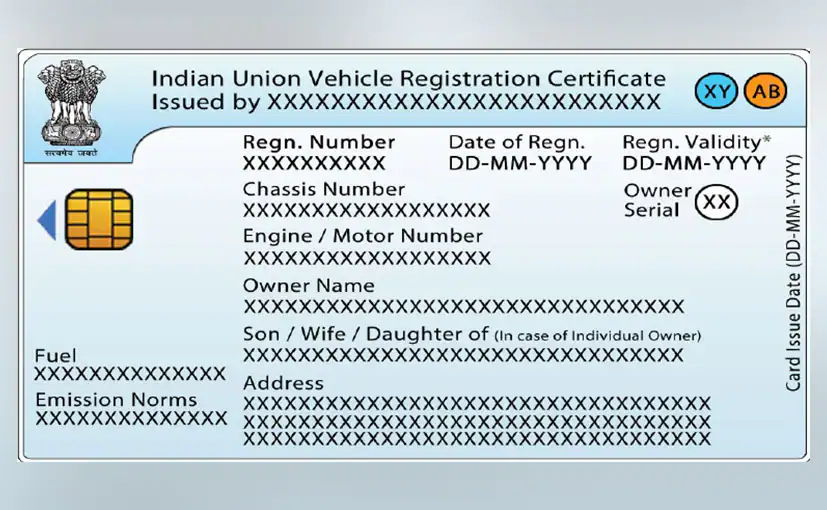
Vehicle Registration Certificate (RC)
Driving licence
Government-issued photo identification
Copies or details of the pending challans
Relevant supporting documents if you are disputing an error
Keep digital copies as a backup, but carry physical copies wherever the notice requires them. Check that the vehicle number and challan details match the records before leaving for the hearing.
Step 5: Attend the Designated Court
Reach the court complex that is mentioned on your slip. Staff will provide instructions on the slip. Do not assume you can attend any Lok Adalat venue, as your challan may already be assigned to a particular court or bench.
There will be a hearing at the court for your ticket. At this hearing, you explain your request by providing the documents that matter in your case. Any rules that are applicable will be applied to your case to discuss a settlement. This means that you should confirm the final payable amount before proceeding.
Step 6: Pay the Settled Amount and Keep Proof
When your challan gets settled, you will get further instructions from the court. Just make sure that after your challan gets settled, you keep proof of these proceedings by requesting an official receipt or a settlement record.
Now, if you have multiple challans against one vehicle, then it becomes even more important for you to keep this proof safe, because losing it could cause more difficulties and stretch the process longer. After you have kept your proof, confirm once again that your record has been updated online as well. If there is any case an event in which your paid challan continues to show as outstanding, then reach out to the relevant authority to clear this up.
What If You Cannot Download the Challan Slip?
A missing download option does not necessarily mean that your challan has disappeared or been cleared. The challan may not be eligible for that session, the download window may not be open, or the portal may have reached its permitted capacity.
First, check the latest notice on the relevant traffic police or State Legal Services Authority website. If your challan is not eligible, you can check whether it can be paid through the official Parivahan e-Challan portal or handled through Virtual Courts, depending on its current status.
Can You Settle a Traffic Challan Through Virtual Court Instead?
Yes, where the challan is available through the virtual court system, you may be able to pay it online or request to contest it. These are separate options, so read the case details carefully before selecting one.
If you choose to contest the challan, the portal can provide details of the court and hearing date assigned to the case. If you pay online, save the receipt and check that the payment has been recorded successfully. Do not assume that paying through Virtual Courts is the same as receiving a settlement through National Lok Adalat.
What If Your Traffic Challan Is Incorrect?
If you believe the challan was issued incorrectly, check the violation details and available evidence before paying it. You can use the relevant traffic police department's official grievance process or contest the matter through the appropriate court procedure. Delhi motorists, for example, can find guidance through the Delhi Traffic Police website.
If you choose to raise a dispute, keep any useful supporting material, such as photographs, payment records or documents showing that the vehicle details are incorrect. Explain the issue clearly and follow the instructions provided by the relevant authority.
National Lok Adalat Traffic Challan Checklist
What to check
Why it matters
Challan status
Confirms whether the challan remains outstanding
Eligibility notice
Establishes whether the offence can be considered
Cut-off date
Prevents you from relying on an outdated notice
Downloaded slip
Identifies the assigned venue and hearing details
Required documents
Helps avoid delays at the hearing
Final settlement amount
Confirms what you must pay
Official receipt
Provides proof that the payment or settlement was completed
When Is the Next National Lok Adalat?
National Lok Adalats are organised periodically across India, but individual states may issue their own notices or reschedule sessions. The published 2026 national schedule lists 12 December 2026 as the next scheduled National Lok Adalat date, although you should confirm the latest announcement for your state before making arrangements.
For Delhi motorists, the National Lok Adalat scheduled for 25 October 2026 has already passed. Check the Delhi State Legal Services Authority notifications and the Delhi Traffic Police website for the next applicable session and its eligibility rules.
Settle Your Traffic Challan Without Guesswork
National Lok Adalat offers a useful route for resolving eligible pending traffic challans, but the process starts with checking the rules for your particular session. Confirm eligibility, download the required slip, attend the assigned hearing and retain the official settlement receipt. Most importantly, treat a fine reduction as a possible outcome, not a guaranteed discount.
from carandbike - News https://ift.tt/cprLkE8
via IFTTT
In news that will bring unbridled joy to potential buyers who have been waiting for exactly this announcement, JLR (formerly Jaguar Land Rover) has begun local assembly of its hot-selling Defender 110 SUV, which has resulted in a substantial reduction in prices. Now built at the company's facility in Pune, Maharashtra, the Defender 110 range starts at Rs 99 lakh, and tops out at Rs 1.18 crore (all prices, ex-showroom). At these prices, the locally-built Defender 110 is up to Rs 34 lakh cheaper than the equivalent completely built-up (CBU) version. And while many may have expected features to be cut out in pursuit of a more aggressive price, JLR claims to have done the opposite and made a slew of previously optional features standard across variants.
Made-In-India Defender 110: What's different?
The locally-built Defender 110 is available in X-Dynamic HSE trim and with a total of three engine options: a 2.0-litre petrol, a 3.0-litre petrol and a 3.0-litre diesel.
At the entry level, the Defender 110 2.0L now gets a selection of previously optional equipment as standard. These include adaptive off-road cruise control, adaptive air suspension, ClearSight interior rear-view mirror, three-zone auto climate control, front centre console refrigerator and 14-way heated and ventilated memory front seats, among others. Previously, adding these features to the Defender 110 2.0L added Rs 6.5 lakh to the price. Now, factoring in the cost of the new features, this variant is roughly Rs 14.50 lakh cheaper than before.
As for the 3.0L petrol and diesel variants, they now come with an active electronic differential with torque vectoring, heated third-row seats, Meridian surround sound system, a head-up display and 20-inch diamond-turned alloys, in addition to everything added to the Defender 110 2.0L. These features, previously available as options, would add Rs 17 lakh to the price. Here, factoring in the cost of the newly added features, both 3.0L variants are up to Rs 34 lakh cheaper.
With this, India has become only the second country worldwide to be producing JLR's incredibly popular SUV. So far, the Defender was shipped into India as a CBU, as manufacturing was limited to JLR's facility in Nitra, Slovakia. However, other variants in the Defender family, such as the three-door Defender 90, full-size Defender 130 and the explosive Defender Octa, will continue to be built in Slovakia.
Speaking at the announcement, Rajan Amba, Managing Director, JLR India, said, “This is a proud milestone for JLR India. The country has embraced Defender for its capability, versatility and unmistakable character. With more than 9,000 Defenders on Indian roads already, and as our highest-selling model, it has moved beyond an SUV to become a cultural icon. This decision to now manufacture in Pune reflects the scale of our ambition for India and our confidence in the quality and passion of our team and partners here.”
from carandbike - News https://ift.tt/3WxV4Ok
via IFTTT
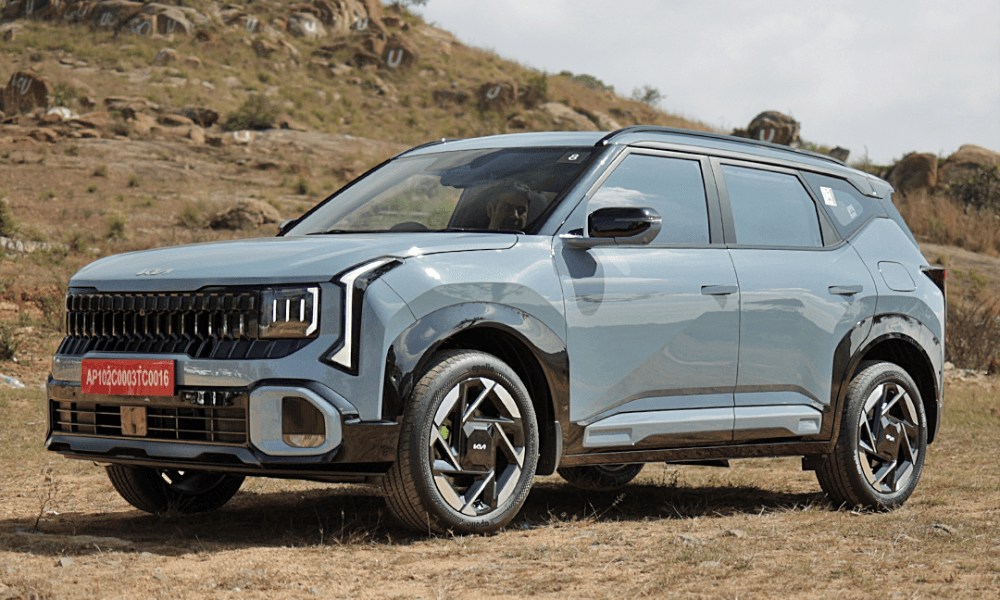
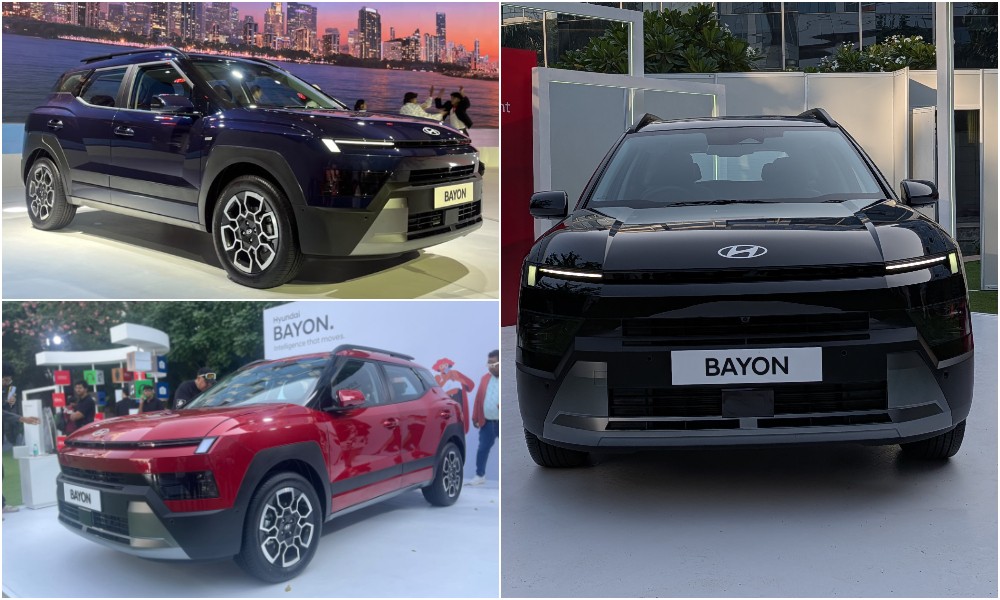
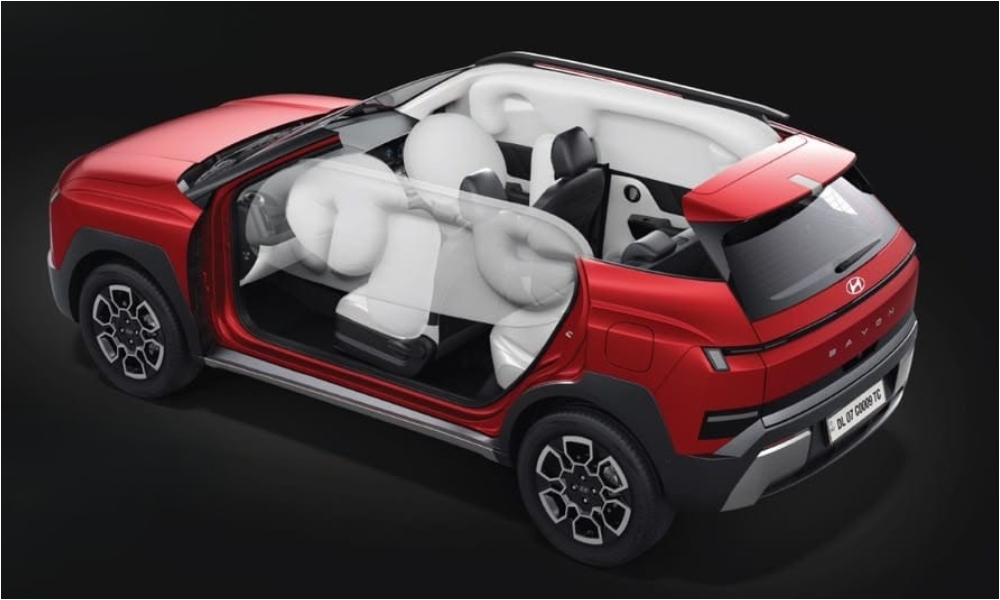
Hyundai has announced the launch of the Bayon at an introductory starting price of Rs 10 lakh (ex-showroom). The Bayon follows a new design language, complemented by 10 exterior colour options. The exterior colours can be paired with either a white and grey interior theme or an all-black option. The Bayon is available in 10 colour options, including monotone, matte and dual-tone finishes. The choices include Atlas White, Fiery Red, Ecotronic Grey, Golden Bronze, Titanium Black and Classy Blue, along with matte finishes and select colours offered in a dual-tone finish with a black roof.
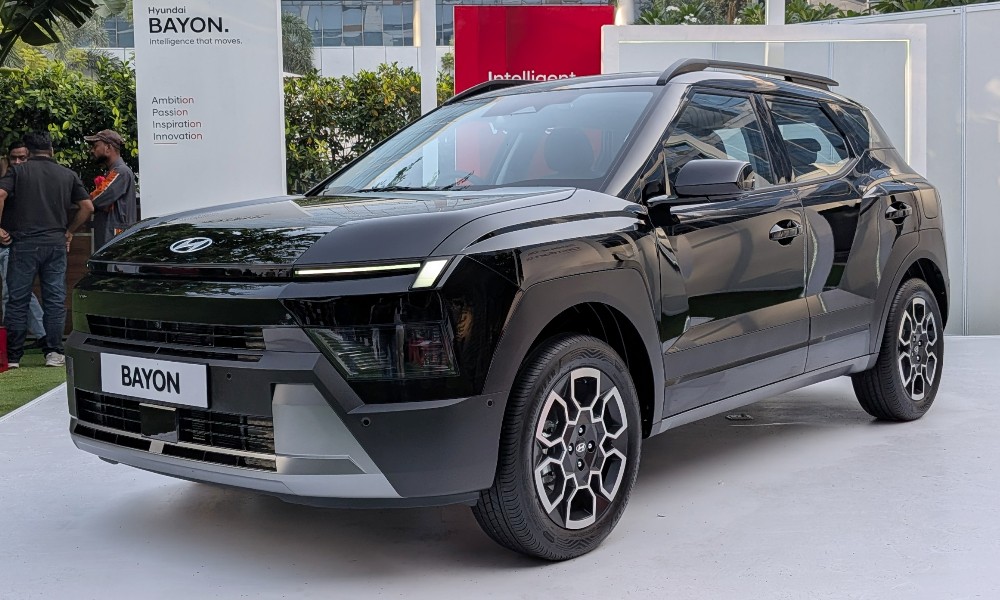
On the exterior, the Hyundai Bayon features a bonnet-mounted logo, an upright bonnet and muscular body cladding that give it a prominent road presence. Level 2 ADAS sensors are visible below the front number plate holder.
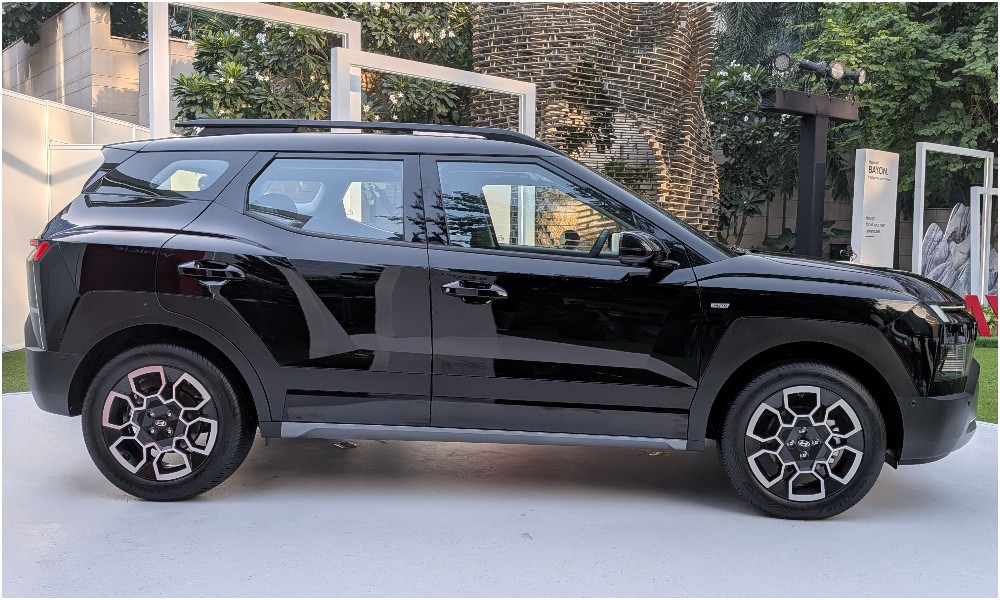
At the sides, it gets 17-inch alloy wheels, which are one size larger than those offered on the Venue, along with blacked-out ORVMs that contrast with the body colour. The rear follows the front’s sharper and more muscular design language, with thick black body cladding adding to its rugged appearance.
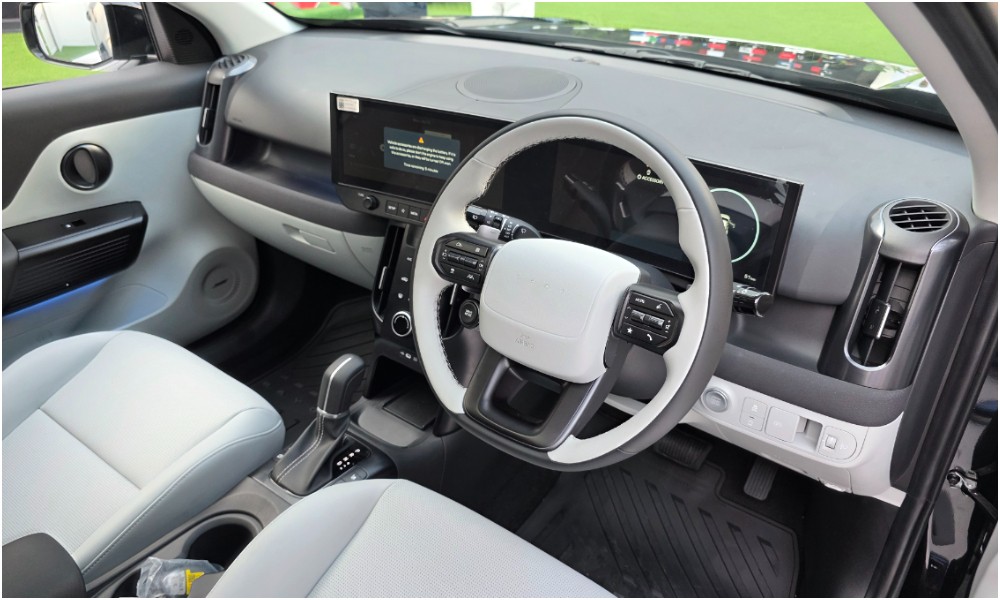
Inside, the Bayon’s cabin resembles that of the new-generation Hyundai i20 hatchback revealed in Brazil a few months ago. It features a dual-screen setup, with one screen serving as the instrument cluster and the other as the infotainment system.
Inside, the Hyundai Bayon features two 12.3-inch screens positioned side by side, along with touch-sensitive air-conditioning controls flanked by vertically oriented AC vents. Other features include ventilated front seats, a panoramic sunroof, a powered driver’s seat and a Bose audio system.
Its Level 2 ADAS suite is supported by three radars and 12 parking sensors, offering features such as Forward Collision Warning, Forward Collision-Avoidance Assist, Blind-spot Collision-Avoidance Assist, Lane Keeping Assist, Lane Departure Warning, Rear Cross-Traffic Collision Warning, Driver Attention Warning and Safe Exit Warning.
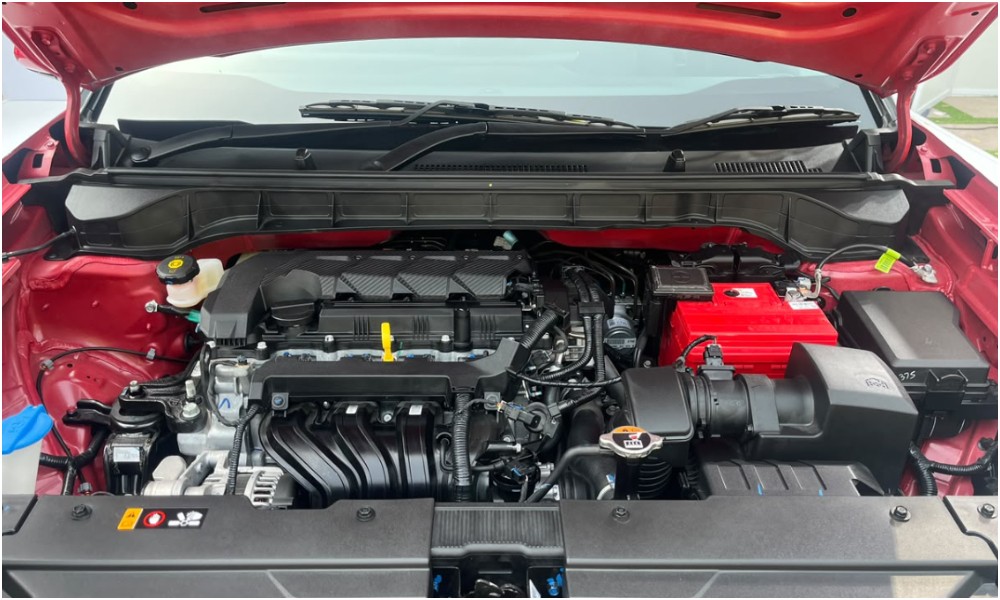
Under the hood, the Hyundai Bayon is powered by a 1.5-litre, four-cylinder, naturally aspirated MPi petrol engine that produces 113.4 bhp and 144 Nm of torque. The 1,497cc unit has powered more than six lakh Hyundai vehicles in India since 2020. The claimed fuel efficiency stands at 18.6 kmpl with the automatic transmission and 17.2 kmpl with the manual gearbox.
The engine is paired with either a six-speed manual transmission or an Intelligent Variable Transmission (iVT). The iVT-equipped variants get Dash Boost Mode and Sporty Drive Tech for a more engaging acceleration experience. The Bayon also offers Eco, Normal and Sport drive modes to suit different driving requirements.
from carandbike - News https://ift.tt/mSQp3nU
via IFTTT