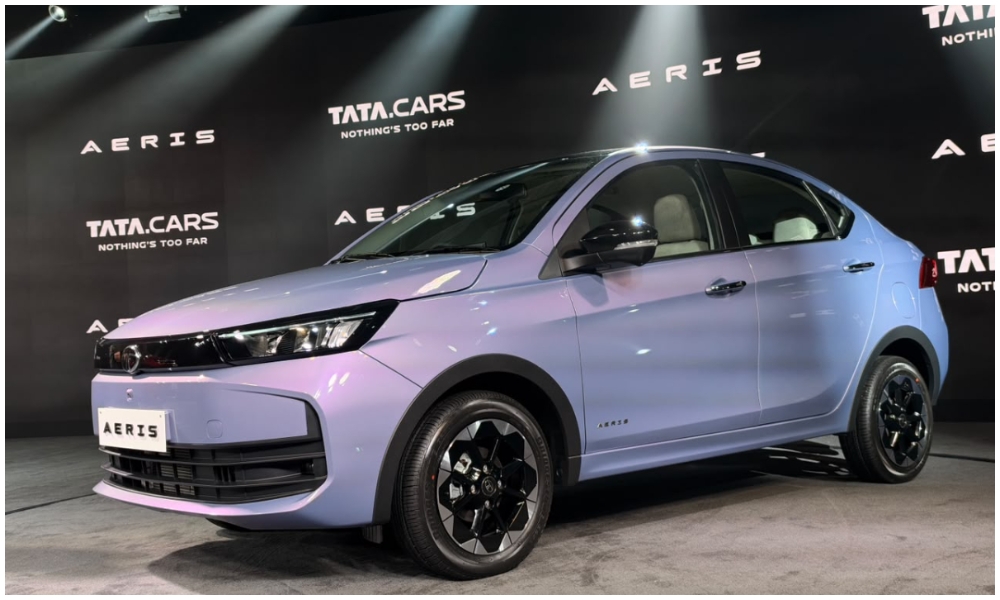
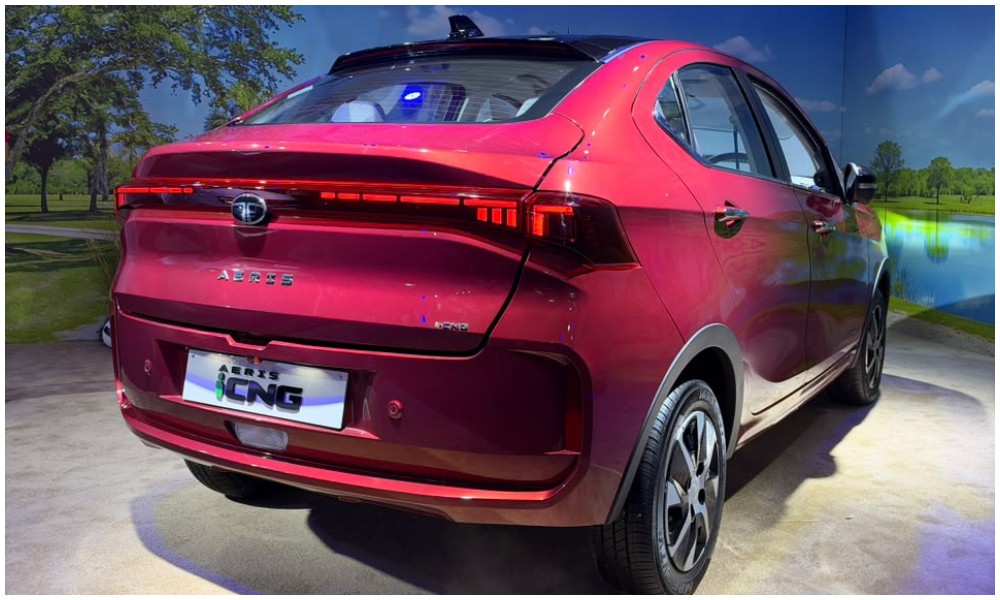
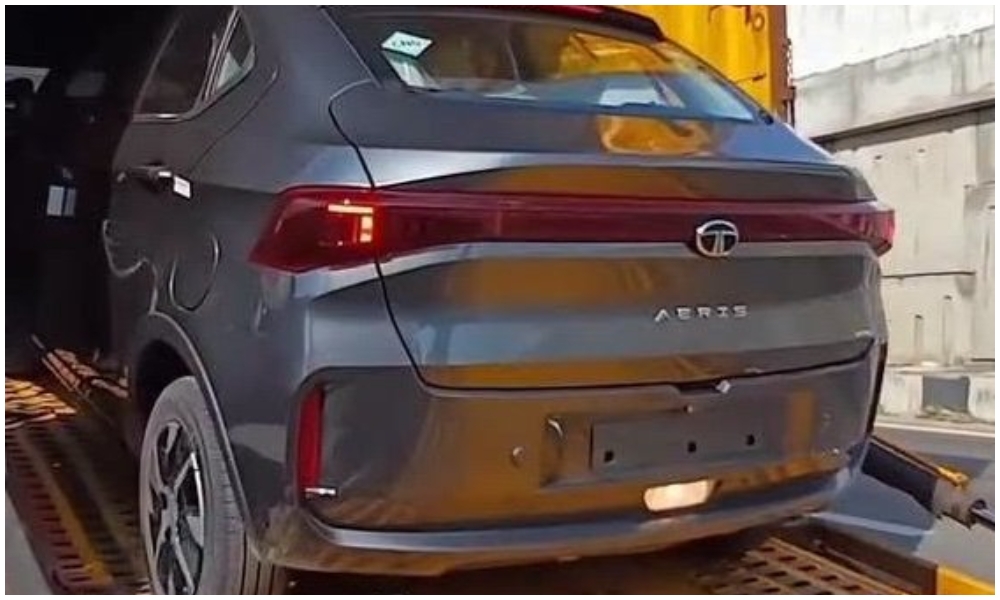
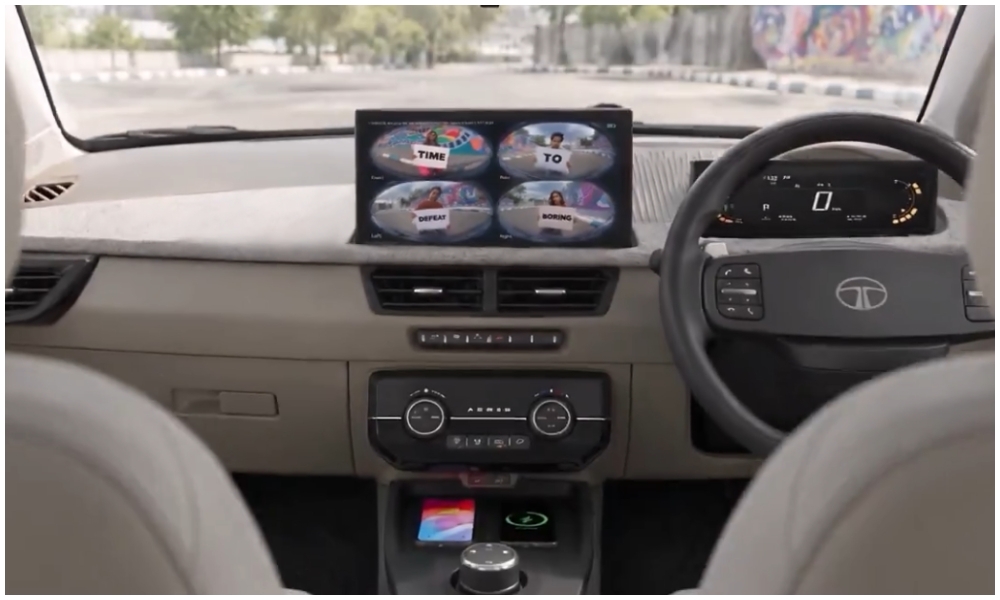
The sub-4-metre sedan segment in India is essentially split between two types of buyers: fleet operators and private customers. Tata Motors now wants to make that distinction a little clearer with the launch of the new Aeris. The Tigor has been replaced by the Aeris in Tata's passenger vehicle line-up, but it isn't disappearing altogether. Instead, the Tigor will continue in its fleet-focused Xpres guise, while the Aeris will be sold only to private buyers. In other words, you won't see a yellow-plate Aeris on the road.
Also Read: Tata Aeris: 8 Features That Are First In Its Segment
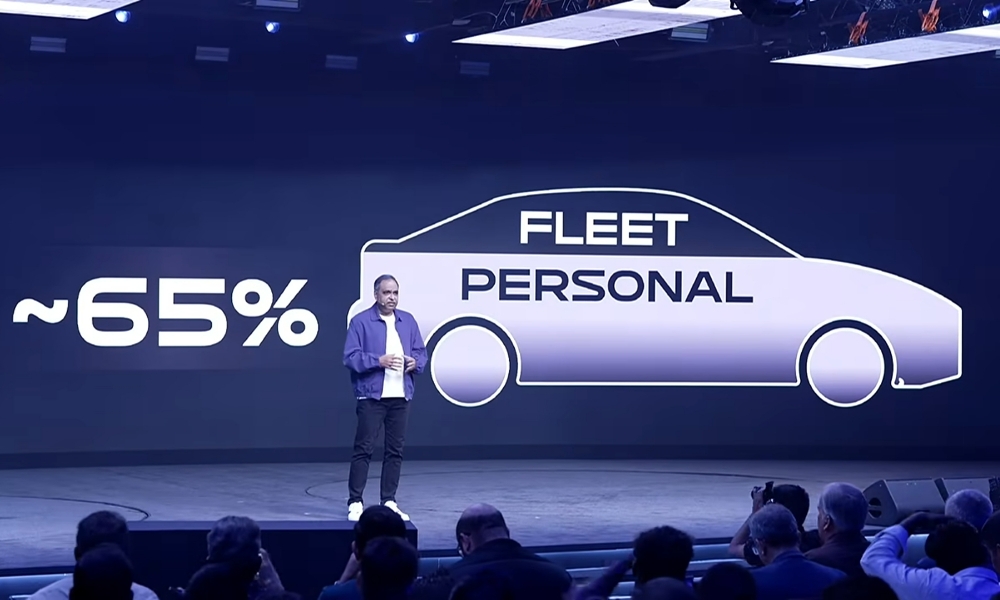
Tata says fleet operators account for 35 per cent of buyers in the sub-4-metre sedan segment, with the remaining 65 per cent made up of private customers. The company believes this has led personal buyers to share their choice of car with fleet operators, and is now separating the two by keeping the Xpres for commercial use.
The Xpres was introduced in India in 2021, initially as an electric-only model for fleet operators. Tata expanded its offering earlier this year with petrol and CNG versions, giving fleet customers more options beyond the Xpres-T EV. The Xpres petrol starts at Rs 5.74 lakh, while the Xpres CNG is priced from Rs 6.79 lakh, ex-showroom. Both are based on the Tigor, which has now been replaced by the Aeris in Tata's private-car range.
Also Read: Tata Aeris Launched As Tigor Successor; Prices Start At Rs 5.29 Lakh
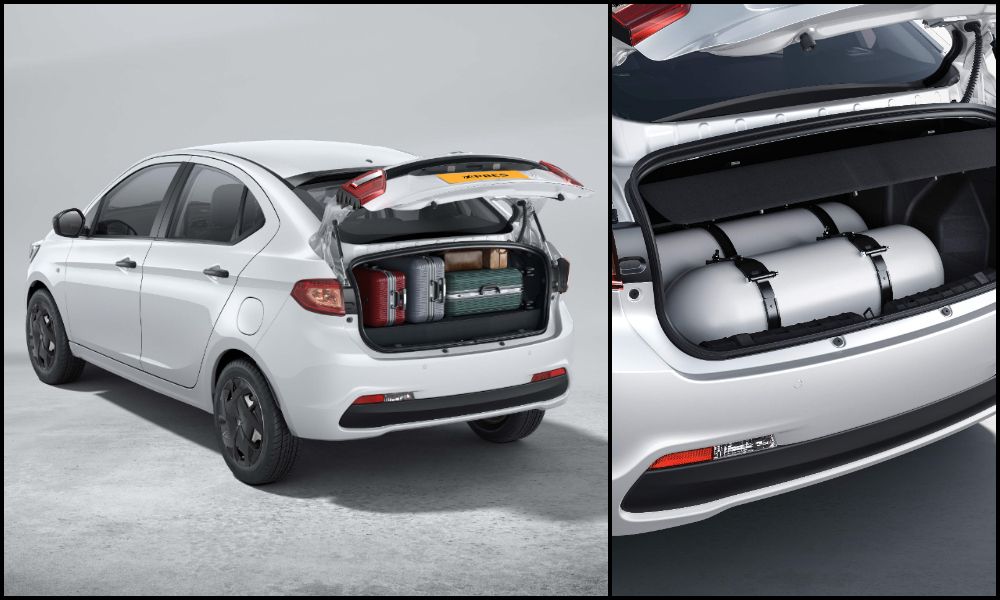
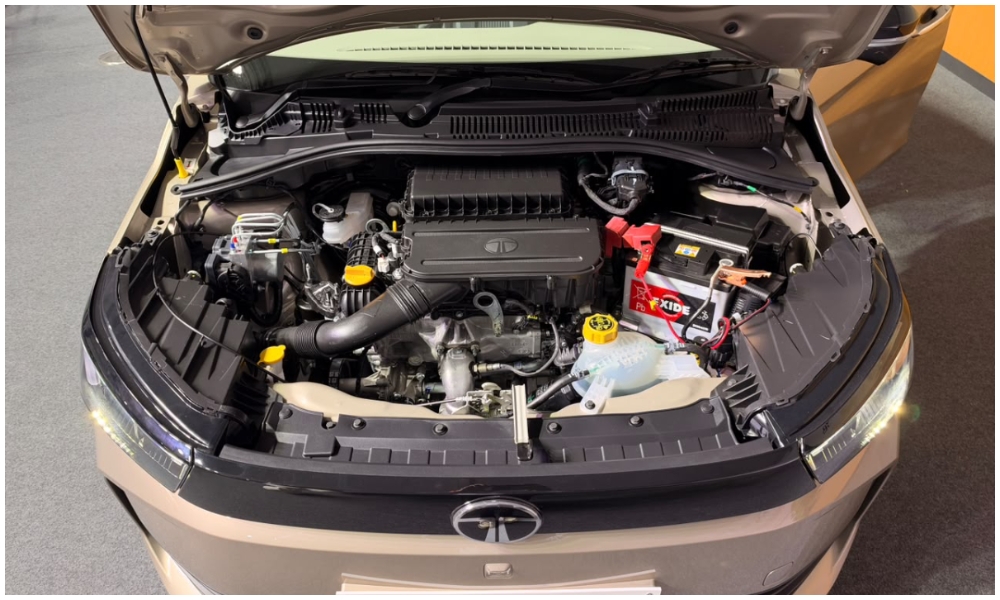
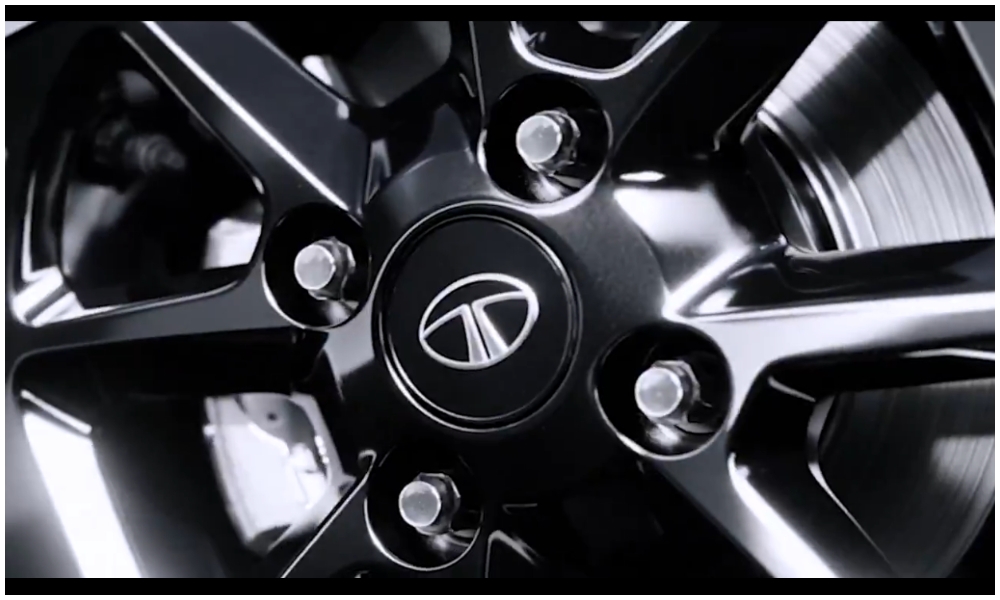
The Xpres petrol gets the same 1.2-litre Revotron naturally aspirated petrol engine as the Aeris. It churns out 85 bhp and 113 Nm and is paired exclusively with a five-speed manual gearbox. The CNG version, meanwhile, churns out 74 bhp and 95 Nm and gets Tata's twin-cylinder setup, with the 70-litre CNG tanks sitting inside the boot. The Xpres rides on 14-inch wheels.
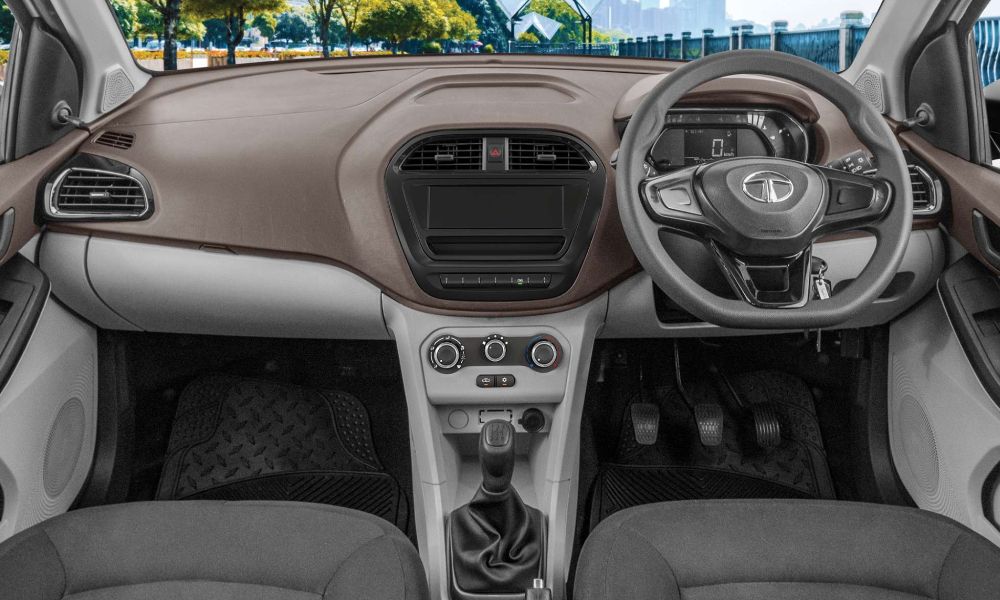
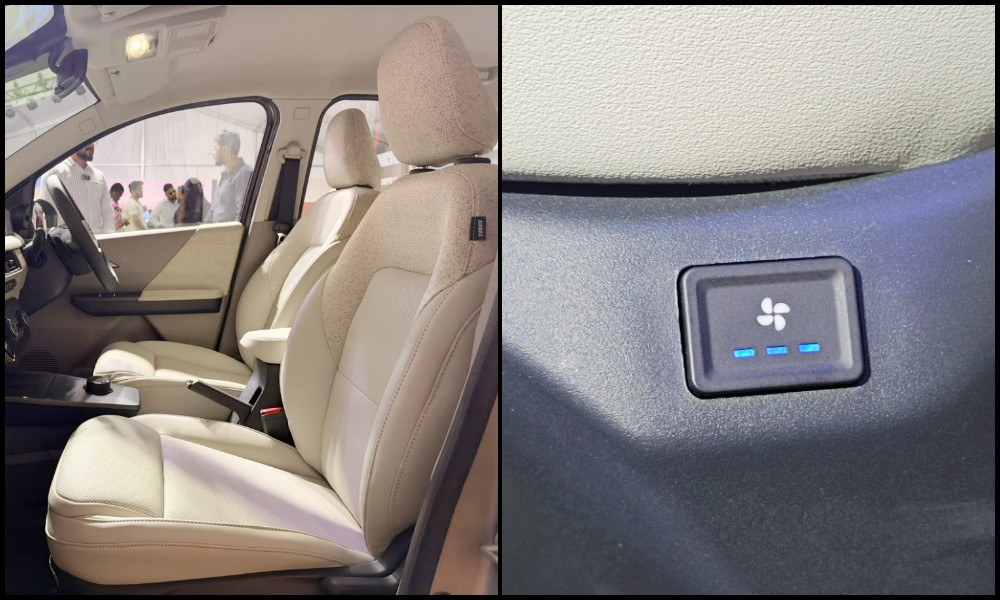
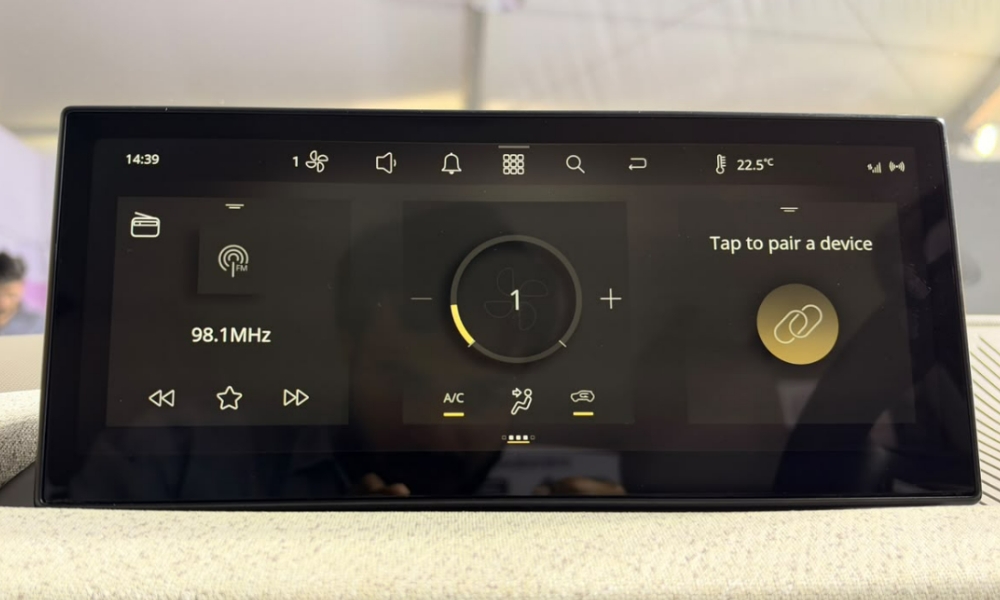
The Xpres cabin is deliberately less feature-heavy, as you'd expect from a yellow plate car. It gets a dual-tone interior, but there is no audio system or infotainment screen, and the Xpres also misses out on features such as rear AC vents and Type-C charging ports.
Hyundai, Toyota and Maruti Suzuki have also offered fleet-oriented versions of their cars, although in those cases the same basic models are also available to private customers with more equipment and features.
Also Read: Tata Aeris Colour Options Revealed
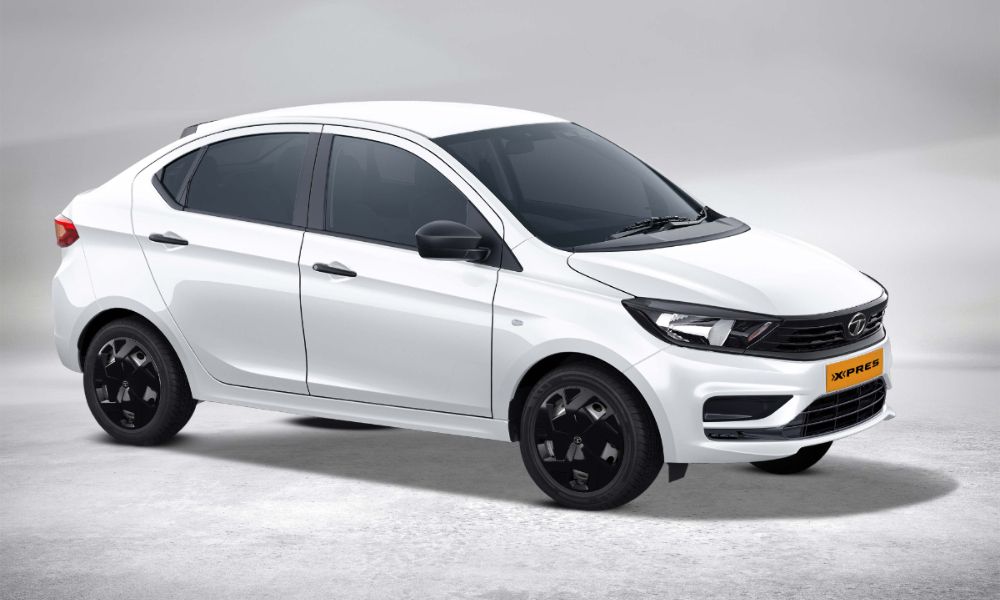
For Tata, the idea is straightforward: the Aeris becomes the sub-4-metre sedan for personal buyers, while the Tigor-based Xpres continues to handle fleet duty. That allows the company to keep its presence in the heavyweight commercial compact sedan market without turning the new Aeris into another car that doubles up as a fleet taxi.
from carandbike - News https://ift.tt/TdvislO
via IFTTT