The Delhi government has approved a new electric vehicle policy that offers full road tax and registration fee exemptions on EVs priced up to Rs 30 lakh, while also laying down timelines for a gradual shift towards electric-only registrations in key vehicle segments. The policy, cleared by the Delhi Cabinet, will come into effect on July 1, 2026, and remain in force until March 31, 2030. It introduces fresh purchase incentives, scrappage benefits and plans for an expansion of charging infrastructure across the capital.
Also Read: India-UK FTA To Come Into Effect On July 15; Auto Import Duties To Fall To 10% Under Quota System
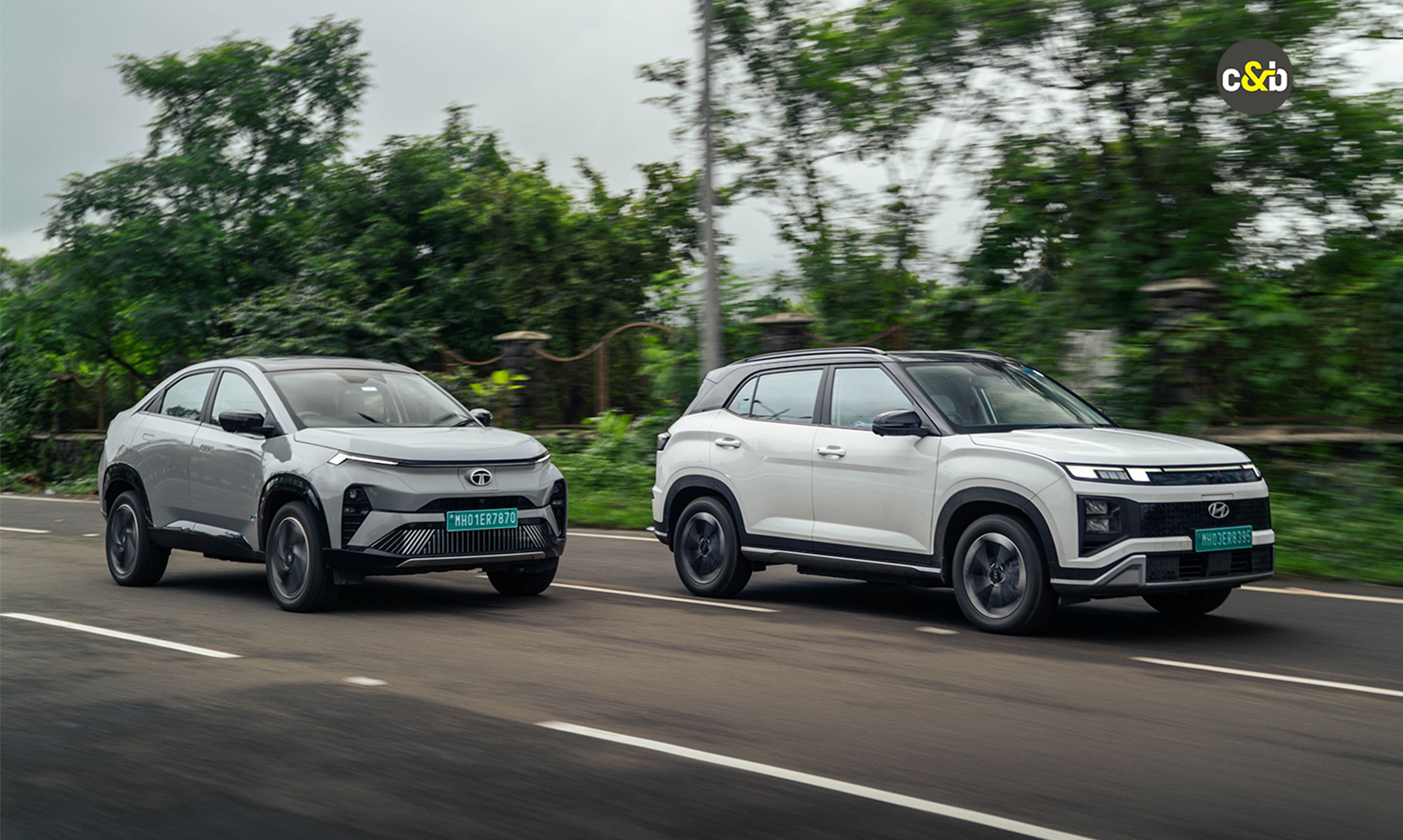
One of the biggest takeaways for private buyers is the complete waiver of road tax and registration charges on electric cars priced below Rs 30 lakh. This is expected to make EV ownership more attractive in the mass-market segment.
The policy also outlines a phased roadmap for electrification in certain segments. From January 1, 2027, only new electric auto-rickshaws and N1 goods carriers will be registered in Delhi. Perhaps the most significant measure in the new policy is the planned shift to electric-only registrations for new two-wheelers from April 1, 2028. Once the rule comes into effect, new petrol-powered motorcycles and scooters will no longer be eligible for registration in Delhi.
Also Read: India Cuts Excise Duty On Petrol With 22%-30% Ethanol To Zero

The government has also announced purchase incentives across multiple categories. Electric two-wheelers will be eligible for benefits of up to Rs 30,000, while buyers of electric three-wheelers can avail incentives of up to Rs 50,000. N1-category electric goods carriers, which include small commercial vehicles, will qualify for subsidies of up to Rs 1 lakh.
Vehicle owners replacing older, polluting vehicles with EVs will receive additional scrappage incentives ranging from Rs 5,000 to Rs 1 lakh, depending on the category. All eligible benefits under the scheme will be transferred directly to beneficiaries through the Direct Benefit Transfer (DBT) mechanism, stated the policy.
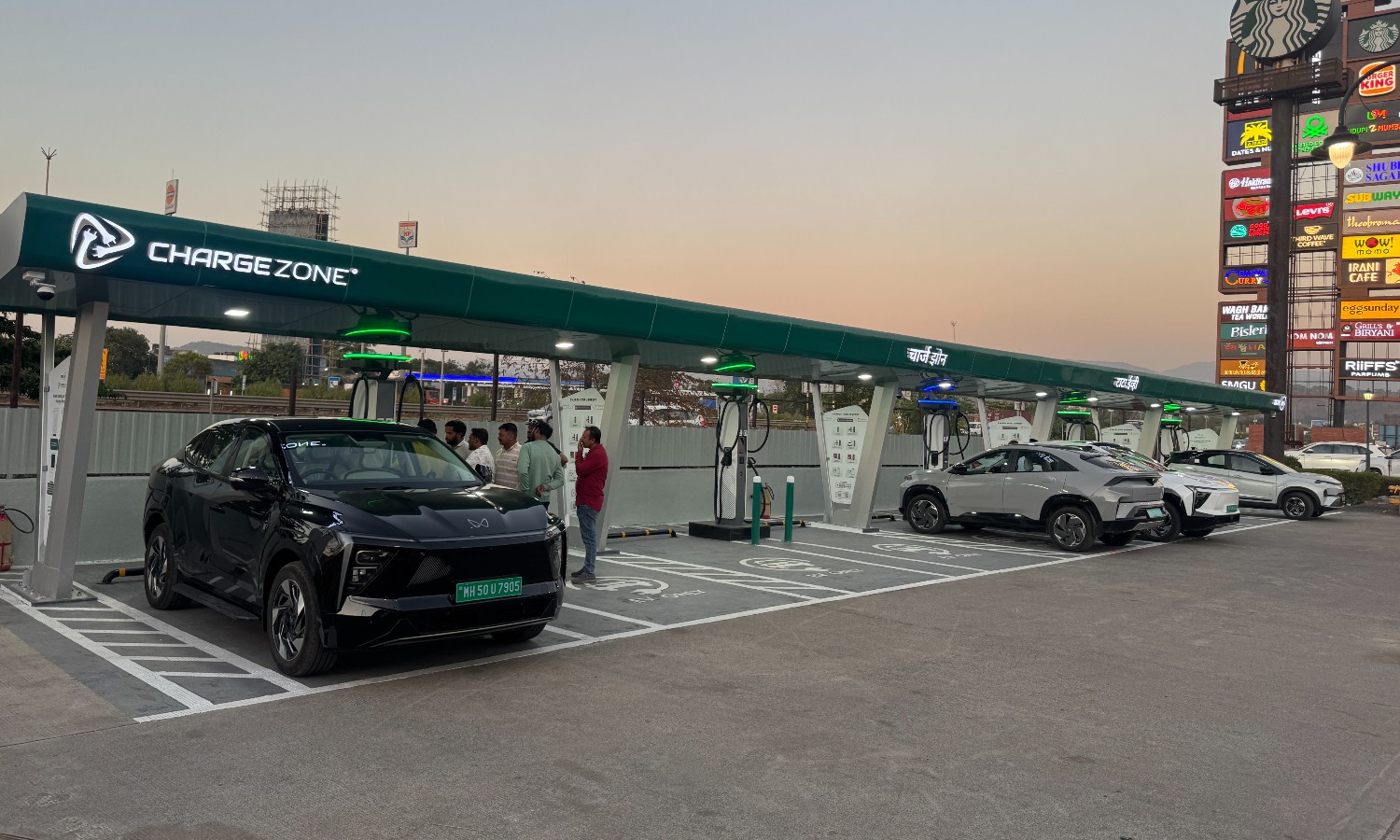
Additionally, to eventually support the growing EV network, the government plans to set up more than 30,000 charging points across Delhi during the policy period.
from carandbike - News https://ift.tt/s49kqBV
via IFTTT

No comments:
Post a Comment