Welcome to Gulf News, your premier destination for comprehensive coverage and insights into the dynamic landscape of the Gulf region and beyond. As a trusted source of news and information, we pride ourselves on delivering timely updates, in-depth analysis, and compelling stories that resonate with our diverse audience.
From breaking news to in-depth features, business trends to cultural happenings, sports highlights to technological advancements, Gulf News covers it all with accuracy, integrit
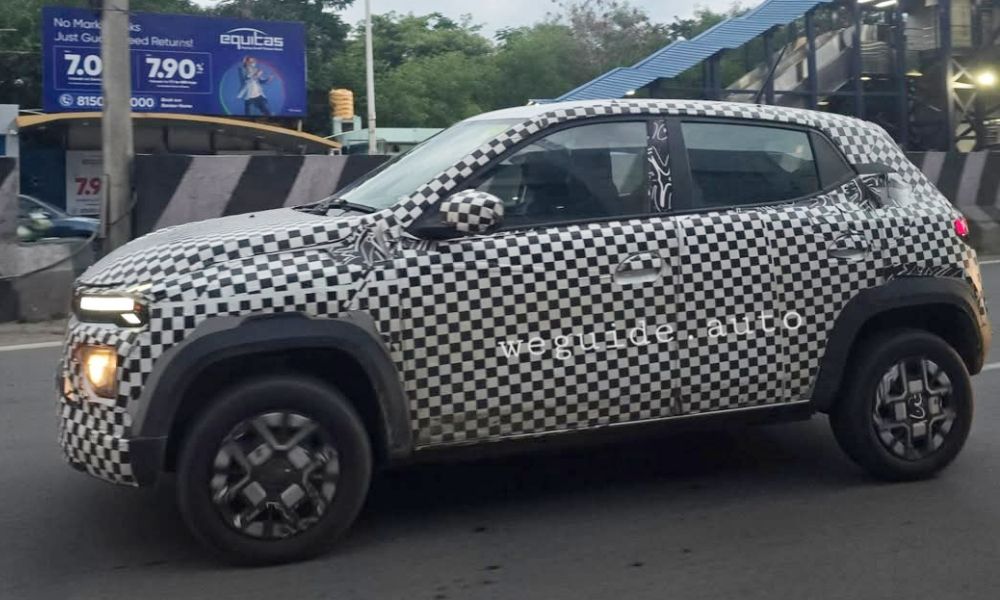
After updating the Kiger and Triber, Renault now seems to be preparing a refresh for its entry-level hatchback, the Kwid. A test mule has been spotted on Indian roads, fully camouflaged, and it is stated to be the electric derivative of Renault’s most affordable passenger car in India. This stems from earlier spy shots that surfaced online a few months ago, where the Kwid EV was spied completely undisguised in Brazil.
Design updates visible on the test car include a revised front fascia with LED DRLs, halogen headlamps, and Renault’s new logo, which debuted in India on the Triber. The profile looks familiar to the current Kwid. The rear, however, sports noticeable changes such as a fresh pair of Y-shaped tail lamps, a new bumper, roof spoiler, and a rear wiper.
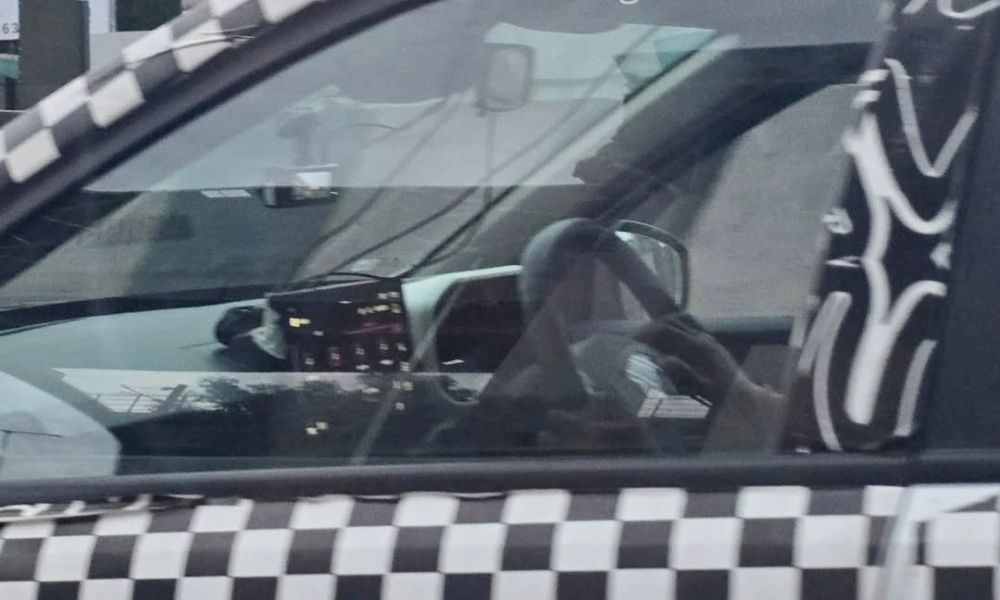
A glimpse inside the cabin from the latest spy shots reveals a reworked interior layout. The test mule is equipped with a large touchscreen, a new steering wheel which will house Renault’s refreshed logo, and a fully digital instrument cluster. Other details about the interior remain under wraps for now.
At this point, it remains unclear whether the test mule represents an updated ICE Kwid or an all-new EV version. The electric model, if launched, would essentially be the Renault-badged sibling of the Dacia Spring EV, sold overseas.
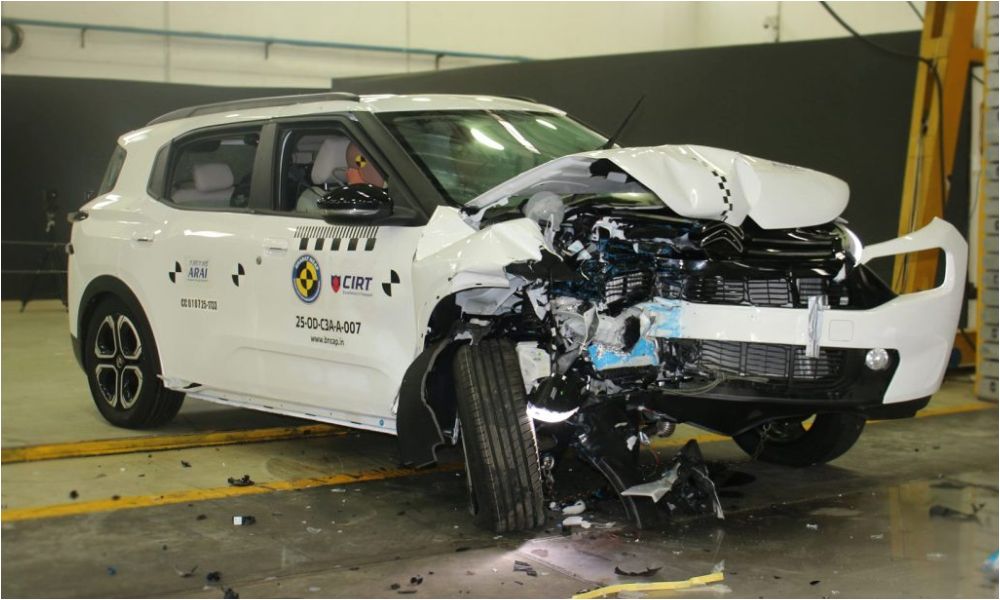
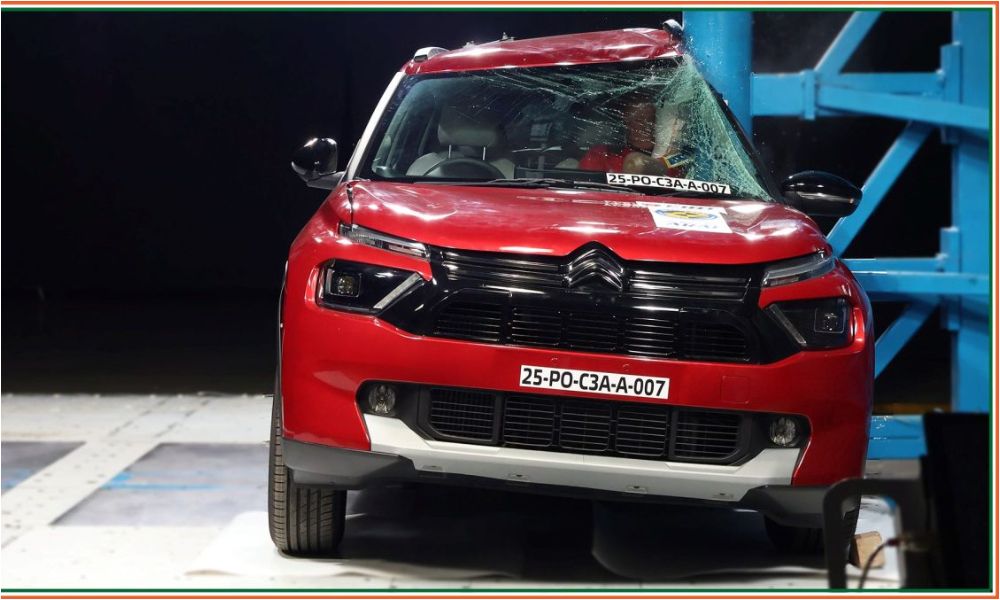
A few days after announcing results for the Maruti Suzuki Invicto, the Bharat New Car Assessment Programme (Bharat NCAP) has awarded a five-star crash test rating to yet another utility vehicle – the Citroen Aircross SUV. Originally introduced as the C3 Aircross (and then renamed to Aircross), this is only the second Citroen model for which crash test results have been announced under the voluntary Bharat NCAP procedures. The first was the Citroen Basalt, which was awarded a four-star rating. This rating applies only to the 5-seat Aircross (not the 5+2 seat variants), and since the tests were conducted in July 2025, this rating applies to the SUV from September onwards.
Aircross recorded the lowest adult occupant protection score for a 5-star rated car.
Citroen Aircross: Adult Occupant Protection
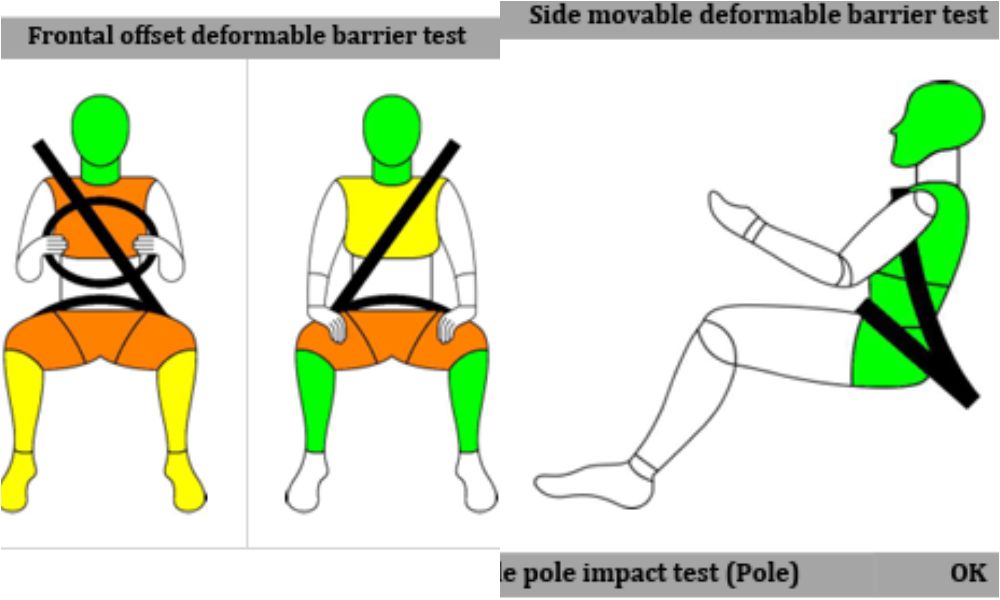
It's in the adult occupant protection department where the Citroen Aircross has bagged five stars. It's worth noting, however, that its overall adult occupant protection score of 27.05 points out of a total 32, is the lowest score yet for any vehicle that has been awarded a five-star rating by Bharat NCAP. This is primarily down to the Aircross dropping points in the frontal offset deformable barrier crash test, where it scored 11.05 points out of a total 16.
Protection rated ‘marginal’ for driver's chest, and driver's as well as front passenger's knees.
A quick look inside the crash test report reveals protection for the driver's chest and knees, and the front passenger's knees, was deemed only marginal, while protection for the driver's feet and front passenger's chest was rated adequate. The driver's head, as well as the front passenger's head and feet, had good protection.
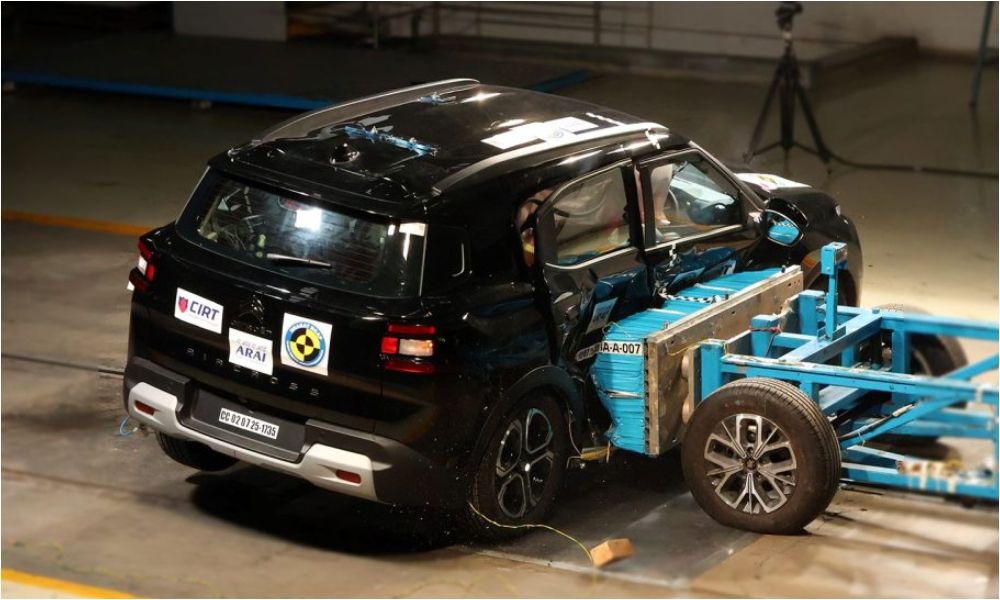
Aircross passed the side pole impact test.
The Aircross scored full marks in the side movable deformable barrier test (16 points out of 16) and also passed the side pole impact test.
Just like the Basalt, the Aircross lost ground in the child occupant protection department, receiving four stars with a total score of 40 points out of 49 – higher than the Basalt's score.
The 18-month-old and three-year-old child test dummies were installed in the second row outboard seats, facing rearwards, using ISOFIX child seat mounts. While the Aircross received full marks on both dynamic as well as child restraint system installation fronts, it dropped points in the vehicle assessment score, only managing four points out of 13. However, the report does not explain why the Aircross lost ground in this department.
Aircross features 6 airbags, ISOFIX child seat mounts as standard.
Citroen Aircross: Safety Equipment
Standard safety kit on the Aircross includes six airbags, anti-lock braking system with EBD, electronic stability programme, three-point seatbelts for all seats, hill hold control and ISOFIX child seat mounts, among others. Prices for the 5-seat Citroen Aircross range start at Rs 8.32 lakh and stretch up to Rs 13.75 lakh (ex-showroom).
Citroen will soon expand the Aircross range with the launch of the Aircross X in October, which is set to usher in a new interior and additional features.
from carandbike - News https://ift.tt/bqZOATS
via IFTTT
Nissan will take the wraps off its upcoming C-segment SUV on October 7, giving us a good glimpse of its design. The new C-SUV is slated to go on sale in 2026 and has already been spotted testing multiple times on Indian roads in camouflaged form.
The test mules suggest that the SUV shares its underpinnings with the next-generation Renault Duster, but Nissan is working to give it its own identity. From what has been seen so far, the SUV will feature a fresh design language with new headlight units, horizontal daytime-running lamps, and a grille with horizontal slats. The rear styling appears to borrow elements from the global-spec Duster, particularly in the taillight design.
Powertrain details are still under wraps, but the model is expected to launch with a petrol engine. The Renault-Nissan Alliance has confirmed that alternative fuels -- such as CNG and ethanol-based systems -- are being evaluated for future SUVs, alongside the possibility of a seven-seat derivative to broaden the lineup.
The new C-SUV will be a crucial product for Nissan in India. The brand currently has a very limited range, with just one locally manufactured model on sale. The upcoming SUV will mark Nissan’s re-entry into the competitive midsize SUV space with contenders like Hyundai Creta, Kia Seltos, and Maruti Suzuki Grand Vitara and Victoris. It remains to be seen how well the brand can strengthen its foothold in one of India’s most demanding segments.
With the October 7 reveal, the carmaker will shed more light on how this SUV will differ from its Renault sibling, both in design and positioning. While Nissan hasn’t confirmed a name, there is a possibility the company could revive the Terrano nameplate for this model.
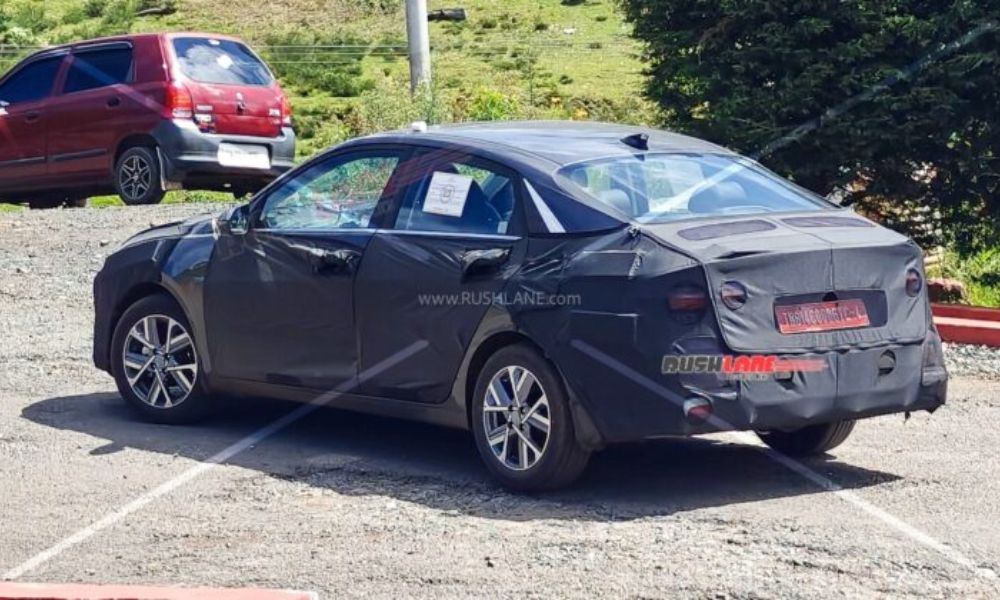
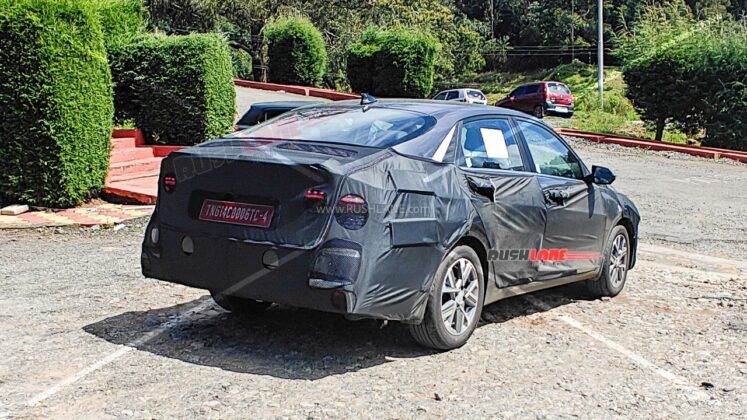
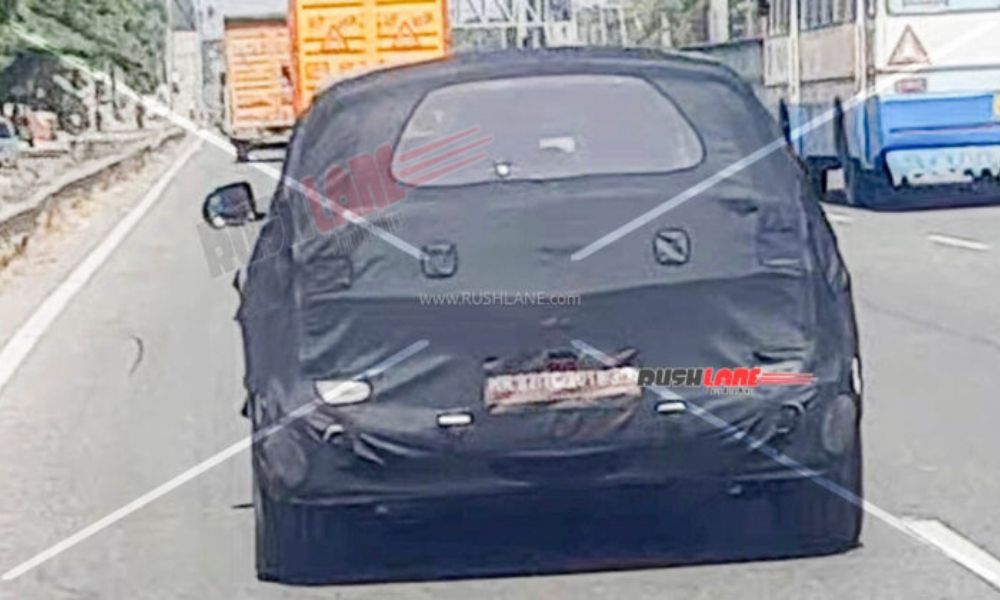
The sixth-gen Hyundai Verna, launched in India in 2023, could be due for its first major update sometime next year. Images of heavily camouflaged test mules have surfaced on the internet over the past few months, suggesting that a facelift is in the works with the car currently undergoing testing on public roads.
The images predominantly show the compact sedan from the rear, providing a glimpse of the updated tail lamps and hinting at some of the tweaks to the rear bumper. The full-width lightbar design at the rear looks to be retained, while the tail lamps themselves seem to get new light guides and internals to freshen things up. The bumper, too, looks to have been redesigned with a revised lower section giving it a slightly more squared out look.
While the test mule sat on the same alloy wheels as the current car on sale, this could change down the line.
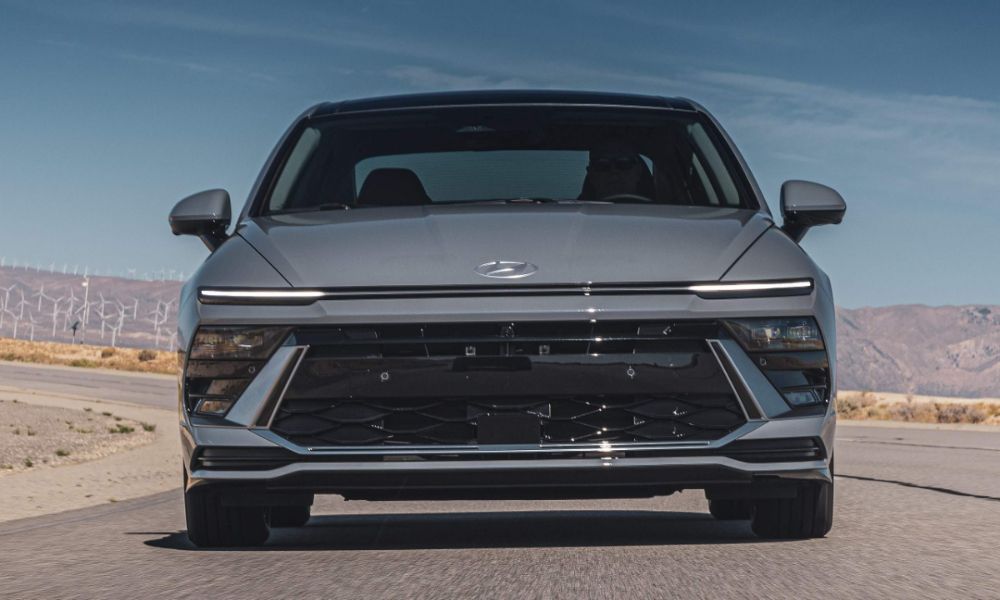
Changes to the front fascia for now remain a mystery, though Hyundai could give the Verna a more squared-out look in line with its more recent models. Hyundai's recent crop of sedans in global markets, such as the new Sonata and Ioniq 6 facelift, arrived with a more angular front end, with more boxy looks and squared-out design detailing, giving the cars a sleeker and more muscular look. The same could be carried over to the Verna as well, with the oversized parametric grille likely being replaced by a more staid rectangular design grille flanked by boxier light clusters. The full-width lightbar is likely to be retained.
Verna's front fascia could draw stylistic inspiration from global models such as the new Sonata (pictured).
Moving to the features, Hyundai could look to upgrade the feature list for the sedan with tech such as a larger touchscreen with wireless smartphone connectivity, new digital instrument cluster, an updated ADAS suite and more. The current sedan is already a very well-equipped car with features such as heated and ventilated front seats, a 10.25-inch touchscreen, a powered driver seat, auto climate control, auto headlamps, wireless phone charging, leather upholstery and even Level 2 ADAS.
Mechanically, the Verna is expected to remain unchanged, with buyers offered either a 1.5-litre naturally aspirated petrol or a 1.5-litre turbocharged petrol engine option. Both units are expected to continue to be offered with manual and automatic gearbox (CVT for the 1.5 NA and DCT for the turbo) options.
The facelifted Verna will compete against the likes of the Volkswagen Virtus (the segment's bestseller), the Skoda Slavia, the Honda City, and the Maruti Ciaz.
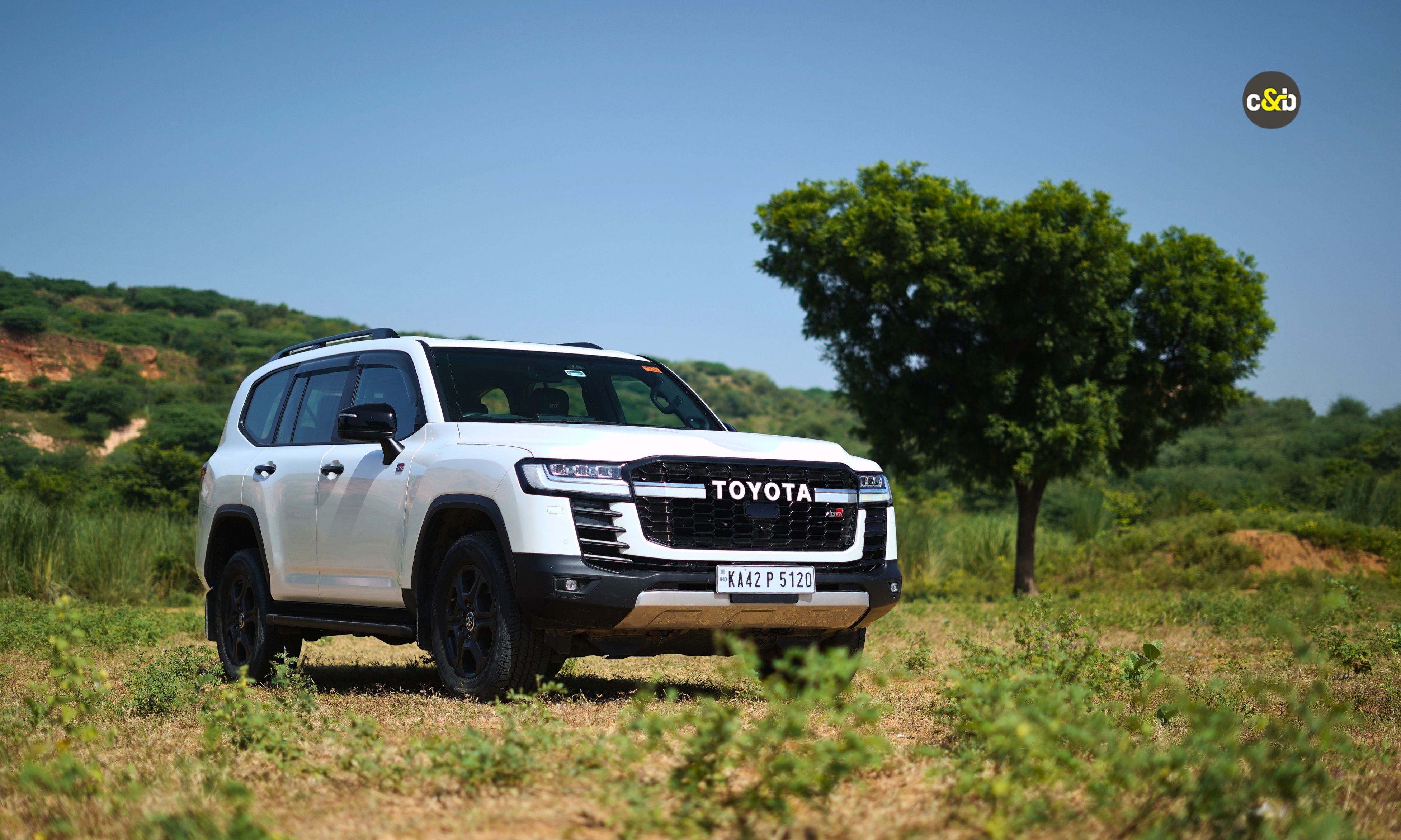
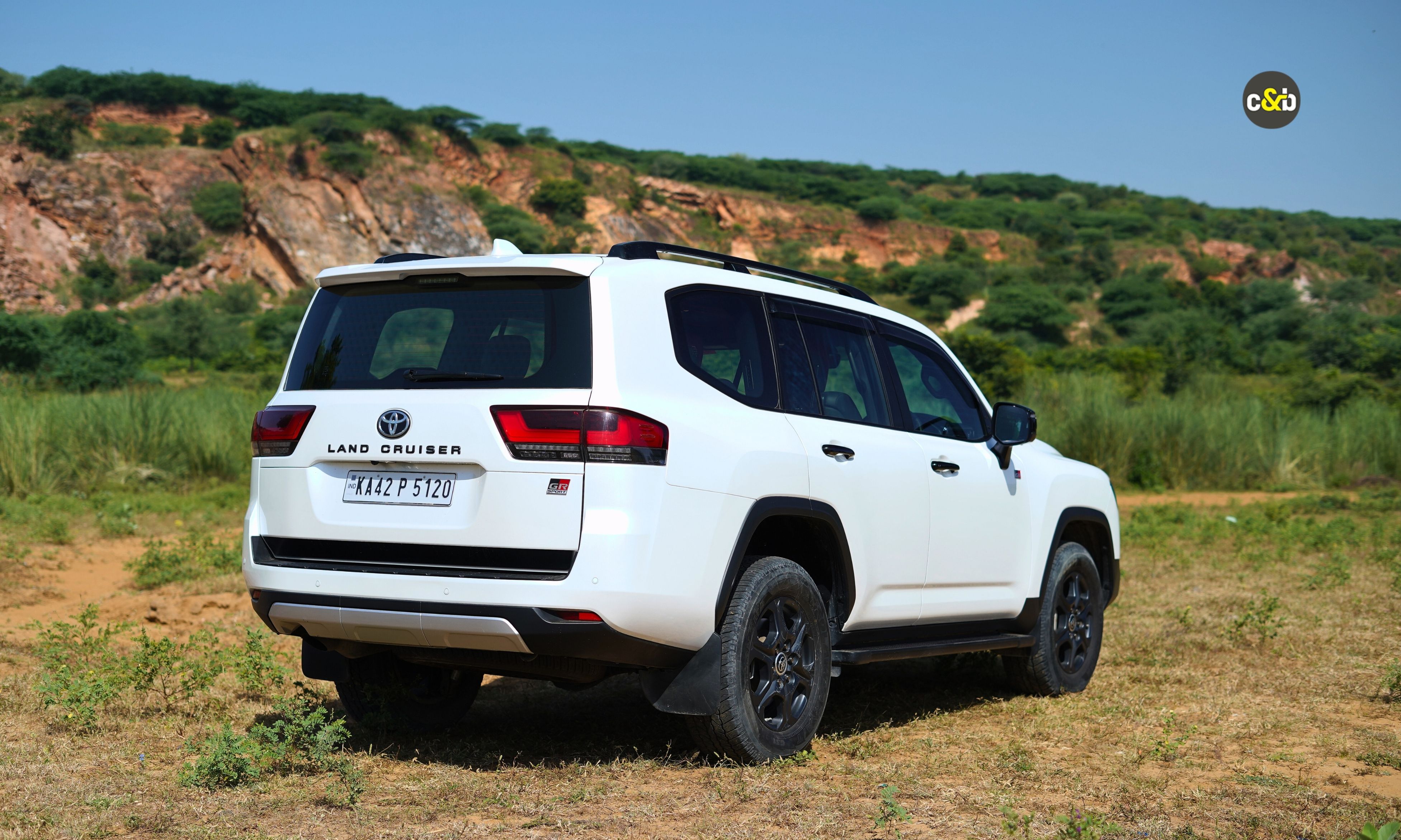
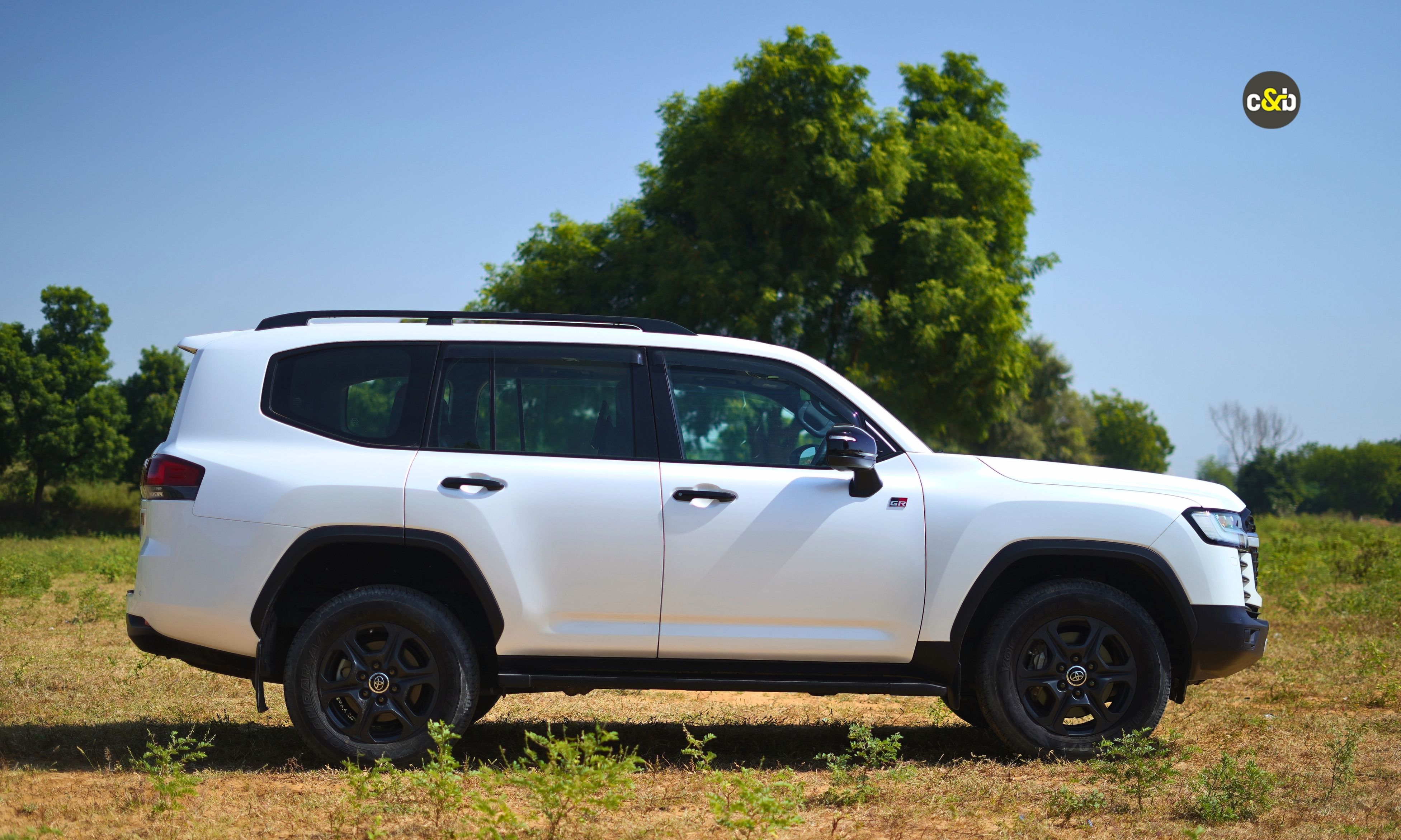
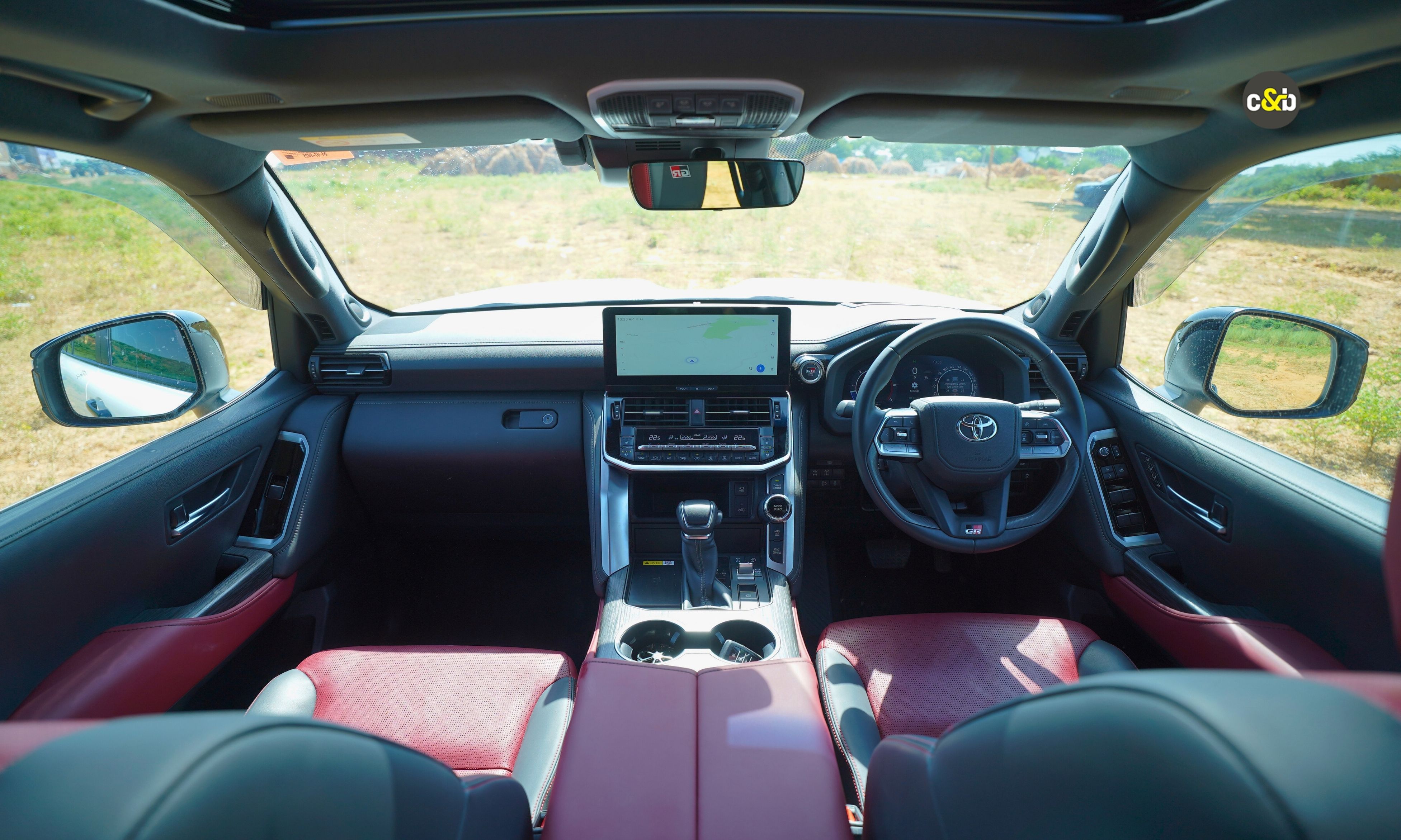
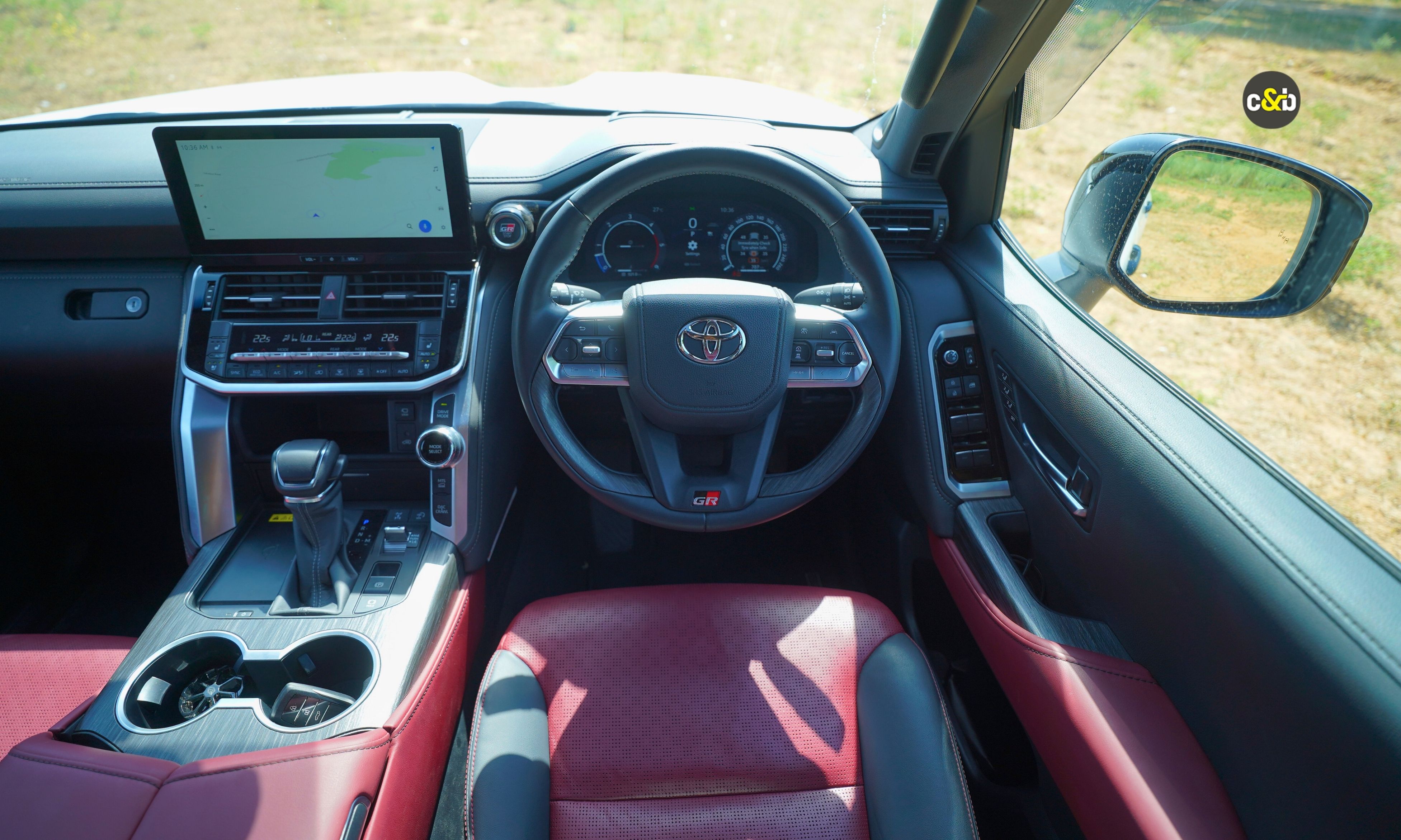
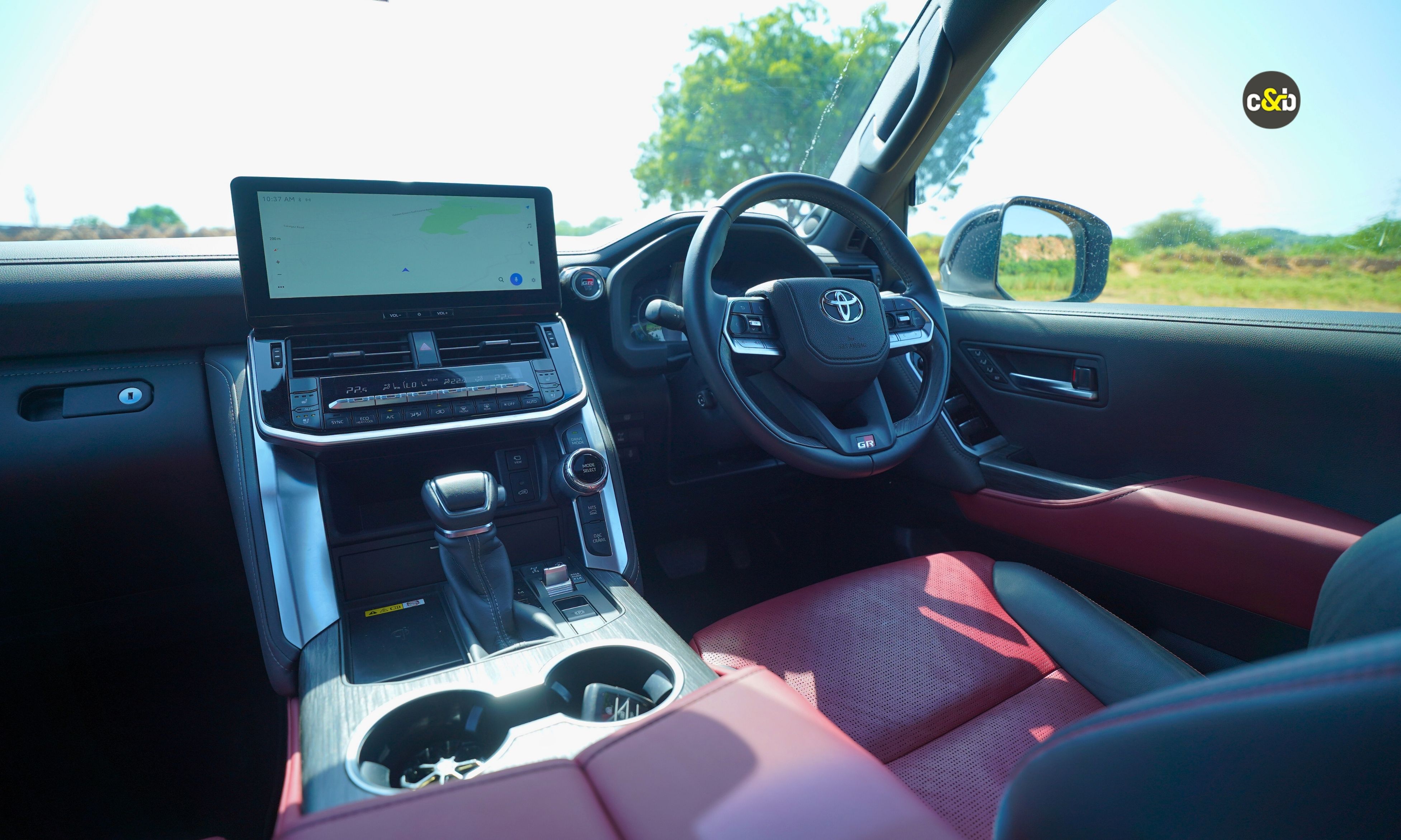
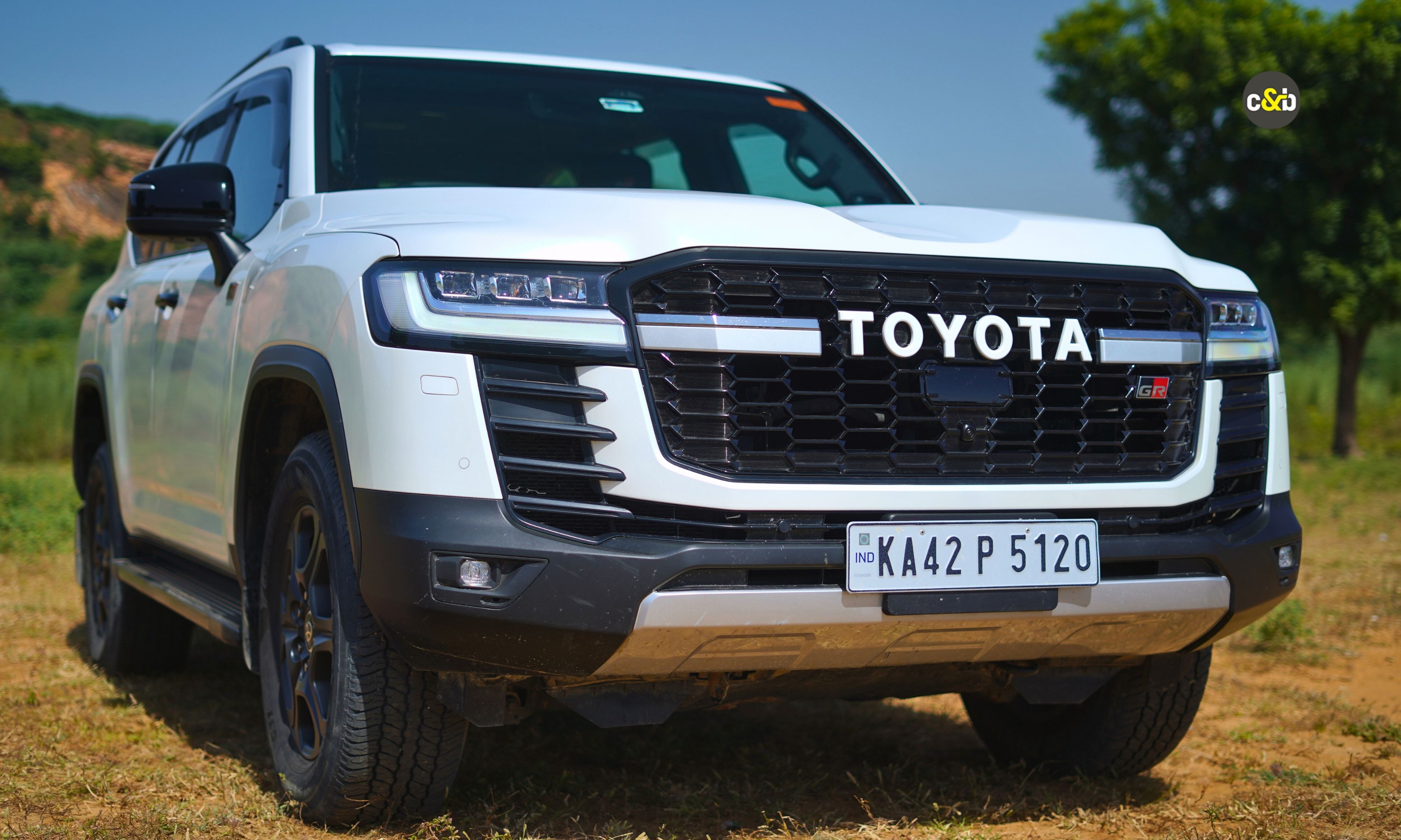
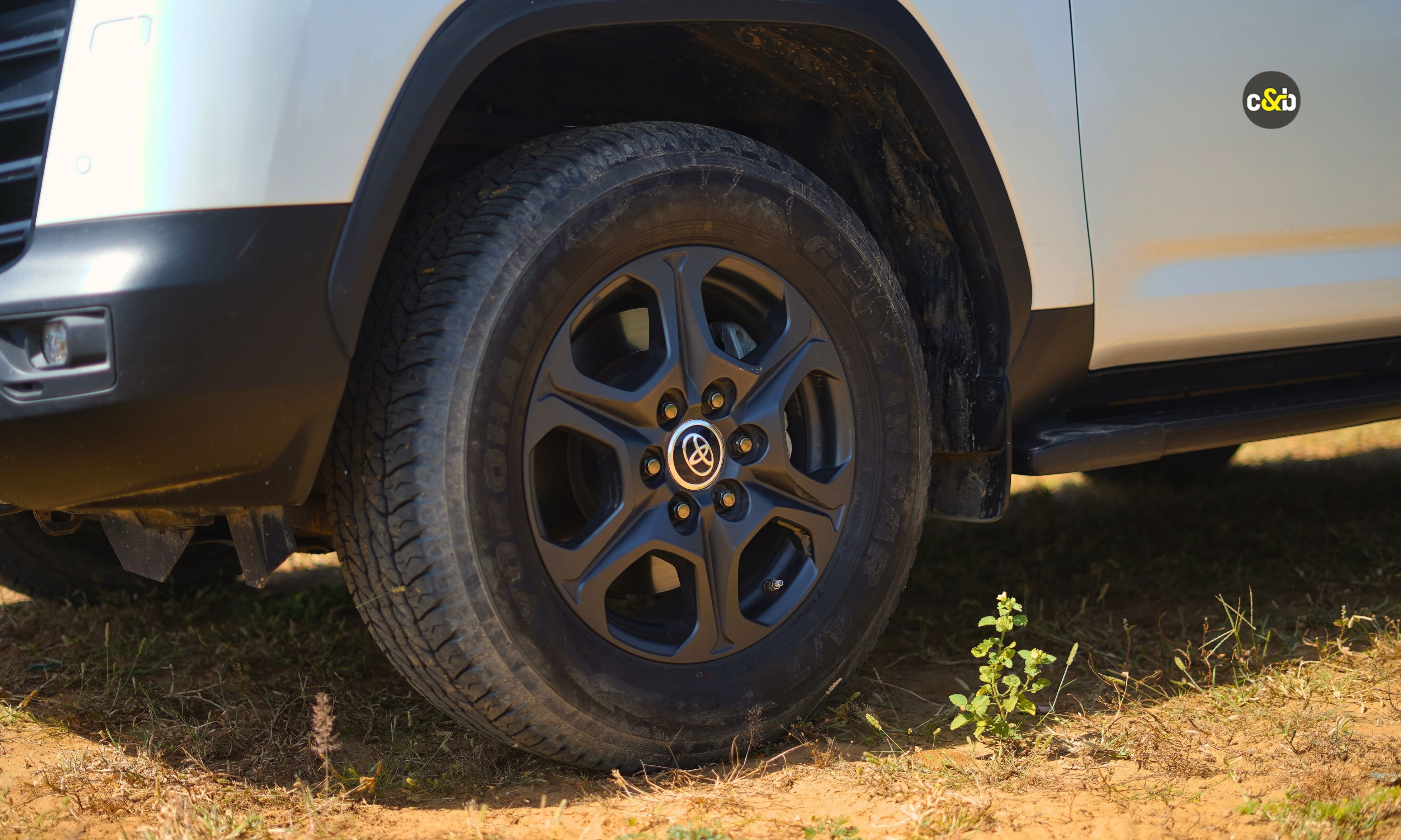
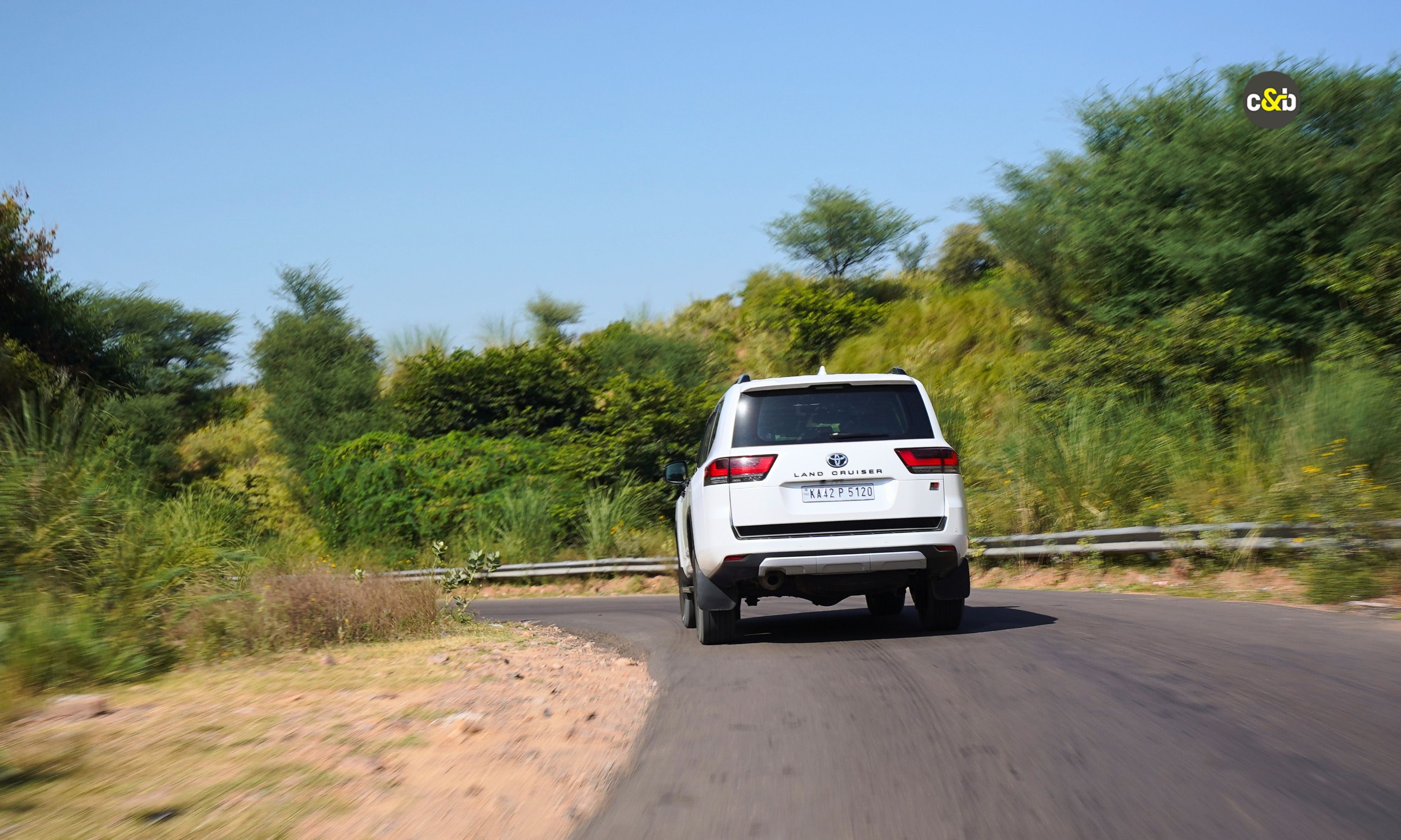
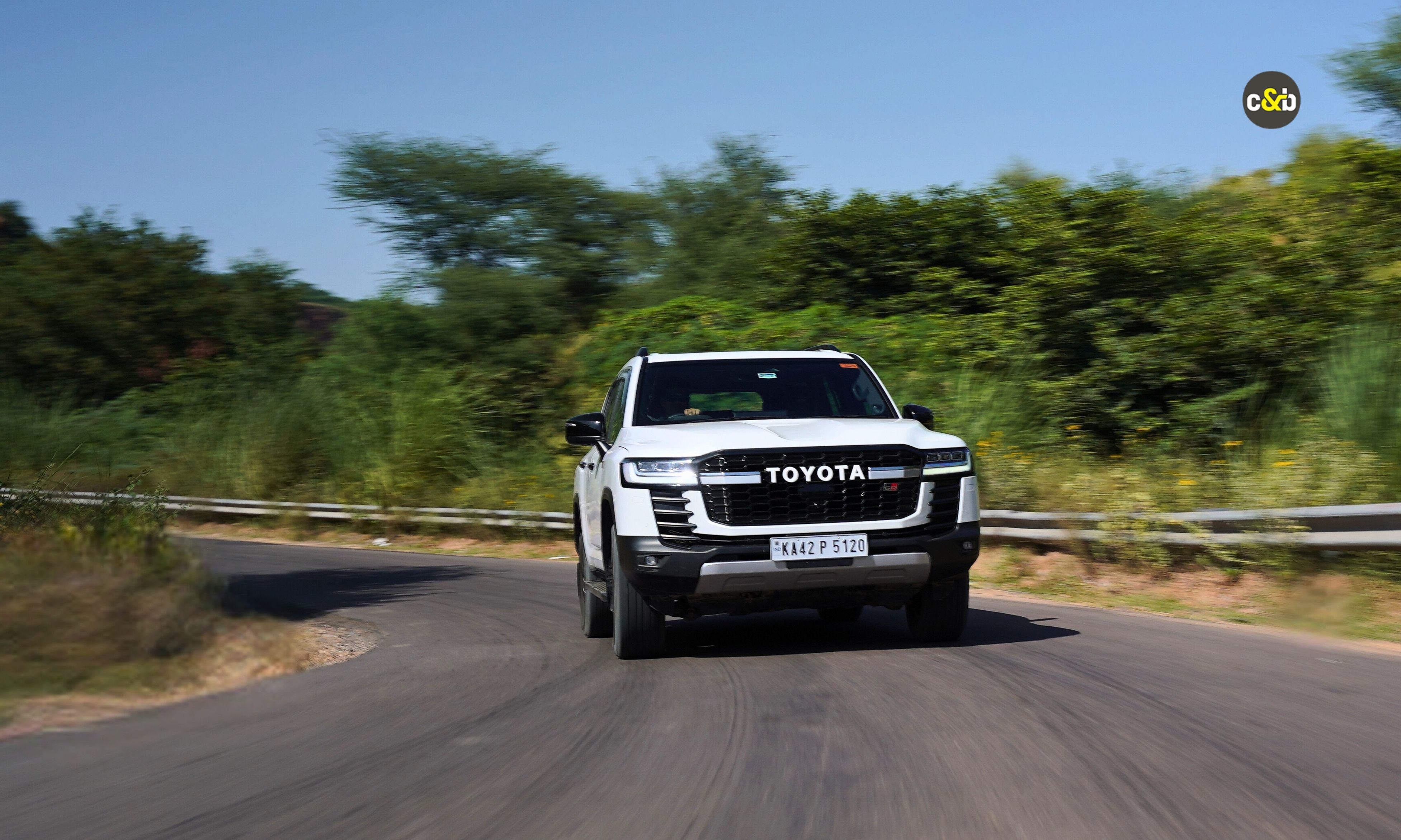
Toyota reintroduced the Land Cruiser 300 to the Indian market in February 2025, after having it delisted from the website for quite some time. Bringing it in as a full import, the SUV is available in two trims: ZX, earlier priced at Rs 2.31 crore, and the sportier GR-S, which was set at Rs 2.41 crore.
Following revisions in the GST structure, both variants have seen a price drop: the ZX now costs Rs 2.16 crore, while the GR-S is priced at Rs 2.25 crore. All prices mentioned are ex-showroom. Here, we take a closer look at the LC300 GR-S.
The dashboard is dominated by a 12.3-inch infotainment screen, which also offers Apple CarPlay and Android Auto connectivity options.
Other features include four-zone automatic climate control, rear-seat entertainment screens, and a head-up display.
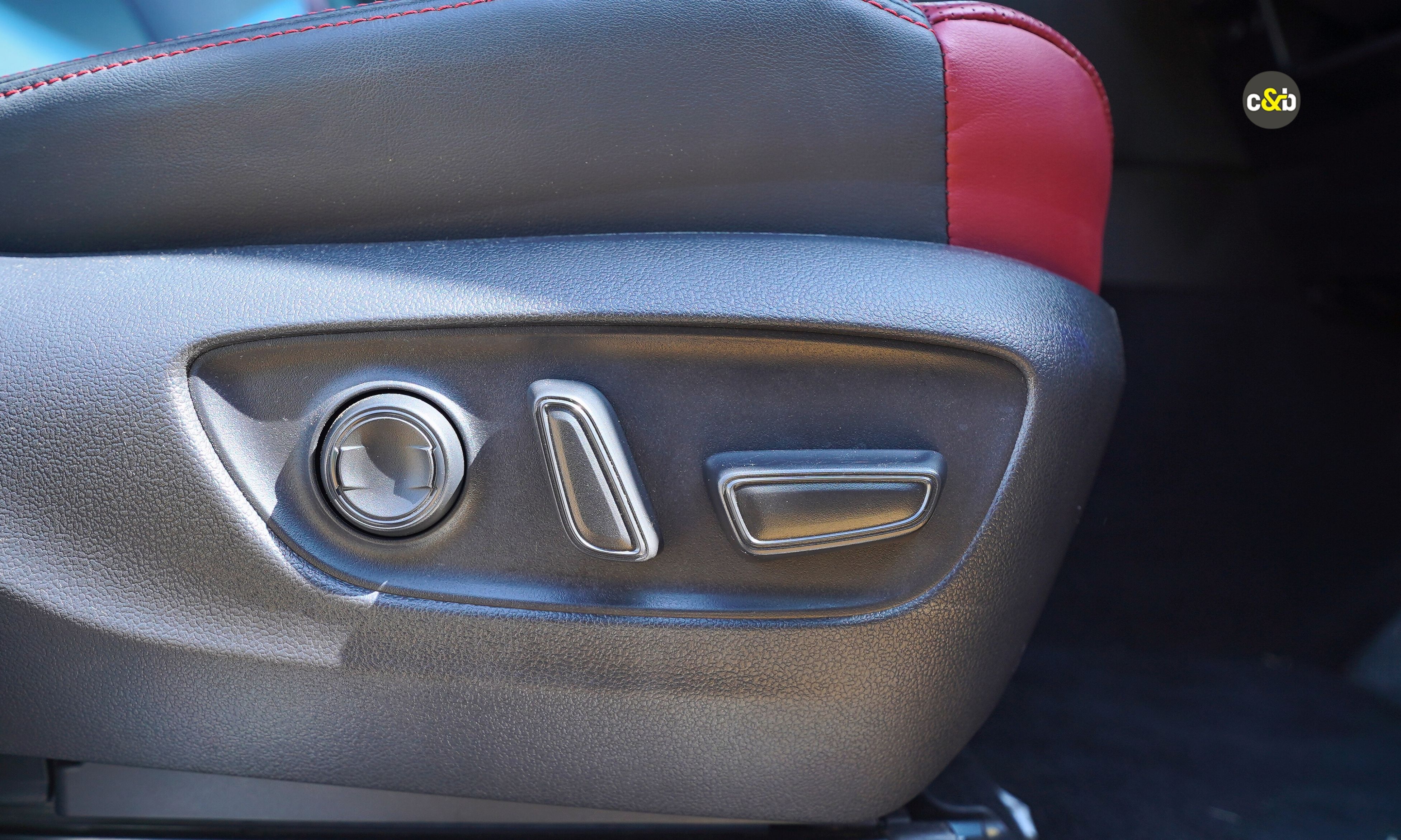
It also gets an eight-way power-adjustable driver’s seat, a wireless charger, an electronic parking brake, and a sunroof.
It gets adaptive variable suspension, a limited-slip differential, and systems such as traction control, hill-start assist, downhill assist, and a four-camera multi-terrain monitor.
In addition, the LC300 GR-S offers both front and rear electronic differential locks.
Both LC300 variants come with Toyota’s Level 2 ADAS package as standard.
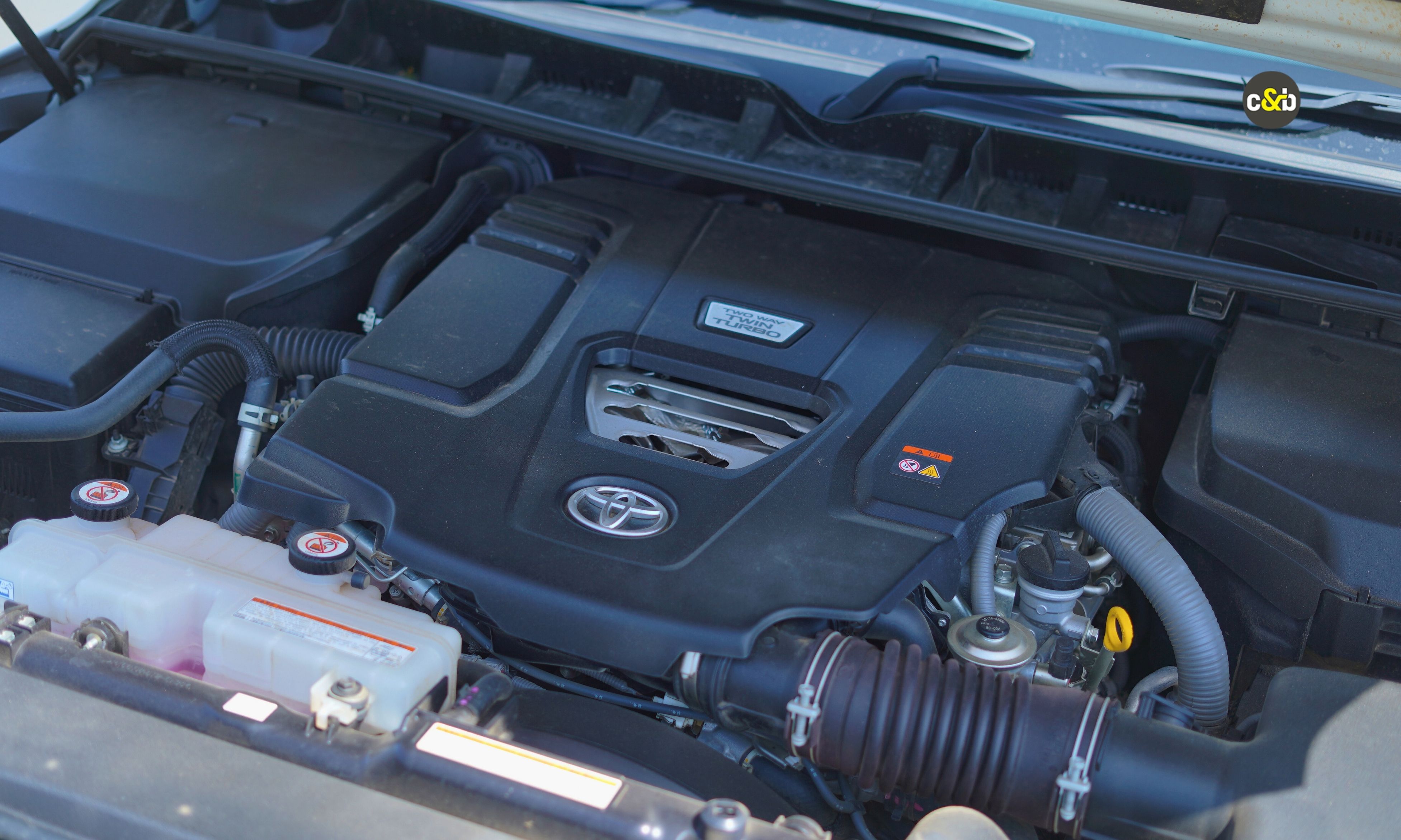
Under the hood, it runs a 3.3-litre twin-turbo V6 diesel engine producing 304 bhp and 700 Nm of torque.
This unit is paired with a 10-speed torque converter automatic gearbox that delivers power to all four wheels.
from carandbike - News https://ift.tt/7flQikY
via IFTTT
The fourth-gen Hyundai i20 has been spied testing in India for the first time, following the earlier sightings in Europe. The new i20 spy shots taken from the rear show that the overall silhouette is similar; however, its design is quite a departure from the current car.
The fresh round of spy shots only showcases the rear of the next-gen i20. The test mule features a tapered side profile and carries a more rounded shape overall. Although completely disguised, subtle updates such as revised tail-lights and a reworked rear bumper are also expected. Previous spy shots had already highlighted changes at the front, including new LED headlights with repositioned daytime running lamps, a redesigned grille and bumper, and a bonnet with sharper creases.
The interior remains under wraps, but upgrades in the feature set are expected. Hyundai may even introduce the curved display setup, combining a digital instrument cluster and infotainment screen, although in higher variants of the car. The hatchback may also get ADAS features, adding an extra layer of safety.
For India, the new i20 is expected to continue with the familiar powertrain lineup: a 1.2-litre petrol engine for standard trims and a 1.0-litre turbo-petrol reserved for the N Line variants.
The third-generation Hyundai i20 made its India debut in 2020 and has since received updates through facelifts and new variants. The most recent addition to the lineup is the i20 Knight Edition, which features a blacked-out exterior and interior along with a few extra features.
After Yamaha’s earlier price cut of Rs 1.10 lakh on the YZF-R3 and MT-03, the recent GST revision has led to another round of reductions. Prices for both motorcycles have come down by about Rs 20,000, making the parallel-twin duo more accessible to riders looking at entry-level options in this segment.
Model
Pre-GST 2.0 Price
Post-GST 2.0 Price
Difference
R3
₹3,59,900
₹3,39,028
-₹20,872
MT-03
₹3,49,900
₹3,29,608
-₹20,292
The YZF-R3, which was earlier priced at Rs 3.60 lakh, now comes in at Rs 3.39 lakh, making it Rs 20,872 more affordable. The MT-03 has also seen a similar cut, dropping from Rs 3.50 lakh to Rs 3.30 lakh, which is a reduction of Rs 20,292. With this revision, both motorcycles become a little more accessible to buyers while continuing unchanged in terms of design and specifications.
The R3 and MT-03 are both powered by the same 321 cc parallel-twin engine that is rated to produce 41.42 bhp and 29.5 Nm, mated to a 6-speed gearbox. Both motorcycles are equipped with USDs and a preload-adjustable monoshock setup and disc brakes with dual-channel ABS as standard.
Yamaha reintroduced the YZF-R3 and the MT-03 in naked form to the Indian market in 2023. At launch, the R3 was priced at Rs 4.65 lakh and the MT-03 at Rs 4.60 lakh, figures that were on the higher side. As mentioned earlier, Yamaha announced a price cut for both models in January 2025, making them relatively more affordable.
from carandbike - News https://ift.tt/o3CG4bK
via IFTTT
The Bureau of Energy Efficiency has issued new draft norms for the upcoming new Corporate Average Fuel Efficiency 3 (CAFE 3) regulations set to come into effect from 2027. The draft proposes new incentives for small cars, CNG vehicles, and flex-fuel vehicles, while also proposing the continuation of incentives for strong hybrid vehicles. The latest proposal also drops the mention of Hydrogen fuel cell electric vehicles (FCEVs), which originally found a mention in the 2024 draft.
Small petrol cars weighing under 909 kg unladen to get CO2 g/km computation benefits
Starting with hybrids, while the original draft from 2024 had suggested a reduction in incentives for CO2 calculations, the new draft retains the existing incentives under the CAFE 2 norms. While the original 2024 draft document proposed reducing the volume derogation factor on PHEVs from 2.5 to 2 and on strong hybrids from 2 to 1.2, the new draft norms maintains the levels from CAFE 2. The new draft also calls for further segregation for strong hybrids, with flex-fuel powered strong hybrids falling in the same category as PHEVs.
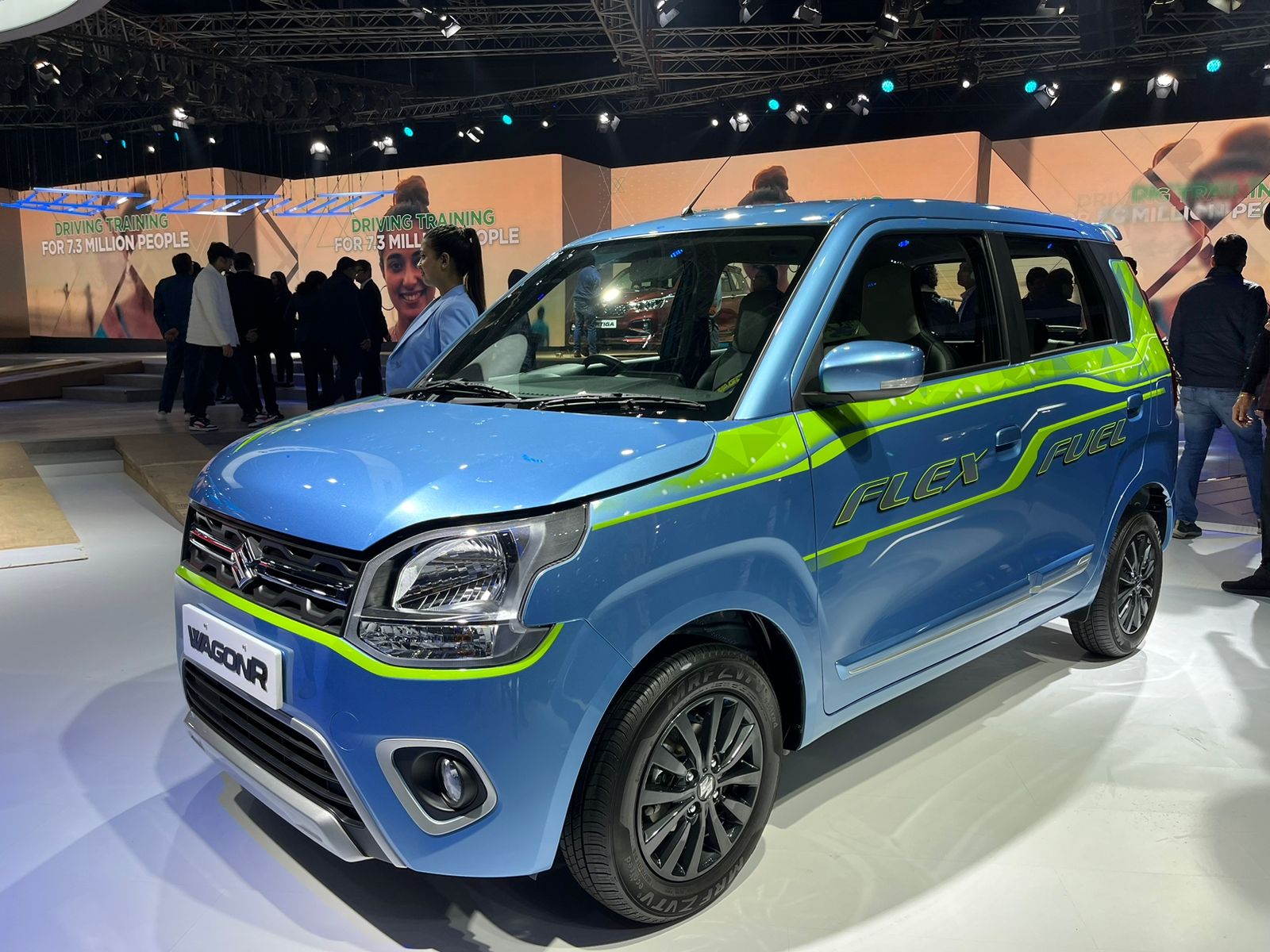
Furthermore, a new category for flex fuel vehicles has been created with a volume derogation factor of 1.5.
Strong hybrids to get CO2 set-off in line with current CAFE 2 regulations; flex fuel strong hybrids to also get carbon neutrality factor benefits.
A volume derogation factor is essentially a regulatory adjustment that allows for increased allowance for CO2 computation under the CAFE guidelines.
Additionally, the new draft also calls for the implementation of a carbon neutrality factor on certain vehicle categories. The carbon neutrality factor is essentially a discount on the manufacturer-declared CO2 levels of a motor vehicle. Petrol cars running on E20 to E30 grade petrol will get an up to eight per cent set-off while CNG vehicles will be offered a set-off of up to five per cent. Flex fuel vehicles - including flex-fuel powered strong hybrids, will attract a carbon neutrality factor of 22.3 per cent on CO2 tailpipe emissions.
Flex fuel vehicles to get the highest benefits under the proposed Carbon Neutrality Factor.
Furthermore, small petrol cars will be allowed ‘a further reduction of 3.0 g CO2/km’, subject to a cap of 9.0 g CO2/km, in their manufacturer-declared CO2 performance for CAFE computation. The document defines these as vehicles measuring under 4000 mm in length, having an engine capacity not exceeding 1,200 cc and having an unladed weight of up to 909 kg. This should be beneficial, particularly in the budget end of the mass market segments.
The document also states that from 2026, manufacturers will be required to compute g CO2/km of each vehicle based on the Mixed Indian Driving Cycle (MIDC) and Worldwide Harmonized Light Vehicles Test Procedure (WLTP)testing procedures. Manufacturers will also be required to report Fuel Consumption in litres per 100 km. The document also details the computation matrices for the varying calculations required.
from carandbike - News https://ift.tt/fJpGODE
via IFTTT
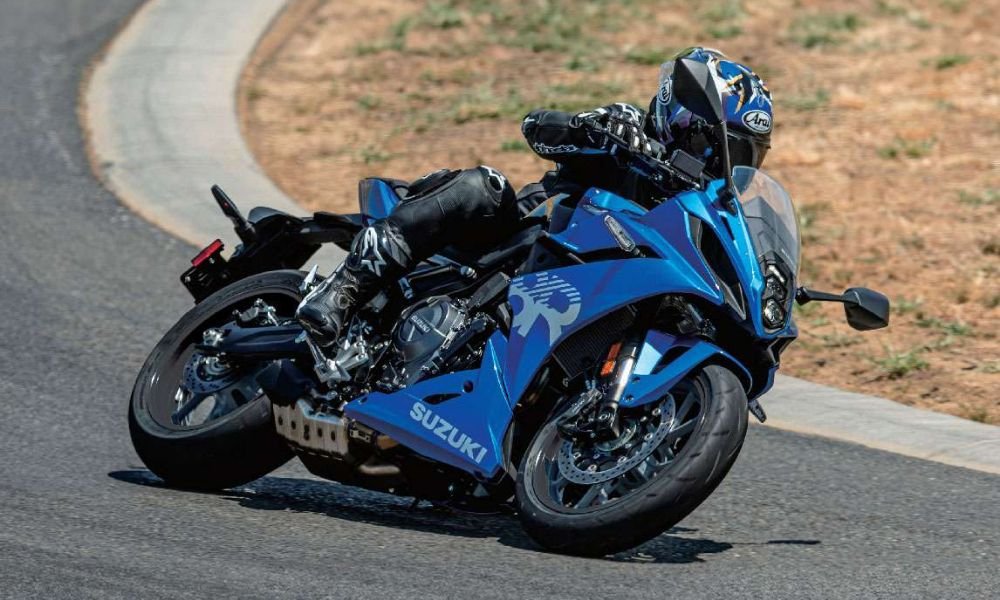
With the Katana now discontinued, Suzuki India’s big bike portfolio is down to three models: the Hayabusa, GSX-8R and the V-Strom 800 DE. All three fall under the higher GST slab for larger-capacity motorcycles and, as a result, now command a higher price tag than before. Here’s a breakdown of how much each model’s price has been revised.
Model
Pre-GST 2.0 Price
Post-GST 2.0 Price
Difference
GSX-8R
Rs 9,25,000
Rs 9,88,551
Rs 63,551
V-Strom 800 DE
Rs 10,30,000
Rs 11,00,763
Rs 70,763
Hayabusa
Rs 16,90,000
Rs 18,06,107
Rs 1,16,107
The GSX-8R earlier carried a price tag of Rs 9.25 lakh (ex-showroom), and post GST revision, it now costs Rs 9.88 lakh, which is an increase of Rs 63,551. The V-Strom 800 DE has also seen an upward revision from Rs 10.30 lakh to Rs 11.00 lakh, making it costlier by Rs 70,763. Meanwhile, the flagship Hayabusa has crossed the Rs 18 lakh mark, with its price rising from Rs 16.90 lakh to Rs 18.06 lakh, which is a difference of Rs 1.16 lakh.
All three of Suzuki’s big bikes were updated earlier this year, with changes limited to new colour schemes and compliance with the OBD-2B norms.
The GSX-8R draws power from a 776 cc, liquid-cooled, parallel-twin engine, which is the same motor that also does duty on the V-Strom 800 DE. It produces 82 bhp at 8,500 rpm and 78 Nm of torque at 6,800 rpm, paired with a six-speed gearbox. The Hayabusa, meanwhile, has a 1,340 cc liquid-cooled inline-four engine, punching out 187 bhp at 9,700 rpm and 150 Nm of peak torque at 7,000 rpm, also mated to a six-speed gearbox.
While the larger models have seen a rise in prices under GST 2.0, Suzuki’s sub-350 cc lineup, including both scooters and motorcycles, has moved in the opposite direction. These smaller models have become more affordable, with price cuts of up to Rs 18,024 as the company passes on the benefits of the revised tax rates to customers.
All prices mentioned are ex-showroom and vary from city to city.
from carandbike - News https://ift.tt/5E9G7jC
via IFTTT
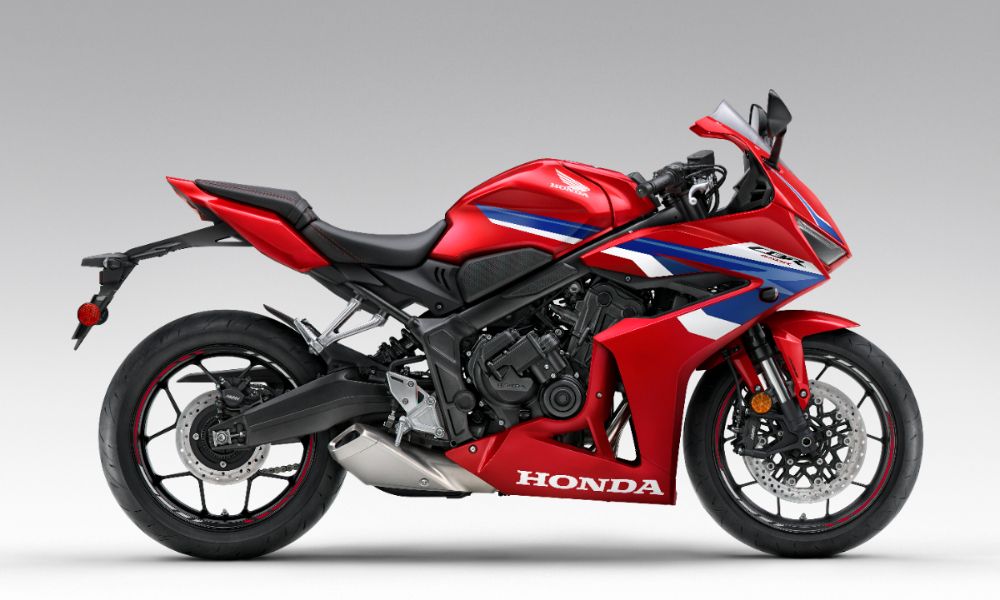
The updated GST structure has worked out in favour of entry-level cars and smaller two-wheelers, but it’s the big bike segment that ends up bearing the brunt of the changes. Honda’s sub-350cc offerings have gone cheaper; on the other hand, the BigWing range of larger motorcycles has been affected post-GST 2.0, and the 650 cc twins are no exception. Both the CB650R and the CBR650R now come with noticeably higher price tags.
Model
Pre-GST 2.0 Price
Post-GST 2.0 Price
Difference
CB650R
Rs 9,60,000
Rs 10,30,269
Rs 70,269
CBR650R
Rs 10,40,000
Rs 11,16,127
Rs 76,127
The CB650R is Honda’s neo-retro naked and was earlier priced at Rs 9.60 lakh (ex-showroom). It now costs Rs 10.30 lakh, which makes it dearer by Rs 70,269. Its fully faired sibling, the CBR650R, has climbed from Rs 10.40 lakh to Rs 11.16 lakh, becoming more expensive by Rs 76,127.
Honda reintroduced its popular 650 cc twins in India in January 2025. A few months later, updated versions of both bikes arrived with the company’s E-Clutch technology. Subsequently, the base versions were discontinued, and the CB650R and CBR650R are now offered only with the 6-speed E-Clutch system.
Powering both bikes is the same 649 cc, liquid-cooled, in-line four engine punching out 94 bhp at 12,000 rpm and 63 Nm of peak torque at 9,500 rpm.
Honda’s entry-level big bikes – the Rebel 500 and NX500 – have also become more expensive. The Rebel 500 has moved up from Rs 5.12 lakh to Rs 5.49 lakh, while the NX500 now costs Rs 6.33 lakh compared to its earlier Rs 5.90 lakh. That’s an increase of Rs 37,469 and Rs 43,180, respectively.
from carandbike - News https://ift.tt/mu6QJ4a
via IFTTT
After the government’s recent GST update, Honda’s bigger motorcycles sold through the BigWing network have taken a hit in prices. Entry-level models in the premium range, such as the Rebel 500 cruiser and the NX500 adventure tourer, have become more expensive, with prices hiked by as much as Rs 43,180.
The Rebel 500 is Honda’s mid-capacity cruiser, launched in India in May 2025. It now carries a sticker price of Rs 5.49 lakh (ex-showroom). That’s up from its earlier Rs 5.12 lakh tag, translating to a hike of Rs 37,469. The motorcycle is powered by a 471 cc liquid-cooled parallel-twin engine that makes 45.59 bhp and 43.3 Nm of torque, paired with a six-speed gearbox.
The NX500 adventure bike, which arrived in India in January 2024 as the replacement for the CB500X, has also seen a price jump. It now costs Rs 6.33 lakh, up from its earlier Rs 5.90 lakh, a difference of Rs 43,180. The motorcycle carries forward the same underpinnings and 471cc liquid-cooled parallel-twin engine from the CB500X, punching out 47 bhp at 8,600 rpm and 43 Nm at 6,500 rpm. The motor is paired with a six-speed gearbox.
The tax change hasn’t just affected the Rebel 500 and NX500; all of Honda’s larger-capacity motorcycles (above 350cc) now fall under the revised structure and have become more expensive. The GST Council has moved bikes above 350cc into a new 40 per cent slab, up from the earlier effective rate of about 31 per cent (including cess).
Smaller-capacity models, however, have become cheaper. Honda has passed on the full benefit of the revised rates to customers. With the GST on bikes under 350 cc reduced from 28 per cent to 18 per cent, ex-showroom prices for Honda two-wheelers in this category have gone down by up to Rs 18,887.
All prices mentioned are ex-showroom and vary from city to city.
from carandbike - News https://ift.tt/Vt1KFmI
via IFTTT