Winter mornings can be difficult for drivers, particularly when fog covers the roads. You might know the route well, but that doesn't help much when you can barely see the vehicle ahead. On highways, things can get worse quickly if someone brakes suddenly or changes lanes without warning.
One common mistake is switching on hazard lights and high beams, thinking they will help other drivers see your car. They can actually make things worse. Here's what you should do when driving through fog, from choosing the right lights to keeping your windscreen clear.
Should You Use Hazard Lights While Driving in Fog?
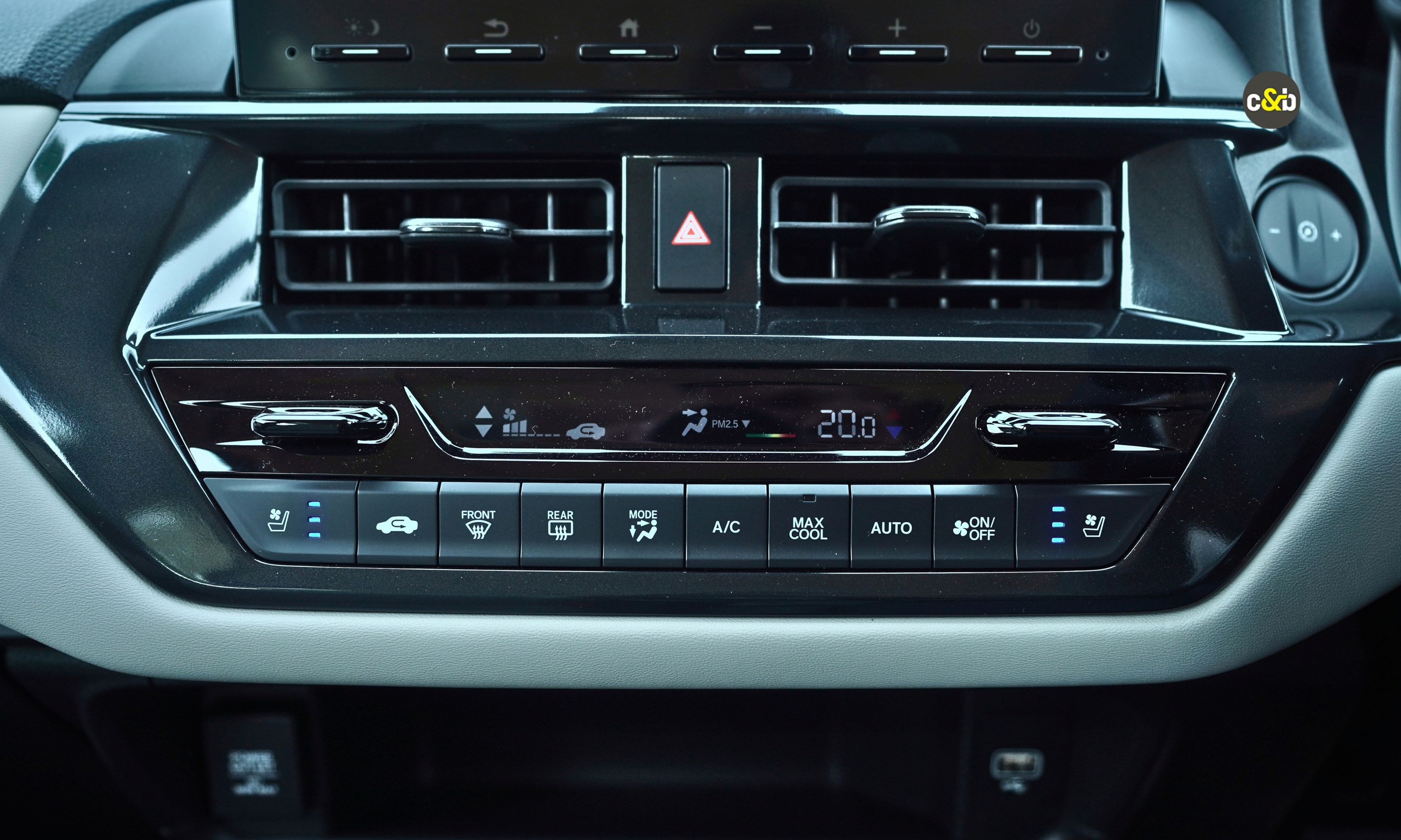
No. Hazard lights should not be used while your car is moving. They are meant to warn other drivers when your vehicle is stopped or has broken down.
When you drive with them on, the blinking lights can make it difficult for others to judge your movement. They may think your car is parked, and your indicators may not work normally when you need to change lanes or turn.
Use hazard lights only when you have pulled over safely or your car has broken down. If the fog becomes too thick to continue, find a safe place away from moving traffic and stop. Once parked, switch on the hazards to warn approaching vehicles.
Which Headlights Should You Use in Fog?
High beams might seem like a good idea when you cannot see far ahead, but avoid using them in fog. Their light reflects off the tiny water droplets in the air and creates glare. Instead of improving visibility, it can make the road look like a bright white patch.
Use these lights instead:
- Low-beam headlights: Keep these switched on when visibility starts dropping. They light up the road without creating as much glare.
- Front fog lamps: These sit lower on the bumper and spread light closer to the road. Use them when visibility is poor.
- Rear fog lamps: These help vehicles behind you spot your car in dense fog. Switch them off once visibility improves, as their bright light can bother drivers following you.
You don't need to wait until the fog gets very thick to switch on your low beams. If you are struggling to see the road clearly, turn them on.
How to Stop Your Windscreen from Fogging Up

Have you ever noticed your windscreen turning misty from the inside on a cold morning? This happens when warm, moist air inside the cabin comes into contact with the cold glass.
Wiping it with your hand might clear a small patch, but the mist often returns. Here's a better way to deal with it.
1. Switch on the Front Defogger
Use the front windscreen defogger to direct air towards the glass. It helps remove the moisture that builds up on the inside.
2. Turn on the AC
Yes, you can use the AC in winter too. It removes moisture from the air inside the cabin, which helps clear the windscreen faster. You don't have to set the temperature very low.
3. Use Fresh Air Mode
Avoid keeping the air circulation setting on for too long. It keeps the same moist air inside the cabin. Switch to fresh air mode to let outside air enter and reduce moisture build-up.
4. Use Your Wipers for Outside Moisture
If water droplets or a layer of moisture collect on the outside of the windscreen, use your wipers. Keep the washer fluid topped up so you can also remove dirt and grime when needed.
5. Clean the Glass Before You Leave
A windscreen covered in dust, fingerprints or oily marks can create more glare when headlights hit it. Clean the inside and outside of the glass before setting off. Don't forget the rear windscreen and side mirrors.
5 Things to Remember When Driving in Winter Fog
Even if your lights and windscreen are in good condition, you still need to be careful with your speed and distance from other vehicles.
1. Slow Down
Don't drive at your usual speed just because the road is empty. If you cannot see far ahead, reduce your speed so you have enough time to stop.
2. Leave More Space
Keep a bigger gap from the vehicle ahead. A four-second gap is a useful starting point, but increase it if the fog gets thicker. Tail lights can disappear quickly in dense fog, so don't drive too close.
3. Follow the Road Markings
When you cannot see the road clearly, use the white line along the left edge as a guide. It can help you stay in your lane, particularly on highways.
4. Avoid Sudden Braking and Lane Changes
Other drivers may not see your car until they are quite close. Brake gently, avoid unnecessary overtaking and don't make sudden turns.
5. Turn Off Cruise Control
Keep control of your speed. Fog conditions can change within a few metres, and you may need to slow down quickly. Cruise control is best avoided when visibility is poor.
If you can barely see the road ahead, don't keep driving just to reach your destination. Pull over at a safe location away from traffic and wait for visibility to improve.
What Should You Check Before Driving in Fog?
Before leaving on an early morning drive, take a minute to check these things:
| What to Check | Why It Matters |
| Headlights and fog lamps | Make sure they are working and clean |
| Tail lights and brake lights | Help other drivers spot your car |
| Windscreen and mirrors | Give you a clear view around the car |
| Wipers and washer fluid | Help remove water and dirt from the glass |
| AC and front defogger | Clear mist from inside the windscreen |
| Tyres | Check tread and pressure for proper grip |
A Few Simple Rules for Driving in Winter Fog
Foggy roads leave very little room for mistakes. Keep your low beams on, use fog lamps when needed and avoid high beams and hazard lights while moving. If your windscreen starts misting up, use the defogger and AC instead of wiping it while driving.
Most importantly, slow down and leave enough space between vehicles. If visibility becomes too poor, stop somewhere safe and wait. There's no point rushing through fog when you cannot see what's ahead.
from carandbike - News https://ift.tt/cKnAImb
via IFTTT

No comments:
Post a Comment