The Nissan Tekton is here and is dubbed the mini-Patrol. But effectively it is Nissan’s interpretation of the new-gen Renault Duster, which is steadily gaining a lot of popularity in the C-SUV segment. Like the Duster and Terrano of the yesteryears, the new Tekton and Duster share the same platform, engines and much of their equipment list. But Nissan has gone to considerable lengths to give the Tekton a distinct identity.
This means lending the two SUVs distinct personalities, allowing buyers a choice more prominent than just badge engineering.
Exterior
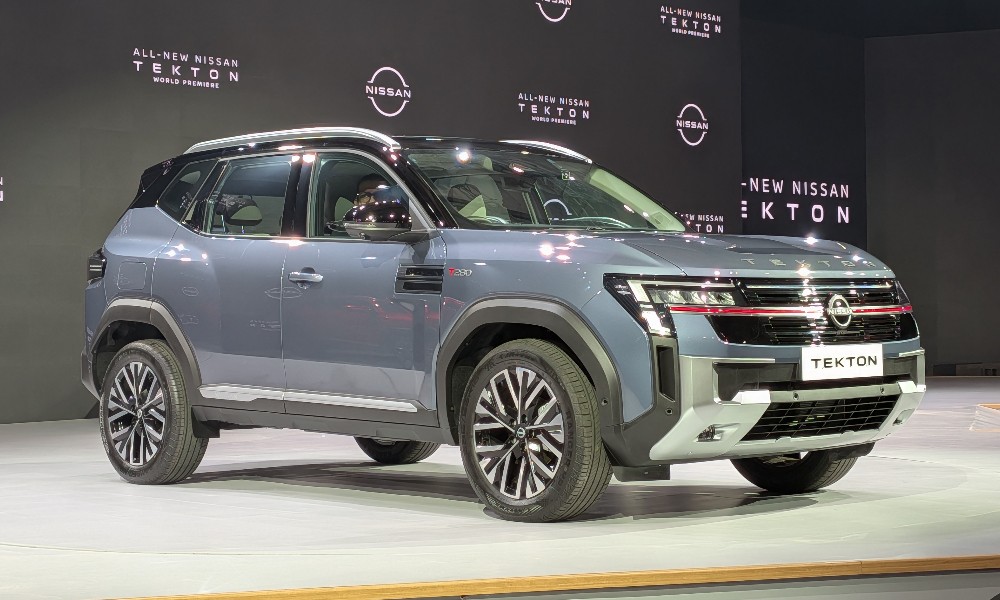
The new Duster stays true to its rugged roots while still offering a proper modern design. It has a bold grille, eyebrow-style LED DRLs and a chunky stance. The Tekton, meanwhile, draws inspiration from Nissan’s larger SUVs sold in international markets, especially the Patrol. It adopts a squarer front end with slimmer headlamps linked by a light bar and a prominent RED streak running across the face.
Also Read: Nissan Tekton Bags 5 Stars In Bharat NCAP Crash Tests
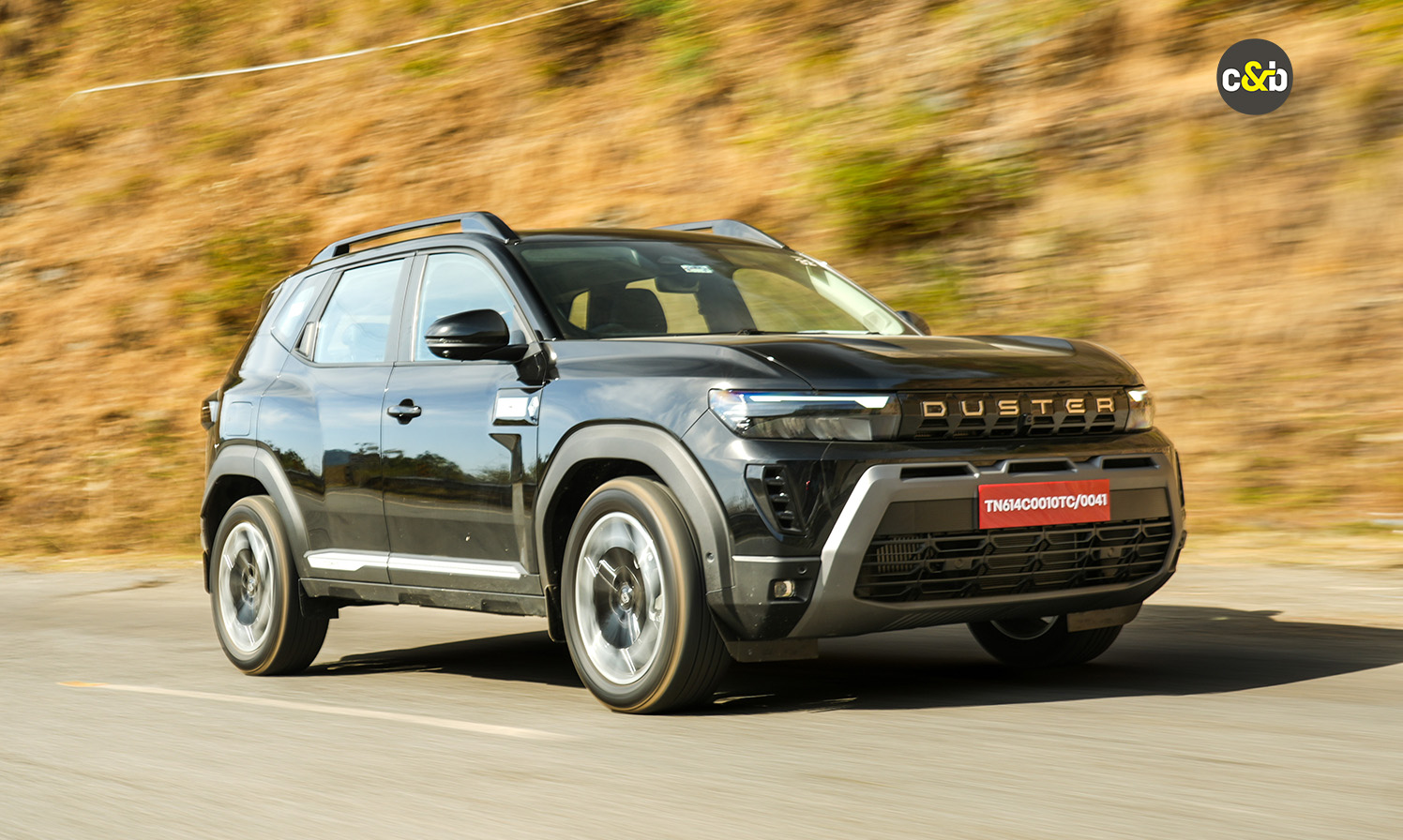
On the side, there are newly designed alloy wheels, different bumper treatments and a distinctive C-shaped tail-lamp signature (unlike the triangular ones seen on the Duster) at the back, further separating the Nissan from its French cousin. Park them side by side, and the family resemblance is obvious, but so is the effort Nissan has made to give the Tekton its own road presence.
Interior
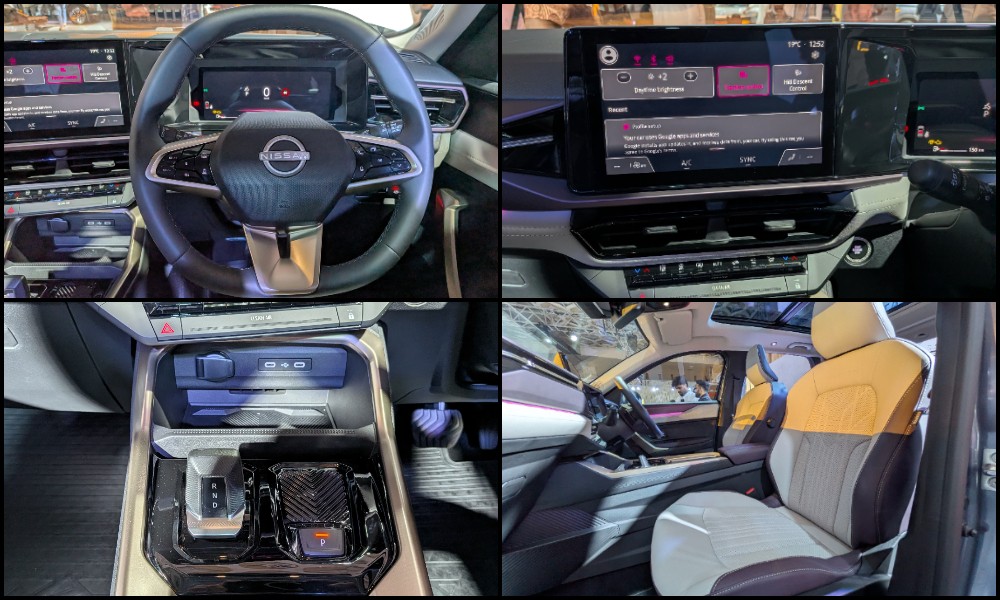
Step inside, and the similarities continue, yet there are a few differences. While the dashboard architecture and switchgear are largely common, the upholstery themes, trim finishes and decorative inserts differ in the two C-SUV rivals. Even the steering wheel used in the Tekton is different from the one used in the Nissan. The Tekton aims for a more premium feel with warmer colour combinations like beige and gold, along with metallic accents throughout. Meanwhile, the Duster retains a more utilitarian, adventure-ready theme with more black and green contrast.
Also Read: Nissan Tekton: In Pictures
Features and Safety
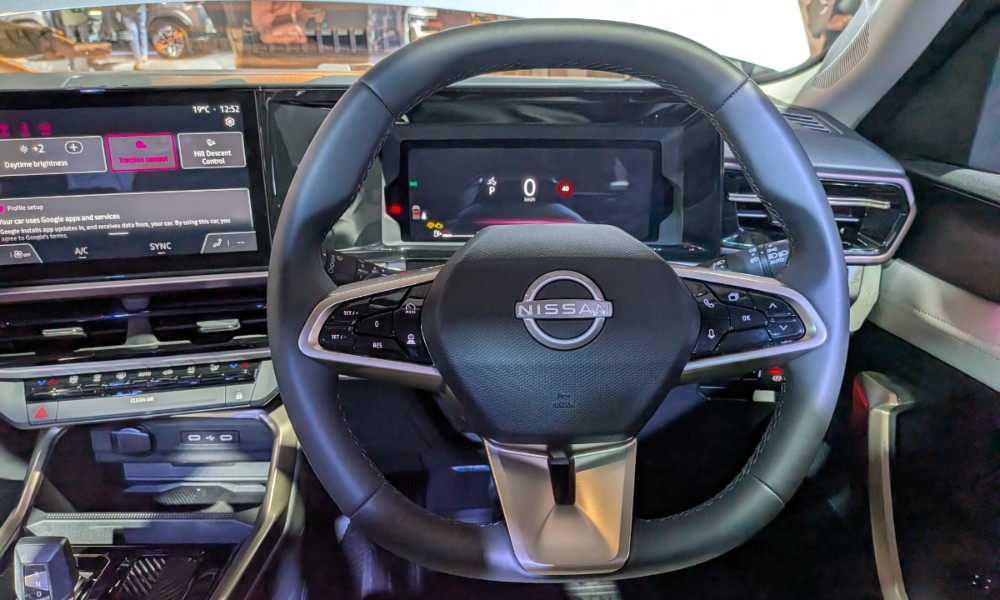
Renault took on the C-SUV segment head-on by offering lots of features. Similarly, the Tekton benefits from the same, Both SUVs are generously equipped, which includes a large digital driver’s display, tilted infotainment screen, a panoramic sunroof, ventilated front seats, wireless charging, a 360-degree camera and a comprehensive Level 2 ADAS. In terms of safety, apart from the Five Star BNCAP rating, you get multiple airbags, a 360-degree camera and advanced driver-assistance systems in both.
Powertrains
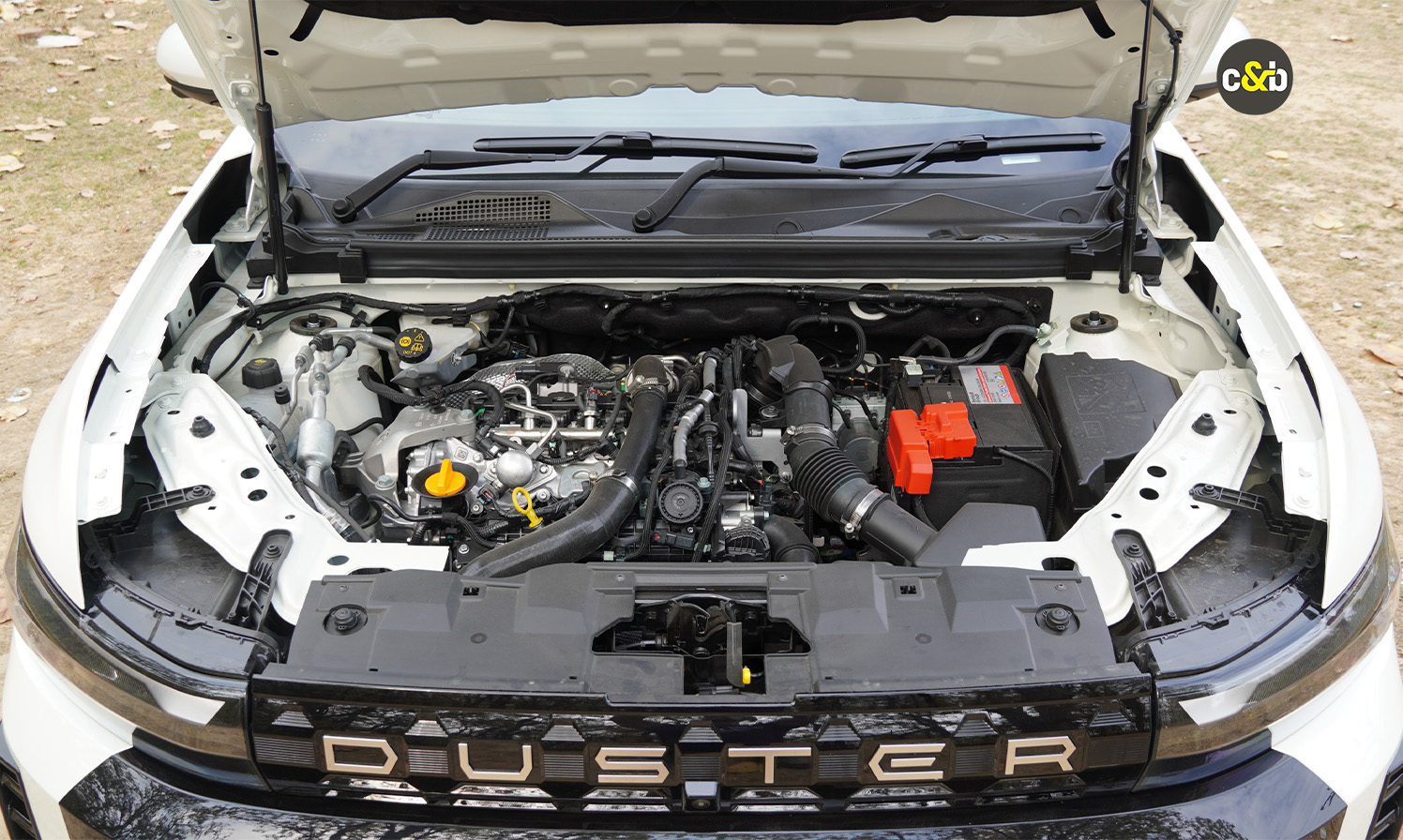
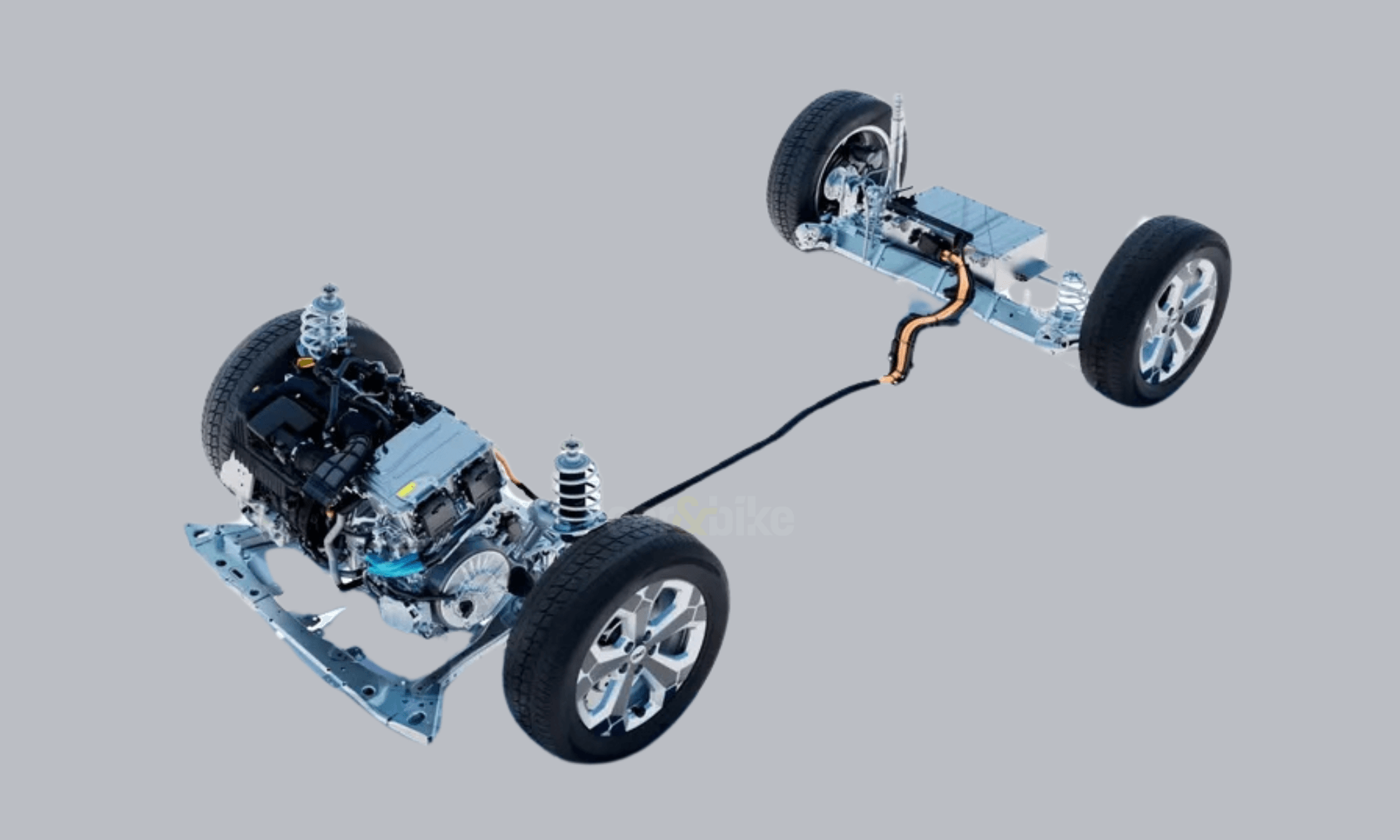
Under the bonnet, things remain the same for the Tekton as the Duster, with turbo-petrol engine choices paired with manual and dual-clutch automatic gearboxes. The key distinction is that the Duster is expected to gain a strong-hybrid option later this year, but this powertrain will be omitted in the Tekton, according to reports.
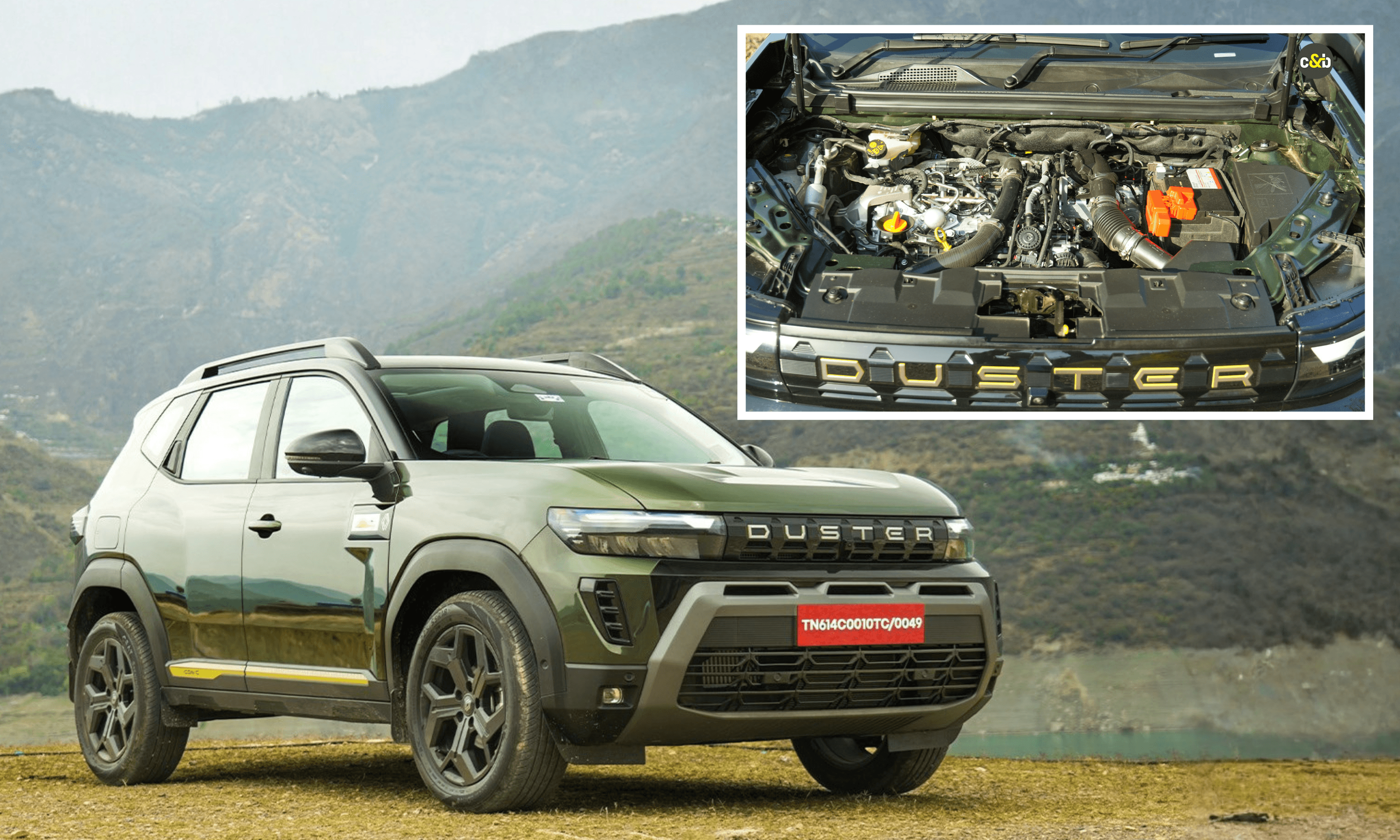
The Nissan Tekton is offered with two engine options – the 1.0-litre three-cylinder petrol producing 99bhp and 166Nm and is only available with a six-speed MT. The other is the 1.3-litre turbo petrol producing 160bhp and 280Nm, which can be had with a six-speed MT or a six-speed DCT. The claimed mileages for the two powertrains are 19.5kmpl for the 1.3 Turbo Manual and 18.5kmpl for the DCT, all similar to the Duster.
Also read: Nissan Gravite Prices Hiked By Up To Rs 18,000; Range Now Starts At Rs 5.73 Lakh
Conclusion
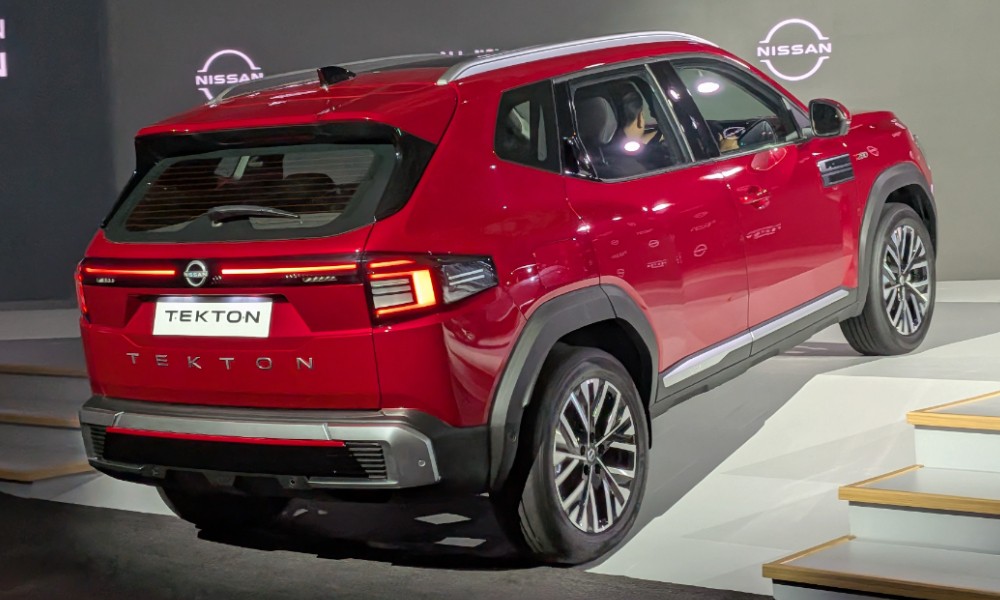
The Nissan Tekton and Renault Duster share the same underpinnings, but there are efforts put in to make the two SUVs differentiate from each other. We have seen this with the Kiger and the Magnite, where two cars being identical under the skin have different kinds of experiences. Over here, the Duster continues to be the rugged and practical SUV, while the Tekton aims at the premium appeal. The best part about the two is that the winner is the buyer, because whichever one they choose, they get a thoroughly modern midsize SUV with a well-sorted package.
from carandbike - News https://ift.tt/ip89SkR
via IFTTT

No comments:
Post a Comment