Welcome to Gulf News, your premier destination for comprehensive coverage and insights into the dynamic landscape of the Gulf region and beyond. As a trusted source of news and information, we pride ourselves on delivering timely updates, in-depth analysis, and compelling stories that resonate with our diverse audience.
From breaking news to in-depth features, business trends to cultural happenings, sports highlights to technological advancements, Gulf News covers it all with accuracy, integrit
Kia is all set to launch the Sorento in India today, September 4, 2026. The three-row SUV will sit at the top of the brand's Internal Combustion Range lineup in the Indian market. The Sorento is being built at Kia's manufacturing facility in Anantapur, Andhra Pradesh, where production commenced last month.
Bookings for the Sorento have been open with reservations kicking off from early August. In India, it will take on other three-row premium SUVs such as the Skoda Kodiaq and Volkswagen Tayron.
from carandbike - News https://ift.tt/lvrjTFe
via IFTTT
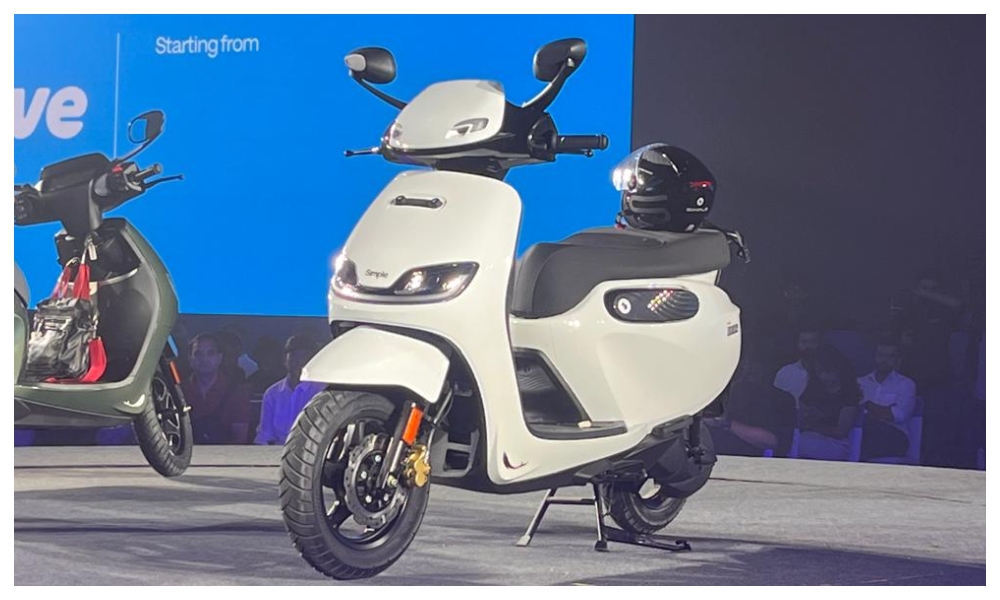
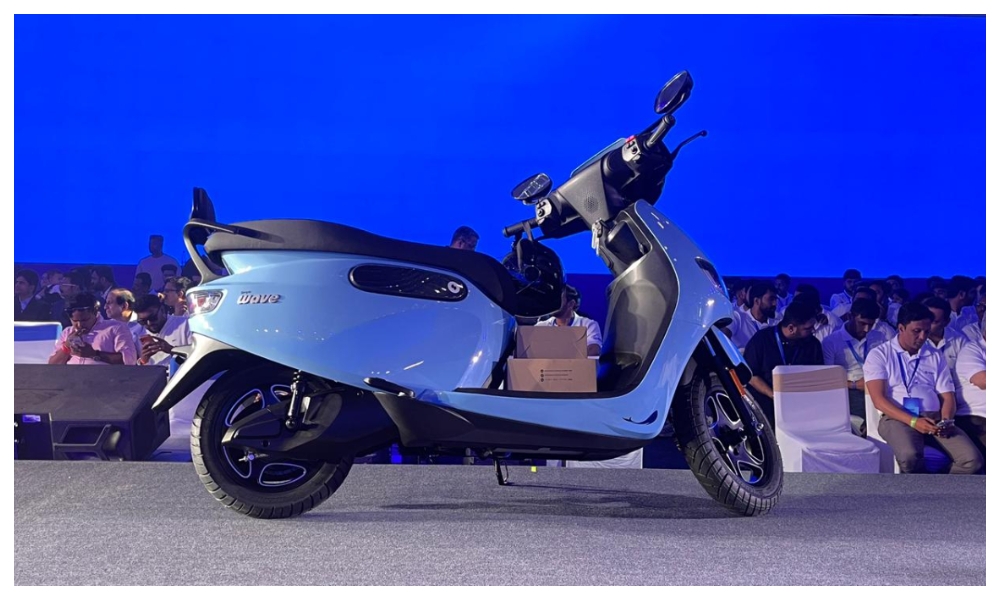
Simple Energy has announced the full price list for its new Wave electric scooter, with the range now stretching from Rs 1.10 lakh to Rs 1.90 lakh (ex-showroom). The company had revealed the starting price at launch, but has now detailed prices for all six variants.
The Wave is available in three trim levels: Wave S, Wave and Wave+, with four battery pack options spread across the range. Here's how the prices stack up:
Variant
Battery / Display
Price (ex-showroom)
Wave S
2.2 kWh
Rs 1.10 lakh
Wave S
2.7 kWh, LCD
Rs 1.40 lakh
Wave S
2.7 kWh, TFT
Rs 1.50 lakh
Wave
3.7 kWh, LCD
Rs 1.60 lakh
Wave
3.7 kWh, TFT
Rs 1.75 lakh
Wave+
5.0 kWh, TFT
Rs 1.90 lakh
At Rs 1.10 lakh, the entry-level Wave is Rs 10,000 more expensive than the Ather Konarc's Rs 1 lakh starting price. The gap gets considerably wider at the top, with the Rs 1.90 lakh Wave+ costing Rs 45,000 more than the Konarc's current Rs 1.45 lakh top-spec variant.
The Wave's six variants give buyers plenty of scope to choose between battery capacity and equipment. The range starts with a 2.2 kWh battery offering a claimed 110 km range, while the 2.7 kWh and 3.7 kWh versions are rated for 132 km and 171 km, respectively. The range-topping 5.0 kWh battery increases the claimed range to 243 km (IDC range figures).
The Wave's electric motor produces a peak 6.4kW, while top speed is rated at 90 kmph. The scooter gets three riding modes – Ride, Eco and ECOX – with Sport mode offered on the higher variants.
Simple says the scooter offers up to 70 litres of total storage, including a 63-litre underseat compartment, a 3-litre glovebox and a separate 4-litre auxiliary storage space built into the side panels. The latter is called Pill and comes at an additional cost.
The Wave sits on a tubular steel frame, telescopic front suspension and twin rear shock absorbers. It rides on 12-inch alloy wheels and gets a front disc brake and rear drum brake, with CBS as standard.
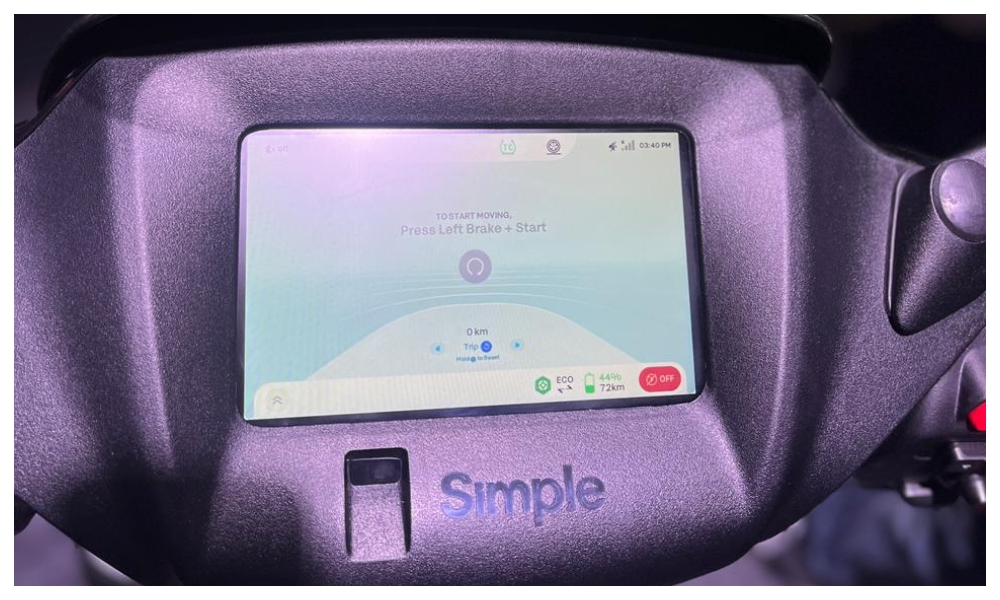
Depending on the variant, the Wave gets either a 7-inch TFT display or a 5-inch negative LCD unit. The TFT-equipped versions add Bluetooth connectivity, turn-by-turn navigation, GPS tracking, call and music controls, USB charging and OTA updates. Higher variants also get additional equipment such as traction control, regenerative braking, hill-hold assist, reverse and crawl modes, along with vehicle tracking. LED lighting is standard across the range.
Simple offers a portable 750W charger for the Wave and says 0-80 per cent takes about 2 hours 15 minutes.
from carandbike - News https://ift.tt/xG9vCyJ
via IFTTT
Simple Energy has expanded beyond its performance-focused electric scooters with the launch of the Simple Wave, its first family-oriented model. Designed specifically around everyday usage on the Indian motorist, the new electric scooter is offered in three variants and six configurations, with prices starting at Rs 1,09,999 introductory.
The Wave's biggest highlight is its focus on practicality. It offers up to 70 litres of storage, that includes a 63-litre under-seat compartment, a 3-litre glovebox and unique 4-litre auxiliary storage space in the side panels. The new side storage space is called Pill and according to the company, is an industry-first feature, adding useful extra space without requiring riders to open the main storage compartment.
Following table provides a spec-wise breakup of the variants and configurations:
Specs
Simple Wave+
Simple Wave TFT
Simple Wave EBN
Simple Wave S TFT
Simple Wave S EBN
Simple Wave S EBN
Battery
5 kWh
3.7 kWh
3.7 kWh
2.7 kWh
2.7 kWh
2.2 kWh
IDC Range
243
171
171
132
132
110
Motor Power (kWh)
6.4
6.4
6.4
6.4
6.4
4.5
Colours
6
6
6
4
4
2
The Wave uses a tubular steel frame with telescopic front suspension and twin rear shock absorbers. It rides on 12-inch alloy wheels and uses a front disc and rear drum brake setup with CBS. Interestingly, Simple Energy has opted for a chain-drive transmission across the range instead of the belt or direct-drive systems which are more commonly seen on electric scooters. The scooter comes with three ride modes Ride, Eco and ECOX, while higher variants add a Sport mode.
With a 775 mm seat height and 175 mm ground clearance, the scooter has been designed with typical Indian urban conditions in mind. Its battery and motor are also rated IP67 for protection against water and dust. Charging options include a portable 750W charger, while the range-topping Wave+ supports fast charging, with a claimed 0-80 per cent charging time of 2 hours 15 minutes.
Depending on the variant, the Wave gets either a 7-inch TFT display or a 5-inch EBN unit. The TFT-equipped versions offer Bluetooth connectivity, turn-by-turn navigation, GPS tracking, call and music controls, USB charging and OTA updates. Higher variants also add features such as traction control, regenerative braking, hill-hold assist, reverse and crawl modes and vehicle tracking. LED lighting is standard across the range.
Bookings for the Simple Wave are now open through Simple Energy's touchpoints, with deliveries scheduled to begin from the last week of September 2026.
from carandbike - News https://ift.tt/ql38ea0
via IFTTT
Bengaluru-based Simple Energy is set to launch the Wave, its first electric scooter aimed at the family scooter segment in India today. Unlike the Simple One and the Simple Ultra, which focus more on performance, the Wave is essentially for family-oriented buyers. The brand states that Wave has been developed around practicality, everyday usability and technology.
from carandbike - News https://ift.tt/D4rKZNi
via IFTTT
Mitsubishi Motors has taken the wraps off the new Pajero. It gets a 7-seater layout and sits on a ladder-frame chassis. The SUV is powered by a 2.4-litre diesel engine that produces 480 Nm of peak torque. Furthermore, for improved off-road capability, it is equipped with the brand’s S-AWC (Super All-Wheel Control) technology. The SUV will be manufactured in Thailand and will eventually be offered in the Japanese and Australian markets.
This is a developing story. Please stay tuned
from carandbike - News https://ift.tt/fAnWlGF
via IFTTT
India’s major carmakers had a strong August, with all manufacturers so far reporting year-on-year growth in sales. Mahindra and Tata Motors posted the sharpest gains, while Maruti Suzuki continued to lead the market by a wide margin.
Maruti Suzuki sold 2,19,220 units in August 2026, including 1,80,078 units in the domestic market, 5,298 units supplied to other OEMs and 33,844 units exported. The company also crossed the one-million-unit mark in total sales within the first five months of FY2026-27.
Its domestic passenger vehicle sales stood at 1,76,971 units, compared with 1,31,278 units in August 2025. For the April-August period, Maruti sold 8,98,402 passenger vehicles domestically, up from 6,62,626 units during the same period last year.
Mahindra recorded total auto sales of 1,07,648 units in August, including exports, registering a 42 per cent year-on-year increase. Its SUV range continued to be the main driver, with domestic sales rising 50 per cent to 59,257 units, compared with 39,399 units in August 2025.
Including exports, Mahindra sold 61,167 utility vehicles during the month. For the first five months of FY2026-27, domestic utility vehicle sales stood at 2,94,050 units, compared with 2,41,337 units in the corresponding period of FY2025-26, marking a 22 per cent increase.
Tata Motors Passenger Vehicles reported total domestic and international sales of 67,753 units in August 2026, up 56 per cent from 43,315 units in August last year. Domestic passenger vehicle sales, including EVs, rose 59 per cent to 65,253 units from 41,001 units.
Tata’s electric vehicle sales saw an even bigger jump. The company sold 16,549 EVs across domestic and international markets during August, compared with 8,540 units a year earlier, registering a 94 per cent increase.
Hyundai Motor India recorded total sales of 65,796 units in August, including exports, up 8.8 per cent year-on-year. Domestic sales accounted for 54,396 units, a 23.6 per cent increase over the same month last year.
Hyundai said the August domestic figure was its highest-ever for the month. The company’s domestic sales during the April-August period also grew 12.6 per cent year-on-year.
Kia India dispatched 29,042 units in August 2026, compared with 19,608 units in August 2025, registering a 48.1 per cent increase. The company described it as its best-ever August wholesale performance since entering the Indian market.
Kia’s year-to-date wholesales for 2026 stood at 2,20,991 units, compared with 1,83,882 units during the corresponding period last year, marking a 20.1 per cent increase.
from carandbike - News https://ift.tt/jixCgyP
via IFTTT
Bengaluru-based Simple Energy is set to launch the Wave, its first electric scooter aimed at the family scooter segment, tomorrow, September 2, 2026. The new model will sit below the Simple One in the company’s line-up.
Simple Energy has not revealed the full specifications yet, but says the Wave has been developed around practicality, everyday usability and technology. Unlike the Simple One and the Simple Ultra, which focus more on performance, the Wave is essentially for family-oriented buyers.
Simple Wave: All We Know So Far
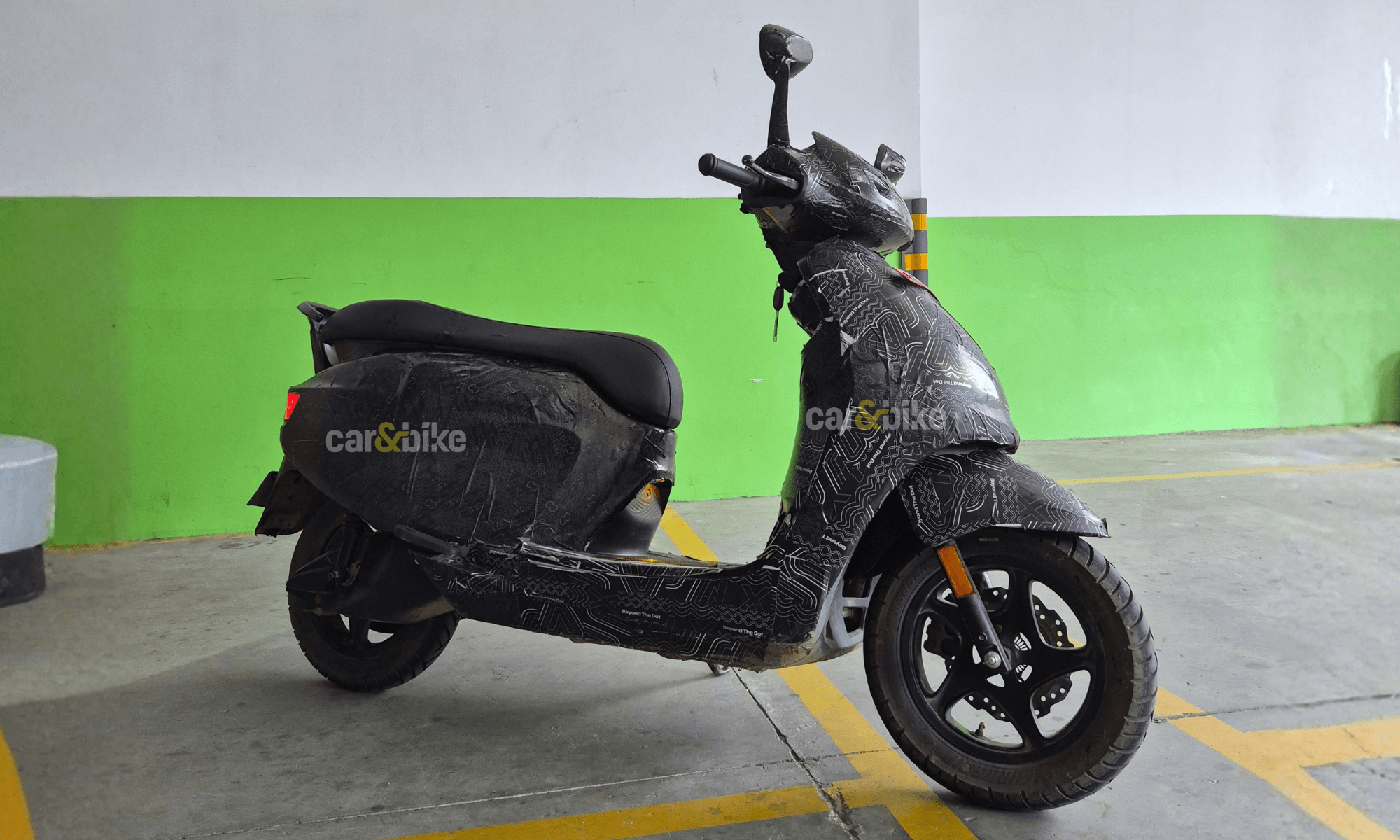
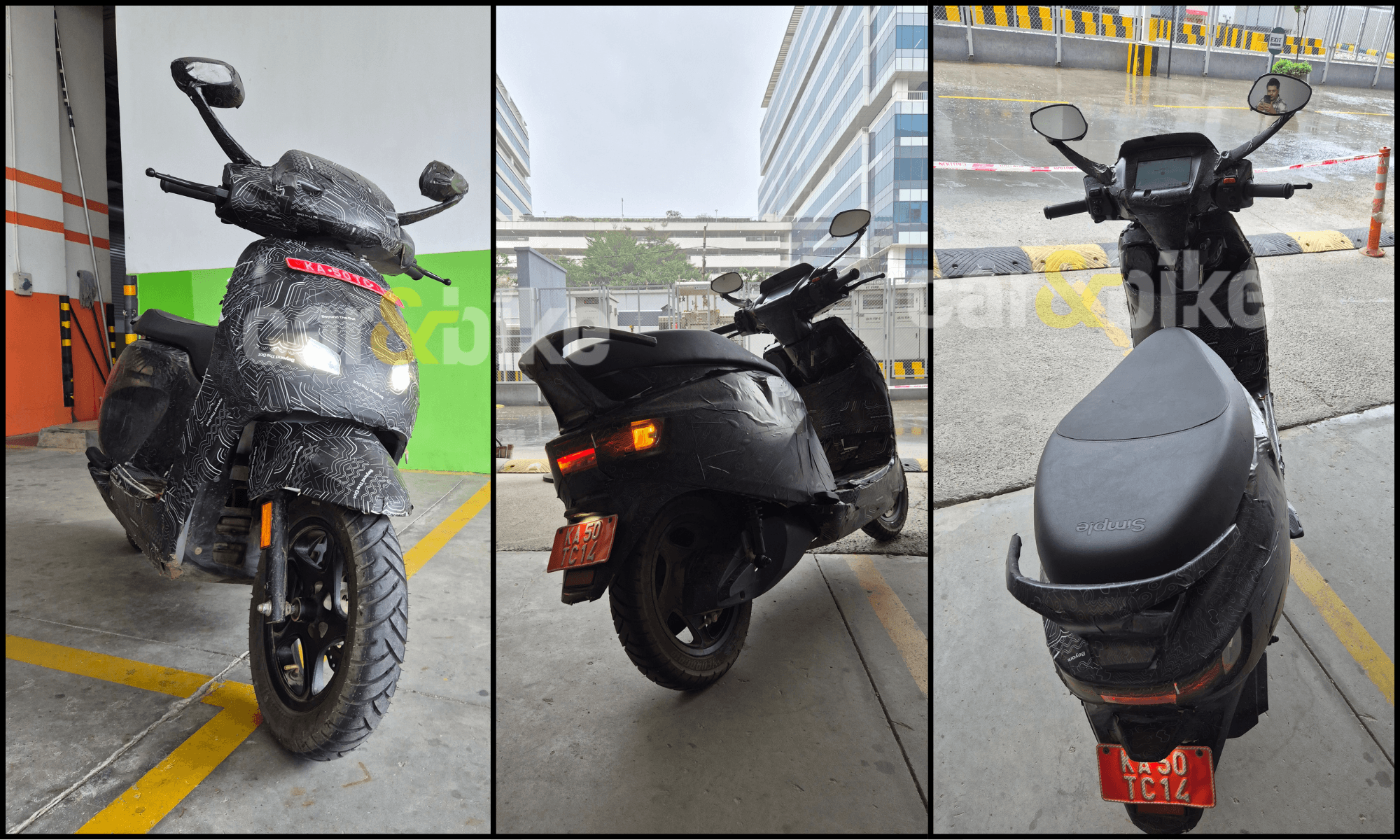
The company states that the Wave has been developed leveraging the experience and engineering from the Simple One, which means it shares the same underpinnings. Previous Spy shots of test scooters have already revealed some details, including a large single-piece seat, telescopic front suspension and twin shocks at the rear. A front disc and rear drum are expected to handle braking duties, while test mules have also been seen with a TFT instrument display.
The scooter is also expected to have a claimed range of around 180km; top speed could be 70 kmph, although Simple Energy is yet to confirm. Moreover, the charging port appears to be positioned on the front apron.
The Wave is expected to ride on 12-inch wheels at both ends. Simple Energy is yet to reveal the battery capacity or motor specifications, so details such as peak power, torque and performance will only be known tomorrow.
The brand is expected to announce the Wave’s variants, battery options, charging specifications and pricing at tomorrow’s launch. Once launched, the Wave will enter a crowded family-scooter segment, competing with the Ather Konarc, Ather Rizta, Bajaj Chetak and TVS iQube among others.
from carandbike - News https://ift.tt/p6gczNX
via IFTTT
The launch of the Kia Sorento is around the corner, but a video of the SUV arriving at a dealership has already surfaced online. The video shows the Sorento arriving at the dealership without camouflage, revealing its exterior and interior design elements. This is the most detailed video of the India-spec Sorento yet.
Kia Sorento: What To Expect
From the exterior, the SUV looks very similar to the model sold in international markets. It gets Kia's ice-cube LED projector headlights, stacked vertically on both sides.
Furthermore, it can be seen with LED fog lights integrated into the lower grille. Adding to the fascia is Kia’s iconic Tiger Nose grille, which is upright and gives the SUV a strong road presence.
Towards the side, it gets heavy body cladding and chrome garnish around the windows. It also gets roof rails, which further add to the rugged and sturdy look of the SUV. Moreover, it comes with diamond-cut 19-inch alloy wheels.
At the rear, it gets a small set of taillights, along with an additional stop light mounted on the spoiler. The lower portion of the rear continues with the body cladding, complemented by bold silver garnish.
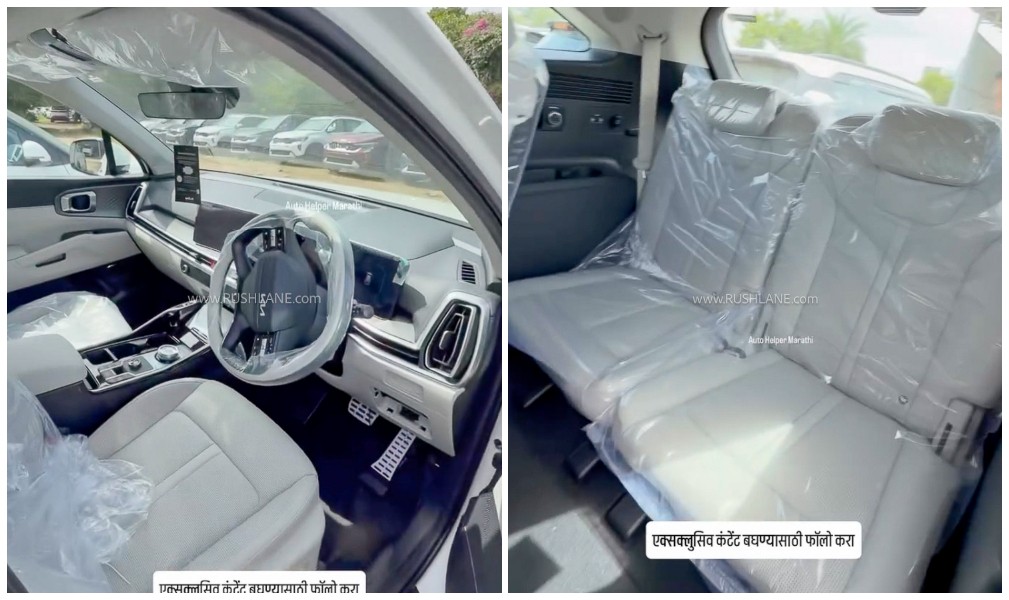
The interior is the main talking point. It gets a host of features and appears to be the second-top variant of the 7-seater version. It gets an all-white interior compared to the tan leather interior seen on the top-spec 6-seater variant that was spied earlier. The variant shown here gets a 60:40 split-folding second row.
Moreover, it gets a panoramic sunroof, a grey-and-white interior colour option, a dual-screen setup and retractable sunshades for second-row passengers.
In detail, the interior is equipped with several useful features, including a Bose audio system, ventilated front seats, a rotary driving selector and wireless charging. Paired with the dual-screen setup is a 360-degree camera system.
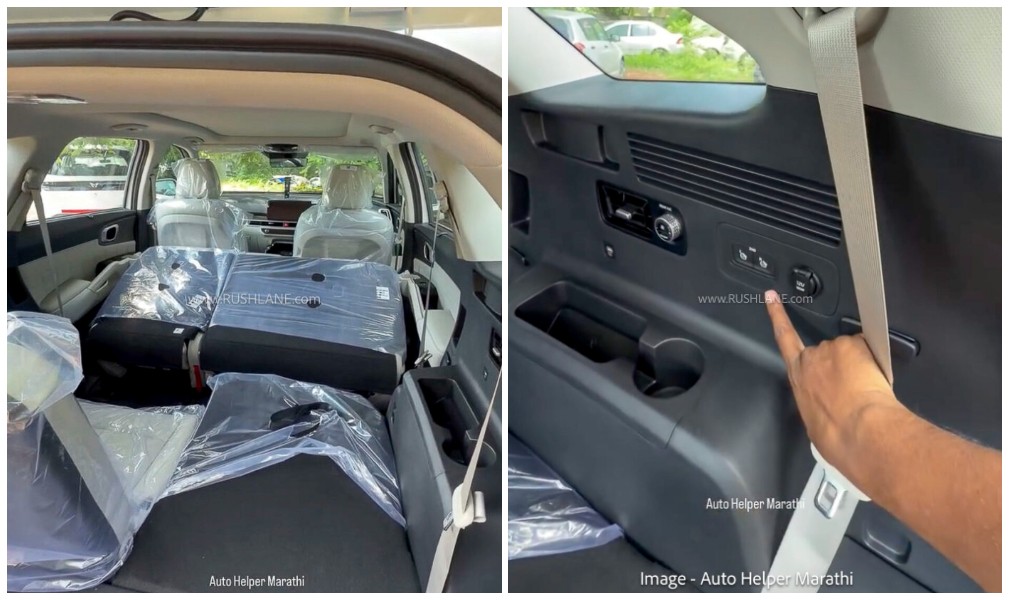
For the second and third rows, the SUV gets dedicated AC vents. For the second row, the AC vents are placed below the centre console, right ahead of the middle passenger. For the third row, we can see a 12V socket and Type-C charging ports. In the boot, it gets an electronic tailgate opener. Furthermore, it is expected to come equipped with ADAS.
On the powertrain front, the variant shown here gets an 8-speed DCT gearbox, which could be paired with the 2.2-litre diesel engine. This engine produces 200 bhp and 441 Nm of torque.
The upcoming model is also expected to come with a 1.6-litre hybrid petrol engine, which could be mated to a 6-speed automatic gearbox. This powertrain produces 240 bhp and 380 Nm of torque.
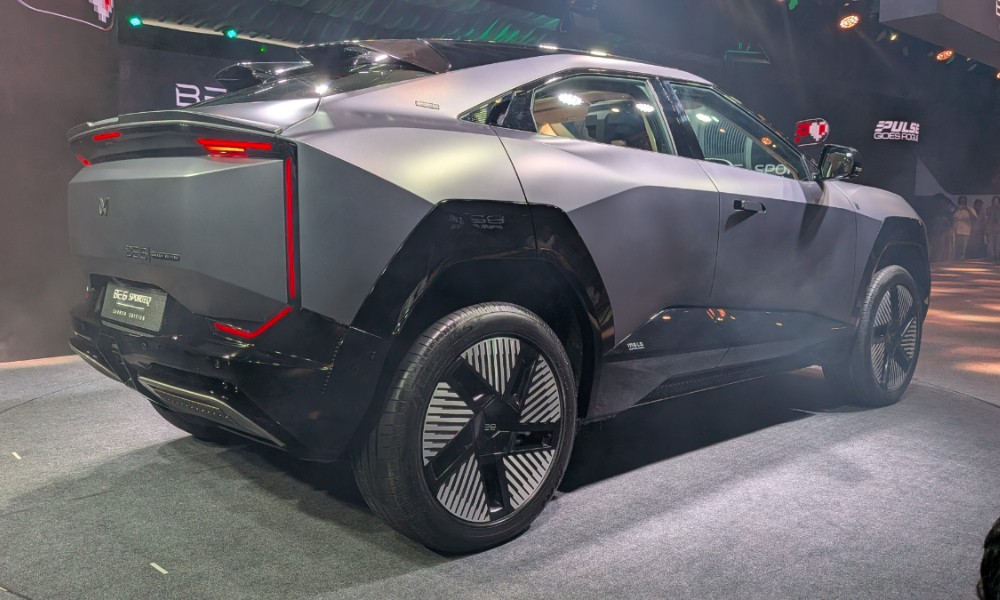
Mahindra has expanded its Battery-as-a-Service (BaaS) programme to the XEV 9S and XEV 9e, bringing down the upfront price of its two electric SUVs The scheme was recently introduced by the brand with the recently launched BE 6 Sporteq and has now expanded to the carmaker's entire electric SUV lineup.
Under the BaaS model, buyers pay separately for the vehicle and its battery. This means the battery cost is removed from the initial vehicle price, while customers pay an effective usage fee of Rs 3.75 per kilometre for the battery.
XEV 9S Variants
Battery
BaaS price
One Above
59kWh
Rs 12.65 lakh
One Above
79kWh
Rs 12.65 lakh
Two Above
70kWh
Rs 16.05 lakh
Two Above
79kWh
Rs 15.95 lakh
Three
79kWh
Rs 17.85 lakh
Three Above
79kWh
Rs 19.95 lakh
With this, the XEV 9S starts at Rs 12.65 lakh under BaaS, compared with Rs 20.65 lakh for the SUV’s full purchase price. This saves Rs 8 lakh on the upfront cost at the entry-level.
XEV 9e Variants
Battery
BaaS price
One
59kWh
Rs 13.90 lakh
Two
79kWh
Rs 16.50 lakh
Three Cineluxe
79kWh
Rs 19.35 lakh
Three
79kWh
Rs 20.50 lakh
The XEV 9e, meanwhile, starts at Rs 13.90 lakh with BaaS, down from its starting price of Rs 21.90 lakh. Here too, buyers opting for the BaaS scheme can save Rs 8 lakh on the upfront cost. All prices are ex-showroom, with the regular XEV 9S and XEV 9e prices mentioned without the charger.
The BaaS programme was initially introduced with the BE 6 Sporteq, where Mahindra says the response from customers encouraged it to extend the scheme to the rest of its Electric models. Under the programme, the BE 6 Sporteq can be bought for Rs 11.45 lakh, with the battery charged at an effective usage cost of Rs 3.75 per kilometre.
JSW MG Motor India was the first manufacturer in India to introduce this model with the Windsor, after which Tata Motors, Maruti Suzuki, Kia and Hyundai, among others, have also introduced similar schemes.
from carandbike - News https://ift.tt/h4esnw7
via IFTTT
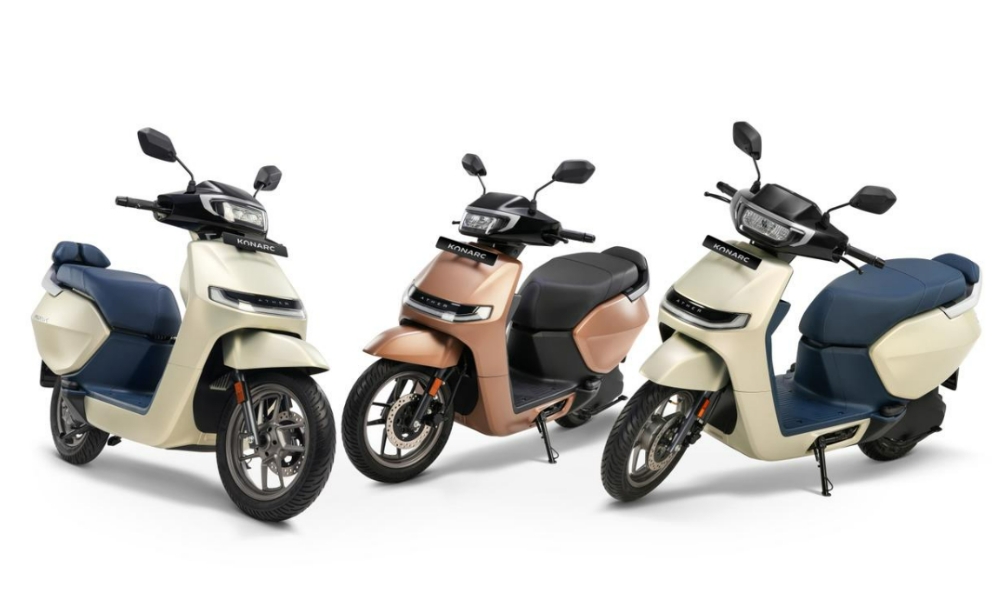
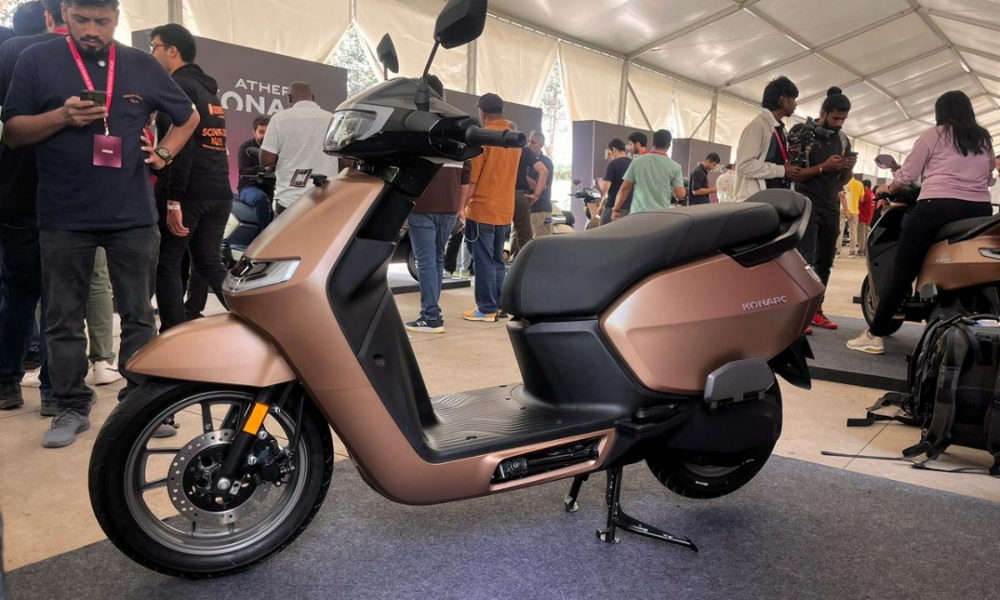
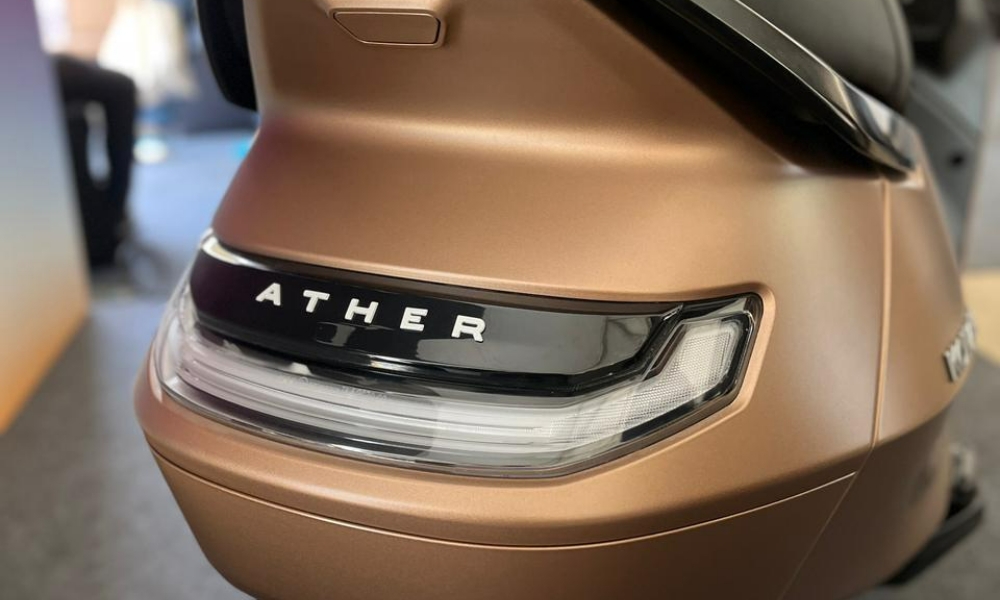
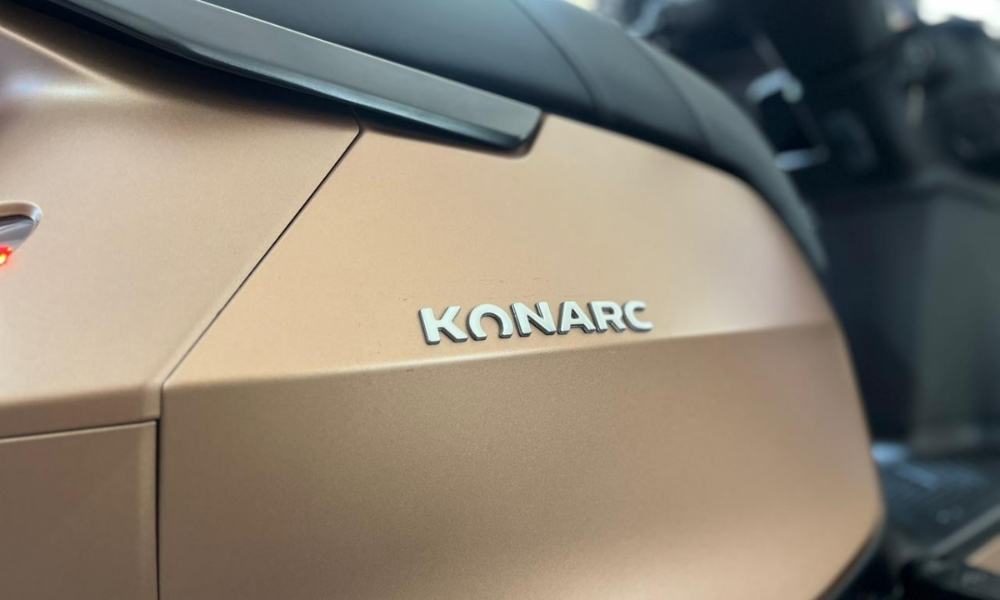
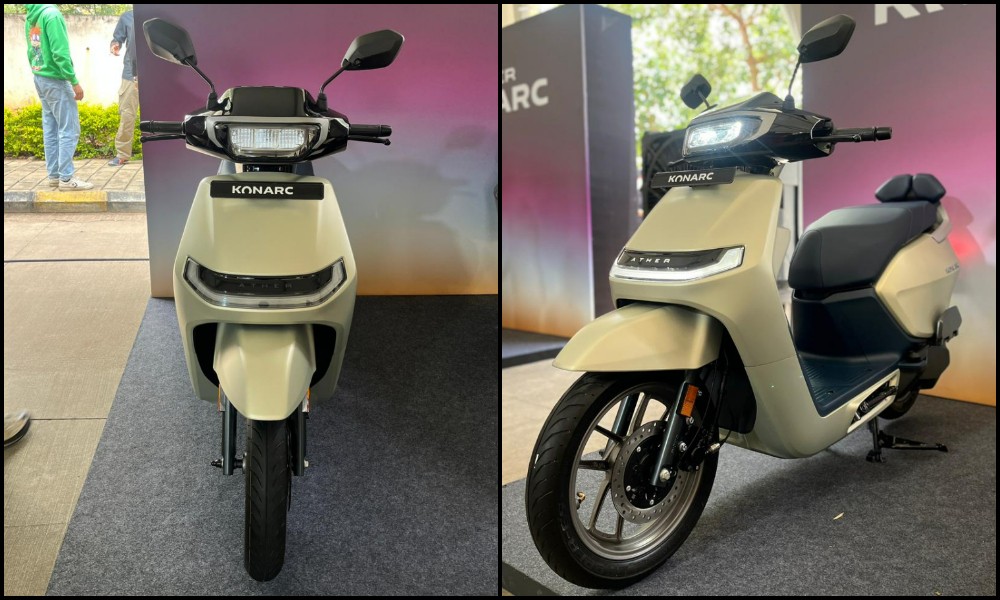
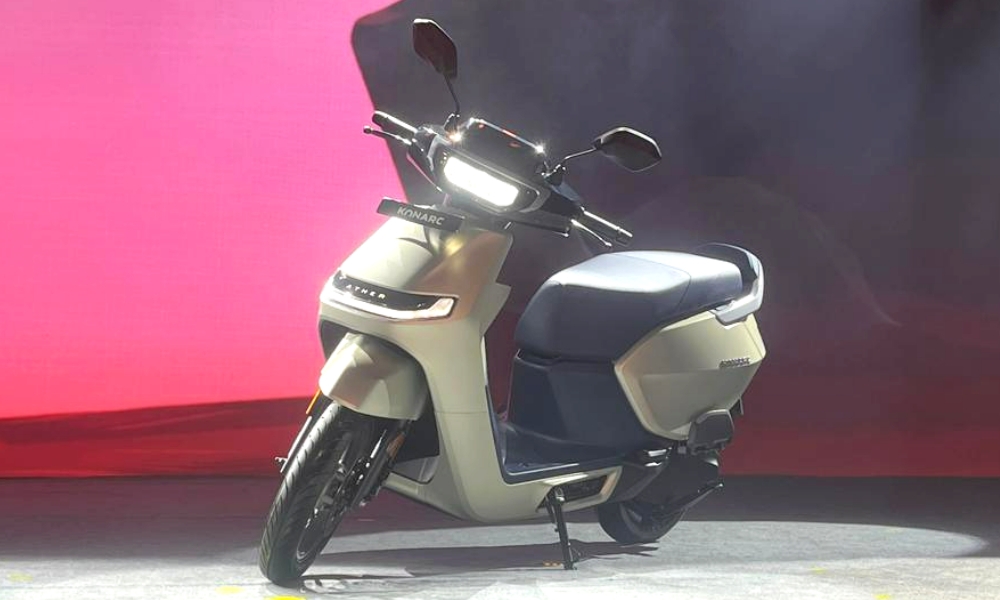
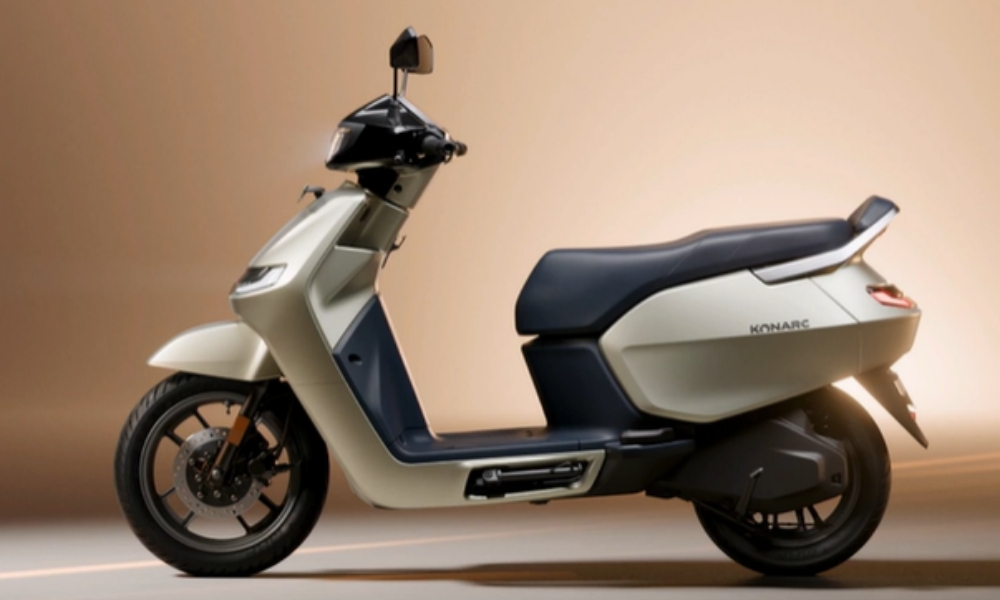
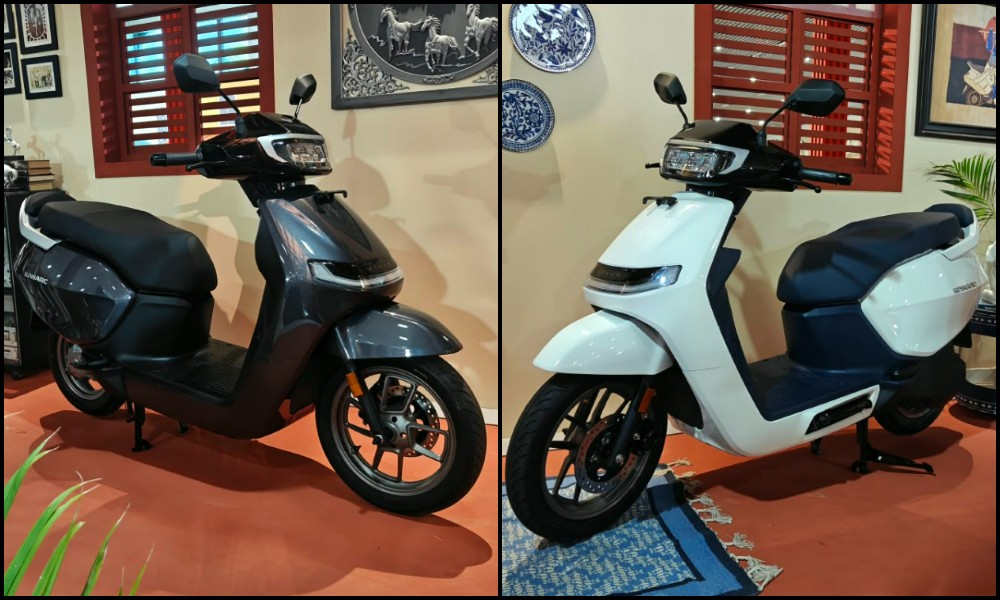
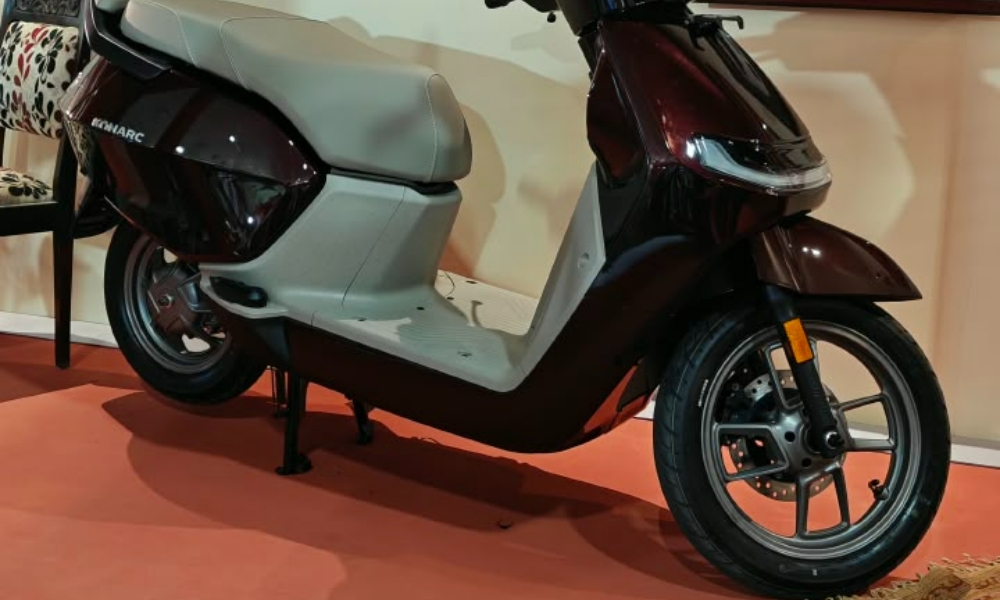
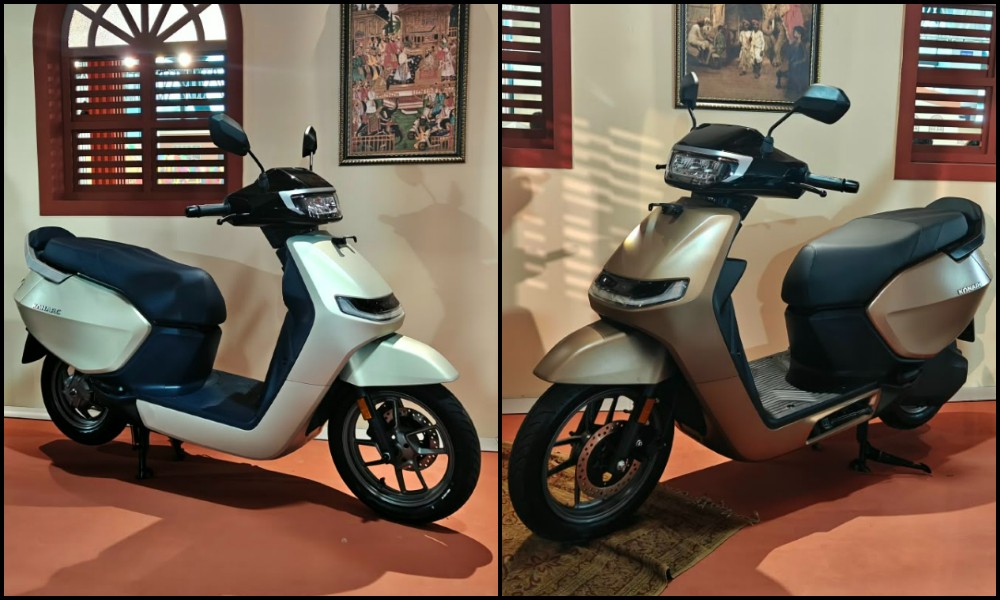
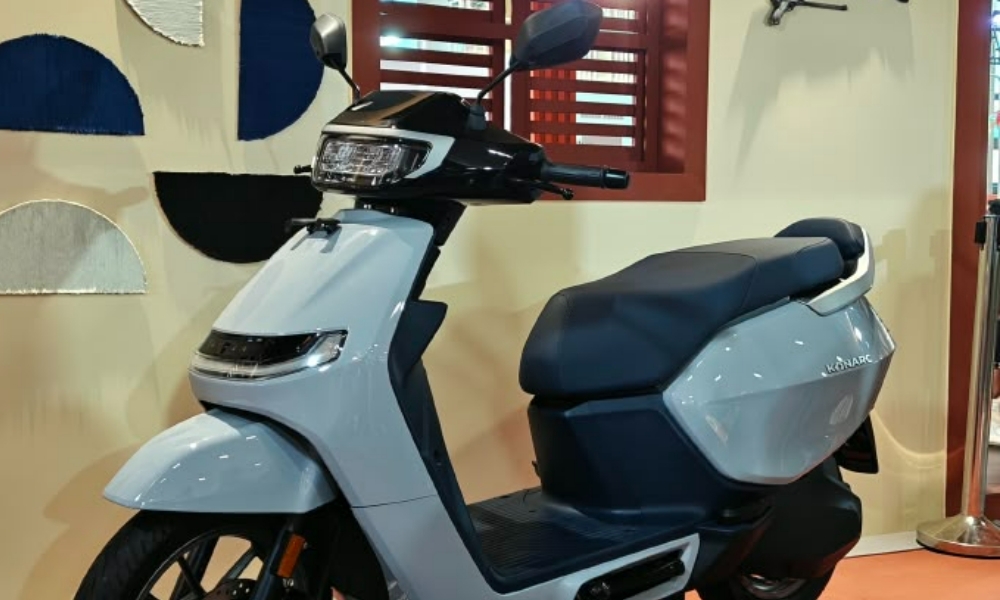
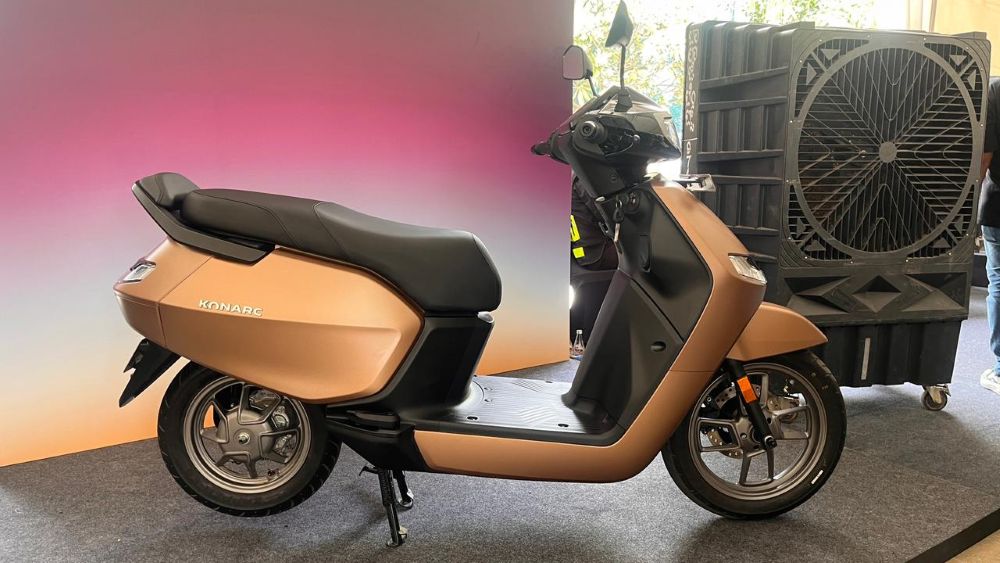
At the fourth Edition of its Community Day event, Ather Energy has launched the Konarc, the first scooter based on its new EL platform. Prices start at Rs 1 lakh (ex-showroom). The Konarc is offered in versions – S 100, S 125 and S 161 – with the numbers indicating their respective IDC range figures. A 200km range version is also planned for Q3 2027. Deliveries of the S variants are slated to begin from September 21, 2026, while the Z trim is expected to arrive in Q2 2027.
Ather has announced prices for three versions of the Konarc: S 100 (Rs 1 lakh), S 125 (Rs 1.22 lakh) and S 161 (Rs 1.45 lakh). These variants differ in battery capacity, range, performance and equipment.
The entry-level Konarc S 100 gets a 2.1 kWh battery, while the S 125 and S 161 get larger 2.7 kWh and 3.5 kWh battery packs, respectively.
In terms of claimed IDC range, the three variants are rated at 100km, 125km and 161km, while Ather’s True Range figures stand at 80km, 100km and 130km respectively.
All three variants have a 70 kmph top speed, although the S 100 takes five seconds from 0-40 kph, compared with 4.7 seconds for the larger versions.
The S 100 produces 4 kW and 16 Nm, while the S 125 and S 161 develop 4.7 kW and 16 Nm, with all three using PMSM motors.
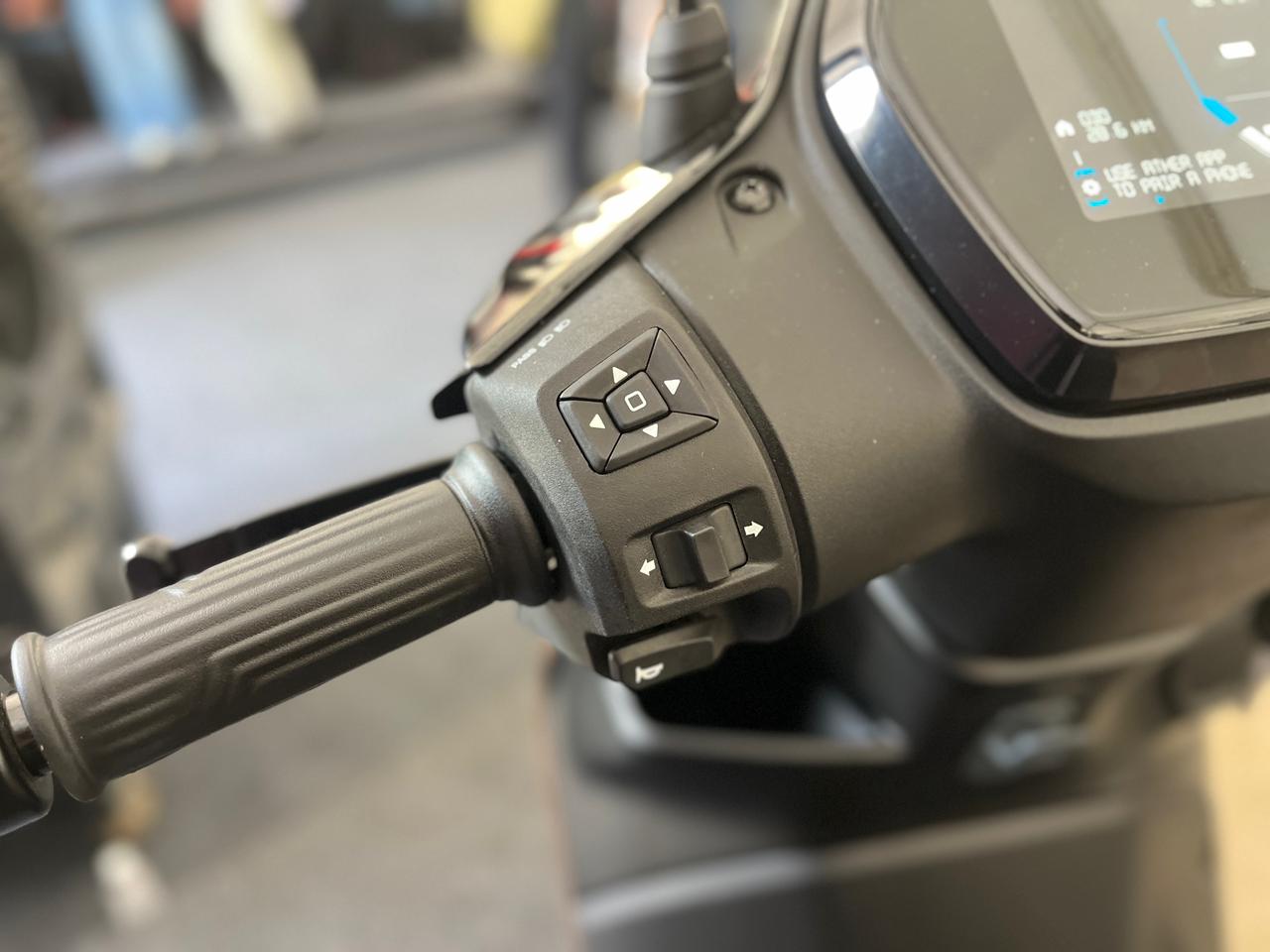
Ather has equipped all three variants with SmartEco, Eco and Power ride modes.
The standard 450W onboard charger takes four hours to charge the S 100 from 0-80 per cent, while the S 125 and S 161 require 4.5 hours and 5.67 hours respectively.
A combined charger is available as an add-on for the S 100 and S 125, while the faster charging hardware comes fitted as standard on the S 161.
With the combined charger, the claimed 0-80 per cent home-charging time drops to two hours for the S 100, 2 hours 25 minutes for the S 125 and 3 hours 10 minutes for the S 161.
The S 100 can add 13km through Ather Grid in 10 minutes, while the S 125 and S 161 can recover approximately 15km during the same period. Ather Grid access is offered as an add-on on the S 100, while it comes included with the S 125 and S 161 variants.
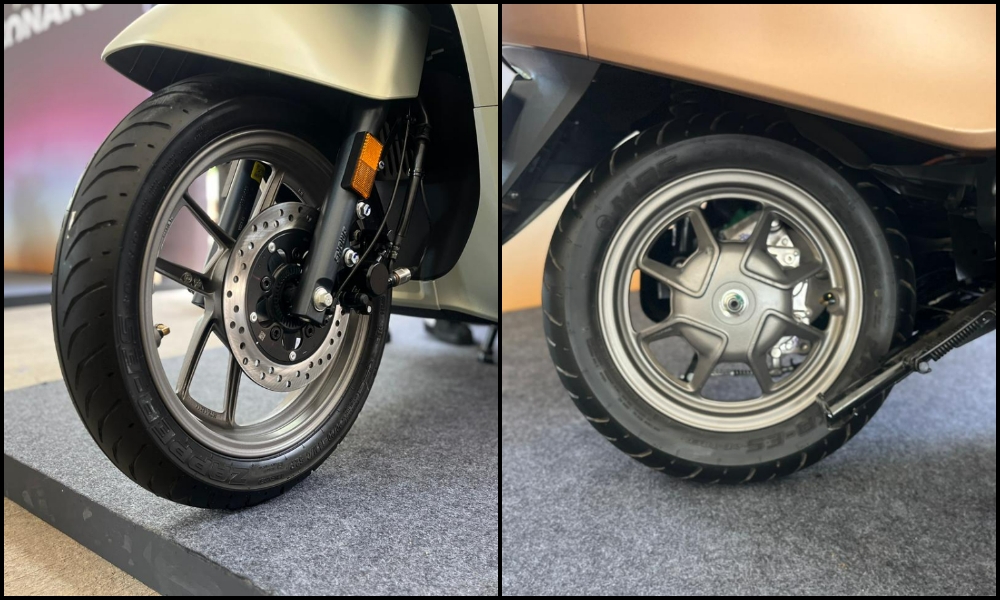
The three Konarc versions get 14-inch front and 12-inch rear alloy wheels, with identical 90/90-14 front and 100/90-12 rear tyre sizes across the range. The S 100 gets drum brakes at both ends, while the S 125 and S 161 get a 220mm front disc, paired with a 130mm rear drum.
All three versions feature long-travel suspension, with 90mm of front travel and 100mm at the rear, along with a steel unibody chassis.
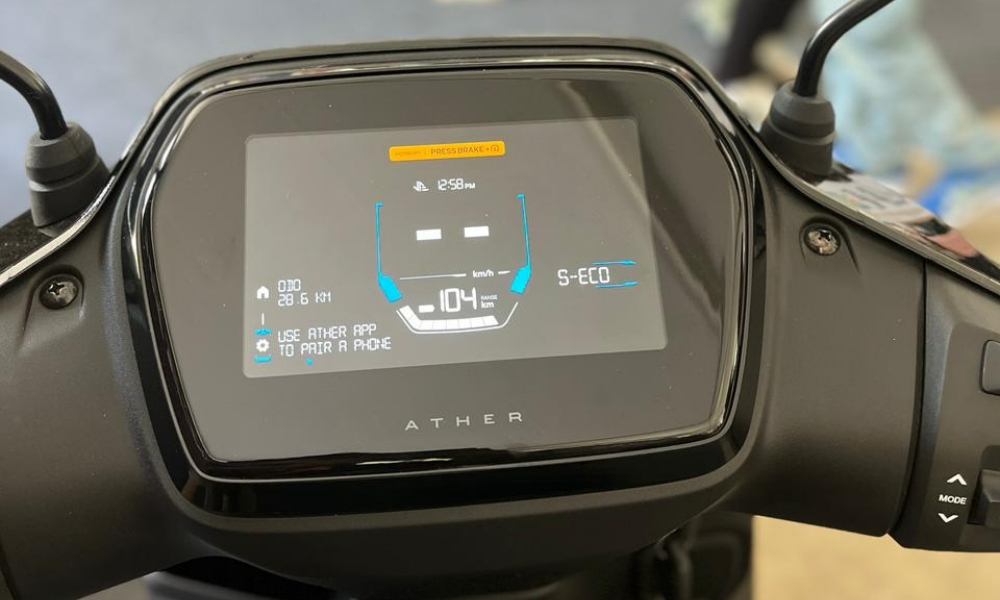
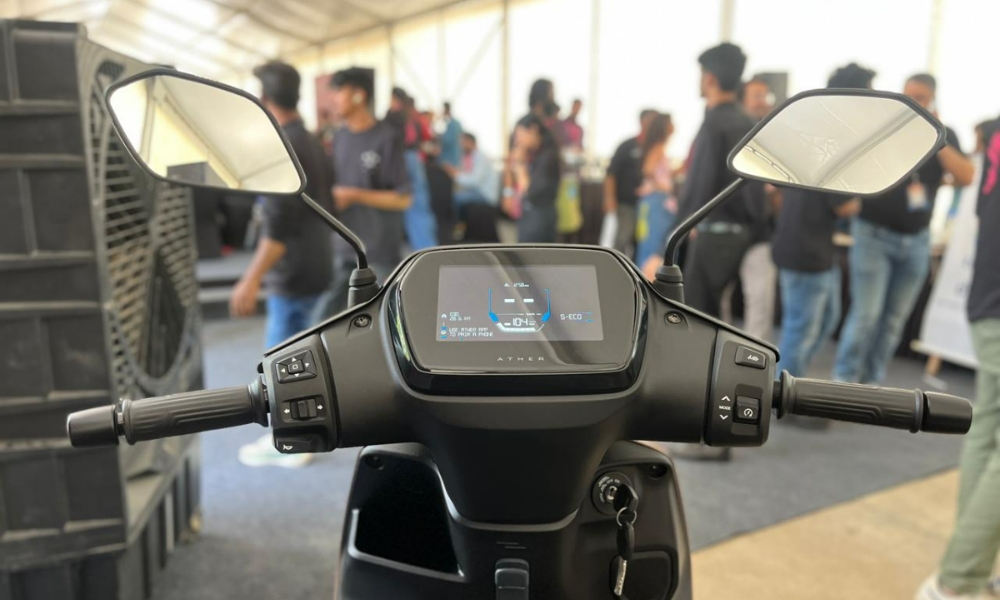
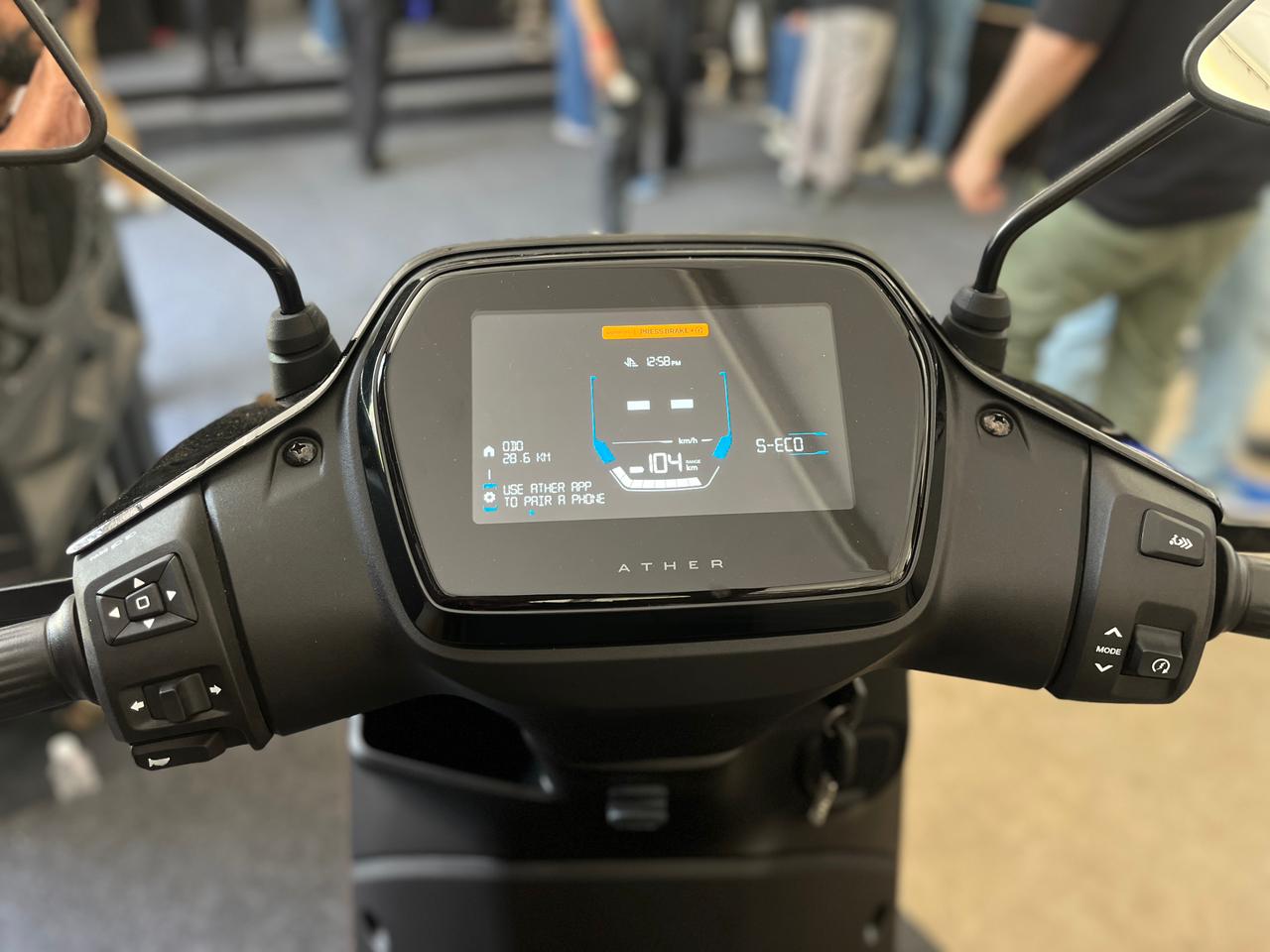
The S 100 gets a 4.2-inch display, while the S 125 and S 161 upgrade to a larger seven-inch touchscreen unit.
Kerb weight is rated at 126.5 kg for the S 125 and 129 kg for the S 161, while the S 100’s weight is undisclosed.
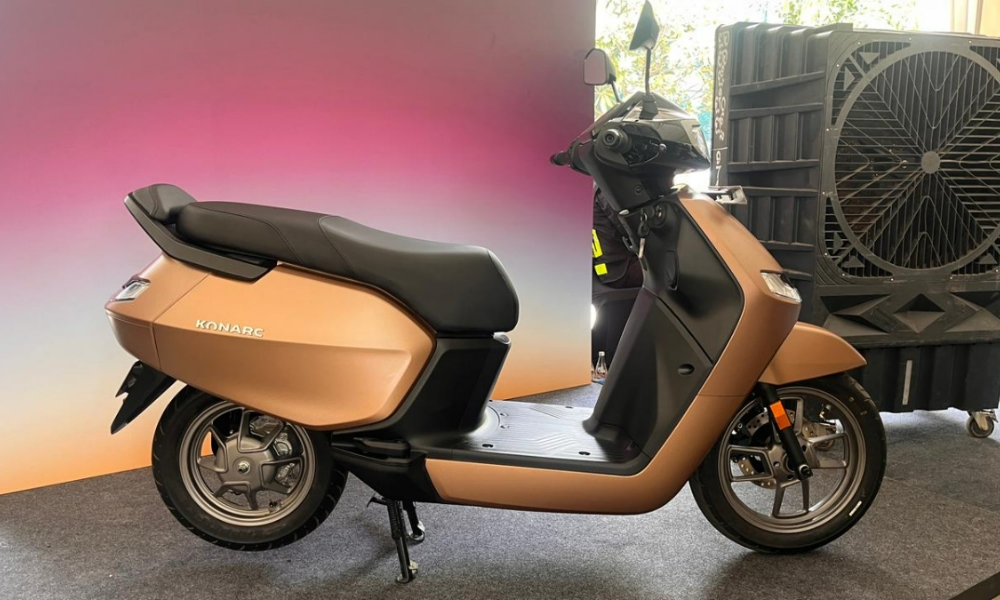
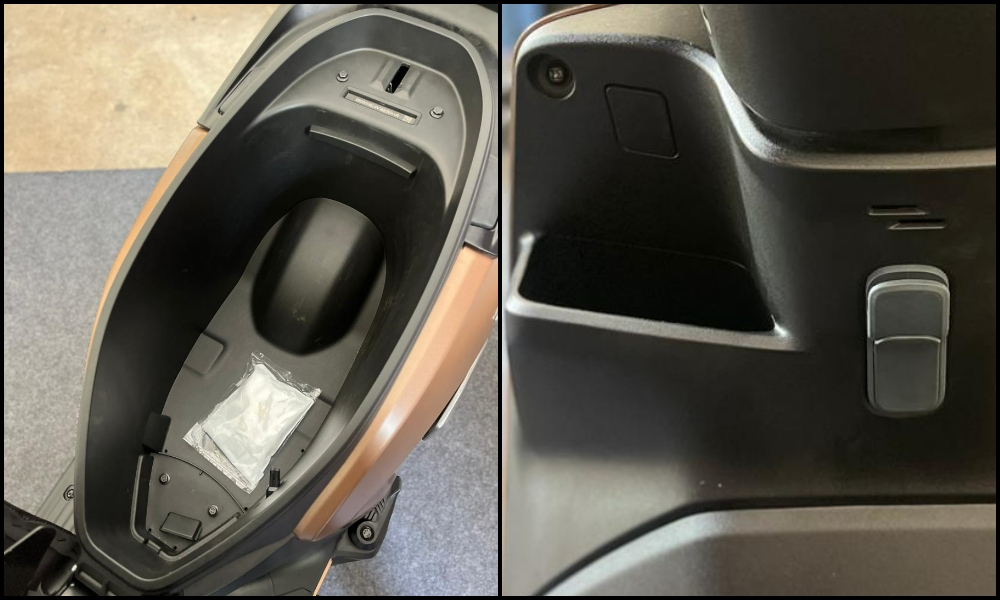
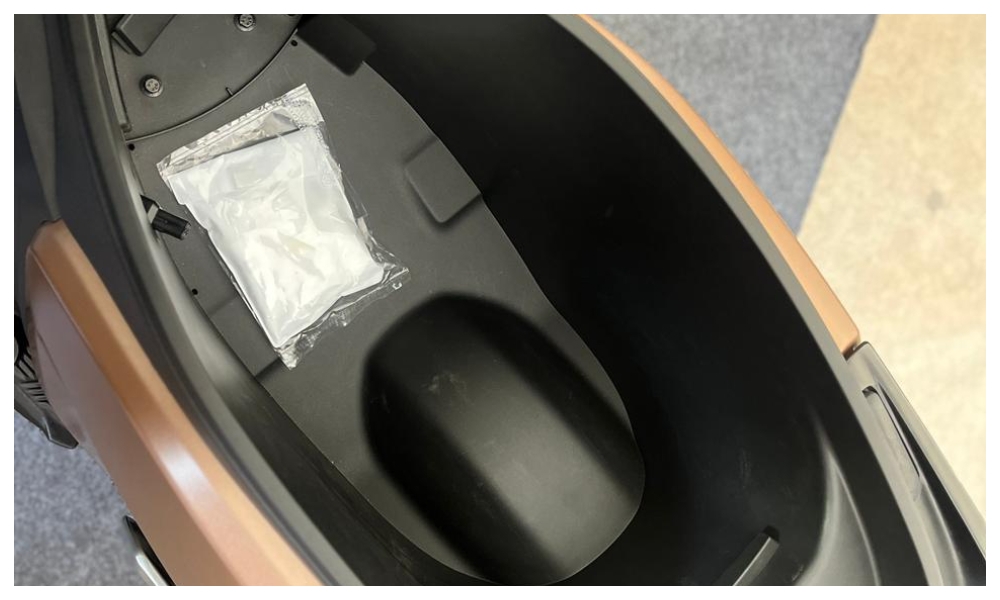
All three variants offer 31 litres of underseat storage, although the S 100 gets a regular grab rail while the higher versions feature cushioned grab rails.
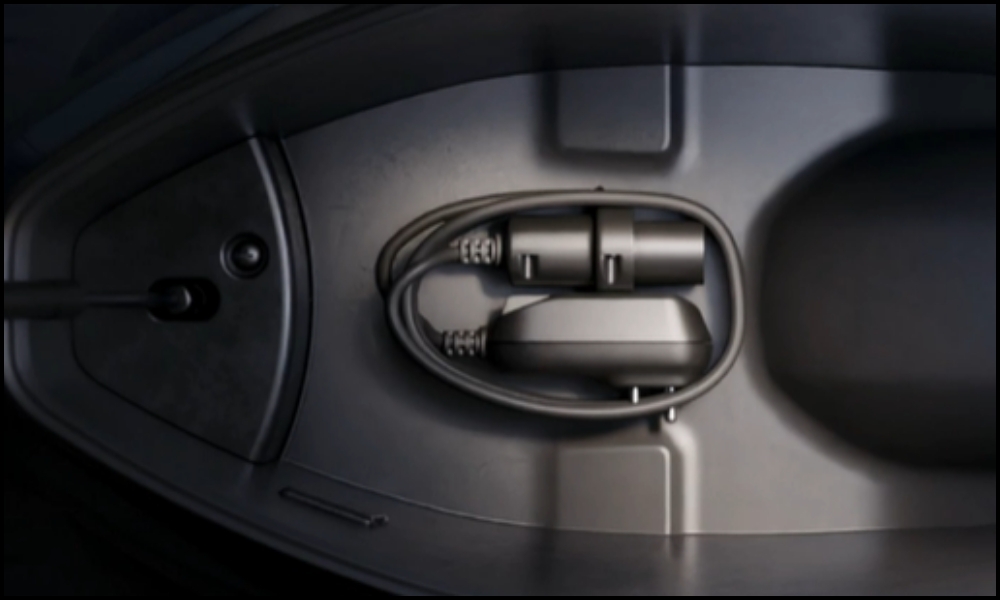
A mobile holder with USB charging is standard across the range, while an 18W Type-C charger is offered as an accessory rather than standard equipment.
Reverse Park Assist are available across all three versions. The S 100 misses out on AirWalk, FallSafe and Bluetooth call and music alerts, all of which are available on the S 125 and S 161. AutoHold is offered across the range.
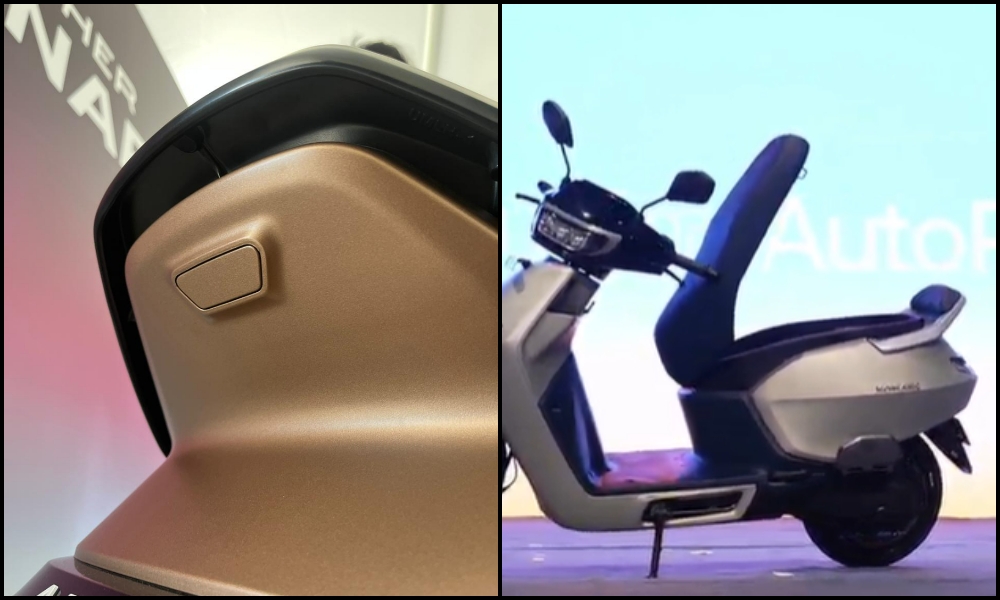
Interestingly, Ather has given a unique mechanism to open the boot. One can either open it with the smart key and the seat pops up, or there is a button positioned behind the backrest, which, according to Ather, is best opened with your knee.
The higher variants offer theft and tow alerts, Ride Stories, Find My Scooter, remote charging status, Bluetooth and SIM connectivity and OTA updates.
Ather Connect is complimentary for three years on the S 125 and S 161, while the S 100 does not receive the same connected-service package. All three versions remain compatible with AtherStack Pro.
The S 100 is available in two colour combinations, Quartz White with Blue and Majestic Grey with Black, while the higher variants get four choices.
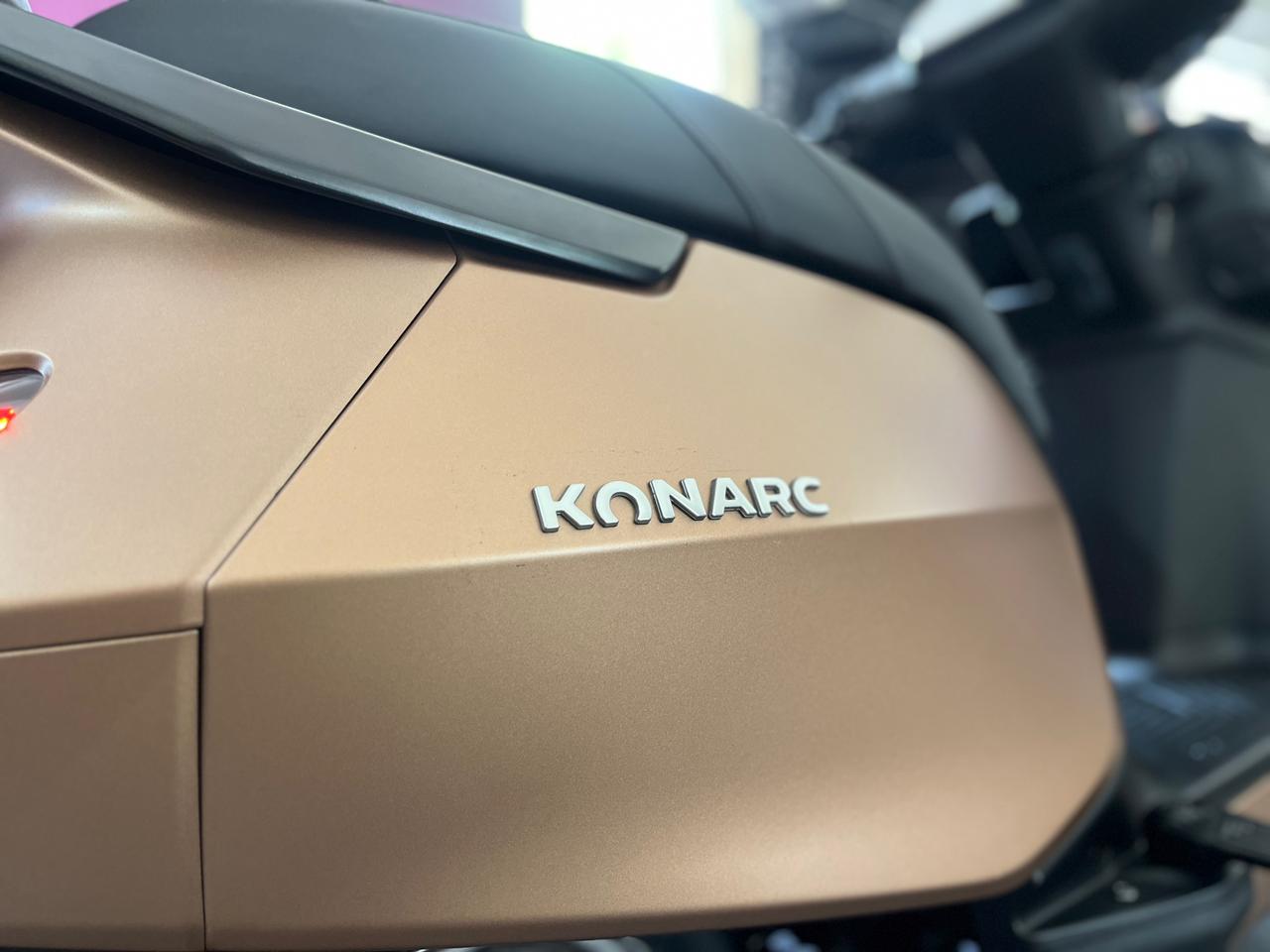
The S 125 and S 161 additionally get Celestial Gold with Blue and Lumen Copper with Black, expanding the colour palette over the entry-level version.
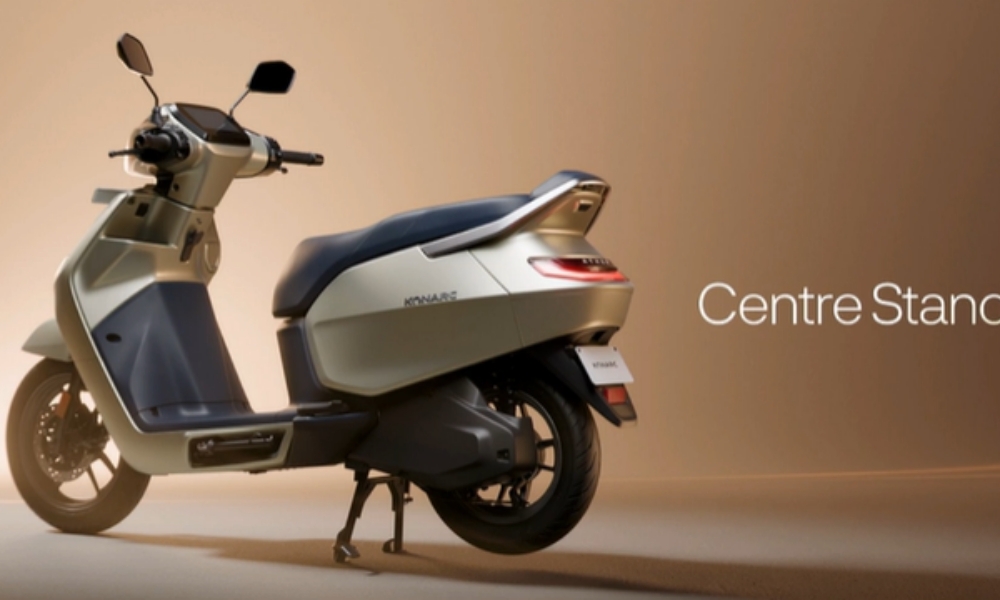
Lastly, one small but meaningful addition comes in the form of a centre stand. The Konarc is the first Ather electric scooter model to feature it.
from carandbike - News https://www.carandbike.com/news/ather-konarc-electric-scooter-in-pictures-3221558
via IFTTT
The new Ather Konarc brings several notable features and additions to Ather’s electric scooter range. While the specification sheet does not explicitly call these features “firsts”, there are a few that stand out, including some practical additions.
The biggest headline is the 3.5 kWh battery on the Konarc S 161 KM, which delivers a claimed 161 km IDC range. The scooter is also available with 2.1 kWh and 2.7 kWh batteries, offering claimed ranges of 100 km and 125 km respectively.
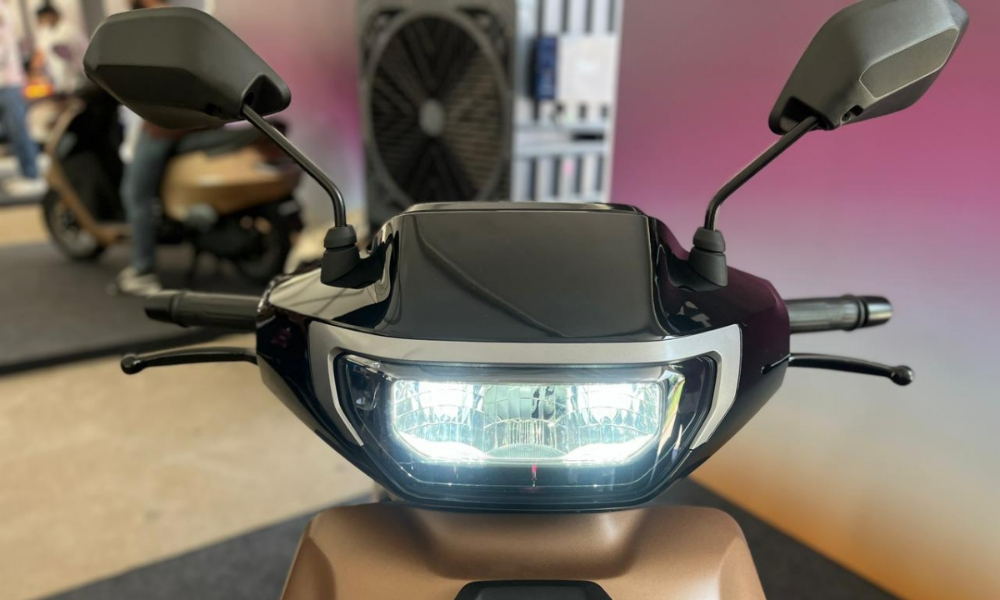
The Konarc gets a 7-inch DeepView display on the higher variants, while the entry-level version gets a 4.2-inch unit.
Another highlight is Ather’s Ride Assist suite, which includes AirWalk, AutoHold and FallSafe. It also gets Ather Connect, Bluetooth call and music alerts, theft and tow alerts, Find My Scooter, remote charging status and OTA updates.
However, one of the most interesting additions is something much simpler: a main stand. While main stands are commonplace on many conventional and electric scooters, their availability on the Konarc is a notable practical first for Ather.
The scooter also gets 31-litre underseat storage which can be opened remotely or conveniently with the knee through a button located above the tail lamp. It also gets USB Type-C charging and, on the S 161 KM, a combined charger as standard.
from carandbike - News https://ift.tt/HksagYz
via IFTTT