Welcome to Gulf News, your premier destination for comprehensive coverage and insights into the dynamic landscape of the Gulf region and beyond. As a trusted source of news and information, we pride ourselves on delivering timely updates, in-depth analysis, and compelling stories that resonate with our diverse audience.
From breaking news to in-depth features, business trends to cultural happenings, sports highlights to technological advancements, Gulf News covers it all with accuracy, integrit
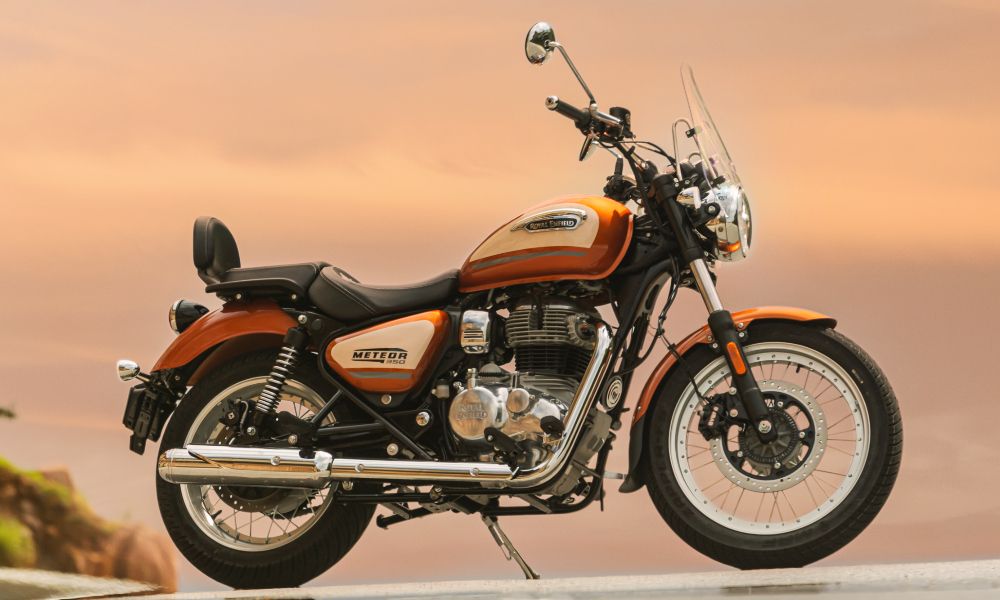
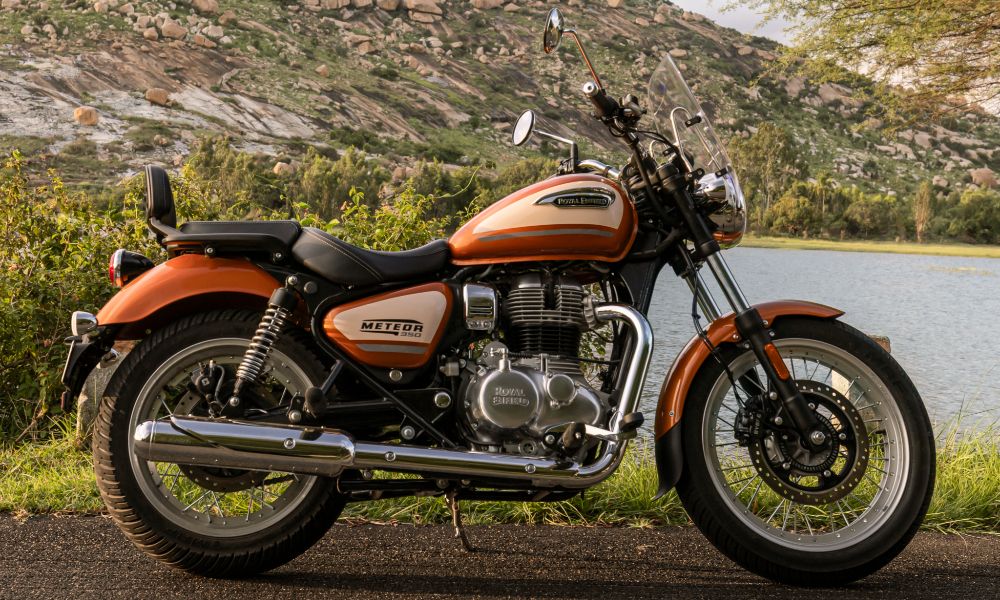
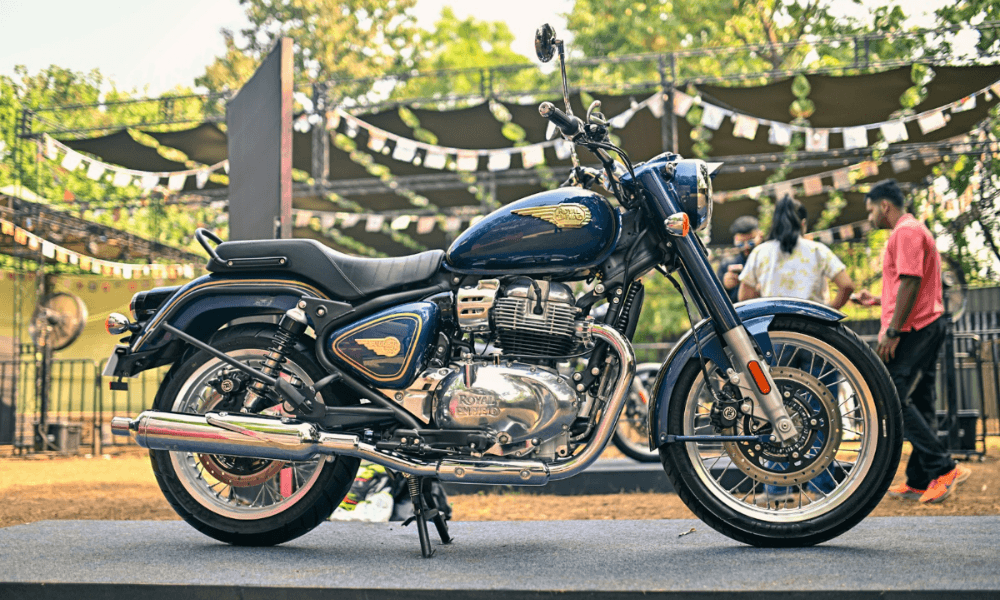
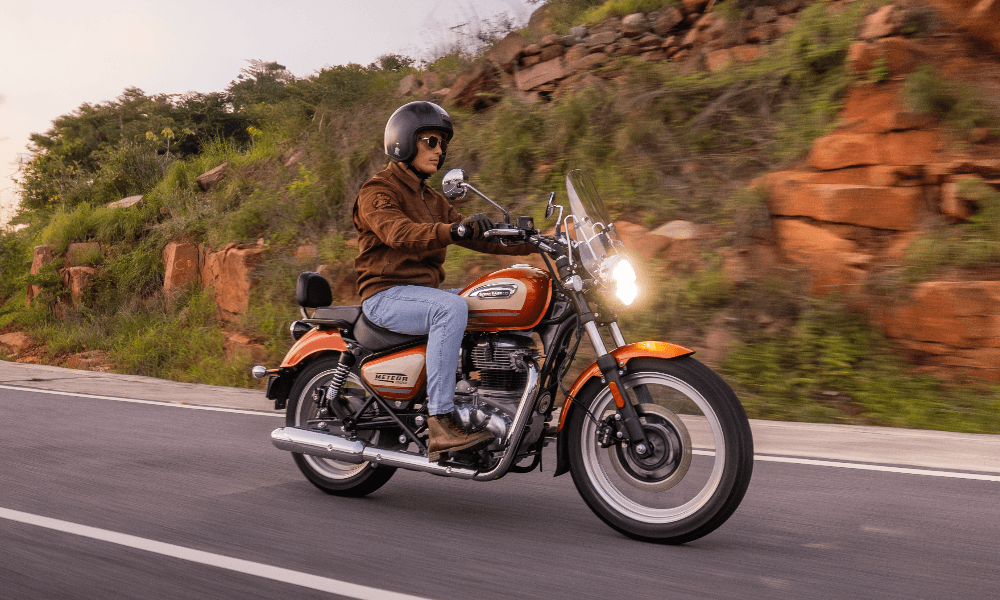
Royal Enfield expanded its Meteor 350 range at Motoverse 2025 with a new Sundowner Orange edition. Priced at Rs 2.19 lakh (ex-showroom), the Sundowner Edition is the most expensive variant of the Metro 350 series, sitting above Supernova Black.
The messaging from Toyota is clear: the world’s largest automobile group is embracing all automotive technologies—without abandoning any. This stance was reiterated multiple times at the recently concluded Japan Mobility Show, where top management emphasised that the brand intends to offer every kind of powertrain customers may want. Toyota has now been the world’s highest-selling automaker for five consecutive years, surpassing the 10-million-units mark in 2024.
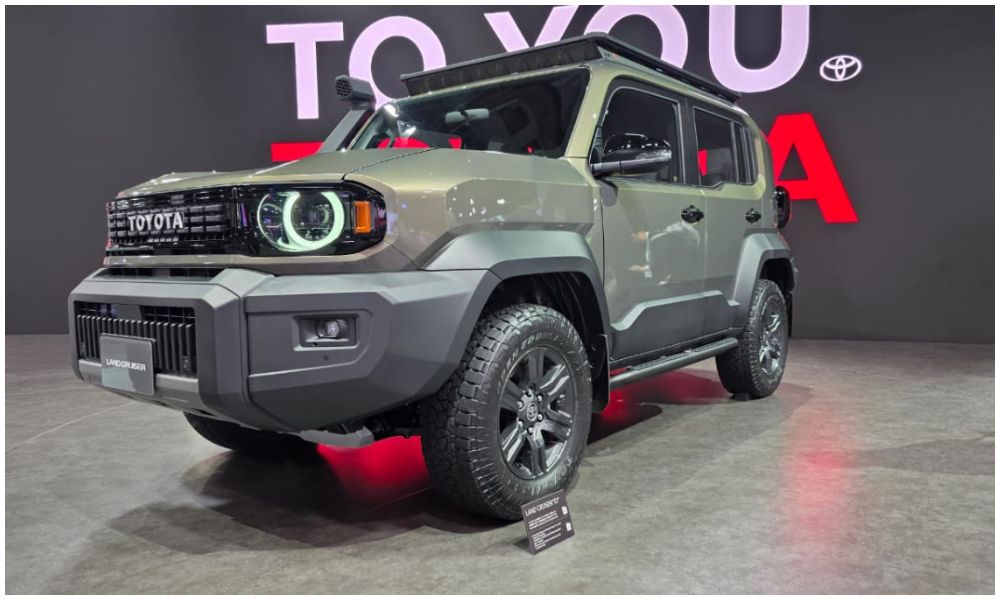
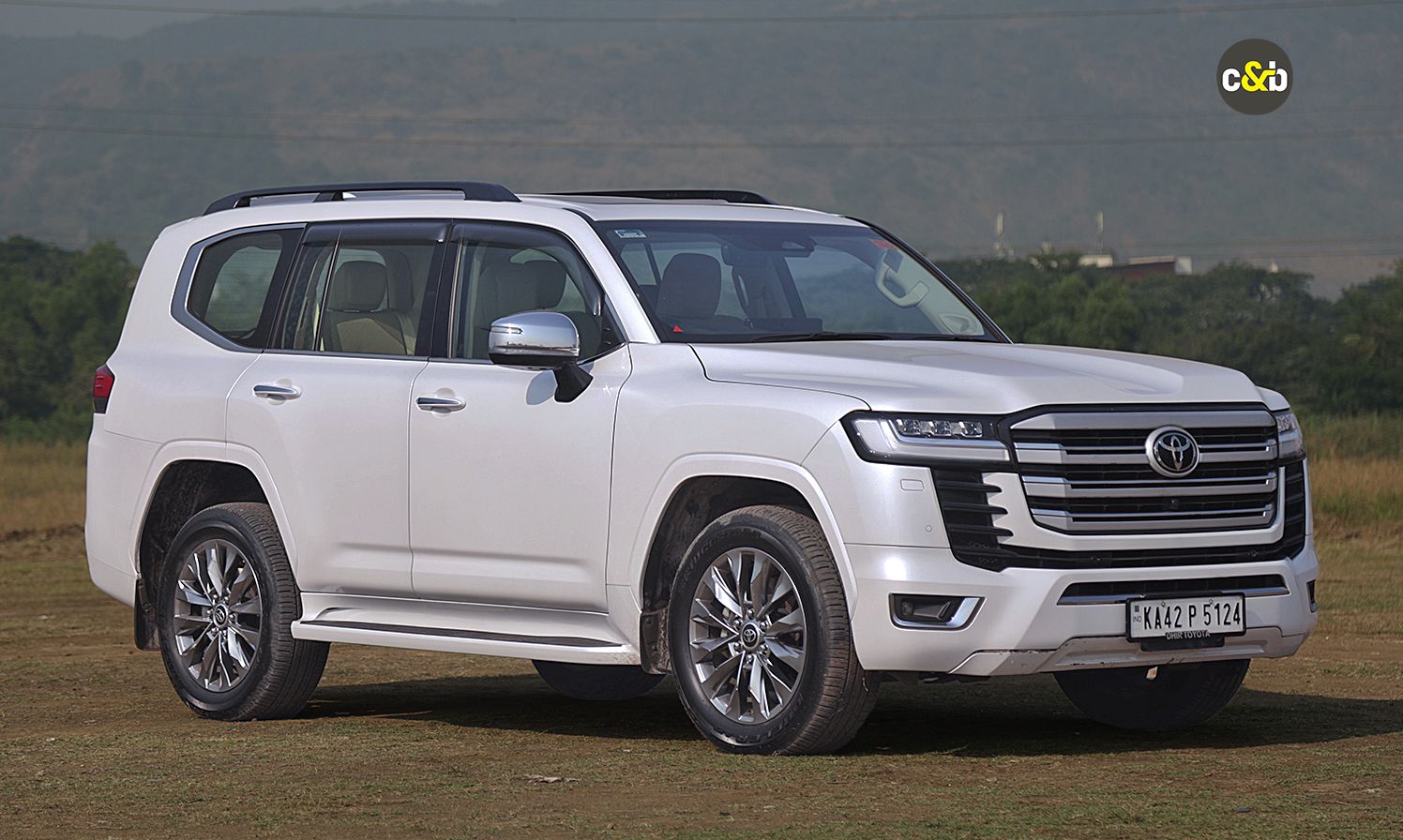
The Japan Mobility Show was a major stage for Toyota, with several group companies showcasing a wide range of vehicles at the biennial event. Toyota itself led the charge with diverse mobility solutions, but the undeniable star was the Land Cruiser FJ, the smallest member of the Land Cruiser family. It drew significant attention and is also expected to make its way to India in the future. The new Corolla concept was another highlight, previewing a bold design shift for the brand’s global bestseller.
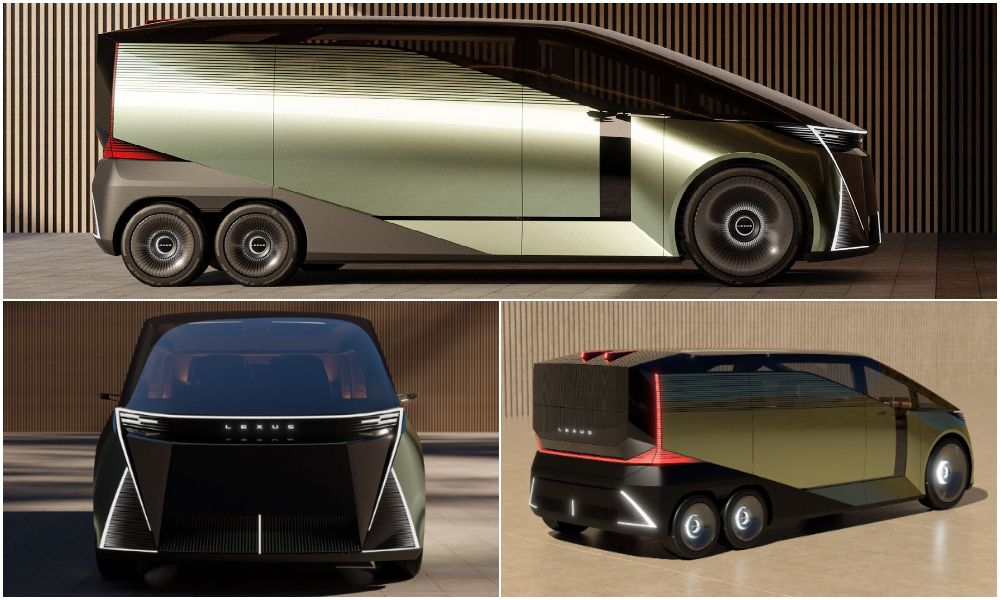
In a significant strategic move, Century has now overtaken Lexus as Toyota’s flagship brand. Century displayed a futuristic coupe concept aimed at competing with ultra-luxury marques such as Rolls-Royce and Bentley. Lexus, meanwhile, showcased several striking concepts of its own, including a unique six-wheel MPV called the LS. Notably, Lexus announced that the “LS” name will no longer refer only to its flagship sedan but will extend across a series of models with various body styles.
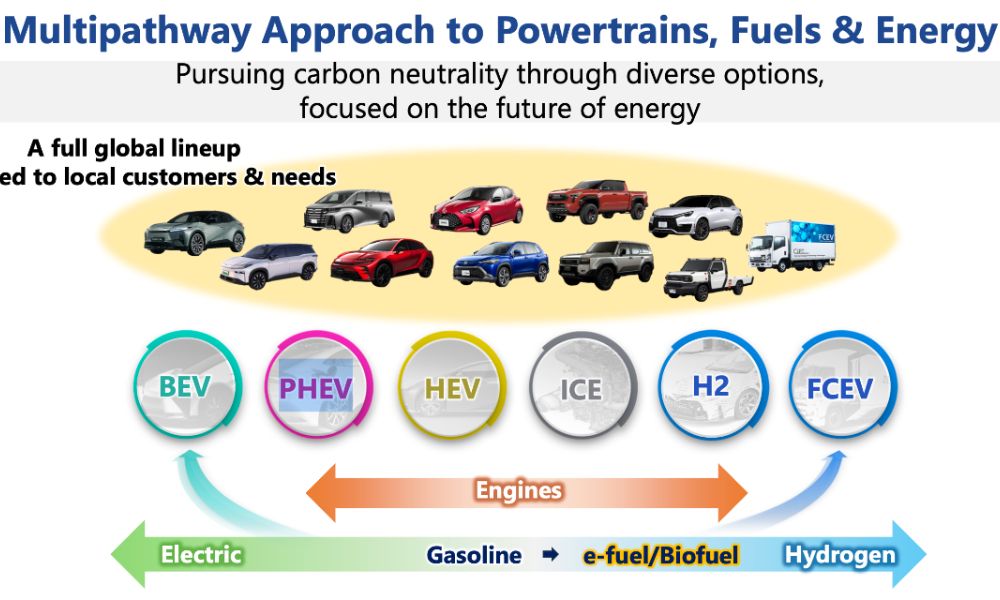
Beyond the products, the trip to Tokyo offered valuable insights into Toyota’s ongoing efforts in new technologies, drivetrains, and fuels. Toyota’s multi-pathway approach is grounded in the belief that no two global markets are alike. Each region faces unique challenges, and therefore Toyota plans to offer a full suite of technologies— ICE, electric, hybrid, hydrogen, and fuel-cell vehicles—depending on local needs. The group also remains committed to exploring alternative materials for clean-energy production.
Toyota’s Chief Technology Officer, Hiroki Nakajima, explained, “Toyota is committed to all powertrains depending on markets. In some regions, it makes more sense to use hybrids. If we just focus on CO₂, it will be difficult. We have to look at what is the most optimised car for carbon-footprint reduction. Convenience for customers is also important.” Toyota is also working to decarbonise existing vehicles, of which 97% still rely on internal-combustion engines.
Nakajima further noted, “We cannot predict what the world will be like, so we need to be prepared. No one talked about hybrids before, but now it is one of the most popular technologies. We need to ensure we make attractive vehicles so we can generate revenue and continue developing a multi-pathway approach.” A recent example is the newly unveiled Hilux Electric, a zero-emission SUV that promises the same capability as its conventional counterpart.
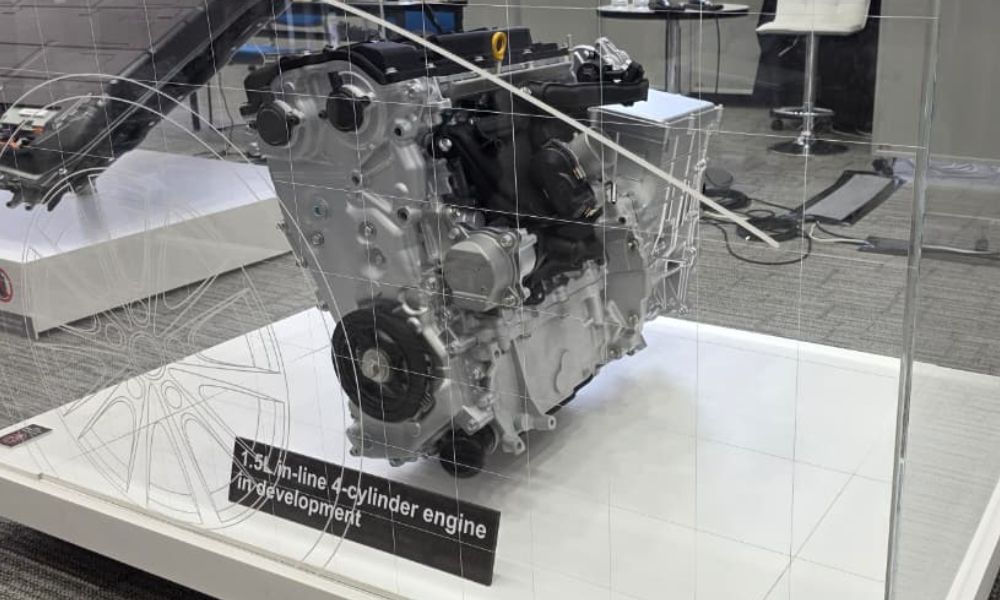
Toyota’s 1.5-litre petrol-hybrid drivetrain, already popular in India through models like the Maruti Suzuki Grand Vitara and Toyota Urban Cruiser Hyryder, is set for a next-generation upgrade in 2027. This future-ready powertrain is being positioned as an optimal engine for electrification, supporting fuel diversification while offering increased power and improved efficiency. Such advancements could significantly accelerate the adoption of strong-hybrid technology in markets like India.
Akihito Sarada, President of Toyota’s Software Development Centre, reiterated India’s importance in the company’s global strategy: “India is an important market for Toyota, and we want to develop the best cars for Indian people. We will use local engineers and continue to bring peace of mind to Indian customers.” On the subject of ethanol—a major area of focus for India—he added that Toyota is exploring the usage of non-food materials to produce the biofuel, enabling broader global adoption.
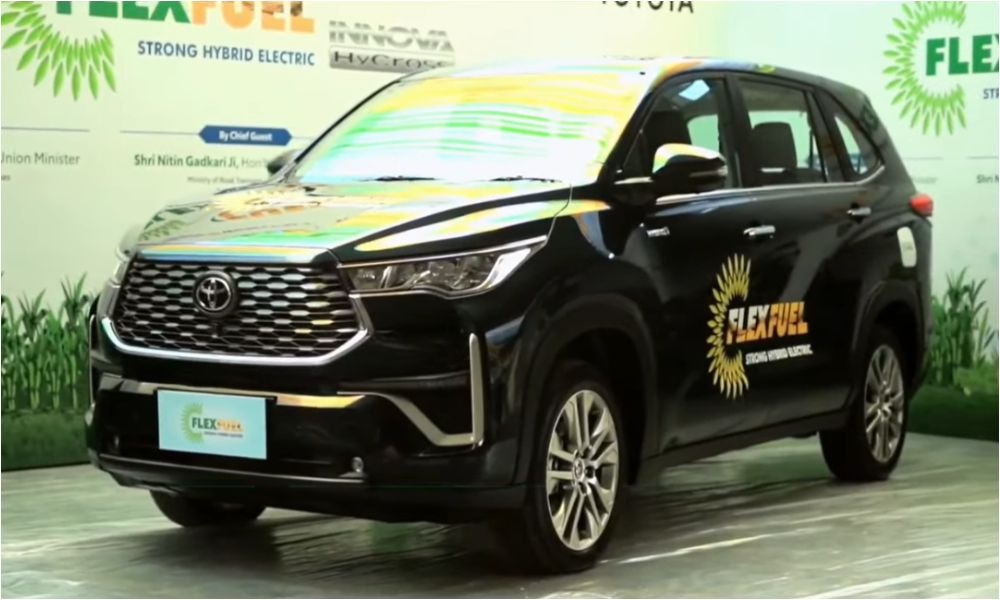
Takashi Uehara, President of Toyota’s Powertrain Company, stated, “We have two engines for ethanol compliance. It’s a good fuel for the future. Most engines can handle E20 fuel. In India, we are working on biofuel with the government and stakeholders.” The brand has already taken the lead by showcasing the flex-fuel Innova Hycross, capable of running on up to 85% ethanol. The hybrid MPV relies heavily on its electric system and can deliver up to 35 kmpl.
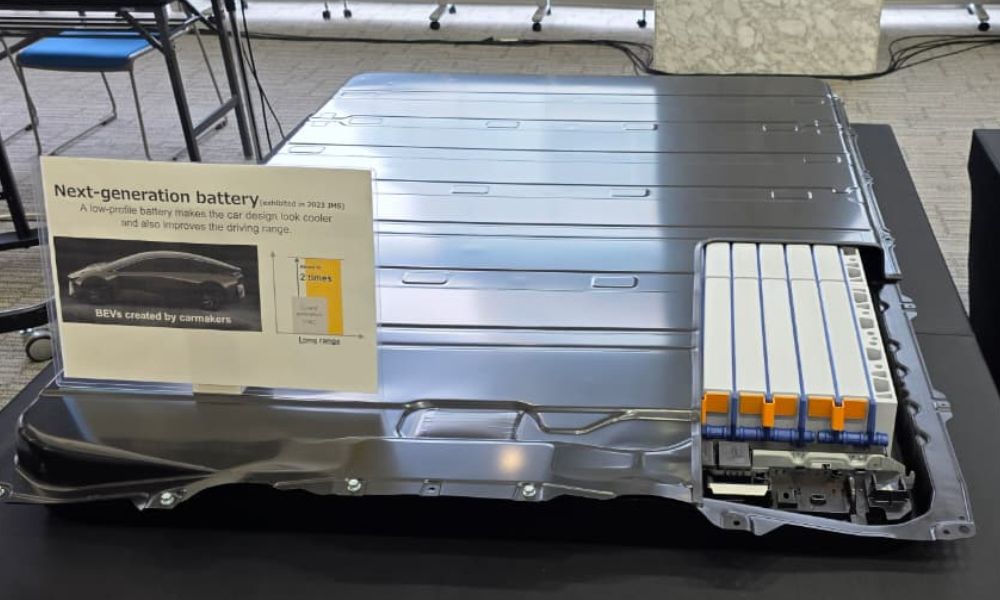
Another crucial frontier is Toyota’s extensive work on solid-state batteries. The group is developing batteries with side terminals instead of traditional top-mounted terminals, resulting in lighter, lower-profile units with significantly higher energy density. Their future potential includes delivering three times the driving range and four times the lifespan of current EV batteries—a breakthrough that could vastly improve EV affordability, performance, and operating costs.
Hydrogen and fuel-cell technologies also continue to be key pillars of Toyota’s strategy. The company is actively making a case for building a hydrogen ecosystem, with particular focus on commercial vehicles. In India, Toyota previously introduced the Mirai, which runs on this technology for pilot use. The vehicle was used extensively by Union Minister of Road, Transport and Highways Nitin Gadkari. According to Toyota, this technology lowers fuel costs and requires minimal maintenance.
Overall, Toyota is undertaking significant efforts in carbon-neutral and next-generation fuel solutions. Its software-defined-vehicle technologies are also contributing to safer mobility, helping reduce road accidents. Improvements in safety infrastructure are also part of the company’s broader vision. As the world’s largest automotive group, Toyota is living up to its reputation—innovating across all fronts and ensuring no one is left behind.
from carandbike - News https://ift.tt/JUI06zq
via IFTTT
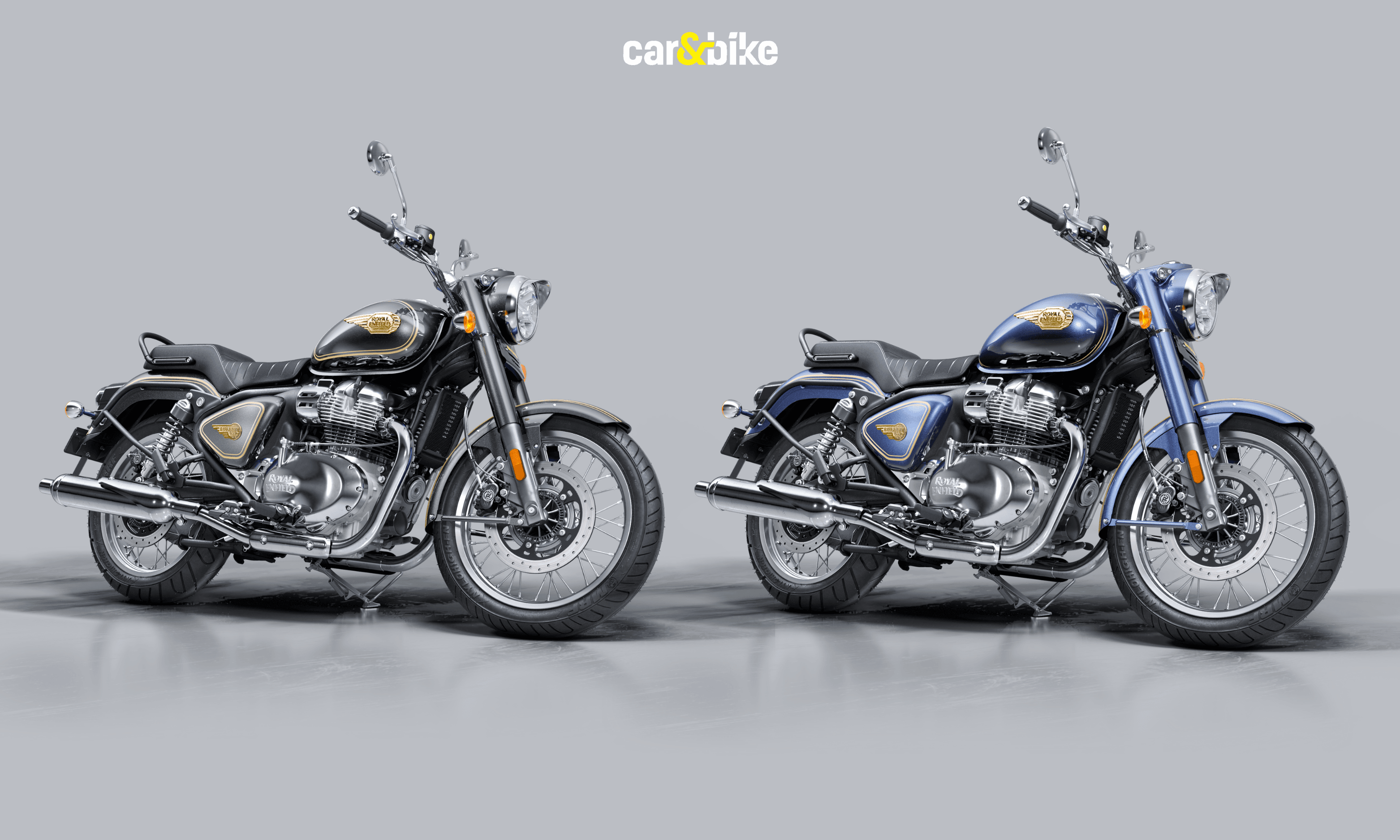
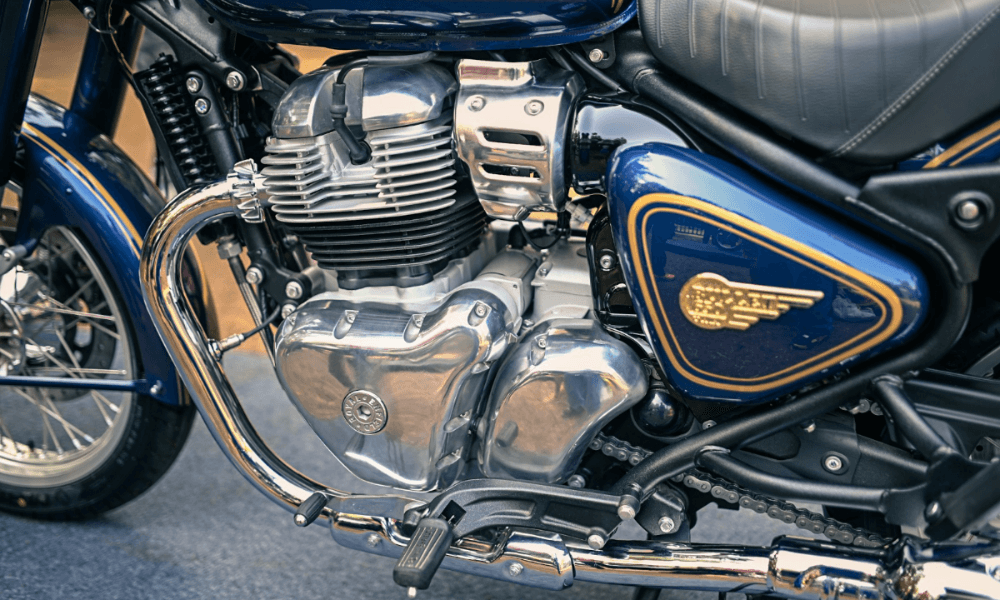
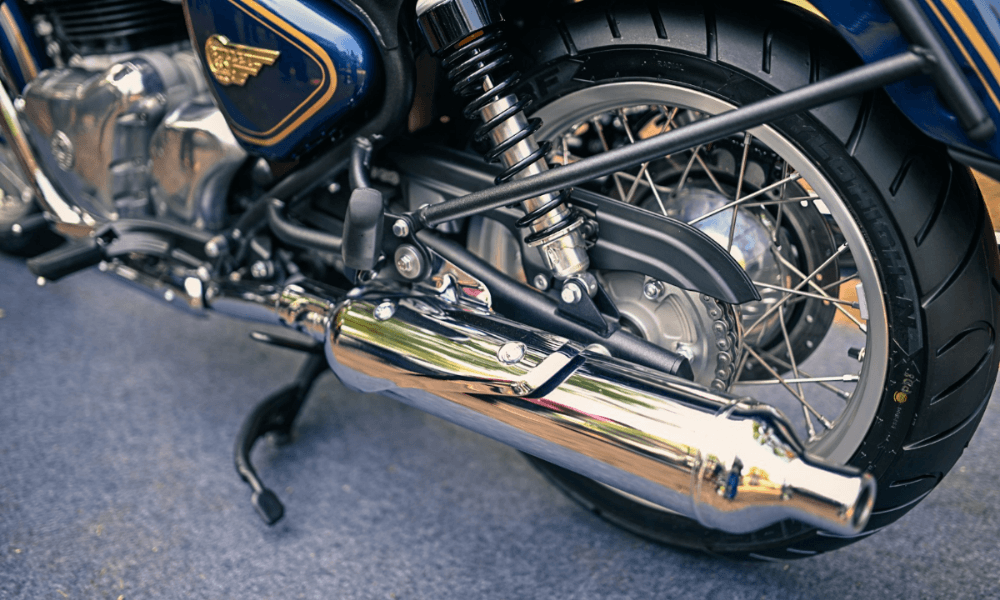
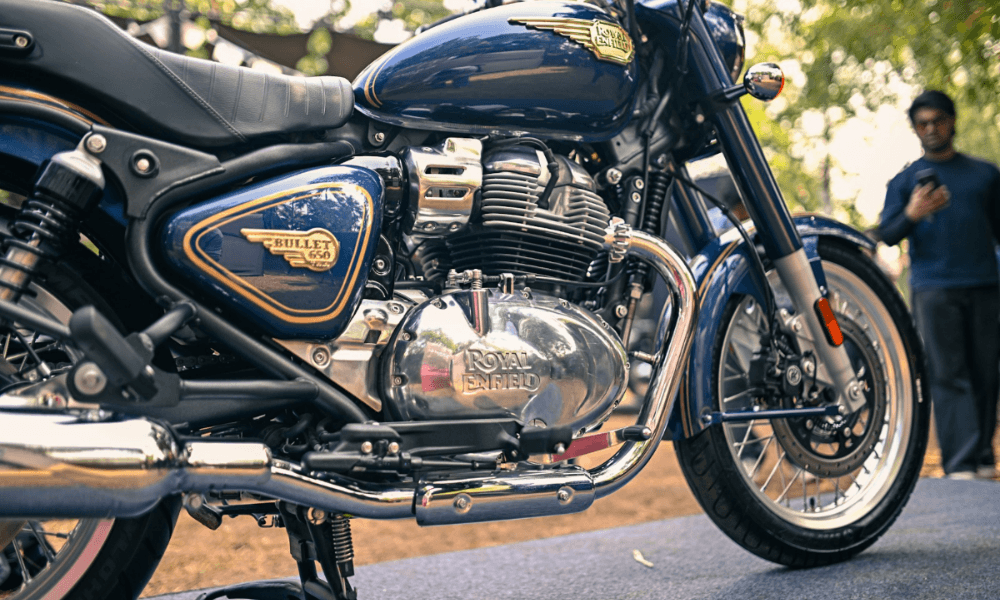
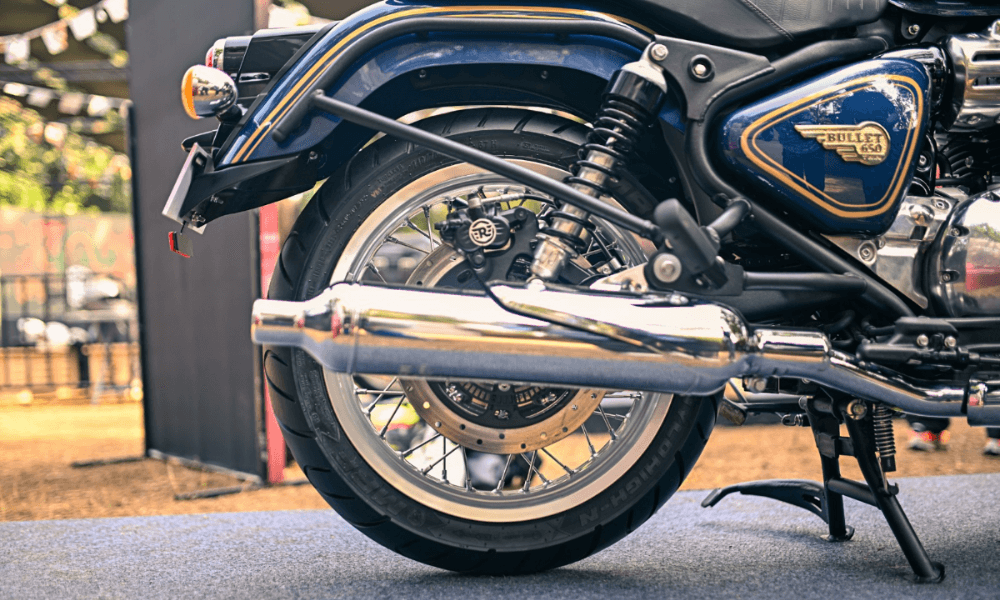
The Royal Enfield Bullet 650 has finally made its debut in India at Motoverse 2025, following its global showcase at EICMA 2025. The Bullet 650 is the seventh motorcycle to house the brand’s tried and tested 648 cc parallel twin engine while being based on the Classic 650 skeleton. Let's take a closer look at the motorcycle.
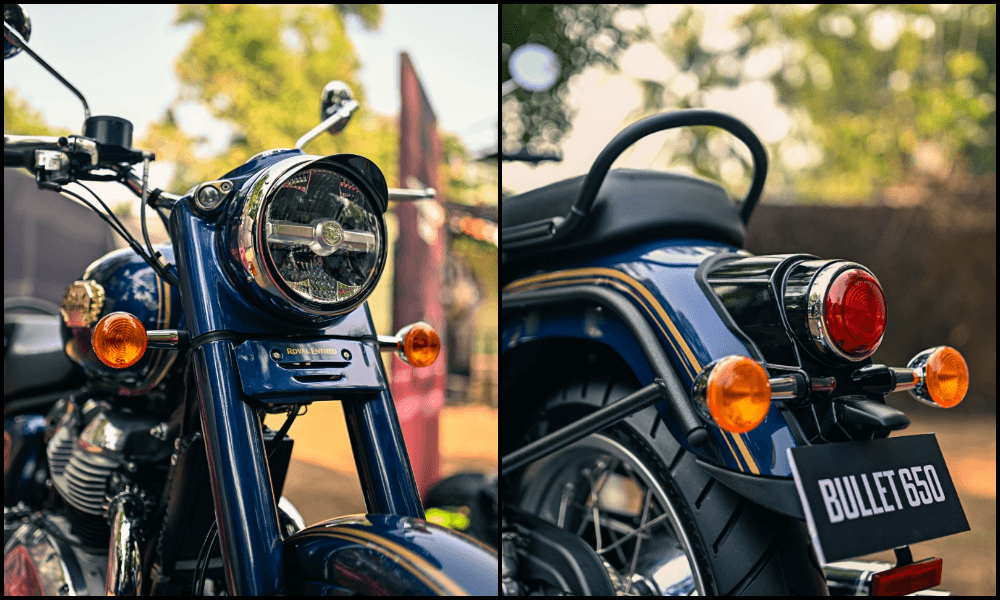
The design and styling are in line with the Bullet 350, complete with the metal tank badge, hand-painted pinstripes, and the iconic “tiger eyes” pilot lamps.
The Bullet 650 will be offered in two colours: Cannon Black and Battleship Blue.
Lighting is full LED across the board and is identical to the setup seen on the Classic 650.
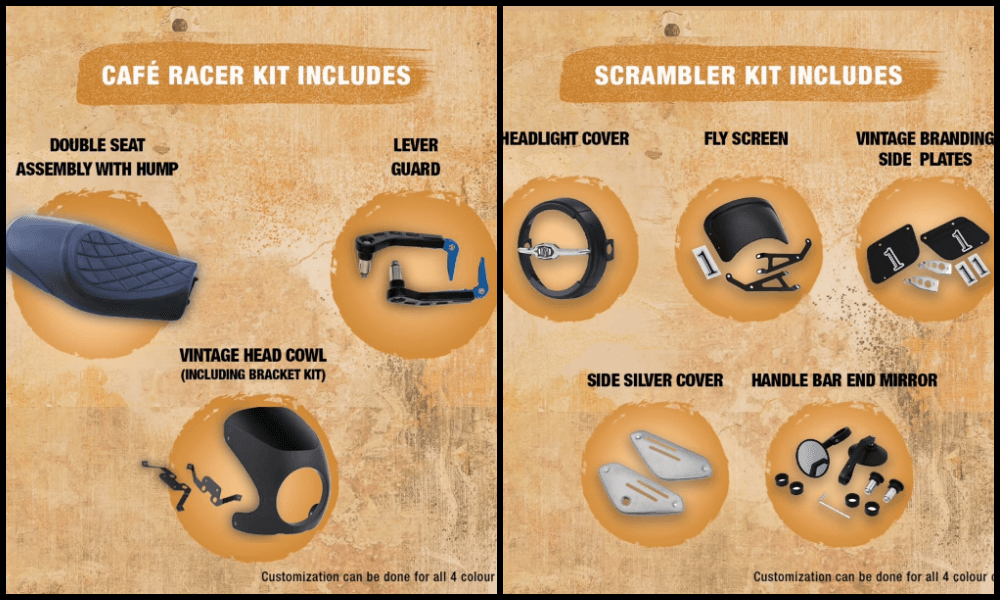
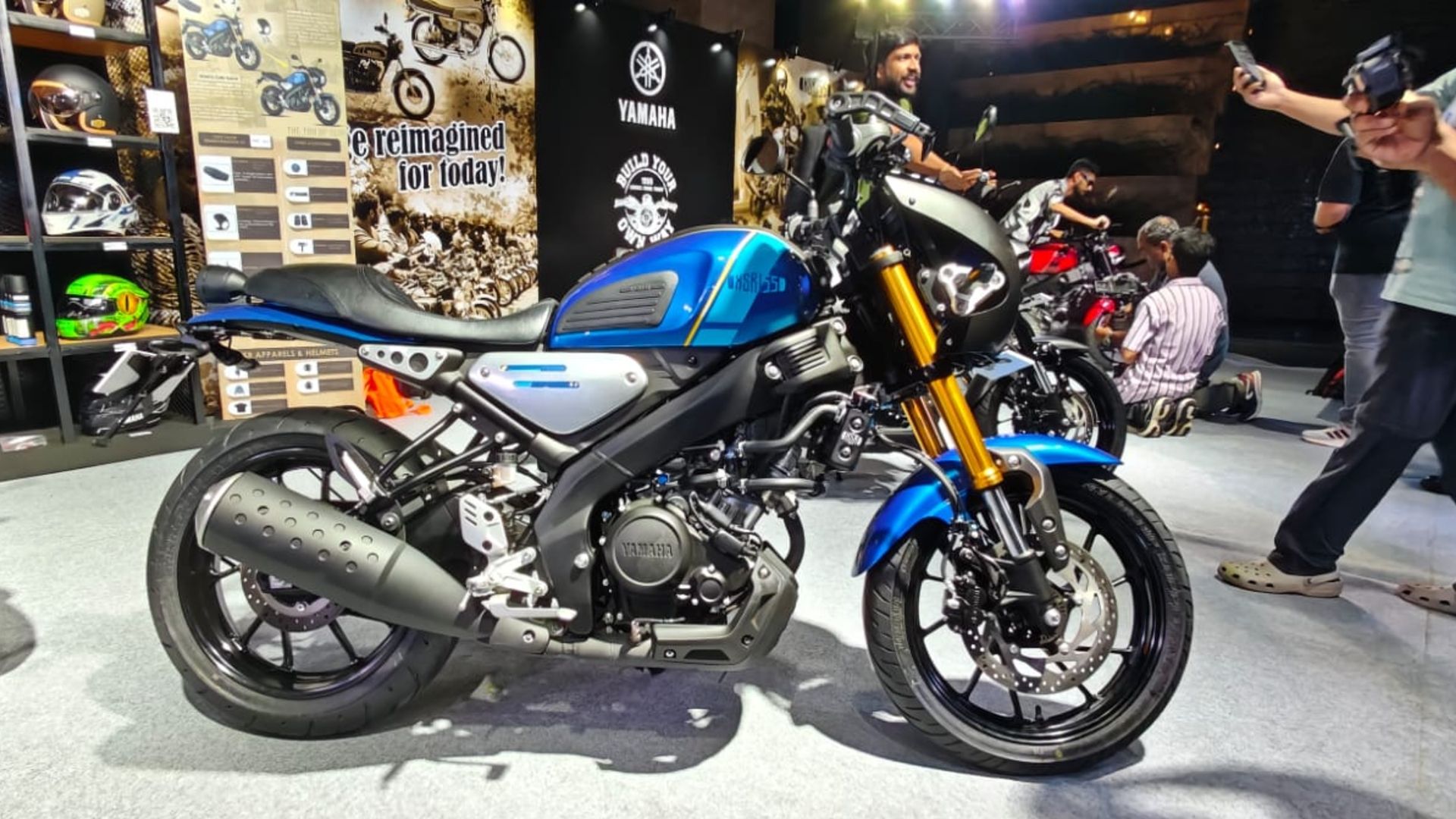
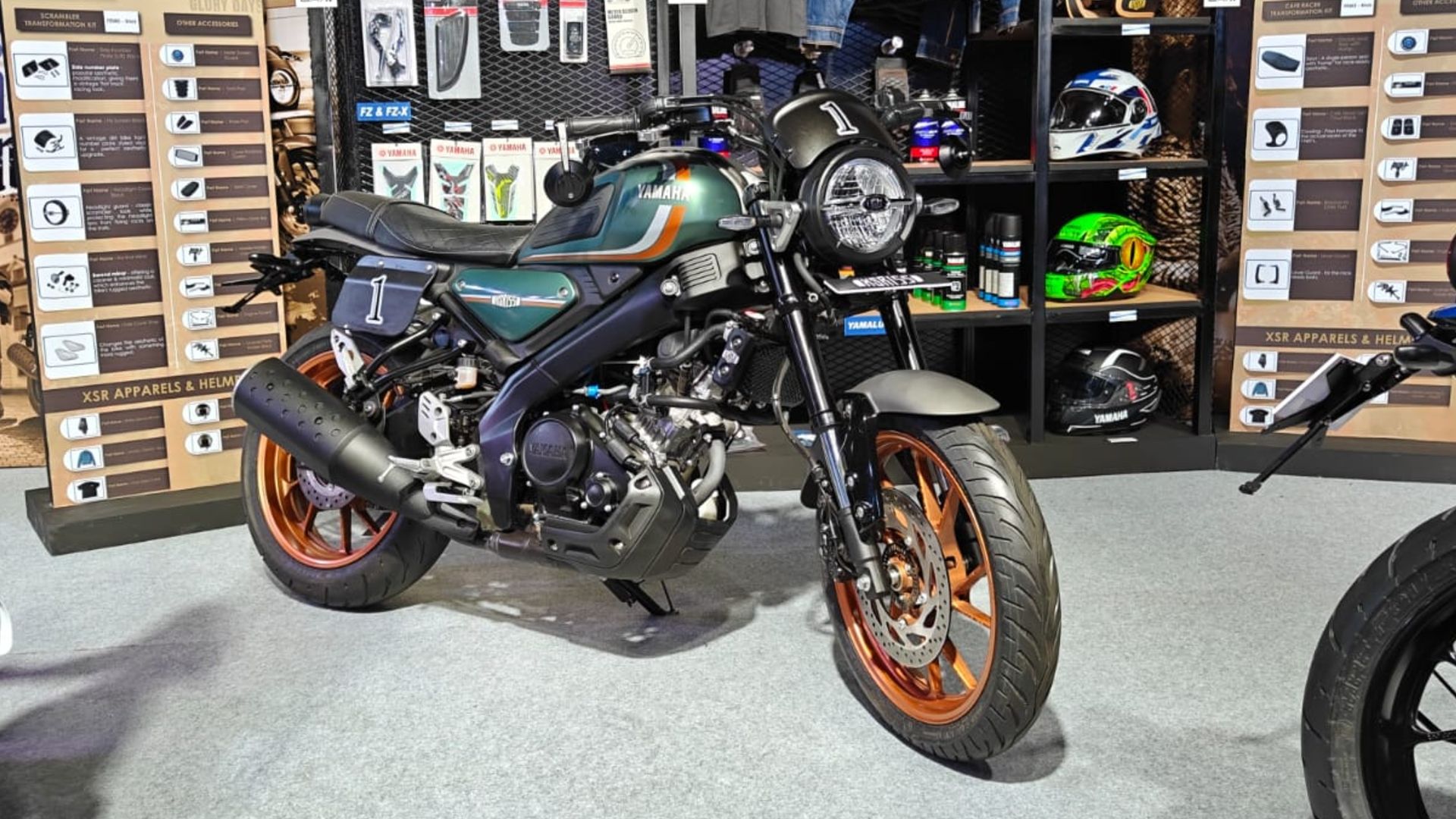
Following the launch of the XSR155 in India, Yamaha has revealed prices for the motorcycle’s two customisation kits that were displayed during its debut. These are the Cafe Racer and Scrambler that are offered as customised Kits from the brand.
The Cafe Racer kit is priced at Rs 11,915 and includes a revised double-seat assembly with a rear hump, a pair of lever guards, and a vintage-style headlight cowl that comes with its dedicated bracket kit.
The Scrambler kit, on the other hand, is priced at Rs 12,330 and features a headlight cover, a small fly screen, numbered vintage-style side plates, handlebar-end mirrors, and silver side plates. Like the Cafe Racer kit, the Scrambler set consists entirely of accessory components. Both kits are offered at an additional cost over the motorcycle’s Rs 1.50 lakh ex-showroom price.
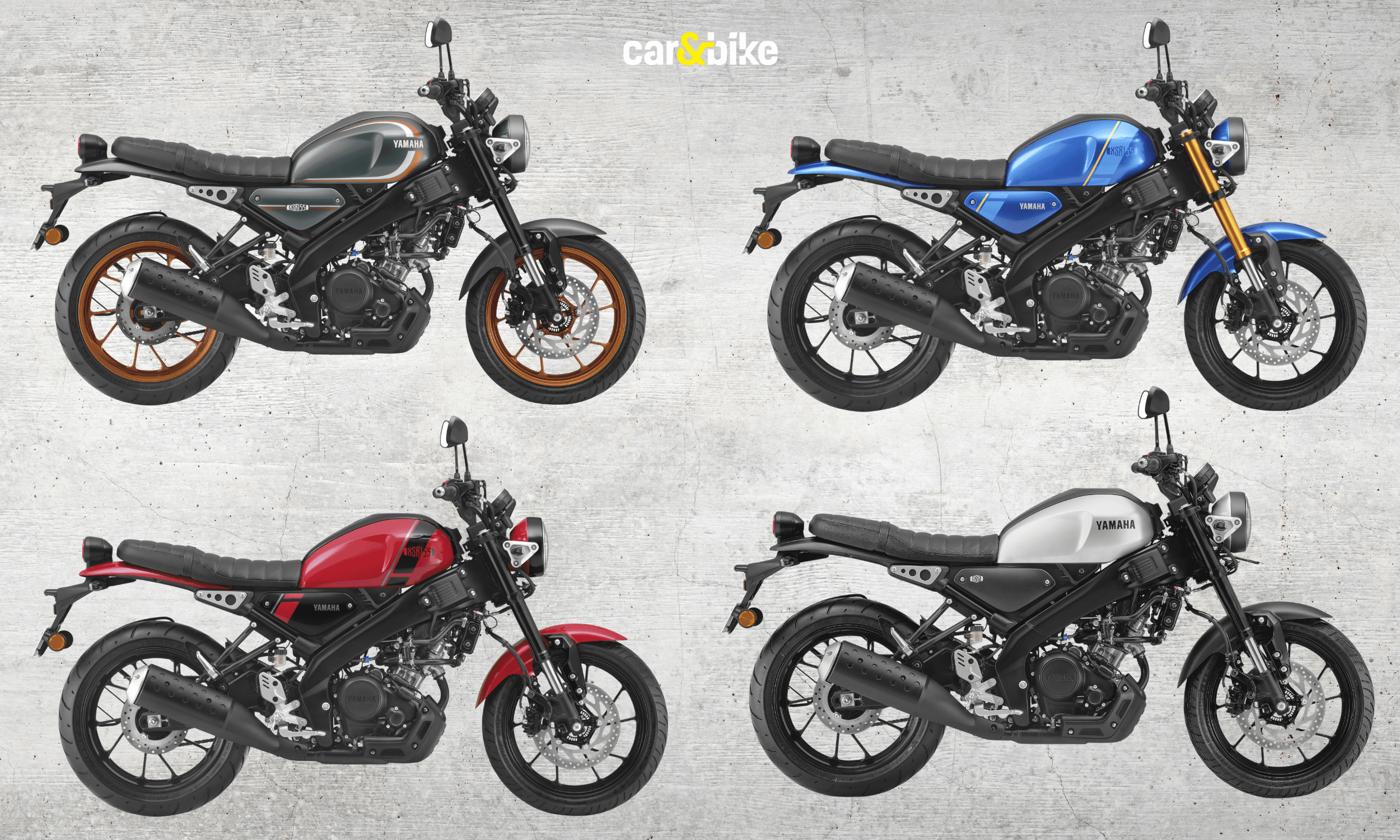
The XSR155 is offered in four colours: Metallic Grey, Vivid Red, Greyish Green Metallic, and Metallic Blue, and both custom kits can be added to any of these variants without restrictions.
Alongside the kits, Yamaha has also announced prices for several standalone accessories. These include a mobile holder (claw grip) at Rs 2,100, adjustable levers at Rs 2,720, an engine guard kit at Rs 2,915, and a rear registration number plate holder priced at Rs 5,620.
Additional equipment options include a side radiator guard for Rs 1,330, a meter screen guard for Rs 200, a seat cover for Rs 480, and a radiator guard for Rs 430. Other items, such as knee pads priced at Rs 400, a pillion assist grip at Rs 1,130, and a tank pad at Rs 220, are also part of the accessory list.
The XSR 155 has been one of the most highly anticipated launches from Yamaha, and it shares its underpinnings and components with the R15 and MT-15. Powering the XSR155 is the same 155cc, liquid-cooled engine that produces 18.1 bhp and 14 Nm of torque. The motor is paired with a six-speed gearbox and features an assist and slipper clutch.
from carandbike - News https://ift.tt/cvuFor3
via IFTTT
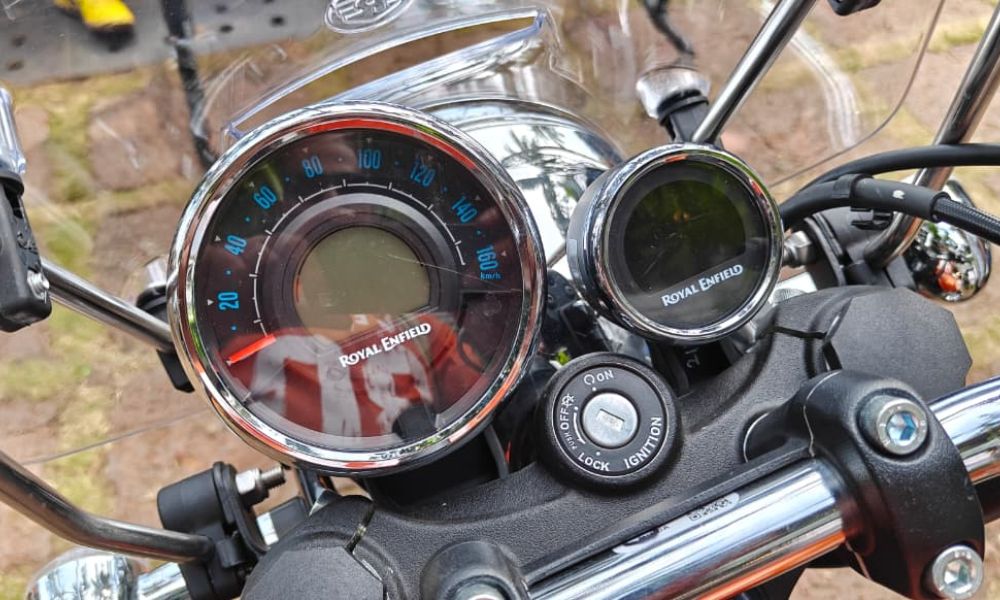
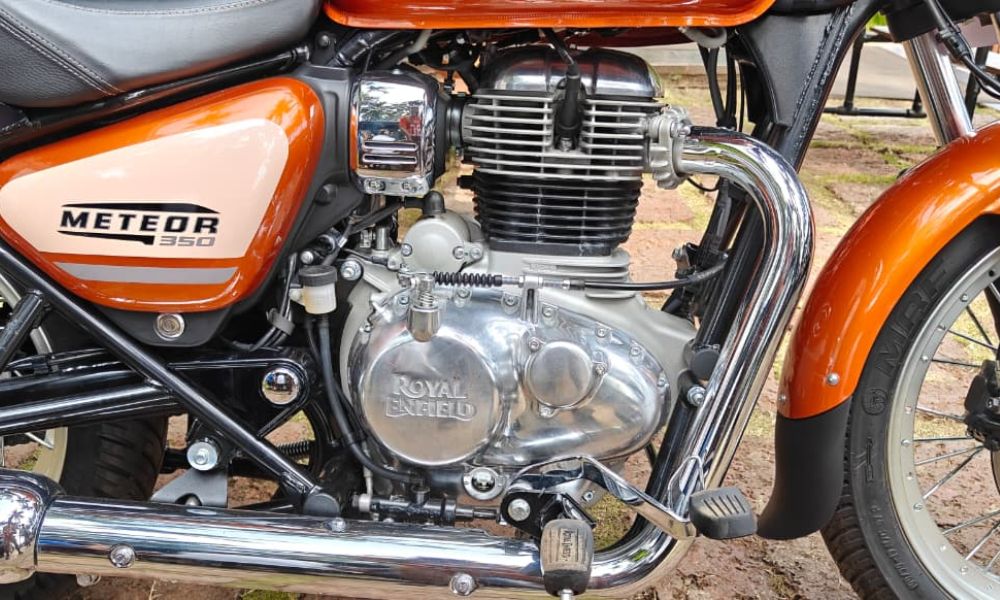
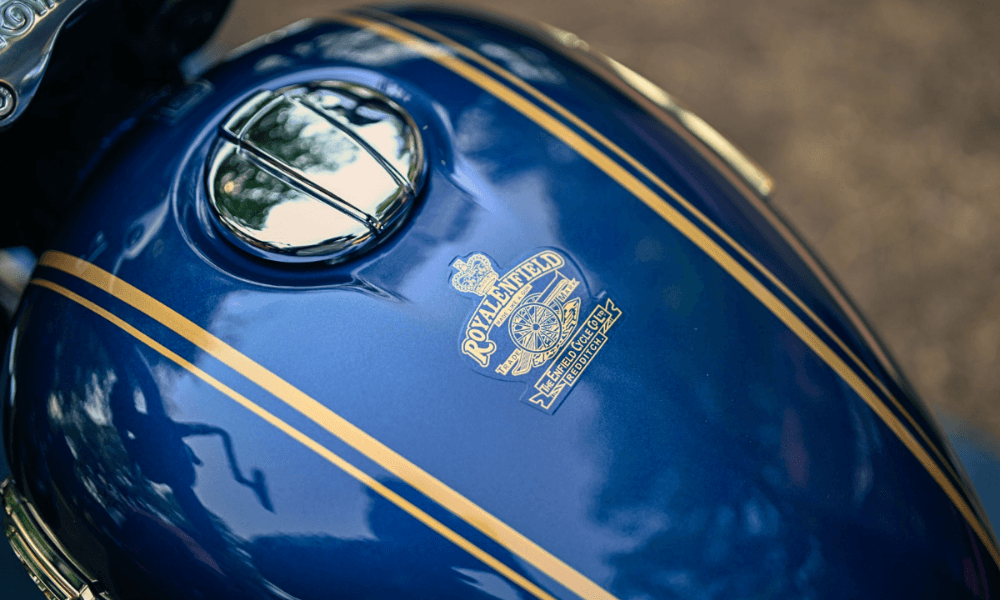
Royal Enfield has launched a new limited-edition Sundowner Orange variant for the Meteor 350 at Motoverse 2025. Priced at Rs 2.19 lakh (ex-showroom, Chennai), this edition sits at the top of the Meteor lineup and features an orange-and-cream paint scheme that sets it apart from the rest of the range.
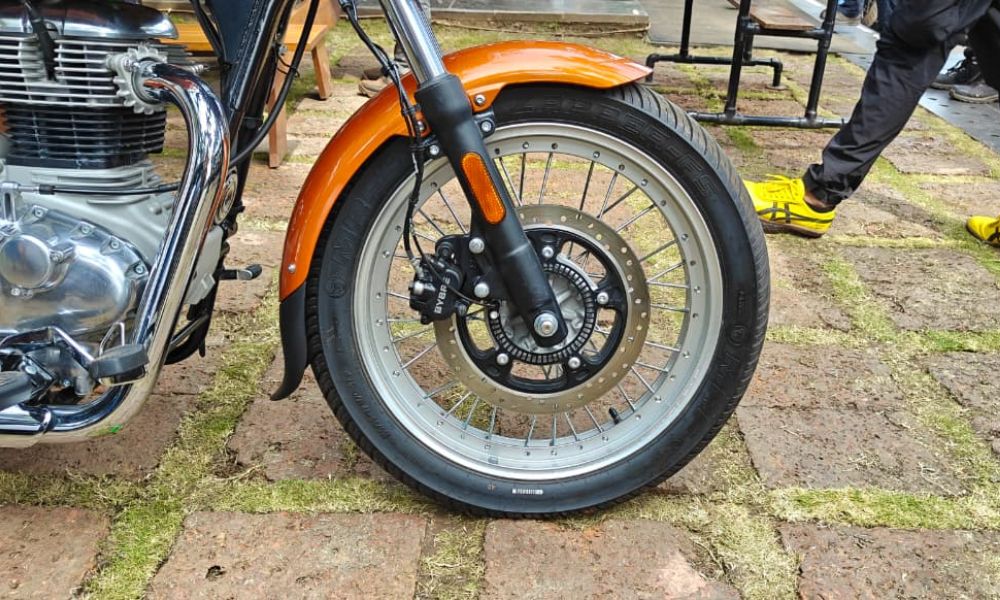
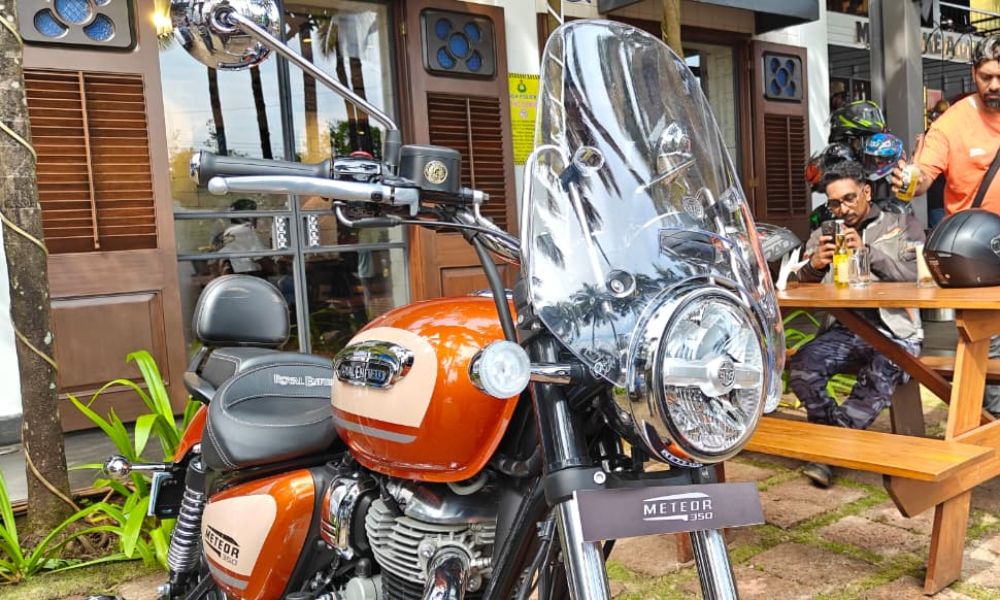
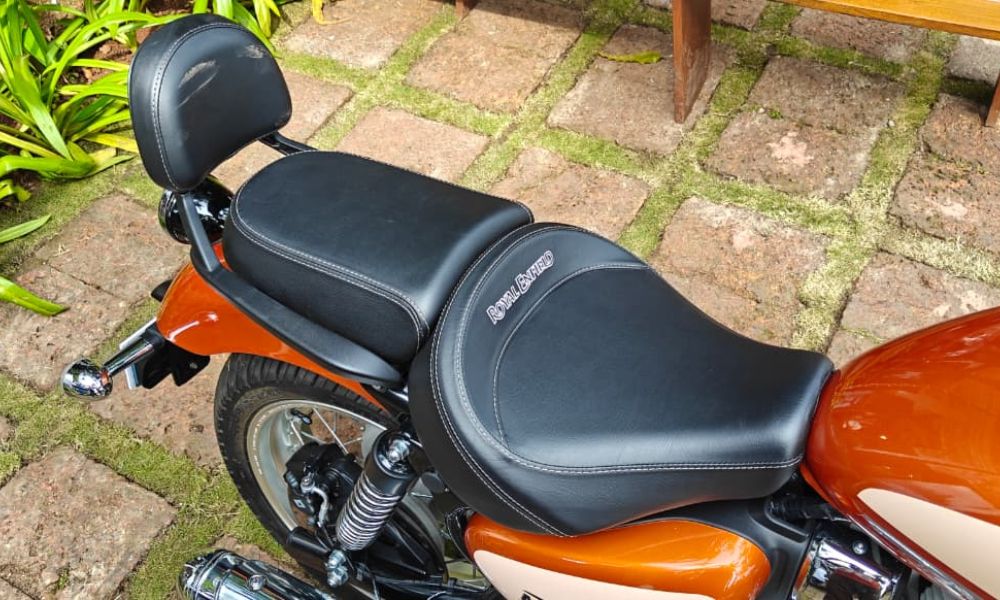
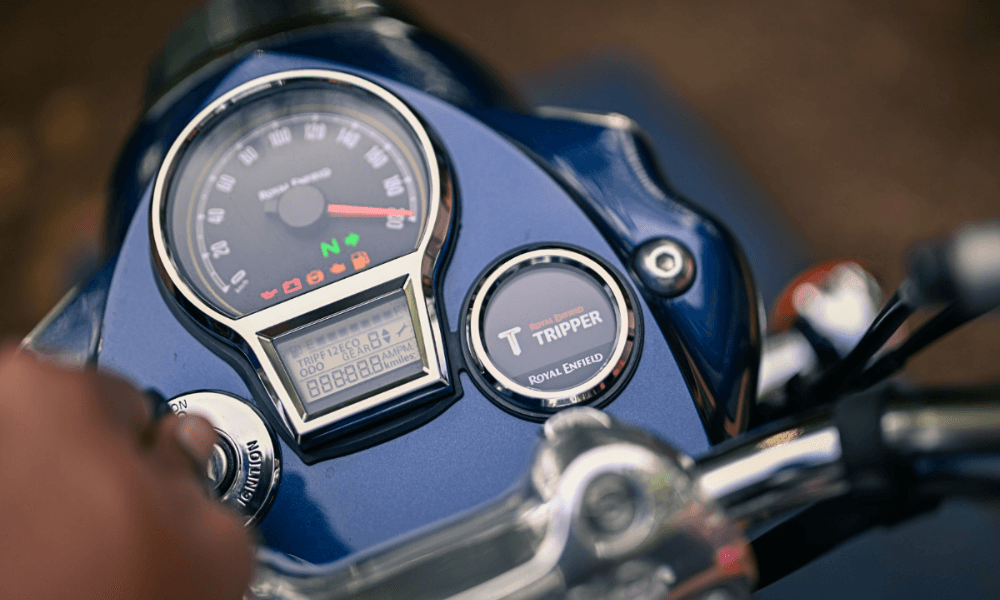
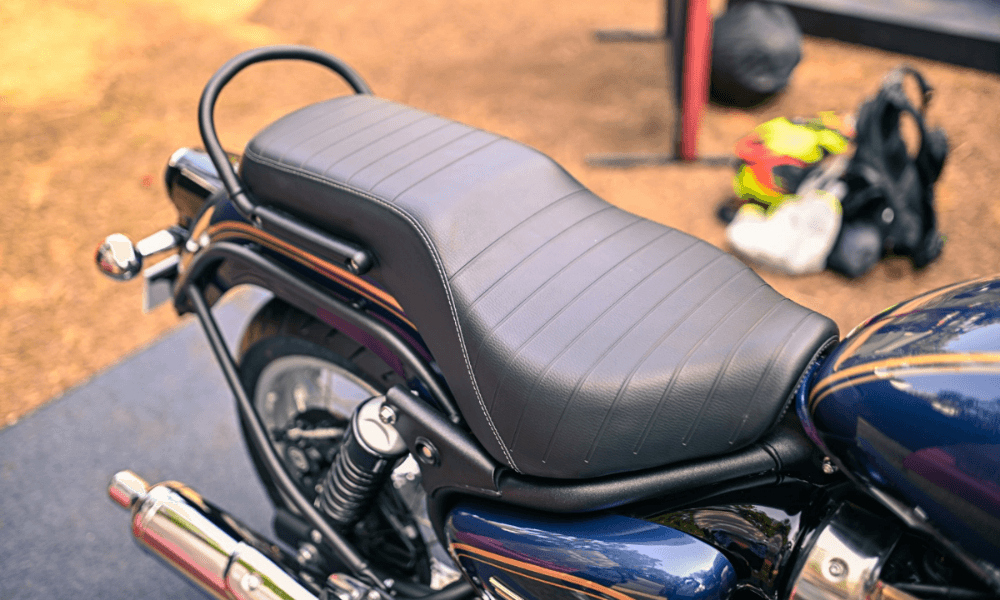
The Sundowner Orange edition also comes with a set of factory-fitted accessories. These include a touring seat, a flyscreen, a passenger backrest, and Royal Enfield’s Tripper navigation pod. However, what’s interesting is that this special edition also gets aluminium tubeless spoked wheels.
This limited-run version includes a commemorative badge, and Royal Enfield says it has been introduced to mark the Meteor community, which has now grown to over half a million riders globally.
There are no changes to its powertrain. The motorcycle continues to be powered by the 349 cc single-cylinder, air-cooled engine that produces 20.2 bhp and 27 Nm of peak torque, paired with a five-speed gearbox.
Priced at Rs 2.19 lakh (ex-showroom), this version sits just above the Rs 2.16 lakh Super Nova trim. For an additional Rs 3,000, it offers the extra features that come with the limited-edition package.
from carandbike - News https://ift.tt/tQnpmeh
via IFTTT
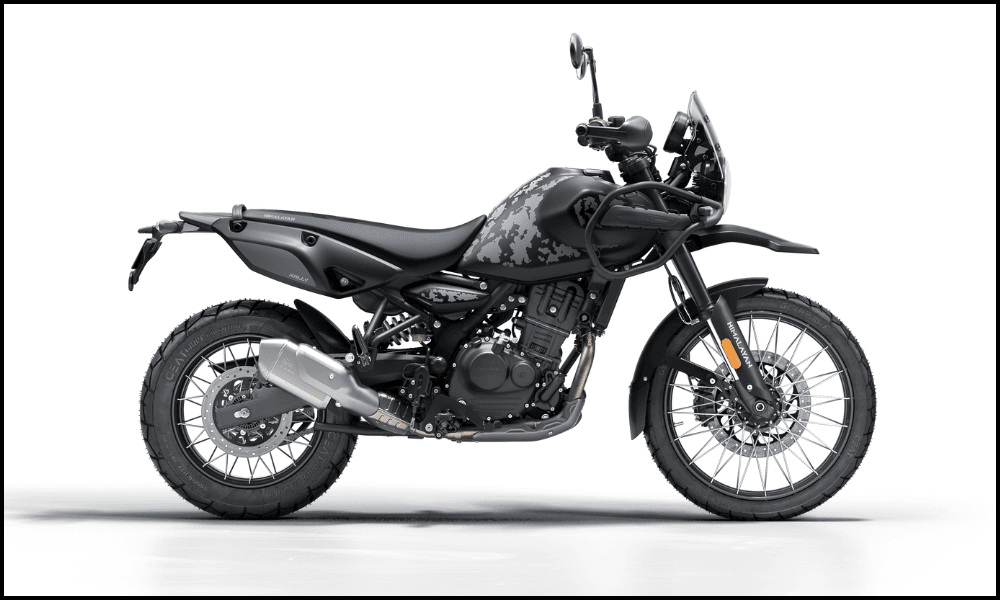
Following its global debut at EICMA 2025, Royal Enfield has launched the Himalayan 450 Mana Black Edition in India at Motoverse 2025. Priced at Rs 3.37 lakh (ex-showroom), it effectively becomes the new range-topping variant, positioned above the Hanle Black trim. The edition draws inspiration from Uttarakhand’s Mana Pass, which is one of India’s highest motorable roads.
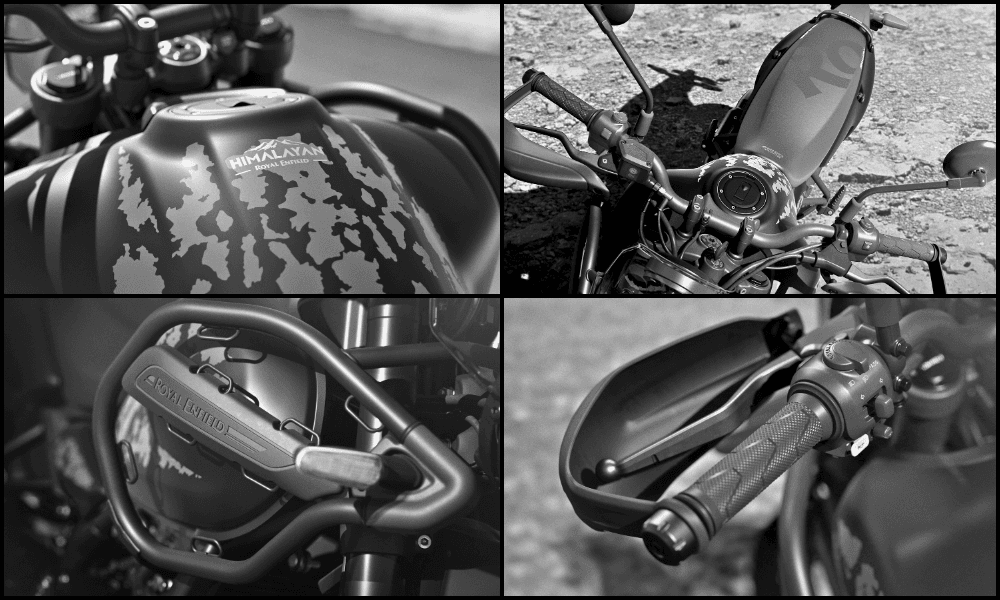
The Mana Black Edition gives the Himalayan a full blacked-out treatment. This new trim features an all-black paint scheme that extends across the body panels and cycle parts, complemented by subtle grey graphics on the fuel tank. It also gets a set of accessories, including black rally handguards, a rally seat, a raised rally-style front fender, and a rally-inspired rear section. Tubeless spoked wheels are part of the package as well.
All updates are cosmetic, with no mechanical changes over the standard model. That said, it continues to be powered by the 452 cc single-cylinder, liquid-cooled Sherpa engine producing 39.5 bhp at 8,000 rpm and 40 Nm at 5,500 rpm, paired with a 6-speed gearbox.
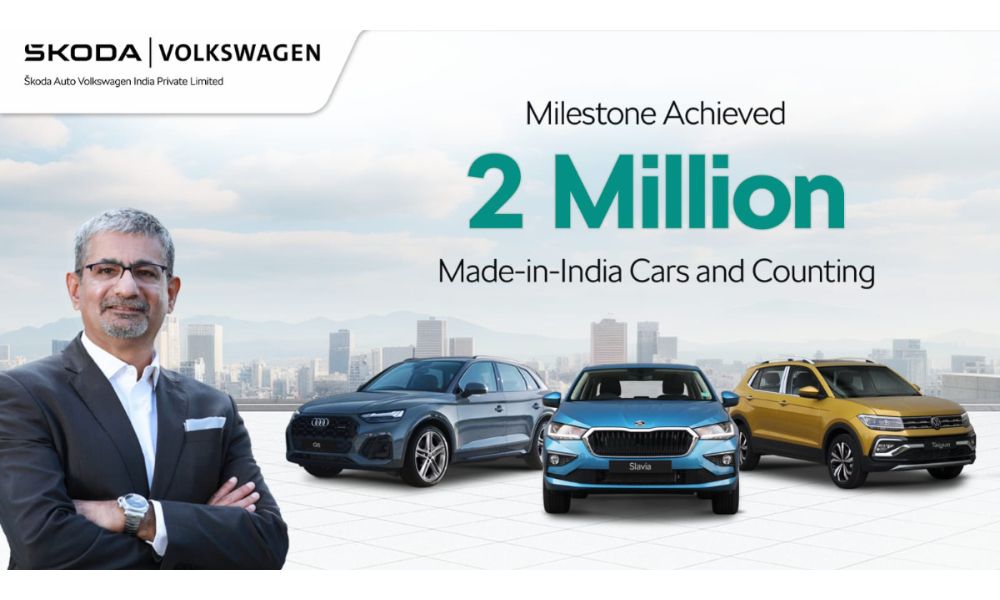
Skoda AutoVolkswagen India Pvt Ltd (SAVWIPL), the Indian arm of the VW Group, has announced that it has locally produced over 2 million cars in the country. The announcement comes as the company celebrates 25 years in India, with the first locally manufactured models rolling out in 2001 with the Skoda Octavia.
Commenting on the milestone, Piyush Arora, CEO & Managing Director, Škoda Auto Volkswagen India, said, “Every milestone we achieve in India reflects our strong belief in the country’s potential - not just as a market but as a driving force in the future of mobility. The 2-million mark is the outcome of consistent investment in people, technology and local capability. It also speaks to the exceptional trust Indian customers place in our six brands.”
SAVWIPL currently locally manufactures a range of models under the Skoda, Volkswagen and Audi brands spread across its plants in Chakan and Chhatrapati Sambhajinagar (formerly Aurangabad).
The company revealed that over 5 lakh units of the 2 million manufactured comprised of its India 2.0 models – the Skoda Kylaq, Kushaq & Slavia, along with the VW Taigun & Tiguan. The company also revealed that the last 5 lakh locally produced units were in the past 3.5 years.
The India 2.0 plan has looked to revitalise the sales performance of both Skoda and VW in India in recent years. Skoda reported its best-ever year in India in 2022, post the launch of the Slavia and Kushaq and is currently on course to set a new record year in 2025. The Czech carmaker has already surpassed its 2022 sales numbers with two months still to go in the year – the success coming from strong demand for the Kylaq subcompact SUV that launched earlier this year.
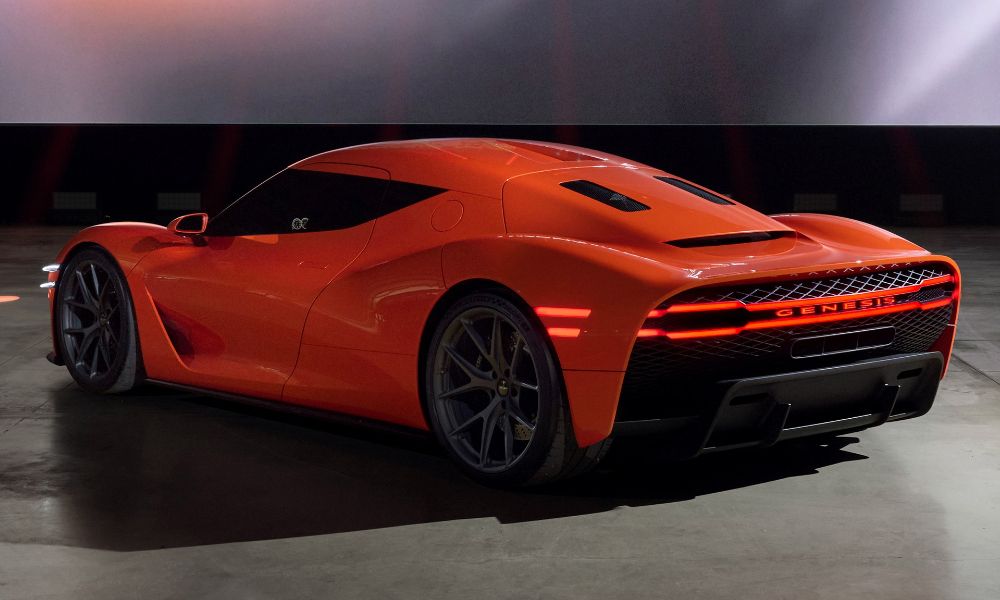
Hyundai Motor Group’s luxury car brand Genesis provided the first clear look at what could be its future halo performance model. Unveiled as a near-production concept, the Magma GT Concept previews a future mid-engine high-performance super sports car from the Korean firm that is expected to arrive by the end of the decade.
“The Magma GT Concept represents the pinnacle of our performance vision and stands as a symbol of our commitment to true motorsport capability,” commented Luc Donckerwolke, President and Chief Creative Officer of Genesis.
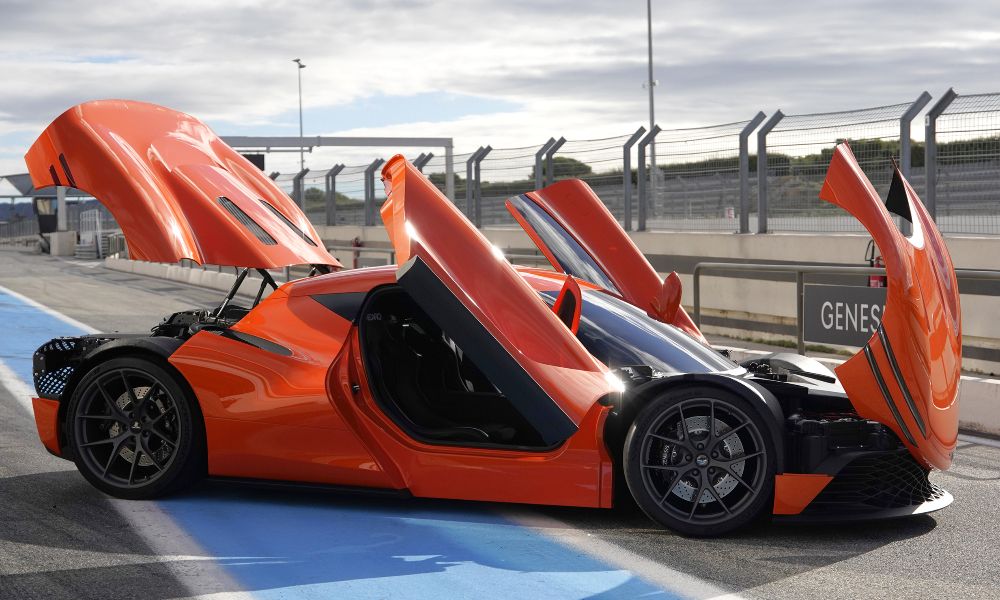
The Magma GT Concept looks the part of a proper rear-mid engine super sports car with its sleek lines, bulging fenders and raked rear deck. The fascia retains the Genesis trademark dual blade headlamps positioned on a reverse-hinged clamshell bonnet, while the bumper features a large full-width air vent. Uniquely, the headlamps themselves have been styled as canards to help generate downforce over the front end.
Moving towards the sides, the concept features vents behind the front wheels to aid in brake ventilation, flush-fitting door handles on the butterfly doors and intake vents atop the rear fenders. The roof features an intake duct while the powertrain is tucked away beneath a body-coloured panel with integrated venting to help heat escape. The entire rear deck forms part of a single-piece engine cover.
The rear features the twin-bar LED lightbar tail lamp design with extensions on the rear fenders. An illuminated Genesis wordmark sits between the two light units. The entire lighting setup is positioned on a large rear vent to help extract heat from the powertrain.
Genesis is yet to confirm what powertrain could be featured in its halo product, though we could be looking at a hybrid set-up – petrol engine + electric motors as against an all-electric or petrol-only powertrain. Genesis has also confirmed that the GT will also feed into its race track ambitions with a derivative due to compete in GT racing. The company has already confirmed its entry into Le Mans and LMP2 racing with the GMR-001 hypercar.
from carandbike - News https://ift.tt/x7OIkQ5
via IFTTT
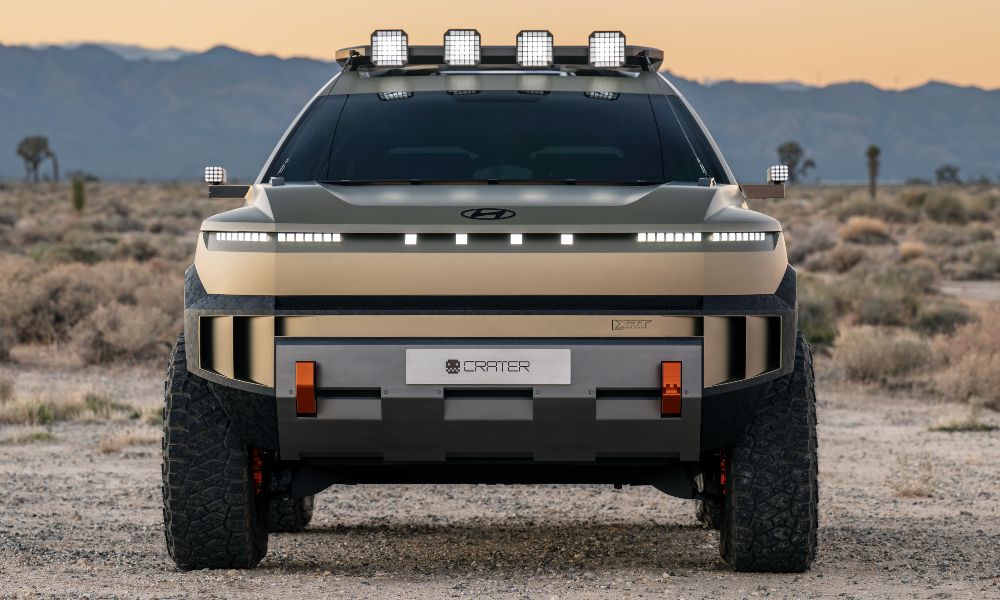
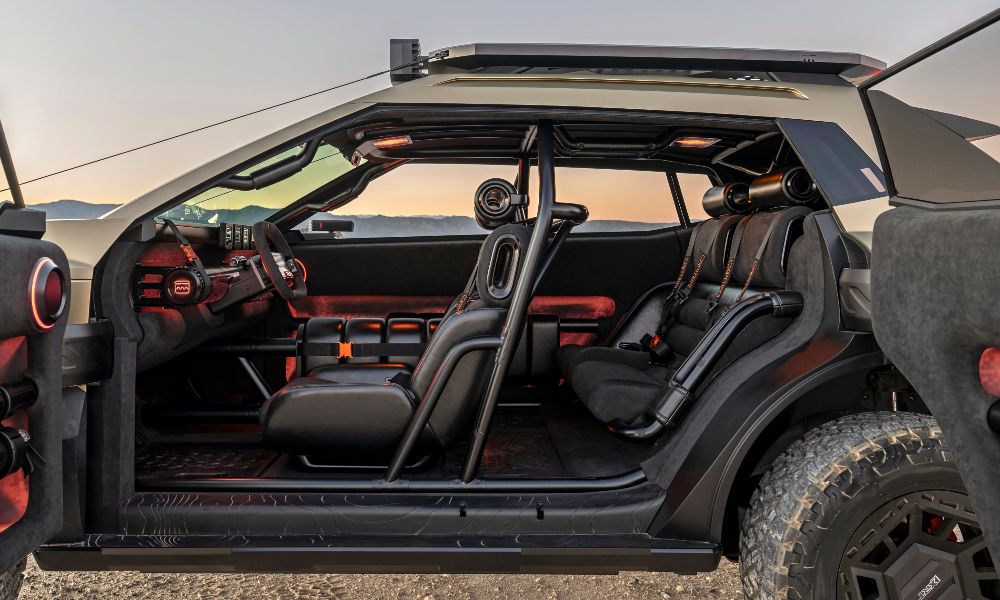
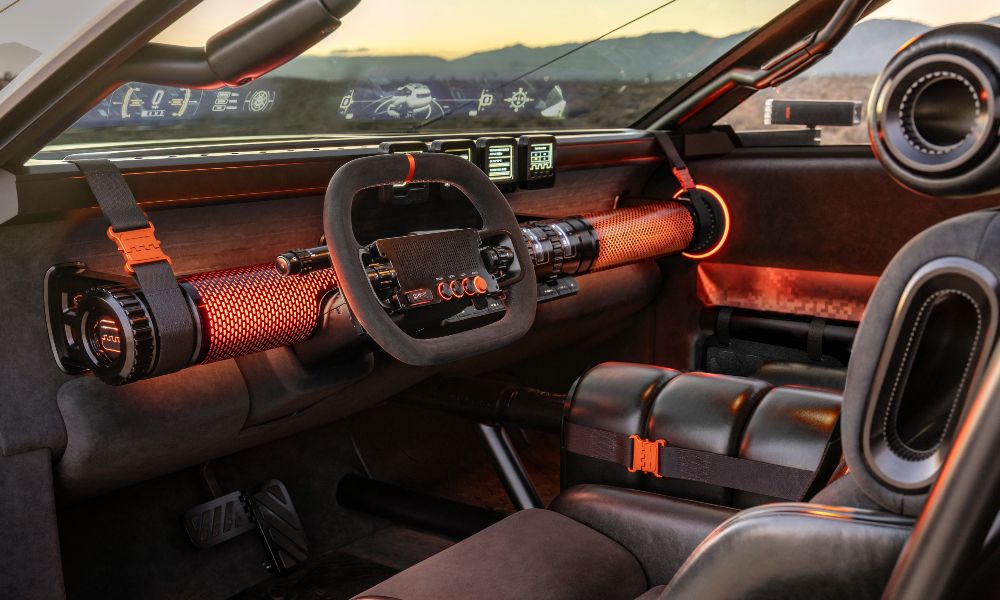
Hyundai has showcased what it calls ‘the next evolution’ of its XRT model series, the Crater off-road SUV Concept. Set to be showcased at the LA Auto Show 2025, the Crater was designed by Hyundai’s technical centre in California and features a rugged and boxy design paired with a cabin that would not be out of place in a sci-fi movie.
The exterior design follows what Hyundai calls its ‘Art of Steel’ design with boxy proportions, upright stance and prominent cuts and creases. The nose is characterised by a 3D LED lighting element at the base of the bonnet, incorporating the Hyundai ‘four dot’ logo seen on the brand’s EVs. The SUV features an enclosed grille and chunky front bumper replete with recovery hooks. The heavily sculpted bonnet features cables that extend towards a roof rack that aims to protect the windshield from branches and other debris. The front-end design is rounded out by auxiliary lamps featuring unique symbolic characters that Hyundai calls ‘Crater Man’.
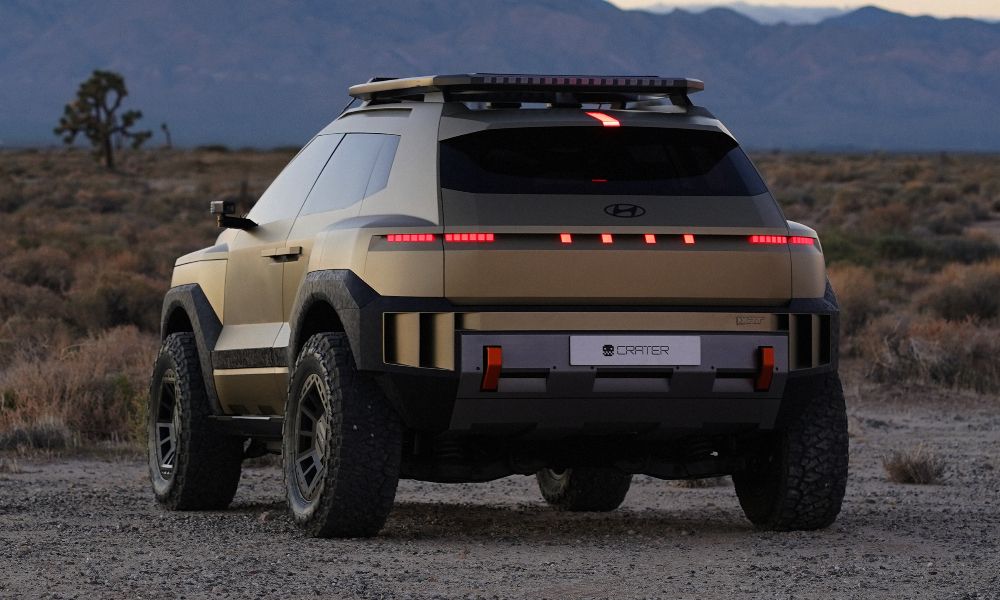
Moving to the sides, the Crater features exaggerated wheel arches filled out by 18-inch rims wrapped in 33-inch off-road tyres. The wheel arches and side body feature chunky cladding as well. The traditional rear-view mirrors are replaced by unique removable cameras that also double up as flashlights in the dark. The Crater features rear-hinged rear doors and lacks a traditional B-pillar.
Around the back, the design is characterised by prominent haunches, a rugged bumper and a lighting design similar to the unit up front.
The Crater integrates a roll cage into its bodyshell, with the side support visible when the doors are opened. The cabin design itself looks straight out of a movie, with cylindrical design elements situated throughout the cabin. The vehicle features a pillar-to-pillar HUD in place of traditional instrumentation and a centre touchscreen with the centre console housing a row of four small displays displaying more ‘Crater Man’ symbols. As with Hyundai’s current XRT models, the Crater concept features terrain modes in the form of physical buttons mounted to the steering.
No powertrain details of the concept were provided, with Hyundai having previously called it a ‘show vehicle.’ The brand, however, recently confirmed that it was eyeing an off-road-ready SUV for the Indian market, which is likely to draw some design inspiration from the concept.
from carandbike - News https://ift.tt/8GJbFPu
via IFTTT
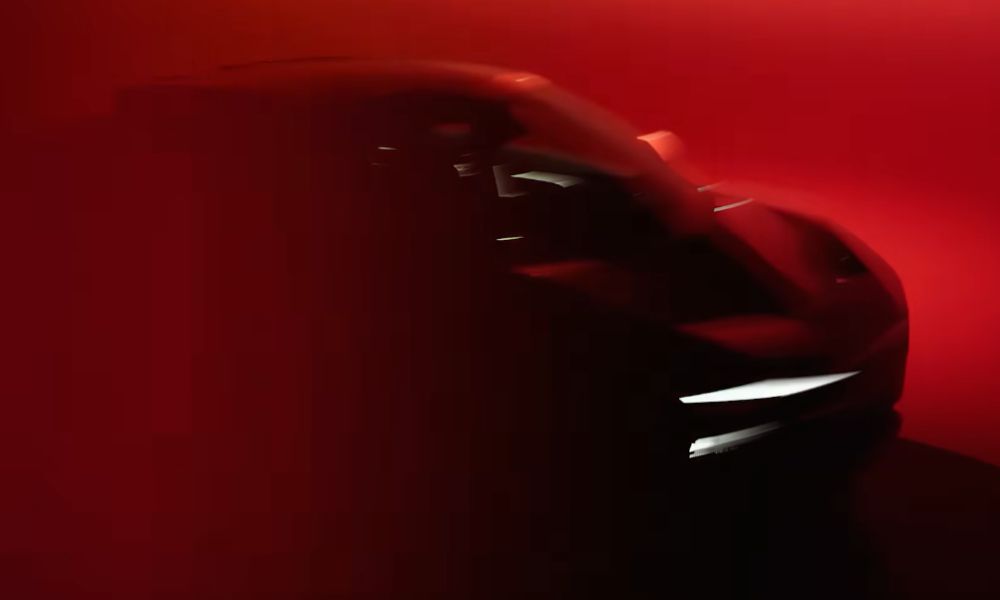
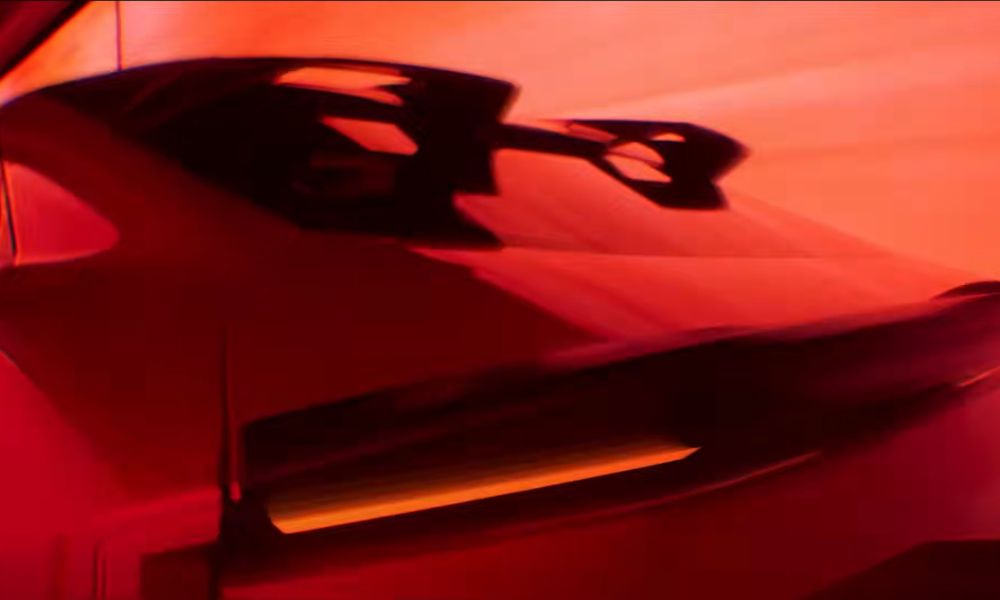
Aside from a string of teasers for its upcoming XEV 9S seven-seat SUV, Mahindra has now teased a new variant of the BE 6 that will debut on November 26, 2025. While the teaser clearly shows what looks to be the BE 6, what stands out for the model is the revised lighting setup front and rear that looks to mirror the BE 6-based BE Rall-E concept from 2023.
Mahindra had long tested the Rall-E alongside the standard BE 6 before the latter’s launch, so the new model could very well be its production-ready derivative. It, however, remains to be seen if the production model will carry over the Rall-E name into production.
The teaser reveals a redesigned front lighting setup with the SUV dropping the C-shaped DRL lighting of the standard BE 6 in favour of simpler LED eyebrows, while the main headlamps are set slightly lower down as well. This would suggest that the bumper design could be notably different from the standard BE 6.
Around the back, too, the SUV looks to have dropped the C-shaped lighting for a simpler lightbar style unit, while elements such as a small lip spoiler and roof-mounted twin-spoiler look to be retained from the standard SUV. Mahindra also provided a look at the wheels with the new variant retaining the same aero wheel designs as the standard BE 6, though it remains to be seen if Mahindra could give the EV all-terrain tyres in line with the 2023 Rall-E concept’s off-roading looks.
Coming to the powertrain, the new variant is likely to retain the same powertrain options as offered on the standard BE 6, pairing a rear-drive electric motor with either a 59 kWh or 72 kWh battery. All-wheel drive, too, could be a possibility with the XEV 9S expected to debut the dual motor setup on the same date.
from carandbike - News https://ift.tt/HnbFgQO
via IFTTT
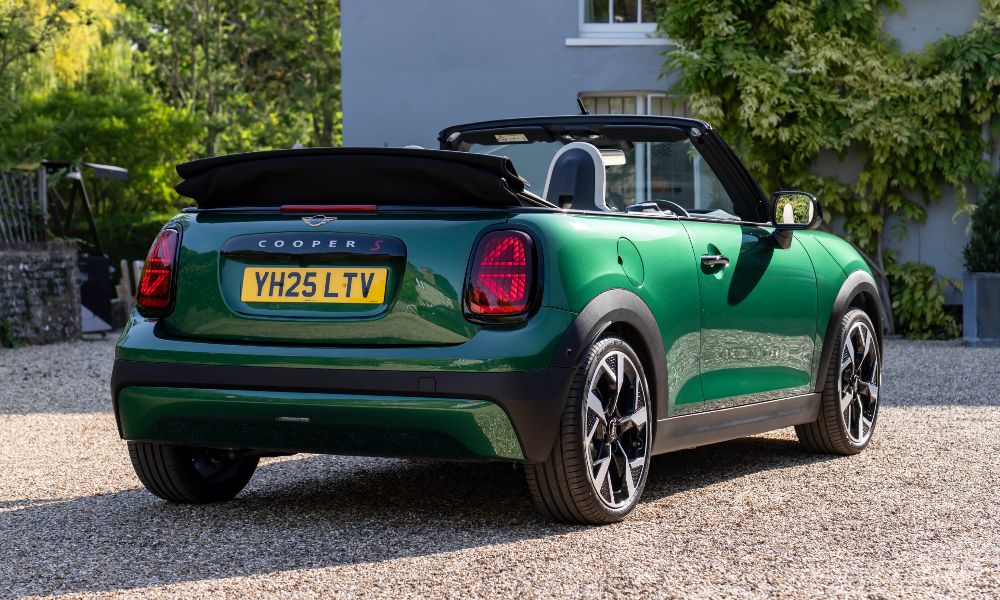
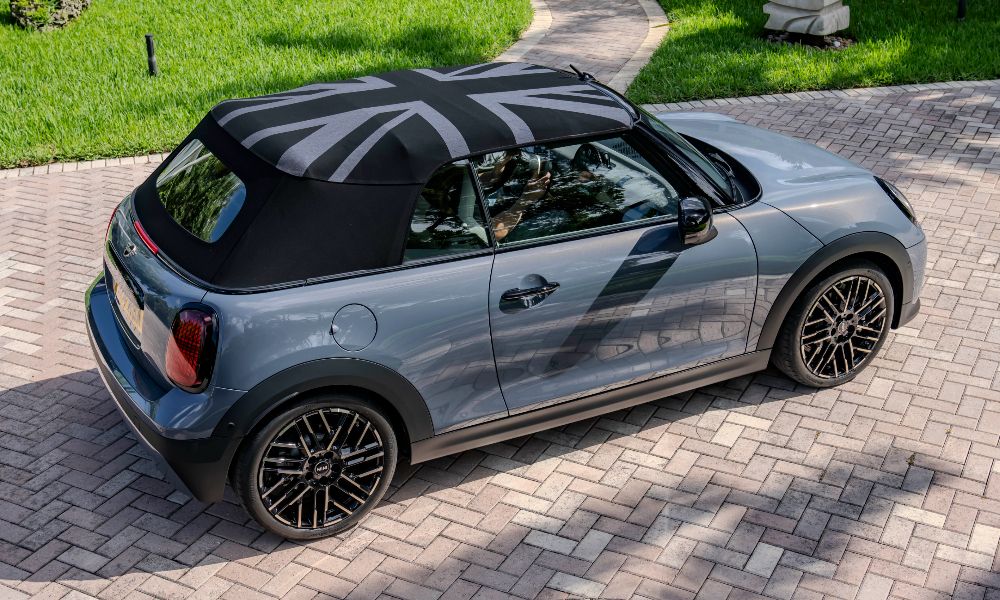
Mini India has commenced accepting bookings for the new Cooper Convertible ahead of its launch in December 2025. The Cooper Convertible is the drop-top derivative of Mini’s iconic 3-Door hatch, replacing the fixed roof with a power folding soft top that can be operated at speeds of up to 30 kmph.
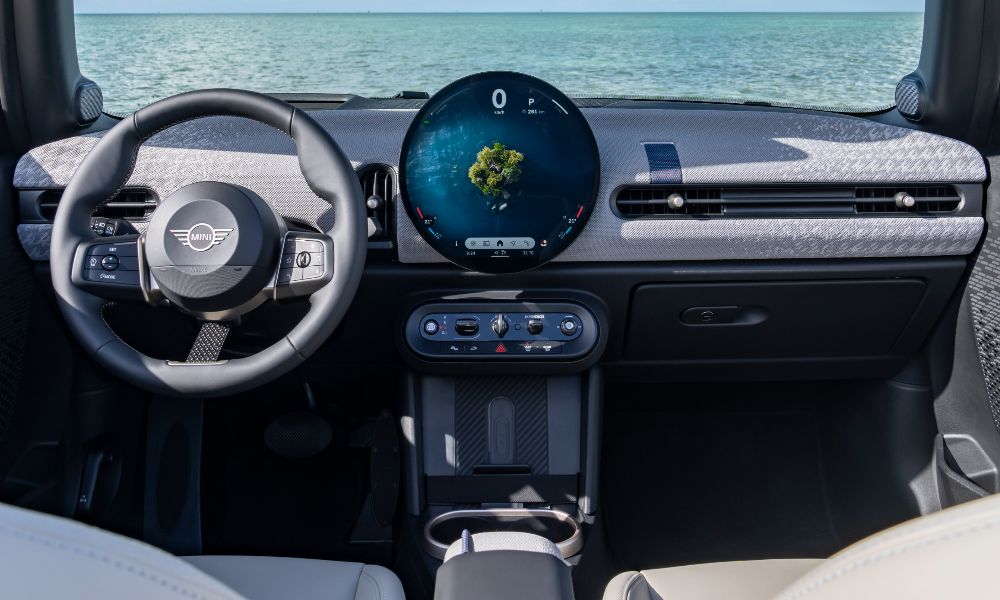
On the design front, the folding soft-top aside, the Cooper Convertible gets no notable design differences over its hardtop counterpart. The cabin, too, is much the same, with the large circular central touchscreen acting as the nerve centre for the vehicle, with a row of physical switches below and a textured finish to the dashboard and upper doors.
As for the spec, India is expected to get the Cooper Convertible in its hot Cooper S spec with a 2.0-litre turbo-petrol engine under the hood, good for 201 bhp and 300 Nm. Power is sent to the front wheels via a 7-speed automatic gearbox as standard. Globally, the Convertible is also offered in entry-level Cooper C spec with 161 bhp & 250 Nm on tap and the performance John Cooper Works spec that pushes out 228 bhp and 380 Nm.
As with the standard Cooper S already on sale in the country, buyers can expect Mini to offer some degree of customisability with the Convertible. Expect the Convertible to also be similarly kitted out as the hatchback, getting features such as a head-up display, tyre pressure monitoring, a Harman Kardon sound system, powered front seats with memory, connected car tech and more.
from carandbike - News https://ift.tt/CUZsRz3
via IFTTT