Welcome to Gulf News, your premier destination for comprehensive coverage and insights into the dynamic landscape of the Gulf region and beyond. As a trusted source of news and information, we pride ourselves on delivering timely updates, in-depth analysis, and compelling stories that resonate with our diverse audience.
From breaking news to in-depth features, business trends to cultural happenings, sports highlights to technological advancements, Gulf News covers it all with accuracy, integrit
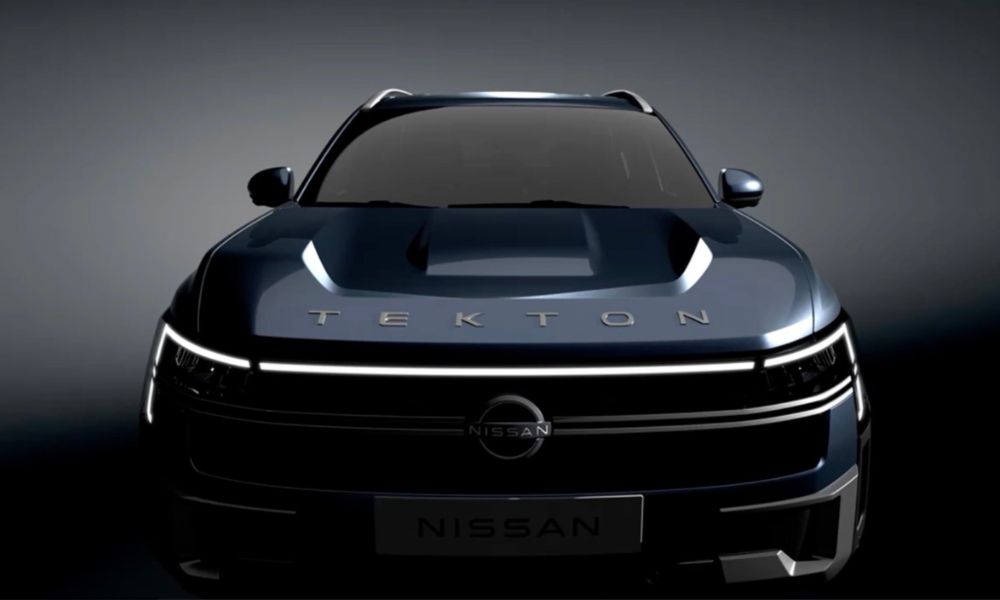
Nissan once again provided a glimpse at its much-anticipated compact SUV for India as well as confirming a name - Tekton. The Tekton will be Nissan’s second attempt at taking on the growing C-SUV segment and arriving around 6 years after the discontinuation of the Terrano. Nissan has said that the Tekton will make its India debut in Q2 2026.
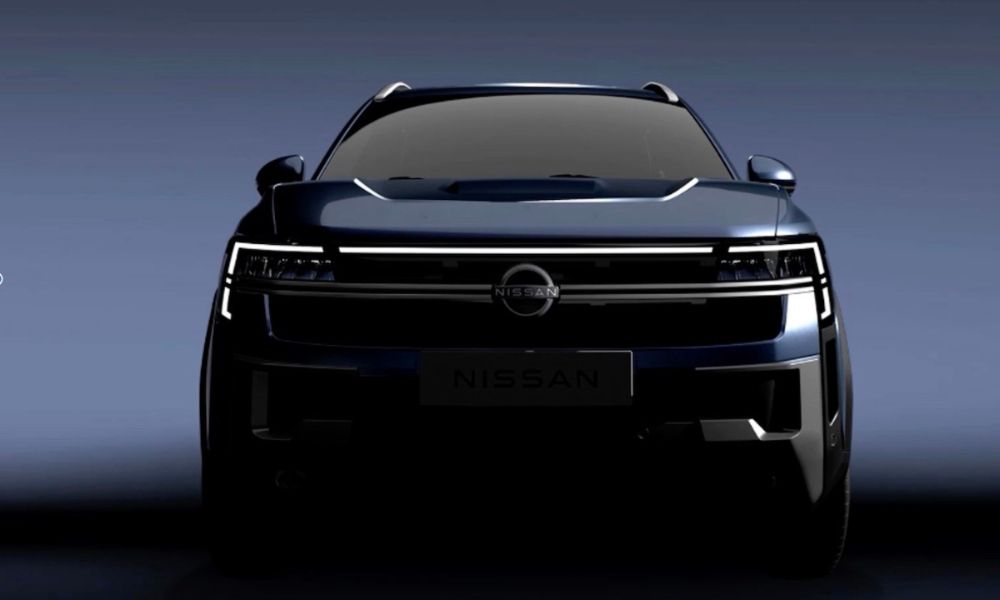
The name reveal was accompanied by a host of teaser images of the actual model, with Nissan previously having shared sketches of the SUV. The Tekton will certainly have that boxy SUV appeal, with the teasers confirming details such as its squared-out proportions and prominent flared fenders and haunches.
Up front, the fascia is dominated by a large rectangular grille bracketed by L-shaped headlamps with integrated daytime running lamps. A lightbar runs along the upper edge of the grille. The bumper also features an angular design with squared-off vent designs and grey plastic cladding, adding to the SUV’s overall look. The bonnet is heavily sculpted as well. Overall, the design shares aspects with the brand’s flagship Patrol SUV sold in global markets.
Down the sides, the unique design elements are the double C-shaped panel on the front door that Nissan says contains the motif inspired by the Himalayas. The window line features a sharp kink on the rear doors. As seen on some other cars in the Indian market, the rear door handles are mounted on the C-pillar, occupying the space of a traditional rear quarter window.
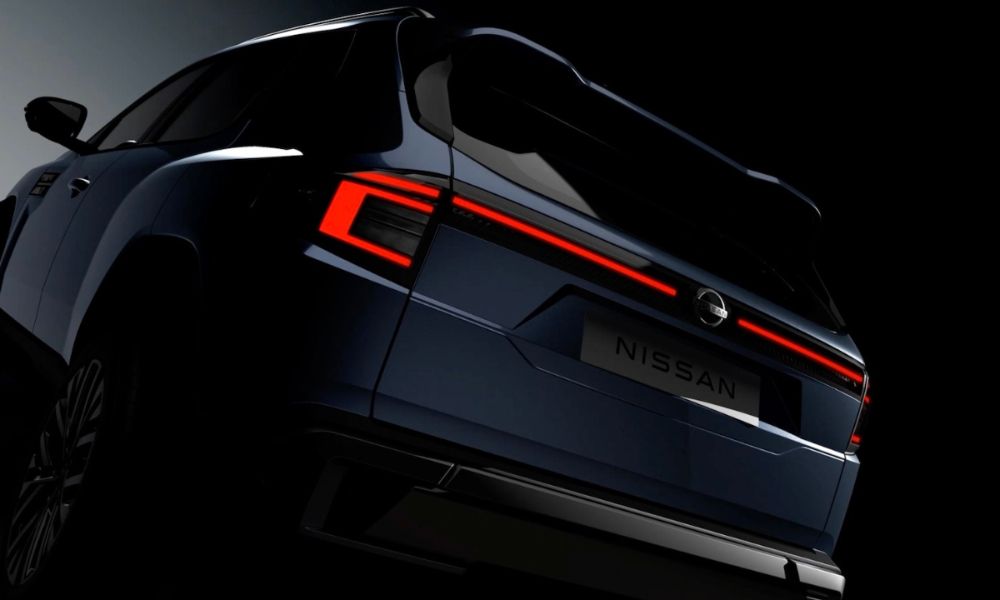
Moving to the rear, the Tekton will feature a connected tail lamp setup with C-shaped light guides housed in the main tail lamp unit. The rear bumper, too, features squared-out detailing and prominent use of cladding.
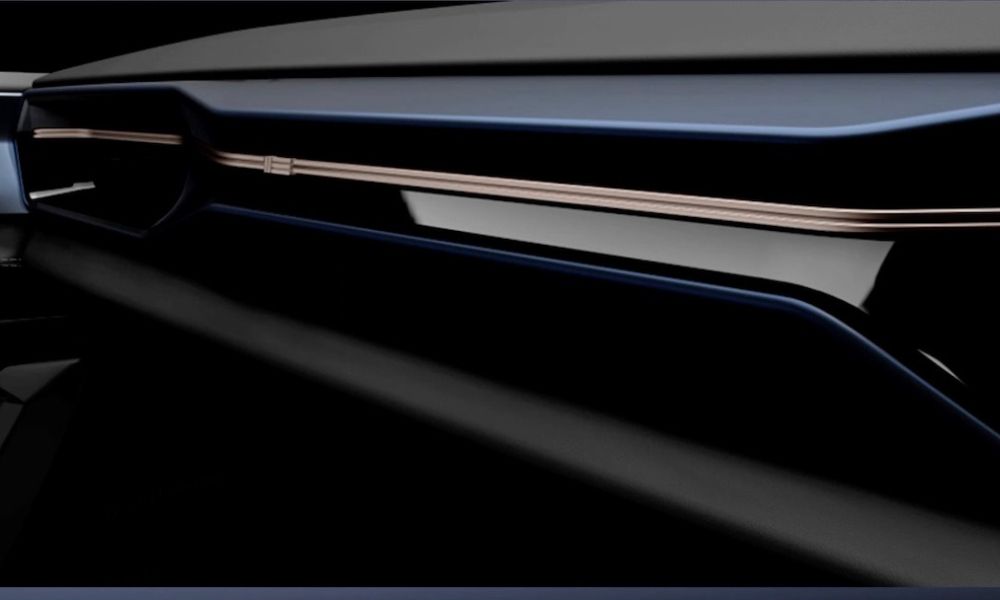
The latest images also provide a glimpse at the cabin, revealing the co-driver side of the dashboard, which reveals elements such as the use of soft touch materials, gloss black and body-painted trim.
The new Tekton will be manufactured in partnership with Renault at the plant in Chennai alongside its Renault-badged sister model, which is also expected to arrive next year. Both C-SUVs will share the same platform and powertrains with top hats also expected to share similarities - similar to the VW Taigun and Skoda Kushaq.
The Tekton is expected to be Renault’s third mass market model for the Indian market and second all-new product for 2026. The company had earlier this year confirmed that it would be launching its own derivative of the Renault Triber seven-seater in the market as well.
from carandbike - News https://ift.tt/7TUQuyR
via IFTTT
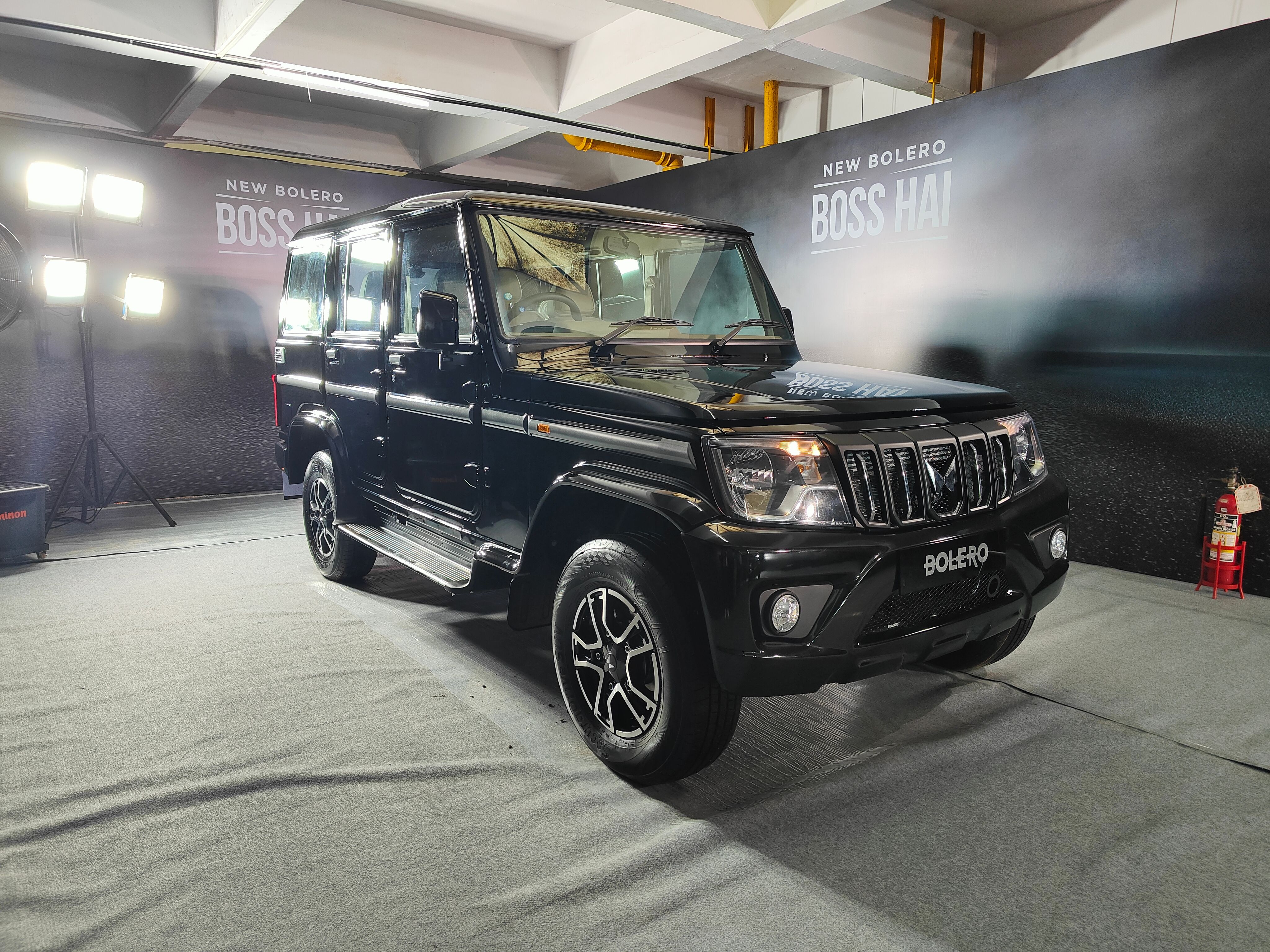
The Mahindra Bolero and the Bolero Neo have been launched in India with several updates for the festive season. Both SUVs come with some cosmetic changes and a handful of feature updates, which make them a bit more appealing to customers. While the 2025 Bolero is priced between Rs. 7.99 lakh and Rs. 9.69 lakh, the more modern sibling, Bolero Neo, is priced at Rs. 8.49 lakh to 9.99 lakh (all prices ex-showroom). Now the Mahindra Bolero is offered in four variants – B4, B6, B6(O), and B8. The Bolero Neo, on the other hand, is offered in five variants – N4, N8, N10, N10(O), and N11.
2025 Mahindra Bolero
Starting with the classic Bolero, exterior changes made to the SUV are just cosmetic. This includes a refreshed grille, new foglamps and new 15-inch diamond cut alloy wheels. However, you still don’t get LED lighting; both the headlights as well as the fog foglamps are halogen units. However, Mahindra has introduced a new colour for the SUV called Stealth Black, which comes with dark grey inserts.
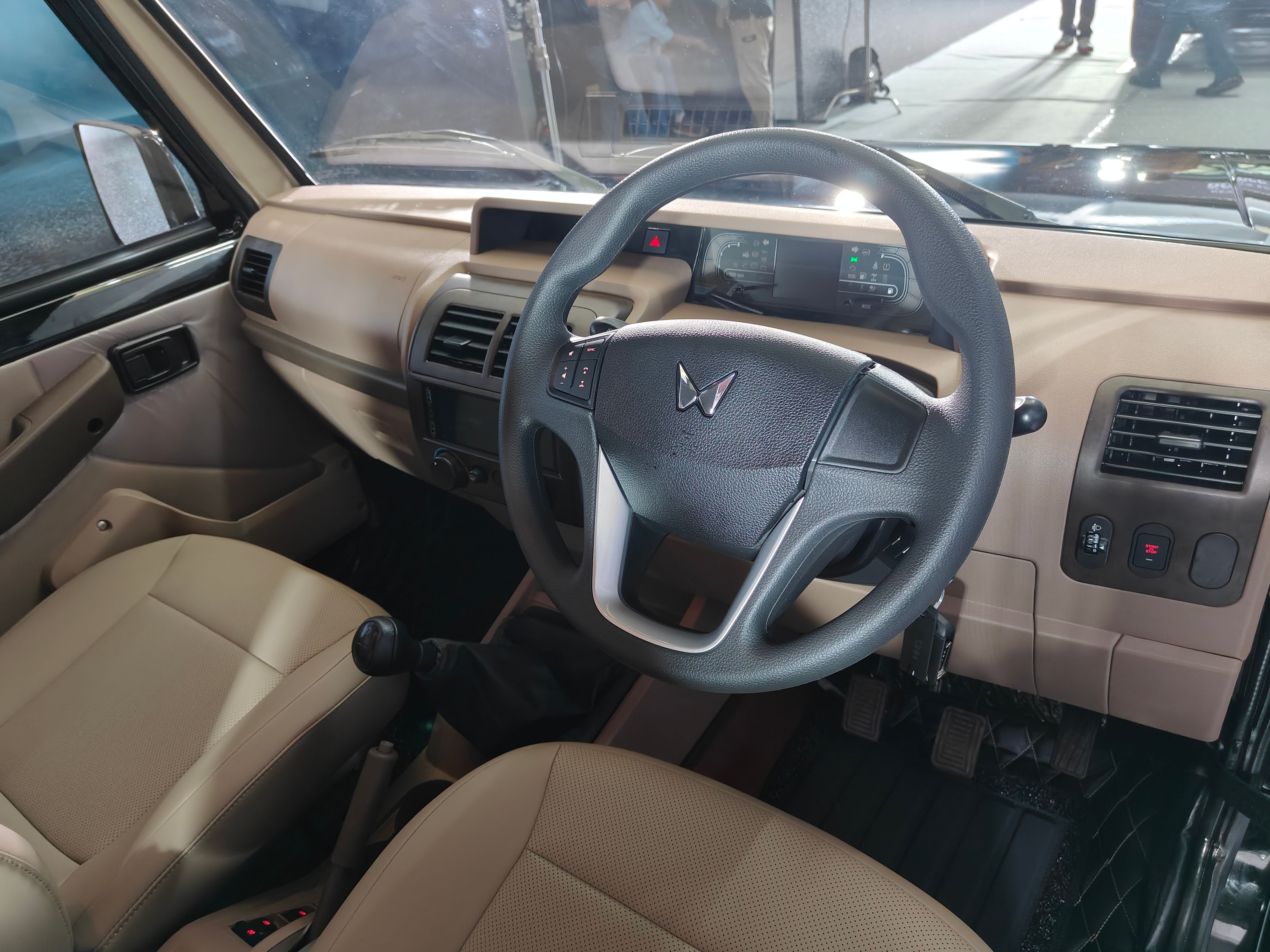
As for the cabin, changes mainly include new seat covers with improved cushioning. Based on customer demand, the company has also added a small rectangular touchscreen infotainment display. Now the Bolero also comes with steering-mounted audio controls, a couple of Type A USB ports and a Type C USB port.
Mahindra Bolero Neo
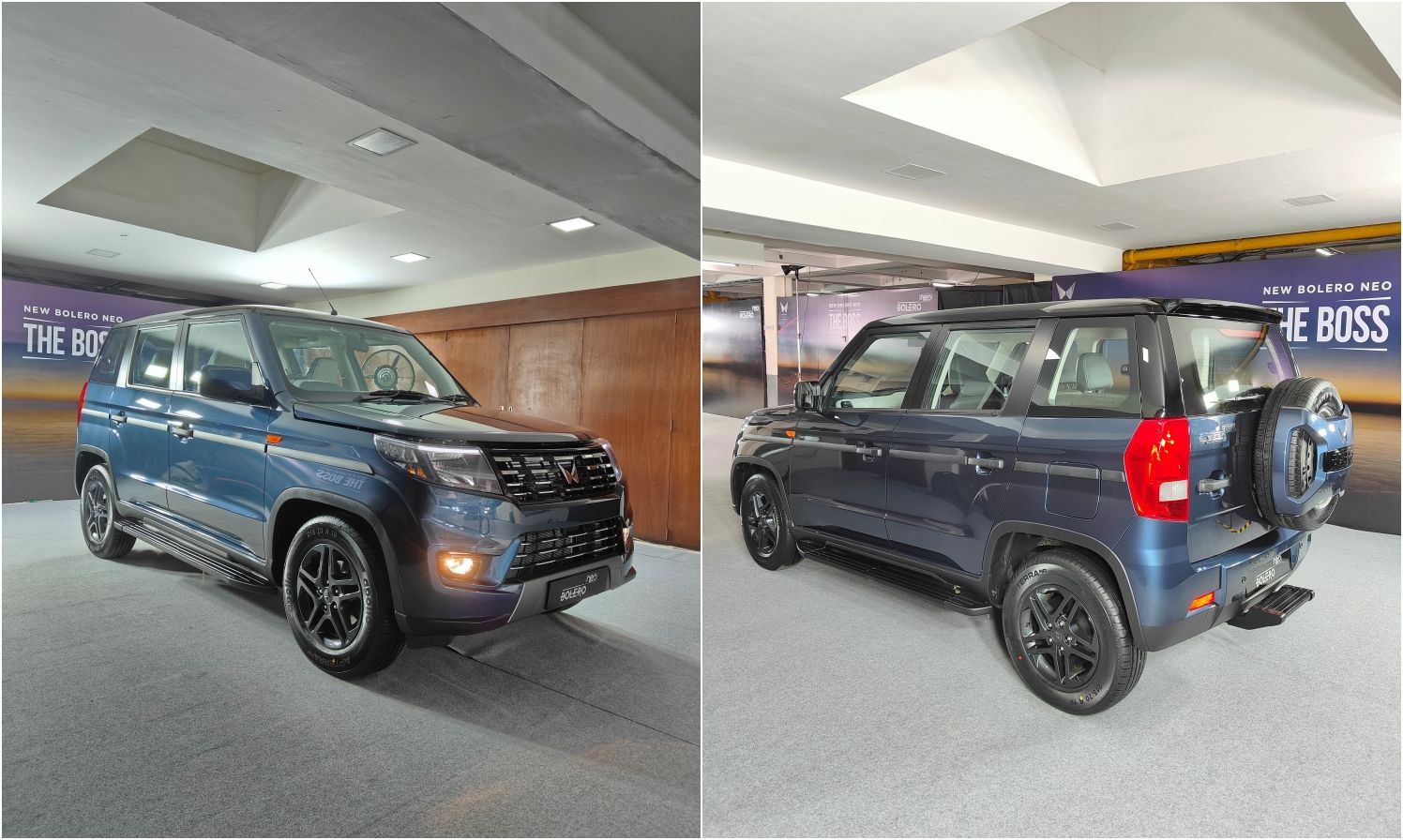
The Mahindra Bolero Neo, at the same time, gets a bunch of updates compared to the standard Bolero. The Neo also gets a new grille with new 3D chrome accents and dark metallic grey 16-inch alloy wheels. Mahindra is also offering two new colour options, Jeans Blue and Concrete Grey, in addition to the dual-tone black roof option.
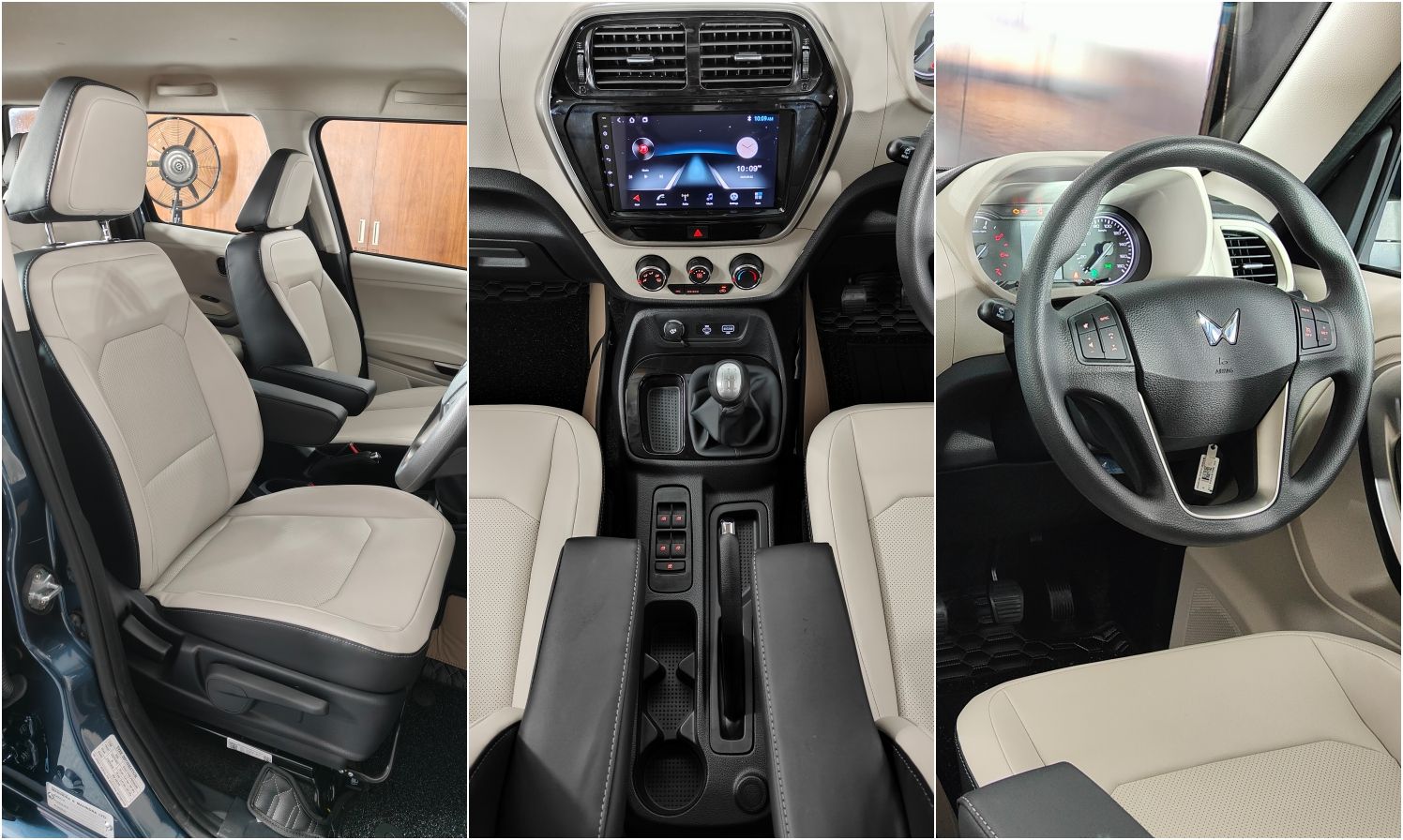
The Bolero Neo now also gets a new top-end N11 variant with added bells and whistles, including a new interior shade - Lunar Grey. All other variants below come with Mocha Brown interior. The top-spec model also gets leatherette seat covers with better cushioning for comfort, a new 9-inch touchscreen, a Type-C USB port for charging and a reverse camera.
Engine & Transmission
Mechanically, both the Mahindra Bolero and the Bolero Neo remain unchanged. The former features the same 1.5-litre three-cylinder diesel engine making 74 bhp and 210 Nm of peak torque. The Bolero Neo gets a more powerful 1.5-litre mHawk100 motor that makes 99 bhp and 260 Nm. Both models get a 5-speed manual transmission as standard.
In fact, the Bolero Neo also gets a Multi-Terrain mode with the N10 and N10 (O), but the feature goes missing in the top-spec N11 trim. Both SUVs also claim to have received updates to the suspension tuning as part of the Rideflo pack for better dynamics.
from carandbike - News https://ift.tt/Af9Lz6b
via IFTTT
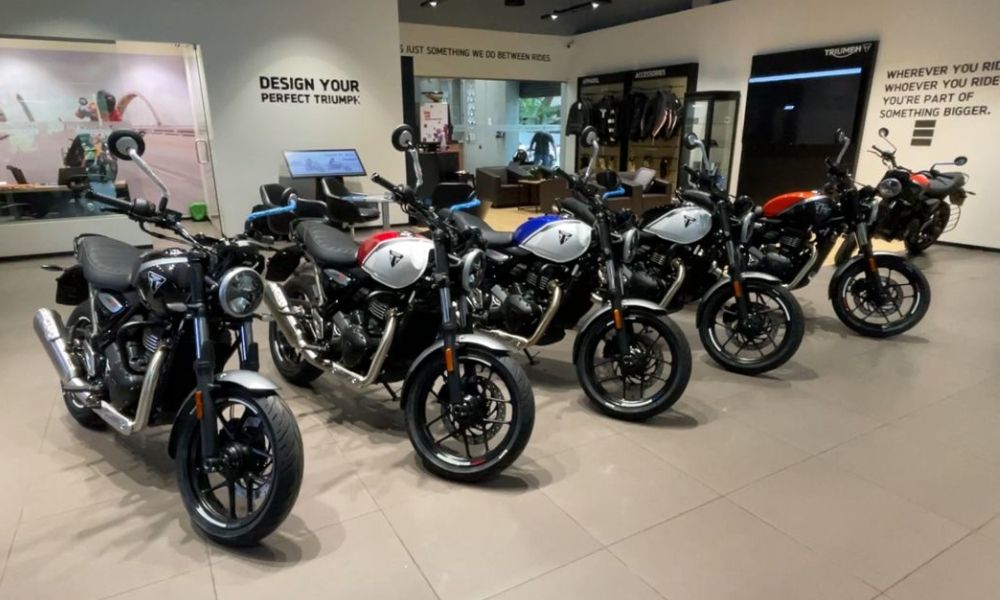
Triumph Motorcycles has announced a price reduction on its Speed 400 and Speed T4 models in India. The move comes in with the onset of the festive season and soon after the implementation of the new Goods and Services Tax (GST) on motorcycles above 350cc. While the brand had opted to absorb the price hike due to GST reform, the company has now introduced an additional price reduction to further boost the brand’s accessibility, sales and overall footfall during this festive season.
The Speed 400 now carries a new price tag of Rs 2,33,754 (down from Rs 2,50,551), while the Speed T4 is available at Rs 1,92,539 (down from Rs 2,06,738). This price revision translates to a benefit of up to Rs 16,797 depending on the model selected.
By choosing to absorb the additional tax burden, Triumph Motorcycles and Bajaj Auto Ltd. aims to ensure its prospective buyers about their customer-first approach, while committing to deliver value-focussed products without compromising on quality or performance. With this approach, it can be agreed that Triumph has managed to capture the attention of those who have been planning to purchase a motorcycle in this segment. Triumph’s 400 cc range since its introduction has steadily managed to report a positive growth in terms of sales.
Commenting on the announcement, Manik Nangia, President, Probiking, Bajaj Auto Ltd., said, “The Speed 400 and Speed T4 have set benchmarks in performance, design, and accessibility. By absorbing the impact and introducing a price slash, Triumph and Bajaj Auto are reaffirming their focus on the Indian market and its customers, ensuring the Speed range continues to deliver unmatched value. We have also seen monthly volumes nearly double since FY23–24, with a strong surge in demand before the GST revision, which is a clear reflection of the trust and aspiration customers associate with Triumph. We are confident of sustaining this momentum going forward.”
from carandbike - News https://ift.tt/z0P64wF
via IFTTT
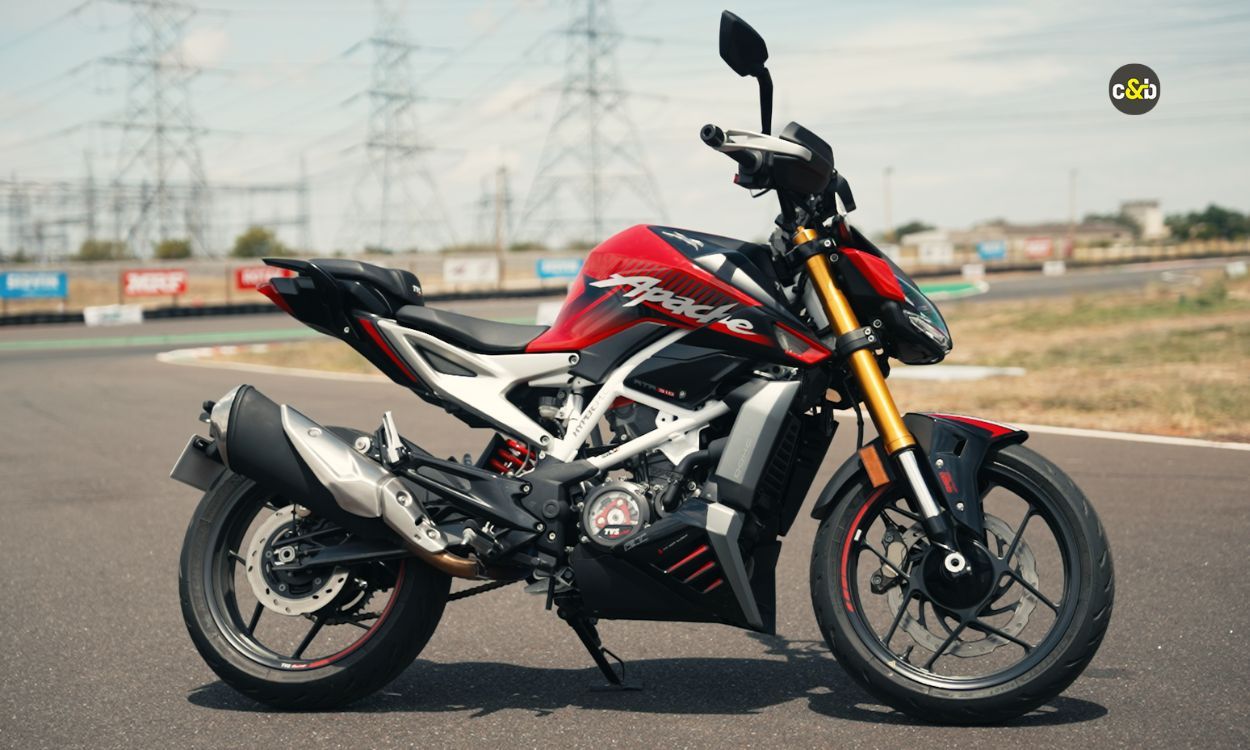
TVS Motor Company’s highly anticipated adventure touring motorcycle, the Apache RTX 300, will be launched on October 15, 2025. The RTX 300 will be the brand’s first model to be based on the company’s RT-XD4 engine, which was unveiled at the 2024 MotoSoul, the annual motorcycling festival organised by TVS. We will be riding the new RTX 300 adventure-touring motorcycle after the launch, so look out for our first impressions, coming soon.
The TVS Apache RTX 300 was briefly seen at the 2025 Bharat Mobility Global Expo, and revealed its touring-oriented design language. It has not been officially unveiled yet.
The RT-XD4 engine is the latest from TVS, with a 299 cc displacement, with liquid-cooling, a four-valve head and dual overhead cams. The engine is tuned to put out 34.5 bhp at 9000 rpm and 28.5 Nm of peak torque at 7000 rpm and is paired with a six-speed gearbox with a slip and assist clutch. Ride-by-wire throttle system should open up other features like multiple ride modes as well as traction control. Switchable ABS is expected, as well as a full-colour TFT display with Bluetooth connectivity, turn-by-turn navigation and full-LED lighting.
The RTX-D4 engine is a 299 cc, liquid-cooled, 4-valve, DOHC unit which makes 34.5 bhp and 28.5 Nm
The RTX 300 will be a touring-focussed adventure bike, rather than hardcore off-road ability, and the chassis and cycle parts reflect that personality. Patent images reveal quite a few details, from the trellis frame with a bolt-on rear subframe, along with an upside-down fork and rear monoshock. Underscoring the RTX 300’s long-distance touring personality is the road biased alloy wheels, with a 19-inch front and 17-inch rear combination. In terms of design, the TVS RTX 300’s patent images reveal a half-fairing with a tall windscreen, muscular fuel tank and a sleek tail section with a rear luggage rack.
TVS Motor Company’s new adventure bike is likely to rival models like the KTM 250 Adventure, Yezdi Adventure and Royal Enfield Scram 440. We expect prices of the TVS Apache RTX 300 to be around Rs. 2,50,000 (Ex-showroom).
from carandbike - News https://ift.tt/Eiealm6
via IFTTT
September 2025 was a bit of a mixed bag when it came to new car sales, with the month playing host to some notable festivities and major policy announcements. The period of Shraad, typically highlighted by a downturn in sales, was followed by the auspicious Navaratri, while the Indian Government implemented revised GST rates across the board for cars, which saw carmakers announce a reduction in vehicle prices starting September 22.
Maruti Suzuki
While Maruti Suzuki remained the comfortable leader in domestic vehicle sales, wholesales in the domestic market were notably lower than September last year. Domestic passenger vehicle sales stood at 1,32,820 units - down from 1,44,962 units in September 2024, with the carmaker continuing to see low demand in the entry hatchback segment and a marked drop in sales of its Utility Vehicle range.
Sales of the Alto and S-Presso stood at just 7,208 units compared to 10,363 units last year, though sales of its larger compact hatchbacks and sedans grew from 60,480 units to 66,882 units last month. Utility vehicle sales shrank from 61,549 units to 48,695 units, while sales of the Eeco van declined from 11,908 units in September 2024 to 10,035 units last month. Ciaz reported yet another month of zero sales.
Sales to other OEMs meanwhile stood at 11,750 units while exports grew from 27,728 units last year to 42,204 units in September 2025. Overall, the carmaker did report a marginal growth with 1,89,665 units dispatched compared to 1,84,727 units in the same month last year.
Tata Motors
The battle for second place looks to be intensifying in 2025 with Tata Motors laying stake to the position in September. The homegrown carmaker reported sales of 59,667 units in the domestic market - a 45 per cent growth year-on-year. Exports, meanwhile, were up almost 400 per cent from a low 250 units last year to 1,240 units.
Cumulative passenger vehicle sales stood at 60,907 units - up 47 per cent year-on-year. with EVs accounting for 9,191 units - up 96 per cent, and marking a new high for the brand. CNG vehicle sales too reached a new all-time high with 17,800 units dispatched.
Individually, the Nexon posted its best-ever sales performance in a month for the brand, with over 22,500 units sold. The company said that this was not only a best-ever performance for the Nexon brand but for any Tata passenger vehicle to date. The company also reported a doubling in bookings post the GST 2.0 price revisions, hinting at an even stronger performance in the coming months.
Mahindra
Fellow homegrown SUV maker Mahindra took third place in the month with domestic sales of 56,233 units - a 10 per cent gain over September 2025. Total passenger vehicle sales, meanwhile, stood at 58,714 units.
The company also reported an upturn in demand during the nine days of Navaratri with a 60 per cent growth in customer retail over Navaratri in 2024. The company also reported constraints in dealer shipments, citing a shortage of vehicle trailers to ship models to dealerships across the country.
Year-to-date, Mahindra reported passenger vehicle sales of 2,97,570 units - a 14 per cent growth year-on-year.
Hyundai
Hyundai ended September in fourth place behind Mahindra and Tata with domestic sales of 51,547 units. Sales were relatively flat in the domestic market compared to September 2024, when the carmaker reported 51,101 units sold. Exports however were up from 13,100 units to 18,800 units.
The Creta reported its best ever month of sales to date with 18,861 units sold, while the Venue, due to be replaced in the coming months, is also witnessing a resurgence in demand. The sub-compact SUV reported sales of 11,484 units, the highest in the last 20 months. The shift to SUVs was also evident in the demand pattern, with Hyundai reporting that SUVs accounted for over 72 per cent of vehicles sold.
Toyota
Toyota Kirloskar Motor reported domestic sales of 27,089 units in September 2025, up from 23,802 units in the same month last year. Exports stood at 4,002 units compared to 3,045 units last year. Cumulatively, Toyota reported sales of 31,091 units - a 16 per cent jump over the same period last year.
Moving to the financial year, Toyota reported sales of 1,84,959 units in the six months from April to September 2025, up from 1,62,623 units in the same period last year.
Kia
Kia reported sales of 22,700 units in the month of September 2025 - a growth of almost 16 per cent over August though sales were down year-on-year. Sales in September 2024 stood at 23,523 units. Exports in the month meanwhile stood at 2,606 units.
Kia also reported a change in customer sentiment in the month with the GST 2.0 reform and festive season, leading to an influx of customers and growing demand for its cars.
On a year-to-date basis, Kia looks set to outdo its sales performance compared to the mast year with 2,06,582 units sold as of end-September 2025. The carmaker had sold 1,92,690 units in the same period last year.
Honda
Honda Cars India reported a downturn in passenger vehicle sales in September 2025 compared to the same month last year. Cumulative sales amounted to 8,096 units - down from 10,911 units last year. Sales in the domestic market were relatively flat - 5,303 units compared to 5,675 units last year though exports were notably down from 5,236 units to 2,793 units.
The carmaker however expressed a positive outlook for the coming months with the ongoing festive season and GST 2.0 reforms already increasing footfalls at dealerships across the country.
Skoda India
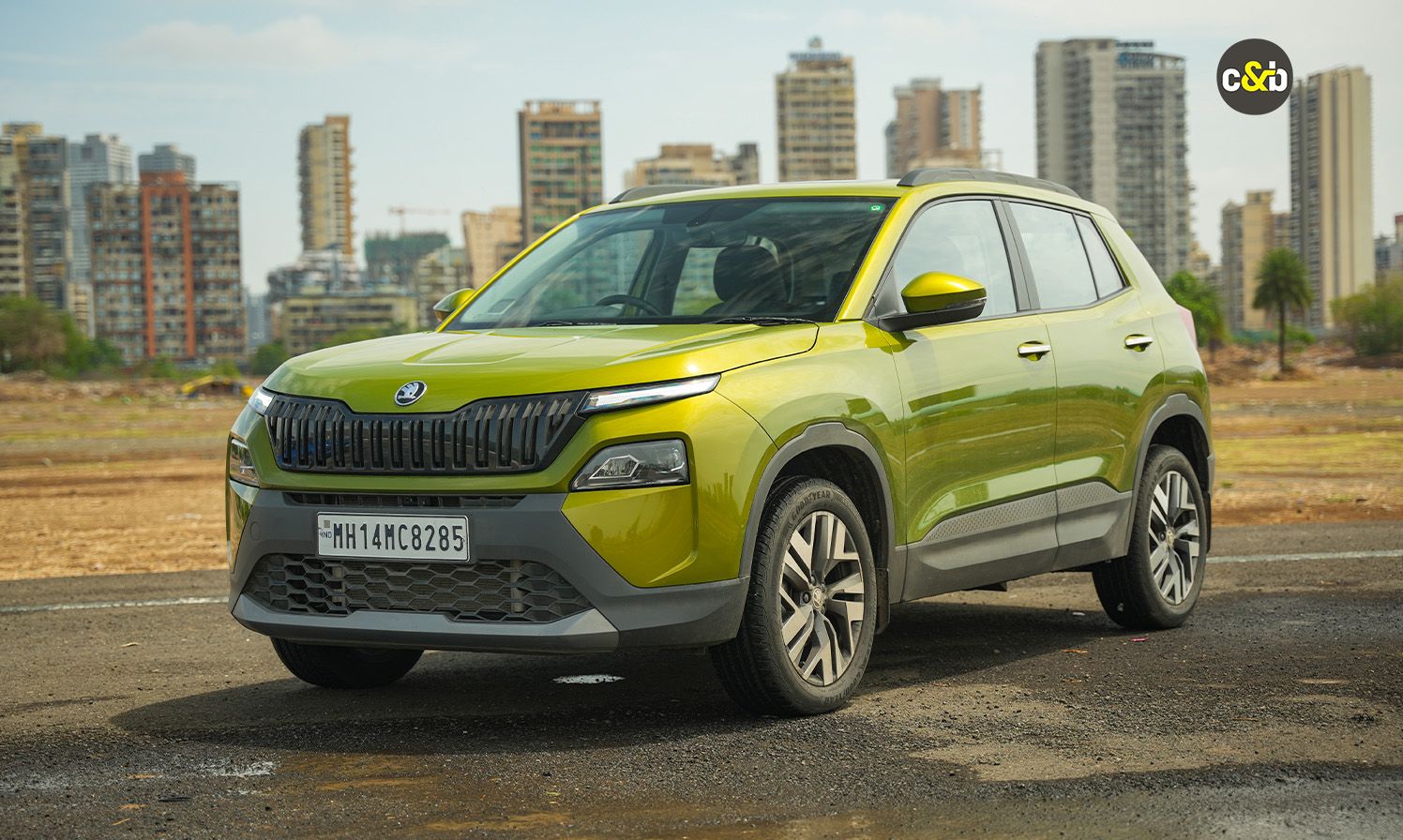
Skoda continues to report a strong sales growth in 2025 on the back of demand for its sub-compact SUV, the Kylaq. The carmaker reported a 101 per cent year-on-year growth in sales in September 2025 with 6,636 units sold. Sales in the quarter ending Setpember meanwhile stood at 17,161 units - a 110 per cent gain over the smae period last year.
The brand said that it had so far sold 53,355 units so far this calendar year. Of this the Kyaq accounted for over 34,500 units.
Nissan
Nissan reported cumulative sales of 10,500 units in the month of September - a 9.3 per cent growth over the same period last year. The primary driver behind the growth remained the brand’s performance in export markets with 8,872 units of the 10,500 units shipped off to markets outside India. Sales in the domestic market stood at 1,652 units.
from carandbike - News https://ift.tt/dr5faPW
via IFTTT
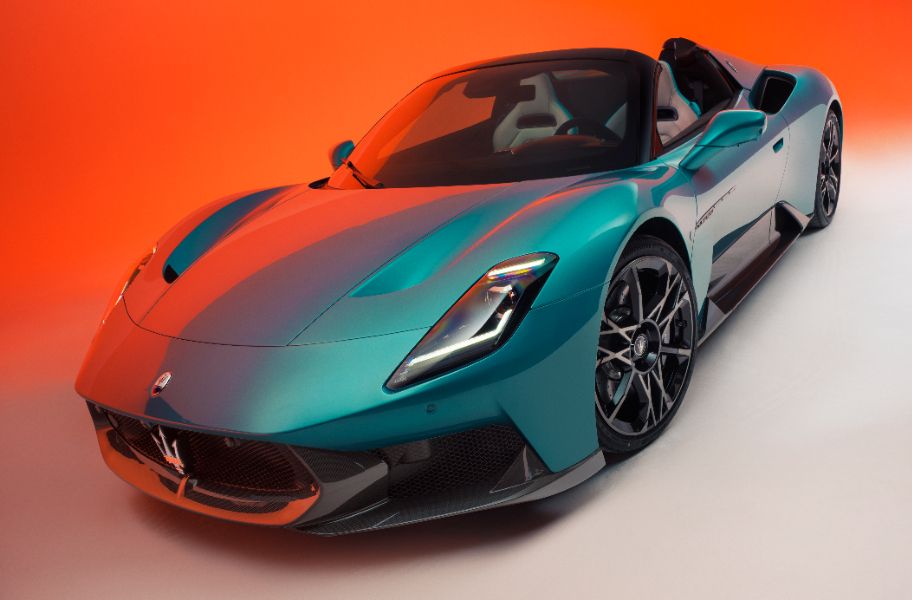
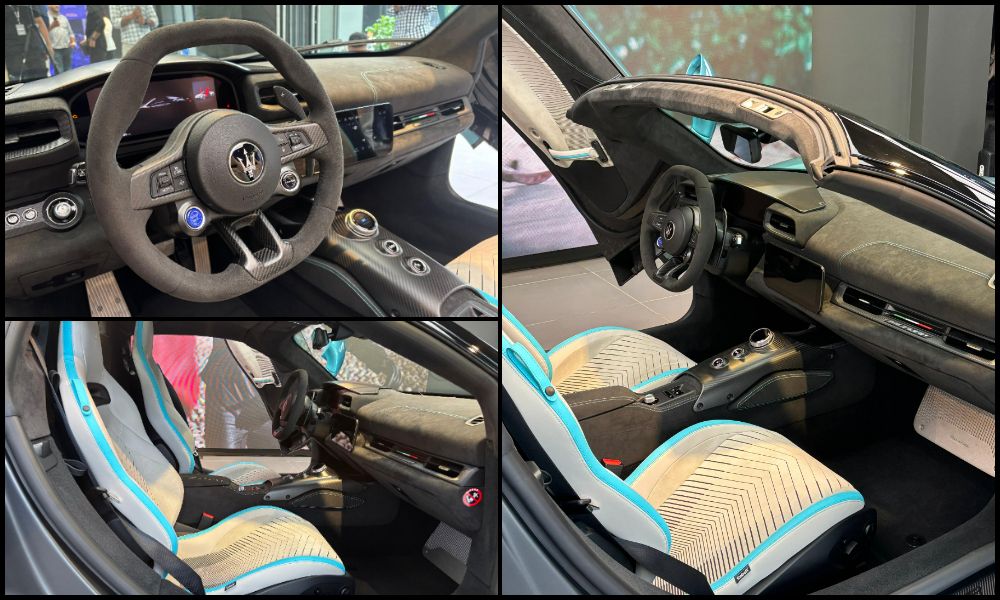
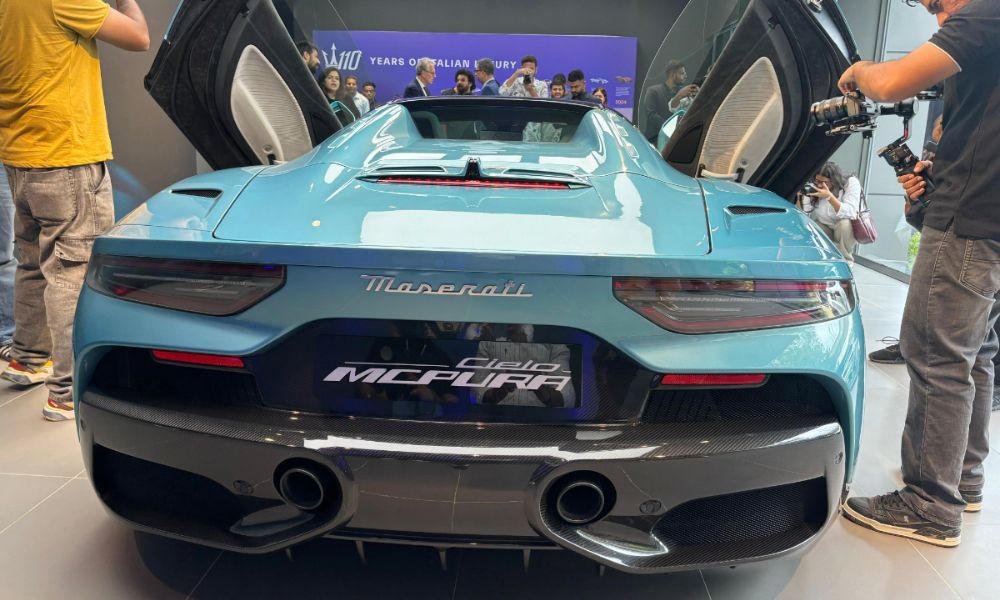
Just three months after its global debut at the Goodwood Festival of Speed, the Maserati MCPura has now arrived in India. Alongside it, the carmaker has also introduced the convertible version, the MCPura Cielo. The MCPura is priced at Rs 4.12 crore, while the Cielo costs Rs 5.12 crore (ex-showroom). The MCPura is essentially a refreshed version of the MC20, featuring subtle design updates while retaining the same mechanical setup.
On the design front, the most noticeable update is the revised front bumper, which Maserati says enhances aerodynamic efficiency. The MCPura also comes with an updated colour palette, adding several new paint options to the lineup. Moreover, it now rides on freshly designed alloy wheels that set it apart from the previous model.
The new Maserati supercar stands out with its butterfly wing doors, and, on the Cielo convertible, a retractable glass roof. Inside, the layout remains largely unchanged, though the seats are upholstered in Alcantara with laser-etched detailing. Moreover, with a carbon fibre monocoque, Maserati claims the coupe weighs under 1500 kg.
On the powertrain front, it gets the same 3.0-litre twin-turbo V6 petrol engine that churns out 621 bhp and 730 Nm of torque. The engine is mated to an eight-speed dual-clutch automatic gearbox. It can go from 0 to 100 kmph in just 2.9 seconds and has a top speed of 325 kmph. The MC20 has four driving modes, i.e. Sports, Corsa, GT and Wet.
from carandbike - News https://ift.tt/hPqIDpG
via IFTTT
The twelfth edition of India Bike Week is set to take place in Vagator, Goa, on December 12 and 13. Last year’s event drew over 25,000 participants and featured motorcycle unveils, custom bike displays, stunt shows, a Dirt Dash track, flat tracking, and more. The 2025 edition is expected to carry forward the same agenda, although it will likely include new activities and more motorcycle unveils/launches.
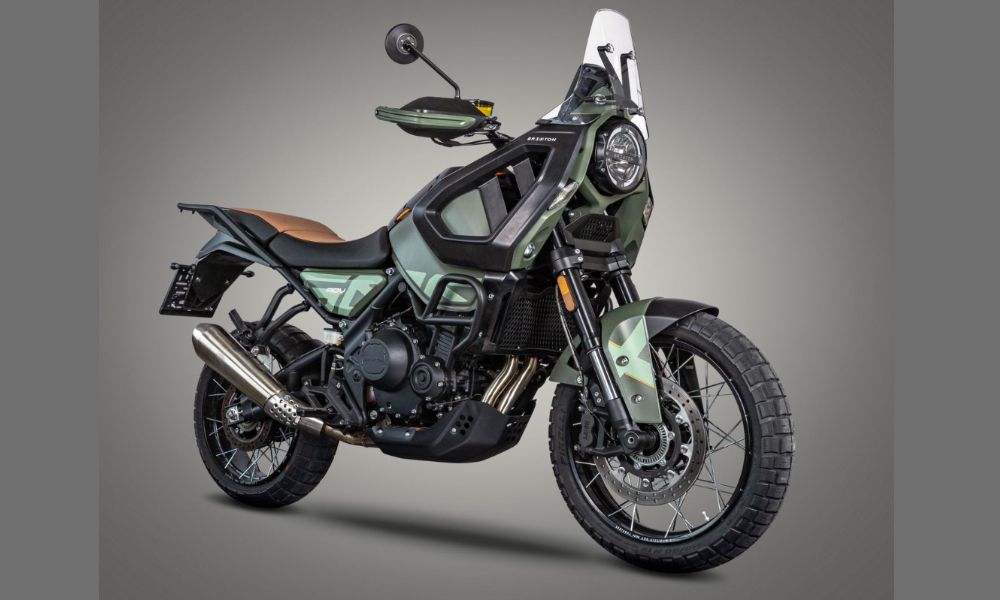
One of the launches at this year’s India Bike Week is expected to be the Brixton Storr 500 ADV. The adventure motorcycle is powered by a 486 cc, liquid-cooled, parallel-twin engine borrowed from the Crossfire 500 series. It produces 47 bhp at 8,500 rpm and 43 Nm of peak torque at 6,750 rpm, paired with a 6-speed gearbox. This will be Brixton’s first mid-capacity adventure motorcycle in the country.
Apart from the launches, the venue this year is expected to mirror last year’s setup. The IBW grounds will split into different zones, from indoor and outdoor expos to music and community stages, a dedicated overlanding stage, and racing arenas. Some of the crowd-pullers are likely to include the Harley-Davidson Flat Track Race, the IBW Hill Climb, the IBW Dirt Dash, and more.
Last but not least, the custom motorcycle display will once again be a major draw at India Bike Week. Builders from across the country are expected to showcase a wide variety of unique creations. In 2024, Sayed Omer Siddique’s “Buraaq,” powered by a Carberry twin-engine, took home the Best Modified Bike award along with a prize of Rs 25,000.
Early bird passes for the event are expected to be rolled out in the coming days.
from carandbike - News https://ift.tt/07RuxD9
via IFTTT
Two-wheeler manufacturers looked to have some reason to celebrate the onset of the new festive season, with September 2025 seeing almost all manufacturers report a growth in sales. Royal Enfield reported its best-ever cumulative sales in the brand’s history with over 1.24 lakh units sold cumulatively last month. Hero MotoCorp, meanwhile, continued to hold its place as India’s largest two-wheeler manufacturer with over 6.87 lakh units dispatched. The brand also celebrated crossing the 125 million two-wheeler production mark in the month.
Hero MotoCorp
Hero MotoCorp reported cumulative two-wheeler sales of 687,220 units last month, an 8 per cent growth over the same period last year. Sales in the domestic market accounted for 6,47,582 units with exports touching 39,638 units - the highest ever for the brand.
The company also shared VAHAN data for the month, which revealed 3,23,230 registrations completed in September 2025 - a 19 per cent year-on-year growth. The company also celebrated completing the 125 million unit production milestone.
The company attributed its strong sales to the festive season and the revised GST 2.0 rates, which ‘more than doubled’ footfalls at dealerships compared to the previous year.
Honda Motorcycle & Scooter India
Honda 2 Wheelers ended September 2025 with a cumulative 5,68,164 units dispatched - up 5 per cent from August 2025, though lower than the 5,83,633 units dispatched in the same month last year. Dosmetic dispatches stood at 5,05,693 units - down from 5,36,391 units last year. Exports in the month amounted to 62,471 units - a notable gain from 47,242 units reported in September 2024.
The slowing domestic sales were also evident in year-to-date figures for the Financial year, with 26,79,507 units sold in the April to September 2025 period - down from 28,81,419 units dispatched in the same six-month period last year. Export however, grew from 2,76,958 units in H1 FY2025 to 3,11,517 units in H1 FY2026.
TVS Motor Company
TVS Motor Company reported cumulative two-wheeler sales of 5,23,923 units last month - up from 4,71,792 units last year - a 11 per cent growth. Sales in the domestic market stood at 4,13,279 units - a 12 per cent growth year-on-year, while exports grew 8 per cent to 1,10,644 units. EV sales for the company were also up 8 per cent from 28,901 units to 31,266 units.
TVS also revealed that Q2 FY2026 (July to Sept 2025) was its best-ever quarter with wholesales of 15.07 lakh units. This comprised of 14.54 lakh two-wheelers and 0.38 lakh three-wheelers. Total exports in the quarter grew 30 per cent to 4 lakh units.
Bajaj Auto
Bajaj ended September 2025 with a cumulative 4,30,853 units dispatched - an 8 per cent growth over the same month last year. Sales in the domestic market grew about 5 per cent from 2,59,333 units in September 2024 to 2,73,188 units last year, while exports were up a stronger 12 per cent to 1,57,665 units.
Cumulatively, Bajaj reported sales of 5,10,504 units for September 2025, including commercial vehicles - a 9 per cent year-on-year growth. Cumulative domestic sales stood at 3,25,252 units while exports amounted to 1,85,252 units.
Year-to-date FY 2026, Bajaj’s domestic two-wheeler sales remained below FY2025 with 11,25,920 units dispatched compared to 12,19,298 units last year. Exports, however, were up 17 per cent from 7,64,827 units to 8,91,858 units. Cumulatively (including CVs), Bajaj’s sales were down 6 per cent compared to H1 FY2025, though a 20 per cent growth in exports in the same six-month period meant overall dispatches for FY2026 were up 4 per cent year-on-year.
Royal Enfield
Royal Enfield reported its best-ever monthly cumulative sales in September 2025 with 1,24,328 units sold - a 43 per cent uptick compared to 86,978 cumulative dispatches last year. Domestic wholesales stood at 1,13,573 units - up 43 per cent year-on-year, while exports were up 41 per cent from 7,653 units to 10,755 units
Year-to-date figures for the financial year also painted a strong picture with a cumulative sales growth of 30 per cent year-on-year in the April to September window. Cumulative sales at the end of September stood at 5,91,903 units with 5,21,482 units sold in the domestic market - a 27 per cent year-on-year growth. Cumulative exports meanwhile stood at 70,421 units, up 60 per cent from 43,937 units in the same six month period last year.
Suzuki Motorcycle India
Suzuki Motorcycle India reported cumulative sales of 1,23,550 units in September 2025 - a 25 per cent growth year-on-year. Sales in the domestic market stood at 1,05,886 units in the month - up 37 per cent from 77,263 units reported in September last year.
Exports, however, were down year-on-year from 21,922 units in September 2024 to 17,664 units in 2025. The company has not revealed numbers for its year-to-date sales for FY2026.
from carandbike - News https://ift.tt/iK2pdrP
via IFTTT
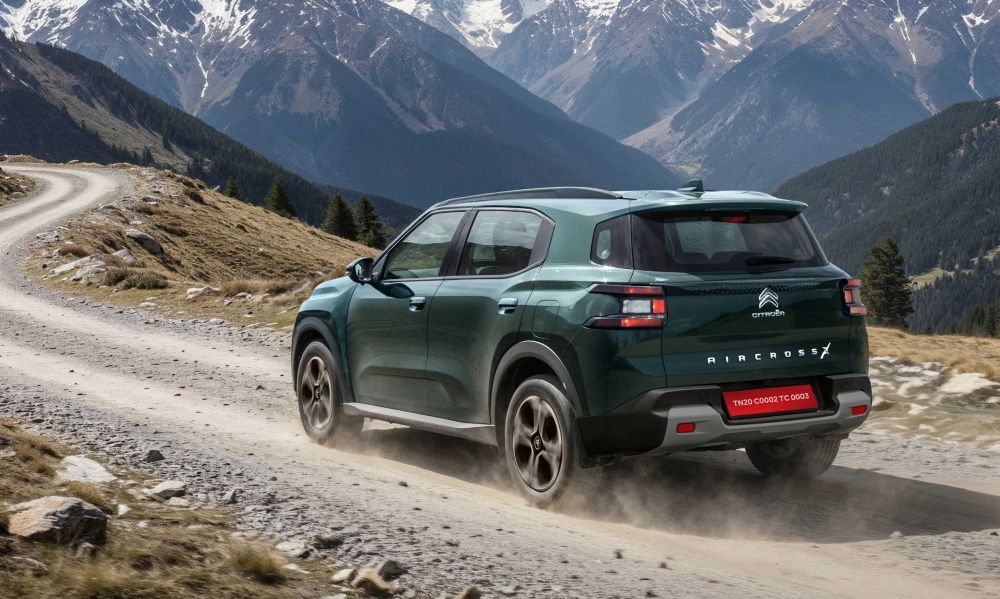
Citroën India has launched the Aircross X, expanding the X-Series portfolio, which already includes the C3 X and Basalt X. Like the other two cars, the focus is on enhancing the ownership experience with new creature comforts. Prices for the new Citroen Aircross X start at Rs. 8.29 lakh, going up to Rs. 13.69 lakh (ex-showroom, India). Updates mainly include - enriched interior with ventilated seats, ambient lighting, bigger touchscreen and 360-degree camera, among more. Bookings for the new Aircross X are now open at all Citroën dealerships across India and online.
Launching the new Citroen Aircross X, Kumar Priyesh, Business Head & Director - Automotive Brands, Stellantis India said, “The New Aircross X is an SUV designed around the real needs of Indian families – space, comfort, safety, and smart innovation. With the debut of CARA, we’re making everyday mobility more intuitive and personal. What makes the New Aircross X unique is that it blends the practicality of a family SUV with the premium feel of our X-Series design. It is a versatile SUV that’s aspirational, yet accessible.”
The main visual includes the addition of a new Deep Forest Green colour, in addition to the existing colour choices, and now Citroen also offers an optional dual-tone black roof for an extra Rs. 20,000. The exterior styling, too, has been tweaked with more black accents, LED projector headlamps with DRLs, and the Aircross X badge at the rear. The major updates are on the inside.
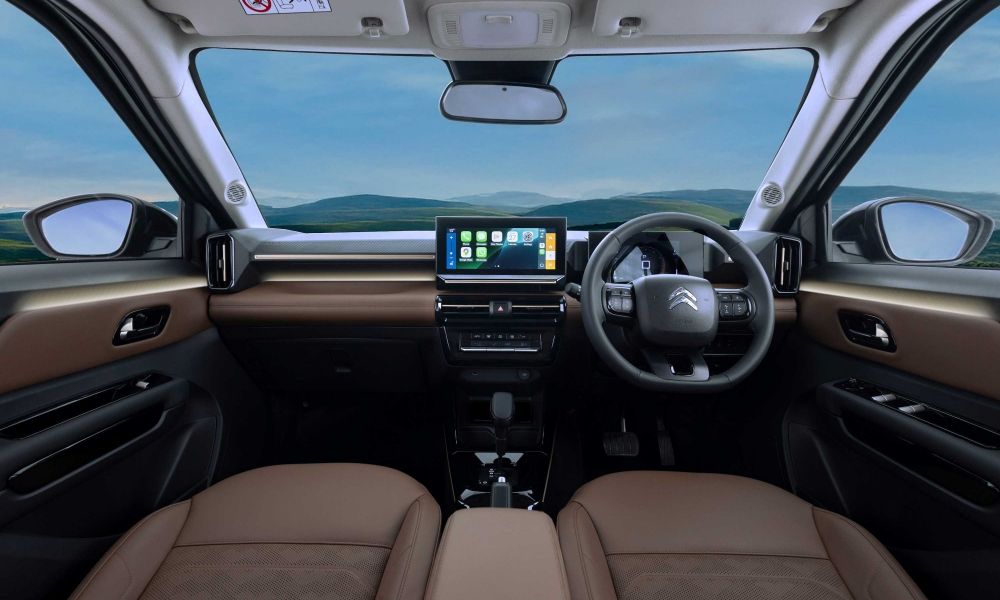
The cabin of the Aircross X features a deep brown interior with gold-accented interior, with soft-touch leatherette panels and new leatherette upholstery. The carmaker now also offers ventilated seats and a bezel-less 10.25-inch touchscreen infotainment system with wireless Apple CarPlay and Android Auto. There is also a 7-inch digital cluster, along with ambient and footwell lighting.
The in-car convenience too has been improved with features such as keyless entry with push button start, cruise control, and auto IRVM. The Aircross X also gets a HALO 360-degree camera with Satellite View, offered as part of a mandatory accessory pack for an additional Rs. 25,000. Citroen is also offering the new Aircross X with CARA - an intuitive, multilingual in-car voice assistant that speaks 52 Indian & global languages, and can switch between them mid-conversation.
With regards to safety, the Aircross recently got a 5-star safety rating for adult occupant protection from Bharat NCAP. Now, while the model tested was the 5-seater version of the SUV, there is a 3-row, 7-seater version as well. Features include - Six airbags, ESP, Hill hold, ABS with EBD, rear parking sensors (Advanced Safety Suite standard across variants), overall consisting of more than 40 Active & passive safety features.
There is no change in powertrain options – a 1.2-litre naturally aspirated petrol and a 1.2-litre turbo petrol. While the former only gets a manual transmission option, the latter offers a manual transmission, as well as an automatic transmission.
from carandbike - News https://ift.tt/pK6hRLj
via IFTTT
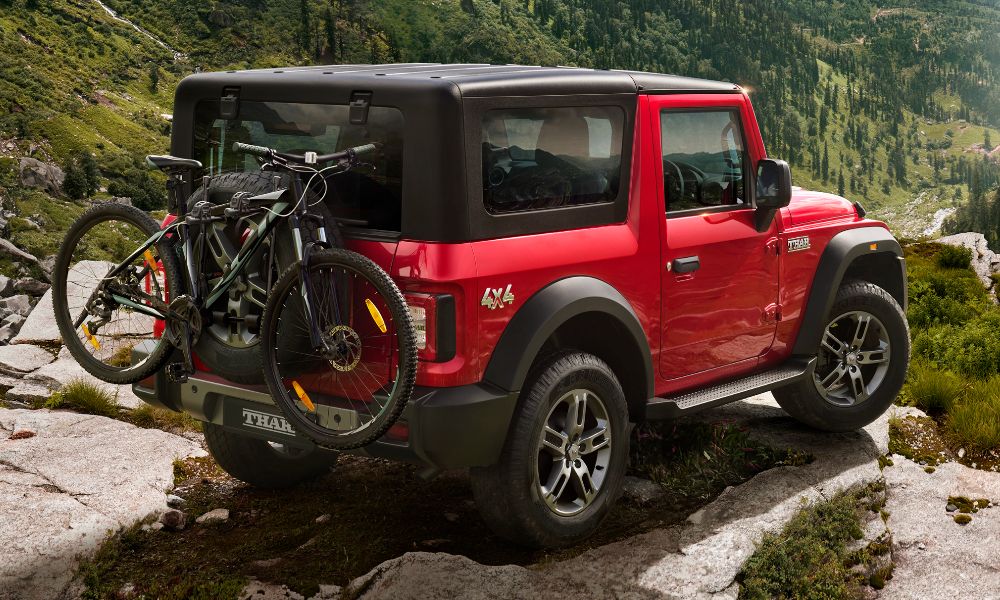
Mahindra has finally updated the Thar with newer features, five years after the current gen was launched in India. This is not a facelift, but the updated Thar 3-Door is priced at Rs 9.99 lakhs and is available across two new variant designations – LXT and AXT – apart from two new paint choices - Tango Red and Battleship Grey.
Changes to the exterior include body coloured grille and a dual-tone front bumper akin to the one seen on the Roxx. At the back, the spare wheel gets a rear-view camera while the windscreen now gets a wiper and washer. Lastly, the fuel-filler cap now loses the key operation and gets an internal switch, which is a welcome addition.
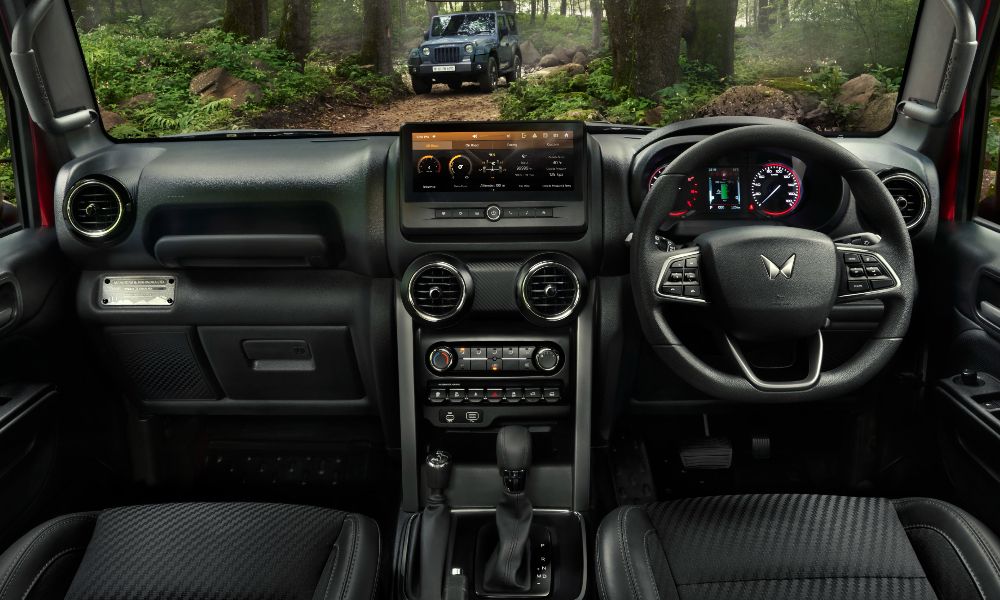
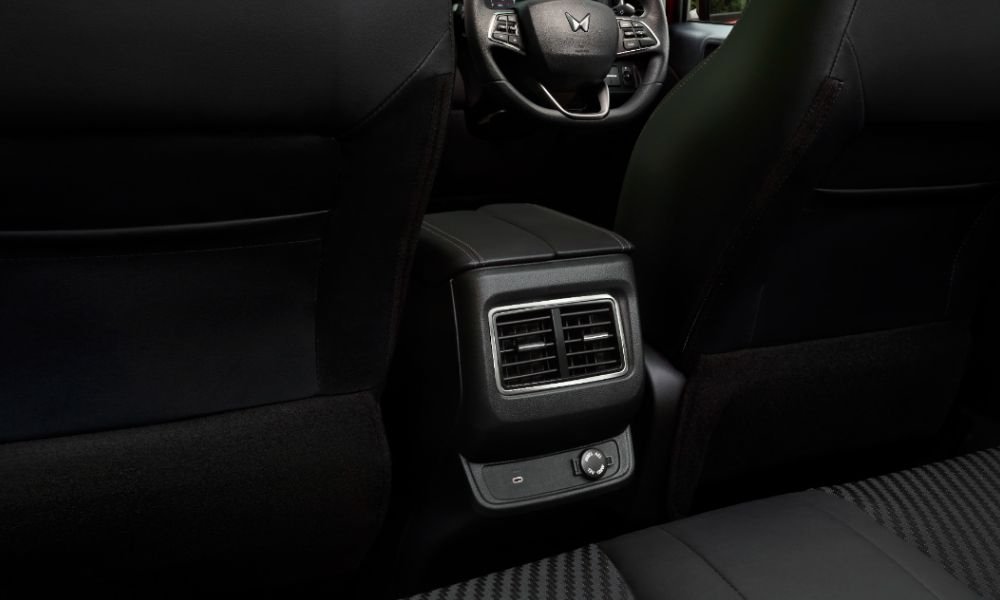
On the inside, the Roxx-inspired cabin gets more creature comforts, like a grab handle for easy ingress, an armrest with storage, cupholders in the centre console and the window switches move to their original position – on the door pads. There are also soft-touch materials on the door pads. Coming back to the centre console, you get a 65W USB Type-C port and a wireless charging pad, while the air vents remain untouched.
And the biggest change comes in the form of the newer 10.25-inch touchscreen, which replaces the older monochromatic screen, and this new one also comes with wireless smartphone integration. However, the driver’s display remains analogue. Lastly, courtesy of the armrest, the rear passengers also get rear AC vents and a Type-C USB port.
Under the skin, there are no changes as all three powertrains are carried over. You get the 1.5-litre diesel and the 2.2-litre mHawk apart from the 2.0-litre petrol. Both gearbox choices are carried over. There are no changes to off-road hardware either.
from carandbike - News https://ift.tt/fRvUCXj
via IFTTT
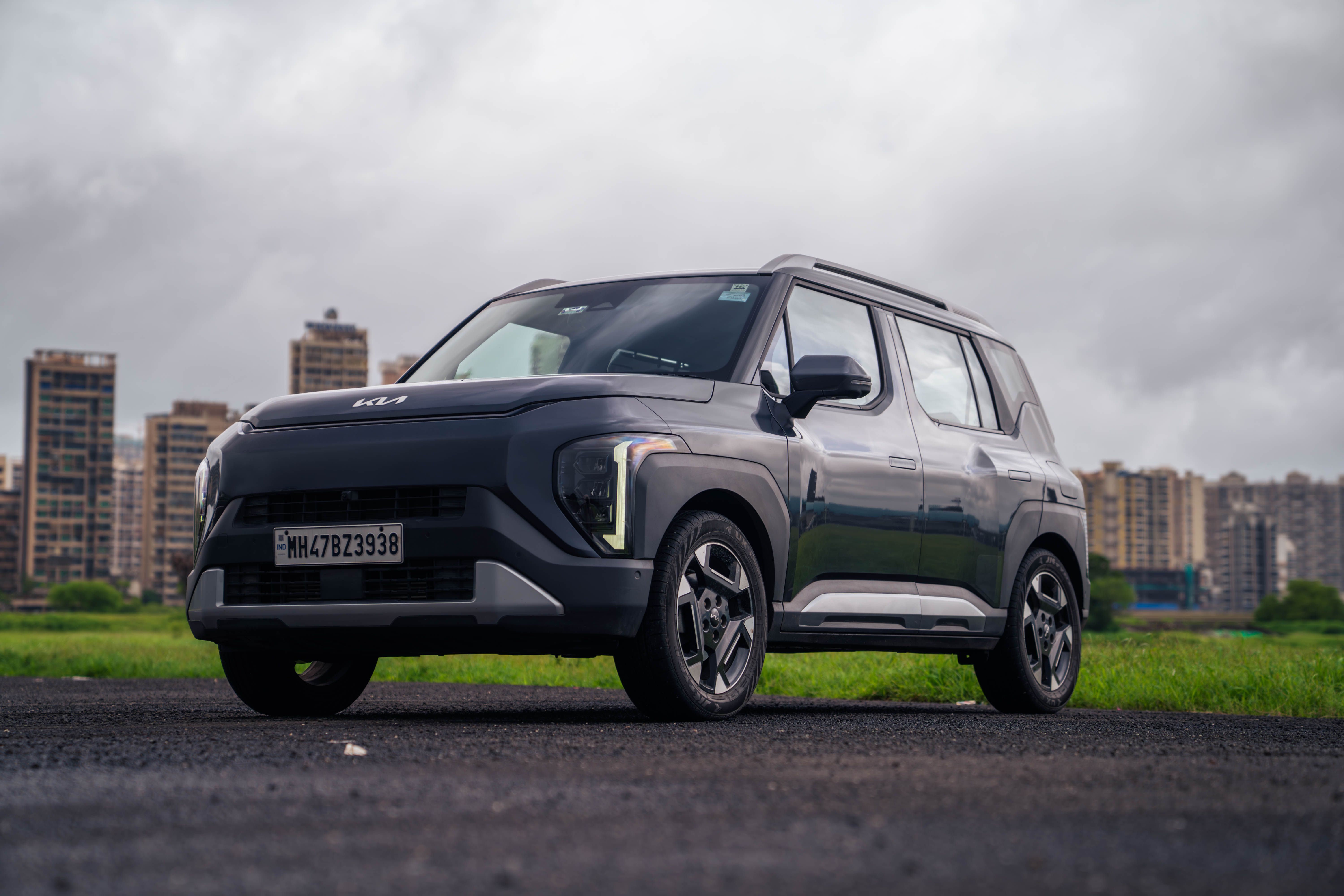
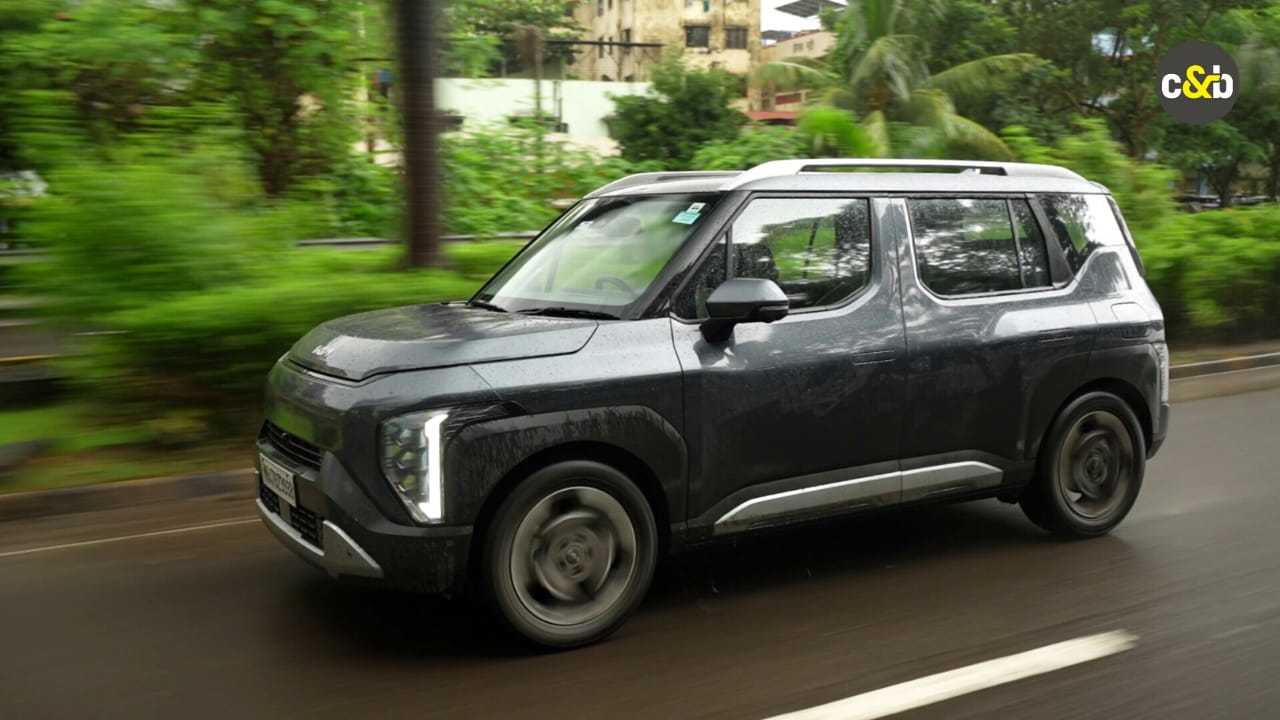
The Kia Syros has been a part of the car&bike garage for three months now. And if you haven’t read my 45-day long-term review, do check it out here. In this report, I am going to answer the all-important question of – ‘Kitna deti hai?’ – and this is going to be interesting. Now, the model with me is the top-spec HTX+ (O), which is powered by the 1.0-litre GDi turbo petrol engine and mated to a 7-speed dual-clutch transmission (DCT). Now, the ARAI certified average fuel efficiency of the Kia Syros is 17.68 kmpl, but can it truly offer that in a real-world scenario?
To get as accurate a result as possible, we did both the city and the highway fuel efficiency test, and then took an average. The fuel run was conducted on predetermined routes, which we follow for all test cars. For the city test cycle, the maximum speed was limited to 60 kmph, while for the highway fuel run, the maximum speed of the car did not exceed 100 kmph.
Syros City Fuel Efficiency Test:
For the city cycle, we chose a route that had a mix of open stretches and bumper-to-bumper traffic. After filling up the Syros’ 45-litre fuel tank up to the cut-off point, I switched the trip meter to zero and off I went. Since the idea is to find out the car’s real-world mileage, the AC was kept at 23 degrees Celsius and the fan speed at level 2. Occasionally, I also enjoyed the Syros’ ventilated seats as well.
As mentioned earlier, the max speed was kept between 50-60 kmph, with the low points being 10-20 kmph. The complete city test loop was 80 km, and at the end of the test, the Syros had consumed 8.4 litres of fuel. And that gives us a city fuel efficiency of 9.53 kmpl.
Syros Highway Fuel Efficiency Test:
For the highway test run, the Syros was again filled up to the cut-off point, and the trip meter was again switched to zero. The same parameters were followed for the highway test cycle, concerning the AC temperature, and the only difference being that the speeds were kept between 90 and 100 kmph. I also ensured that I did not go below 85 kmph unless it was necessary.
At the end of the highway test loop, the Syros had consumed 7.55 litres of petrol, and the total distance covered was about 105 km. And this gives us a highway fuel efficiency of 13.9 kmpl.
Syros Average Fuel Efficiency:
Taking the city and highway fuel efficiency of the Kia Syros into account, we get an average fuel efficiency of 11.7 kmpl, depending on your driving style and road conditions. So, on a full tank, the Kia Syros can offer you a maximum range of up to 526 km.
from carandbike - News https://ift.tt/t8mPoBw
via IFTTT