Welcome to Gulf News, your premier destination for comprehensive coverage and insights into the dynamic landscape of the Gulf region and beyond. As a trusted source of news and information, we pride ourselves on delivering timely updates, in-depth analysis, and compelling stories that resonate with our diverse audience.
From breaking news to in-depth features, business trends to cultural happenings, sports highlights to technological advancements, Gulf News covers it all with accuracy, integrit
JSW MG Motor India is all set to announce the prices of its latest offering, the all-electric M9, in India. Sold in foreign markets as the Mifa 9, the M9 is a luxury MPV, which, upon launch, is expected to become the most expensive offering from MG in India. The M9 will be shipped into India as a semi knocked-down unit, and will be offered in a single, fully loaded variant. The EV will be retailed through the company’s network of premium dealers named “MG Select”. The MG M9 is expected to be offered at a price tag of approximately Rs 65 lakh (ex-showroom, India).
The EV will be retailed through the company’s network of premium dealers named “MG Select”
Visually, the M9 is a sharp-looking vehicle, with a series of edgy, angular styling cues and a boxy profile. The front end features thin daytime-running lamps (DRLs) and headlamps situated lower down, while the rear gets a full-width taillamp. In terms of dimensions, the MPV measures 5,200 mm in length, 2,000 mm in width and 1,800 mm tall with a large wheelbase of 3,200 mm. For reference, this makes it larger than the Kia Carnival and Toyota Vellfire.
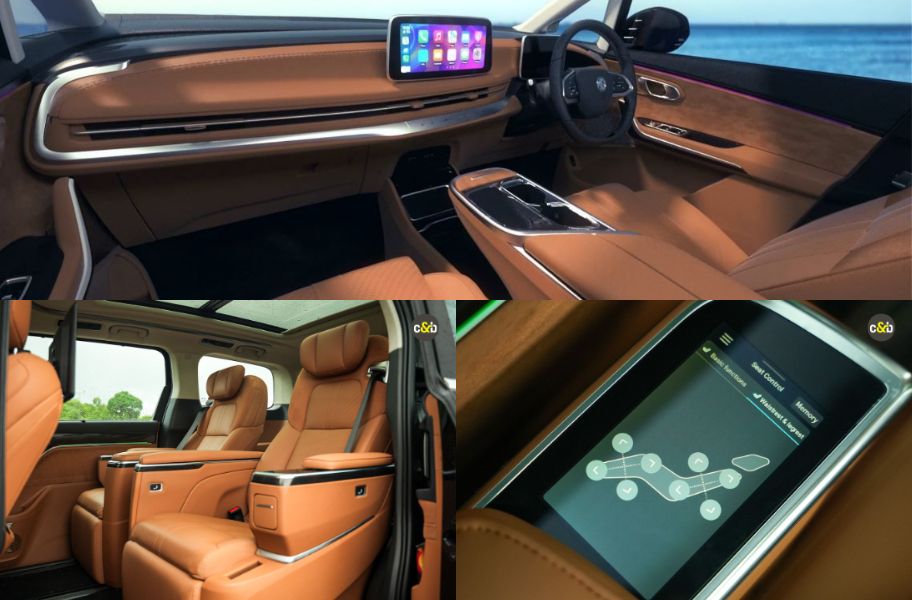
The MG M9 gets a minimalistic interior with captain seats in the second row
When it comes to features, the EV is offered with a panoramic sunroof, ambient lighting, a wireless charger, a single-pane sunroof, three drive modes, a digital IRVM, and a PM 2.5 air filter. There’s also a Vehicle-to-Load (V2L) and Vehicle-to-Vehicle (V2V) compatibility and a 55-litre frunk. The second row comes with what MG calls “Presidential Seats, which come with heating, ventilation, massage functions and fold-out ottomans. The seats also feature armrest-mounted touchscreen controls.
The MG M9 is equipped with a 90 kWh nickel manganese cobalt (NMC) battery pack that powers an electric motor mounted on the front axle. The power figures of the luxury MPV are 245 bhp and 350 Nm of torque. MG India claims a range of around 500 km, based on results from internal testing. The MPV also supports 160kW DC fast charging.
from carandbike - News https://ift.tt/QfHWBkn
via IFTTT
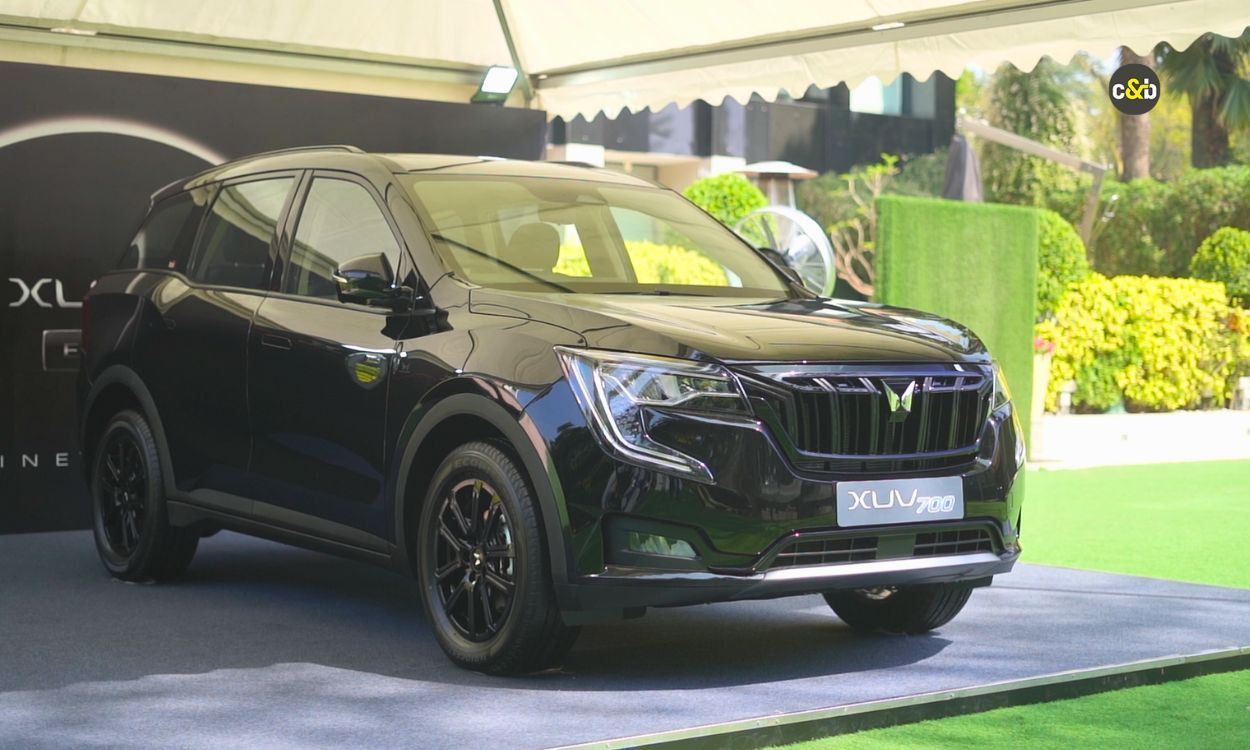
Mahindra Auto has announced achieving a production milestone for its XUV700 SUV. Since its launch in August 2021, the company has rolled out a total of 3 lakh units. It reached the 1 lakh unit mark in May 2023, followed by the 2 lakh milestone in June 2024. To keep pace with demand, the company has scaled up its production capacity on multiple occasions.
Over time, the automaker has introduced several special editions of the SUV, with the latest being the Ebony Edition. This edition sports a stealthy black exterior, complemented by dark-themed design elements such as a blacked-out grille and 18-inch alloy wheels. A similar darkened theme continues for the interior as well.
Mahindra also phased out the 5-seat variants of the XUV700 in the Indian market earlier this year. The XUV700 was initially available in multiple seating configurations, including 5, 6, and 7 seats. Now it is only available in 6- and 7-seat formats. Currently, prices for the SUV range from Rs 14.49 lakh to Rs 25.14 lakh (ex-showroom), with the recently launched Ebony Edition sitting at the top of the line.
The Mahindra XUV700 is available with two engine options: a 2.0-litre turbo-petrol unit producing 197 bhp and 380 Nm of torque and a 2.2-litre oil burner producing up to 182 bhp and 420 Nm (450 Nm with the automatic gearbox). Both engines are paired with manual and automatic transmission options.
Spy shots of what appeared to be a facelifted version of the Mahindra XUV700 test mule have surfaced online in recent months. This suggests that a mid-cycle update for the SUV could arrive as early as next year. Another update expected for the XUV700 is a possible name change. Mahindra has already trademarked the names XUV 3XO, XUV 5XO, and XUV 7XO, with the XUV 3XO being the first to adopt the new nomenclature. The XUV700 facelift will likely be launched in August 2026, bearing the new ‘XUV 7XO’ nameplate.
from carandbike - News https://ift.tt/NDe0gR7
via IFTTT
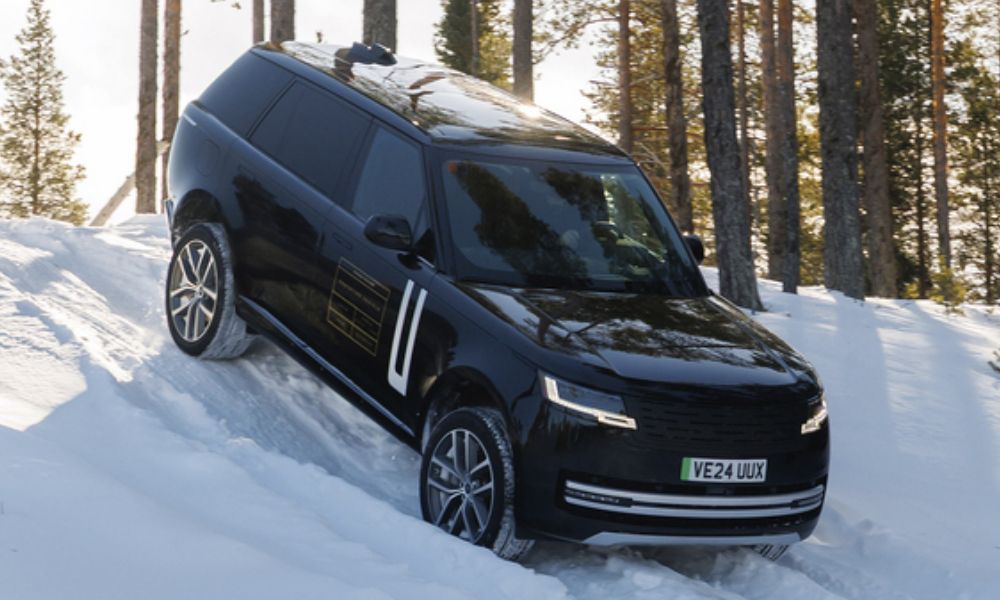
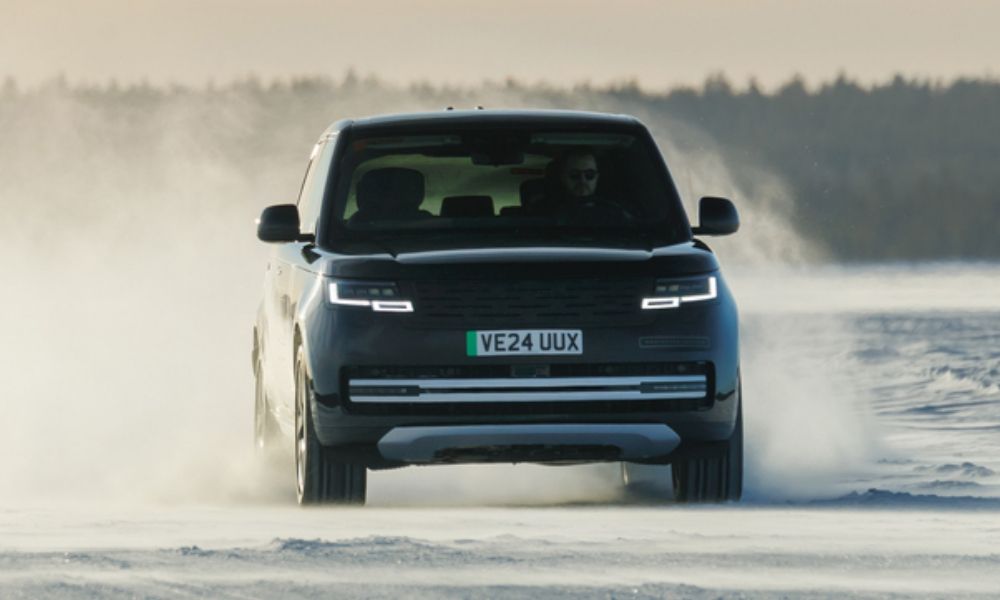
Range Rover’s first fully electric vehicle was originally planned for a late 2025 debut, but that timeline has now changed. JaguarLand Rover (JLR) has confirmed a delay in the global launch of the Range Rover Electric and has reached out to customers to inform them that deliveries will be pushed to sometime in 2026. Furthermore, the Range Rover Electric may not be the only model affected, as the controversial Jaguar EV could also experience similar delays.
According to The Guardian, the British automaker said it was extending the testing period while holding off for stronger market demand. Meanwhile, the first all-electric Range Rover SUV has already amassed a waiting list exceeding 61,000 buyers. Of which, an order bank of over 16,000 buyers was registered in the first week of February 2024.
Jaguar Land Rover has previously disclosed technical details about the upcoming Range Rover Electric, highlighting that it will feature a substantial 117 kWh battery pack, making it one of the largest ever fitted to a production electric vehicle. Although the company has not yet confirmed the official driving range, it could deliver around 500 kilometres on a full charge.
The vehicle will also benefit from an 800-volt electrical architecture, enabling ultra-fast charging speeds of up to 350 kW. In terms of performance, the Range Rover Electric will feature a dual-motor powertrain, with one motor positioned on each axle. This setup is expected to produce a combined output of approximately 550 bhp and 851 Nm of torque.
from carandbike - News https://ift.tt/Tr2h9vQ
via IFTTT
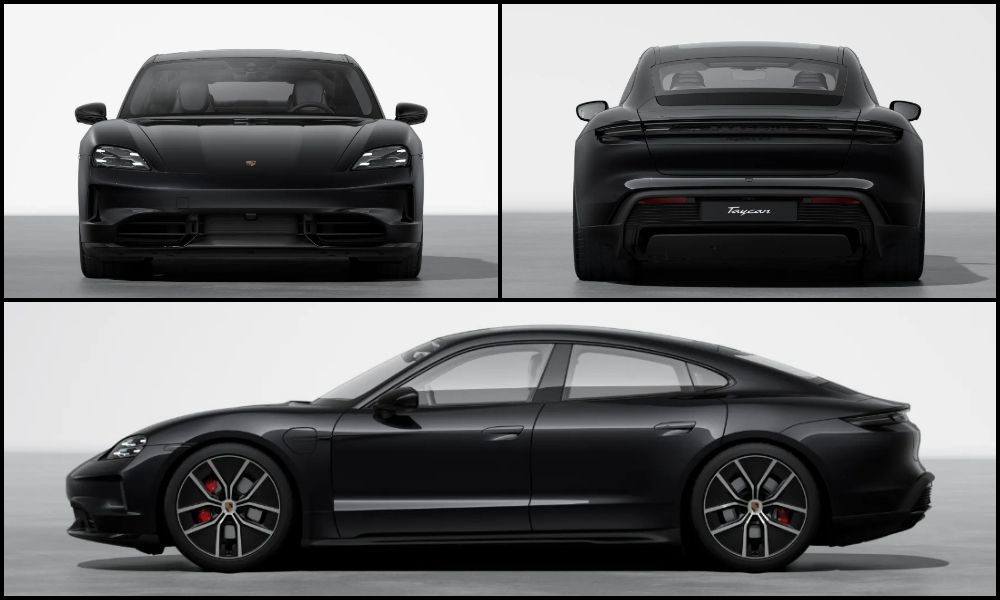
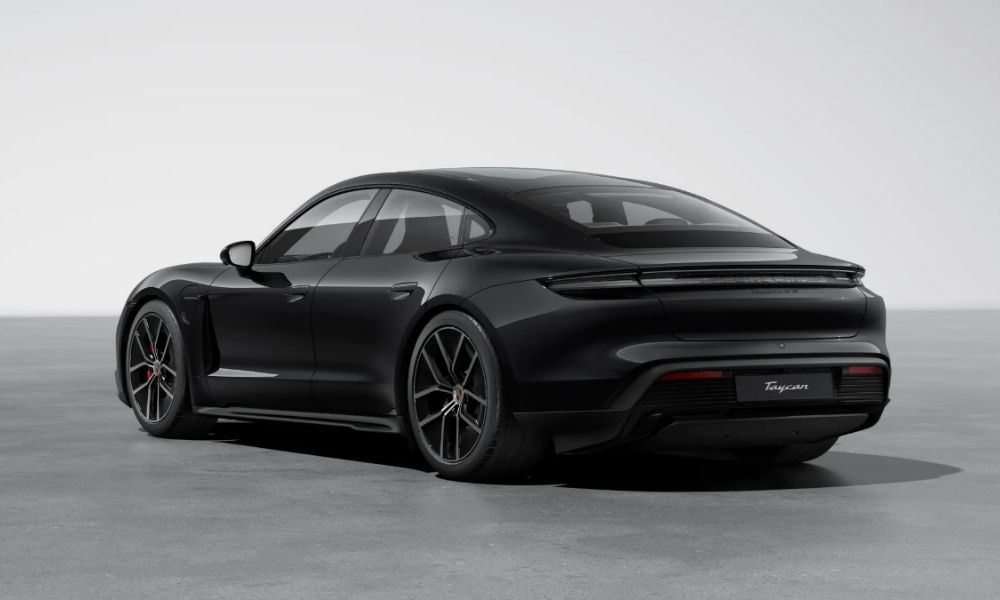
Along with launching Black Editions for the Cayenne and Cayenne Coupe models, Porsche has also launched the Taycan 4S Black Edition at Rs 2.07 crore (ex-showroom). At this price, the Black Edition of the Taycan is Rs 11 lakh more expensive than the standard model. Like the Cayenne Black Edition, the Taycan 4S Black Edition also gets exterior and interior changes compared to the standard model.
Also Read:Porsche Cayenne, Cayenne Coupe Black Edition India Prices Revealed
As the name suggests, the Taycan 4S Black Edition features a gloss black treatment across several exterior elements, including the front apron, side skirts, rear diffuser, as well as the vehicle’s badges and lettering. Complementing the dark theme, the 21-inch alloy wheels are finished in gloss black, while the headlights are enhanced with a subtle smoky tint. Moreover, it also gets illuminated Porsche logo puddle lamps as well.
The Taycan 4S Black Edition comes as standard with a choice of 13 exterior colours, grouped into three themes: two 'Contrast' shades, four 'Metallic' finishes, and seven options from the 'Dreams' palette. Additionally, five exclusive colours are available under the premium 'Legend' category at extra cost.
Moreover, Porsche also offers the newly introduced ‘Paint to Sample and Plus’ programme through the online configurator. True to Porsche fashion, the Black Edition features a vast range of customisation options, including wheels, interior trims, tech features, and more.
Also Read: Bentley Joins Skoda Auto Volkswagen India as Sixth Brand
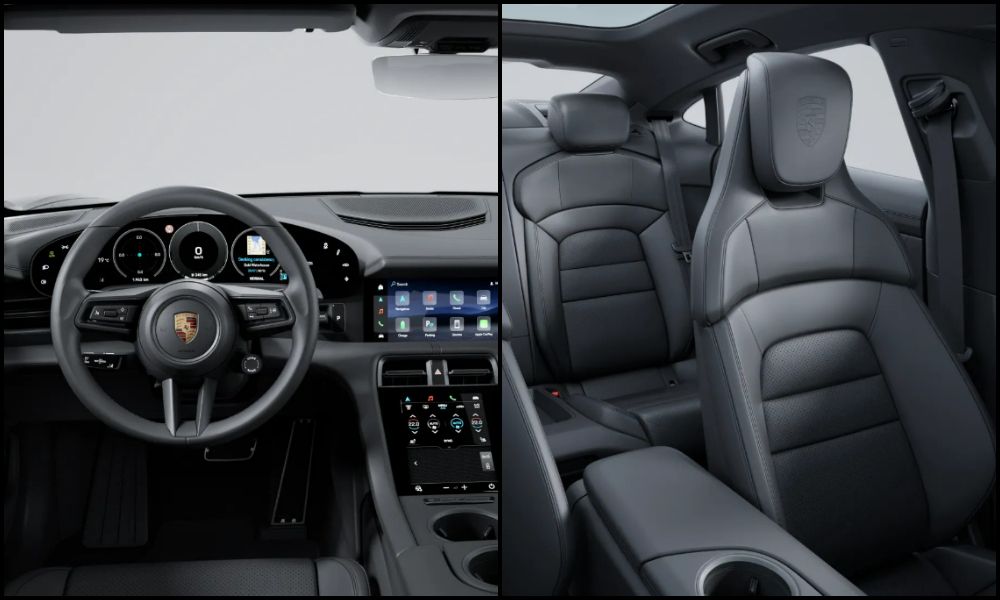
As for the interior, the Taycan 4S Black Edition retains the same cabin layout as the standard model, with no changes to the features on offer. Standard features include a 14-speaker Bose sound system, 14-way electrically adjustable front seats, four-zone climate control, a 360-degree camera system, an ADAS suite, and a panoramic sunroof. The Black Edition is available with two Race-Tex upholstery choices in black, as well as two monotone leather options. Additionally, dual-tone interior themes are offered as optional extras.
The electric four-door sports sedan continues to feature a dual-motor configuration, punching out a combined output of 590 bhp and 710 Nm of torque, powered by the same 105 kWh (668 km WLTP range) battery pack found in the standard variant. It sprints from 0 to 100 kmph in 3.7 seconds and is compatible with ultra-fast charging through a 320kW DC charger.
from carandbike - News https://ift.tt/ISJUkt6
via IFTTT
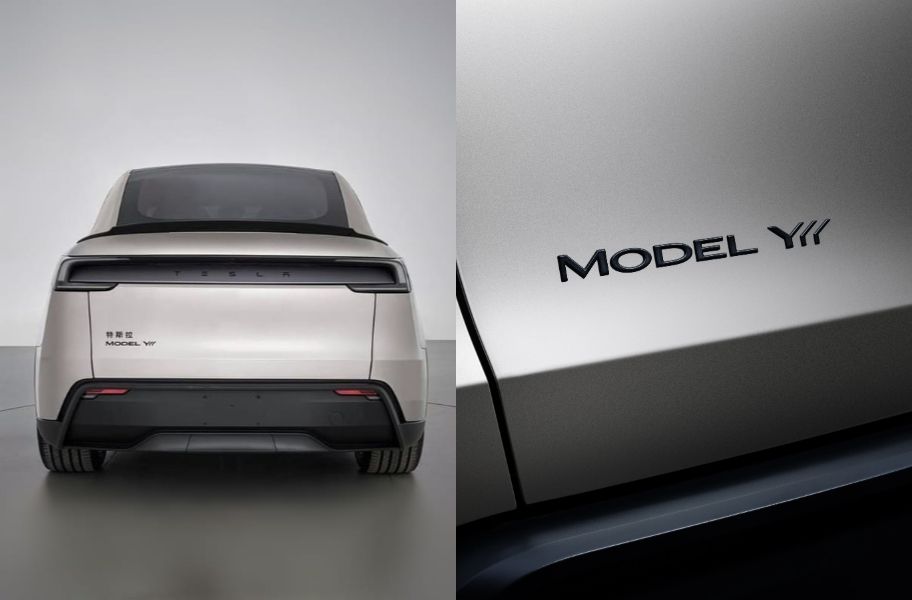
According to documents filed with China's Ministry of Industry and Information, Tesla is all set to soon introduce a long-wheelbase iteration of the Model Y SUV in the Chinese market. The Model Y L, as it is called, will be offered in a three-row, six-seat configuration and will also feature a pair of more powerful electric motors on the front and rear axles. According to some reports, this move is apparently a strategy by Tesla to improve the SUV’s sales in China, which have been lukewarm in recent times.
The new model will measure 4976 mm long, with a wheelbase of 3040 mm and a height of 1668 mm. For reference, this will make it 186 mm longer and 44 mm taller than the standard-wheelbase version. The car’s wheelbase has also increased by 150 mm. Aside from the enlarged dimensions, this version of the Model Y also comes with a few design changes, which include a revised rear spoiler and a slightly different roofline. The Model Y L will also be heavier, weighing in at 2088 kg, up from 1921 kg on the standard model.
On the powertrain front, the Model Y L will feature a dual-motor setup which consists of 142 kW (front)+ 198 kW (rear) electric motors, making it more powerful than the standard iteration. The variant will be equipped with an NMC battery from LGES, although the specifics regarding the unit, such as the battery capacity, are still under wraps.
Tesla recently made its debut in the Indian market with the launch of the Model Y SUV. Similar to the Chinese market, India has also been a market where long-wheelbase vehicles have seen success, as evident by certain luxury carmakers only selling extended versions of select model ranges here. Hence, while it hasn't been officially stated as of now, it is highly likely that this version of the SUV will make it to India sometime in the future.
from carandbike - News https://ift.tt/HP8ZX6n
via IFTTT
Tata Motors has announced achieving a production milestone for its entry-level passenger vehicle, the Tata Punch. Since its launch in October 2021, the company has manufactured 6 lakh units of the micro-SUV. The Punch has proven to be a key player in Tata’s lineup, offered in multiple powertrain options, including internal combustion engine (ICE), electric (EV), and iCNG variants. The production figures account for all derivatives of the model.
The Tata Punch recorded sales of 1 lakh units in August 2022, followed by 2 lakh units in May 2023. By December 2023, total sales had reached 3 lakh units, and this number soared to 4 lakh units by July 2024. The trend continued with 5 lakh units sold as of January 2025, and the most recent milestone of 6 lakh units was reached in July 2025. Tata Motors highlights that the Punch contributes to 36 per cent of the company’s total passenger vehicle sales and holds a 38 per cent market share in the sub-compact SUV segment for the fiscal year 2025.
The carmaker also stated that 70 per cent of Punch owners are first-time car buyers. Among those who opted for the Punch EV, 25 per cent are women. In terms of regional sales, 42 per cent of Punch buyers come from Tier II cities, while Tier I and Tier III cities contribute 24 per cent and 34 per cent of the customer base, respectively.
As previously mentioned, the Tata Punch is available with multiple powertrain configurations. The ICE versions are equipped with a 1.2-litre naturally aspirated petrol engine that puts out 86.5 bhp and 115 Nm of torque. It can be paired with either a 5-speed manual transmission or an automated manual transmission. The bi-fuel CNG version uses the same engine, but when running on CNG, it produces a slightly lower output of 72.5 bhp and 103 Nm of torque and is offered with a 5-speed manual gearbox only.
The electric version of the Punch comes with two powertrain options: a 60 kW motor combined with a 25 kWh battery, and a 90 kW motor paired with a 35 kWh battery pack. The smaller battery pack has a claimed range of 265 km on a single charge, while the bigger battery pack is claimed to be good for 365 km.
In terms of prices, the ICE variants of the Tata Punch are priced between Rs 6.20 lakh and Rs 12.01 lakh. The CNG versions fall within a range of Rs 7.29 lakh to Rs 10.16 lakh. Prices for the Punch EV start at Rs 9.99 lakh and go up to Rs 14.44 lakh (all prices ex-showroom).
from carandbike - News https://ift.tt/B5CAvqJ
via IFTTT
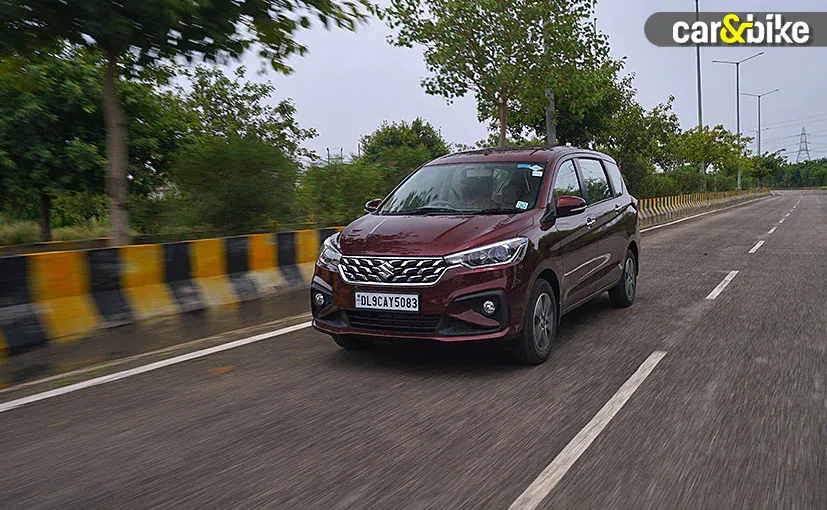
The Maruti SuzukiBaleno and Ertiga have become the brand’s latest models to offer six airbags as standard. Both models previously came with dual airbags as standard, with top models offered with six airbags in the Baleno and four airbags in the Ertiga, respectively. The feature update is also accompanied by a small hike in prices.
The carmaker in a filing said that as a result of the additional airbags, prices of the Baleno have been hiked on average by up to 0.5 per cent, while the Ertiga is now dearer by up to 1.4 per cent. The new prices came into effect on July 16, 2025. Prices for the Baleno previously started at Rs 6.70 lakh while the Ertiga was priced from Rs 8.96 lakh (ex-showroom).
The Baleno and Ertiga join a growing list of Maruti Suzuki models that have received the safety update in recent months, with the list also including models such as the Alto K10, Eeco van, Brezza subcompact SUV, the Celerio and Wagon R. At present, the only models not to offer six airbags as standard include the S-Presso hatchback, Ignis, Fronx crossover, the XL6 MPV and the Ciaz sedan. Of these, the XL6 and Fronx are likely to be the next in line to receive the update, with both models based on the Ertiga and Baleno, respectively.
The S-Presso and Ignis will almost certainly not be updated with six airbags, with a a senior Maruti Suzuki official recently confirming that “97 per cent” of Maruti’s existing passenger car portfolio will have six airbags as standard, and a few models will miss out on this update. The Ciaz is also expected to be on its way out, with data from Maruti suggesting that no new units have been produced in months, even though it is still available for purchase at Nexa dealerships.
from carandbike - News https://ift.tt/uF5M7kI
via IFTTT
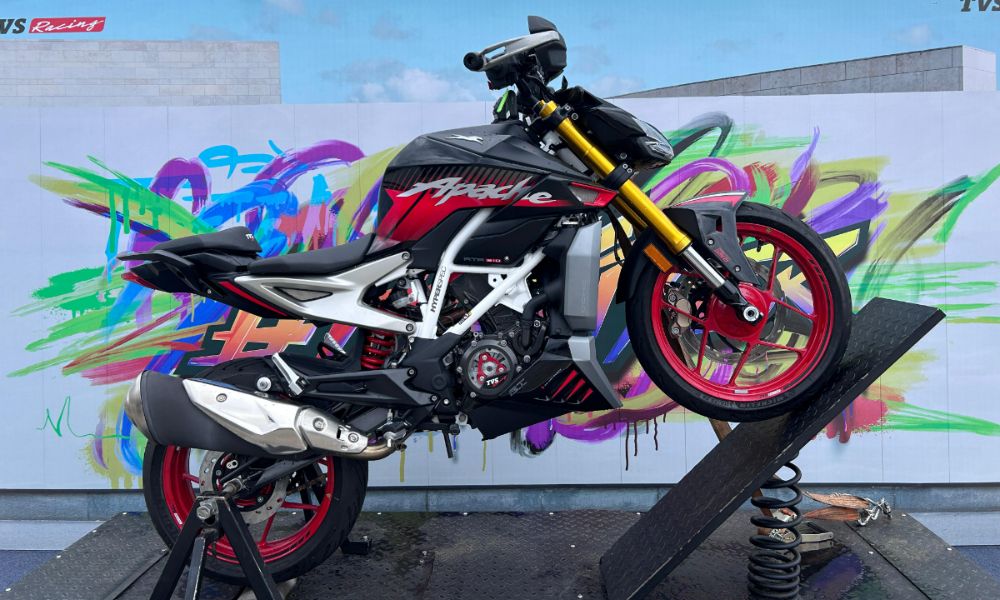
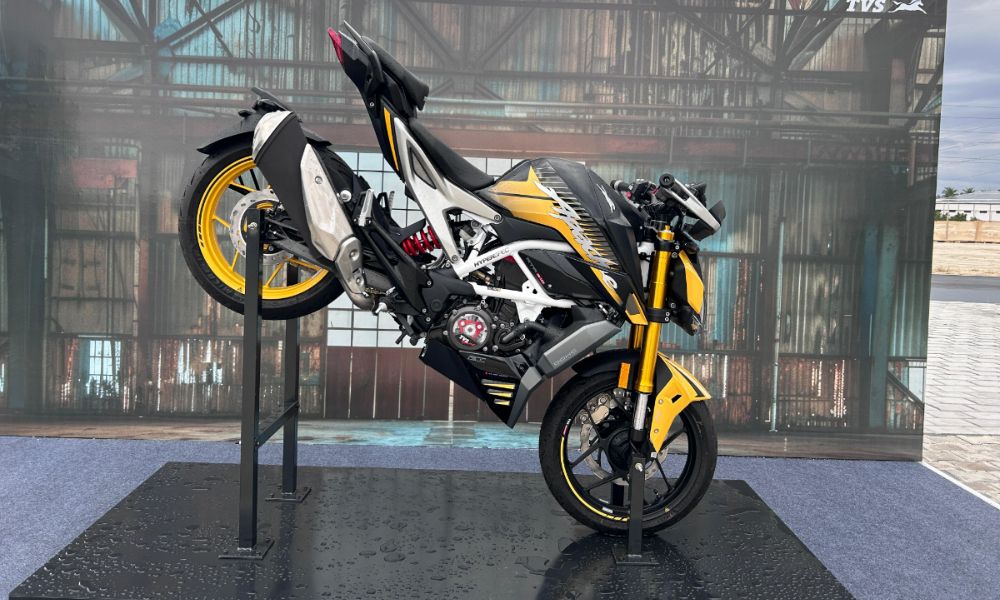
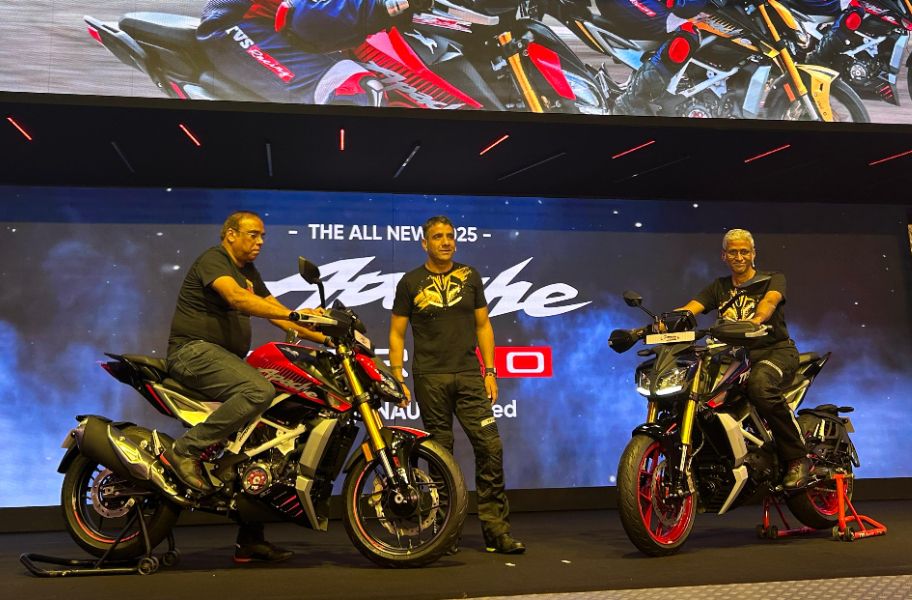
The TVS Apache RTR 310 has been updated for the first time ever since its launch back in September 2023. The latest version of the street naked motorcycle brings along a few noteworthy updates, while its underpinnings remain unchanged. Interestingly, the 2025 model comes with a price drop compared to its predecessor, with the base variant now starting at Rs 2.40 lakh. Let’s take a look at all that is new in the updated version.
In terms of design, the stripped-down version of the RR 310 doesn't see a major overhaul. The Apache RTR 310 retains its aggressive and sharp styling but now comes equipped with a transparent clutch cover, new knuckle guards, and sequential turn indicators. Additionally, a fresh new shade called Fiery Red has been added to the colour palette, joining the existing options of Arsenal Black, Fury Yellow, and Sepang Blue. TVS has also refreshed the graphics on the updated model.
In terms of features, the 2025 model is equipped with a 5.0-inch 'gen-2' TFT display and Drag Torque Control tech, which aims at improving stability by reducing rear wheel slip. Additionally, new features like keyless ignition, cornering drag torque control, and launch control are also available; however, these come as part of optional BTO (Build-Your-Own) kits, which incur an extra cost above the model’s ex-showroom price mentioned below.
2025 TVS Apache RTR 310: Variants and prices
The base variant of the TVS Apache RTR 310 is priced at Rs 2.40 lakh and is offered in black. It’s worth noting here that even the base model comes well-equipped, featuring traction control, cruise control, drag torque control, and rear-wheel lift mitigation. Here are its variant-wise prices.
The 312 cc reverse-inclined, liquid-cooled engine in the RTR 310 stays the same as before, without any mechanical updates. Notably, it doesn't get the larger airbox and intake system that was introduced on the RR 310 in the recent update. However, according to the manufacturer, the throttle response has been recalibrated to match throttle input and gear selection better.
from carandbike - News https://ift.tt/85p6xij
via IFTTT
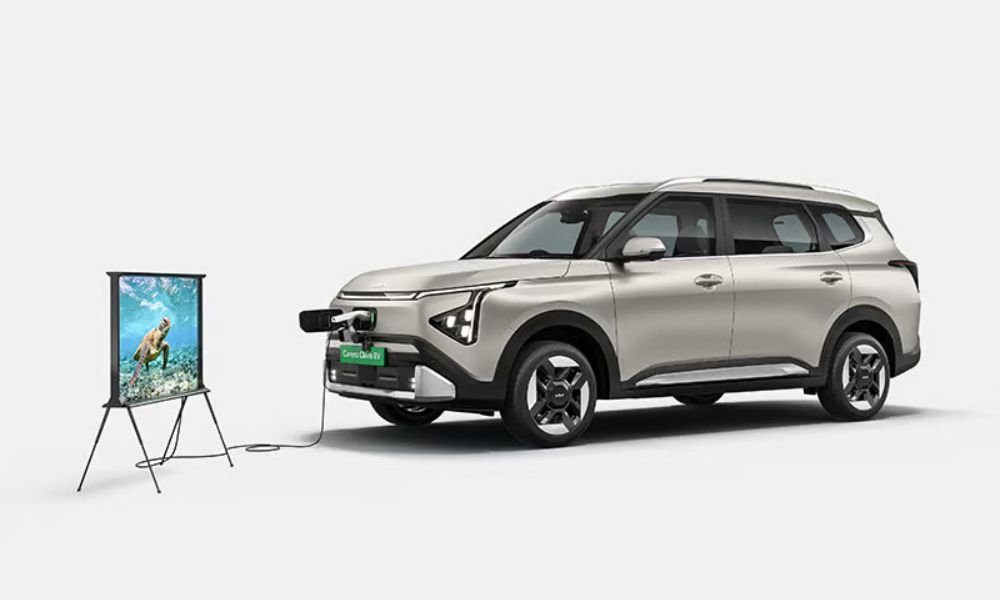
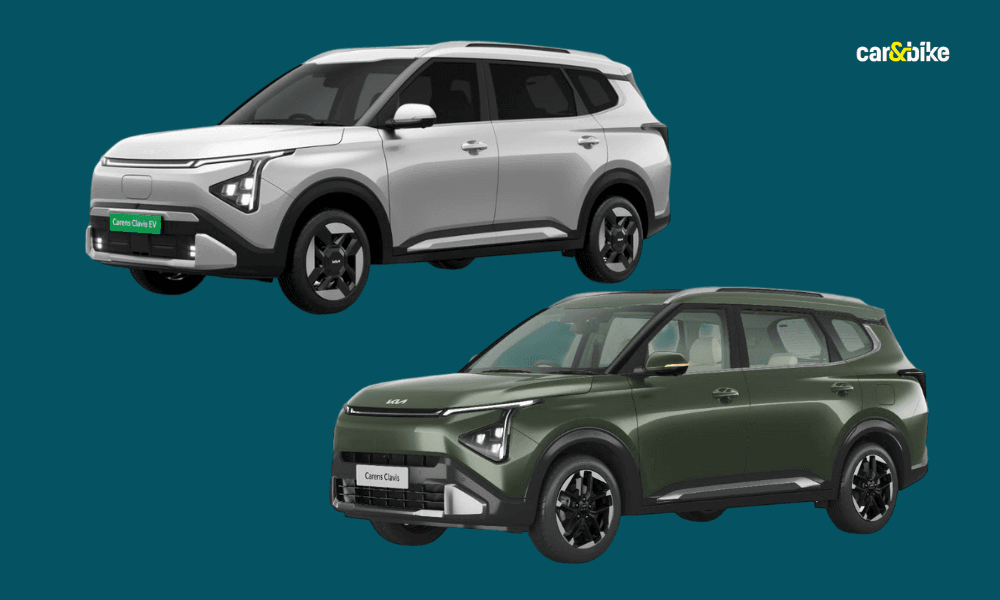
Within two months after launching the ICE-powered Carens Clavis, Kia India has followed up with the launch of the Carens Clavis EV in the Indian market. The MPV is not only Kia's first electric vehicle manufactured in India but also the first model from the brand to be available in both ICE and EV avatars.
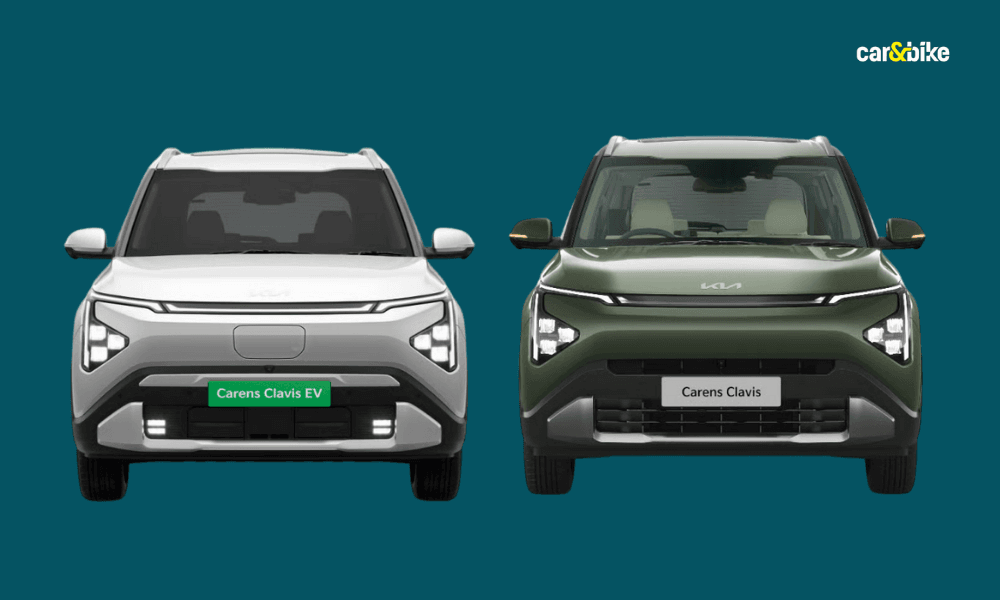
At first glance, the electric and ICE versions appear nearly identical, with minimal visual differences. However, the eagle-eyed will spot a few changes. So, how much has actually changed between the two versions? Let’s take a closer look.
The Carens Clavis EV features only subtle exterior changes compared to its ICE counterpart, with most of the updates focused on the front end. The chrome strip that previously connected the daytime running lights beneath the bonnet has been replaced with a sleek LED light bar, and a charging port has been integrated into the front bumper. The central air intake has been slightly redesigned, and the top-spec variant now includes fog lamps.
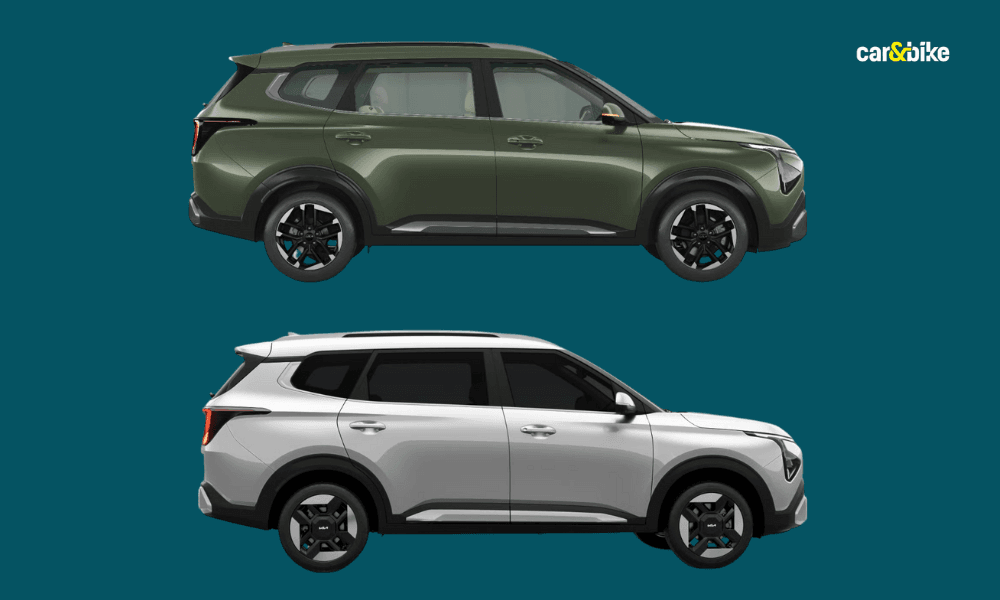
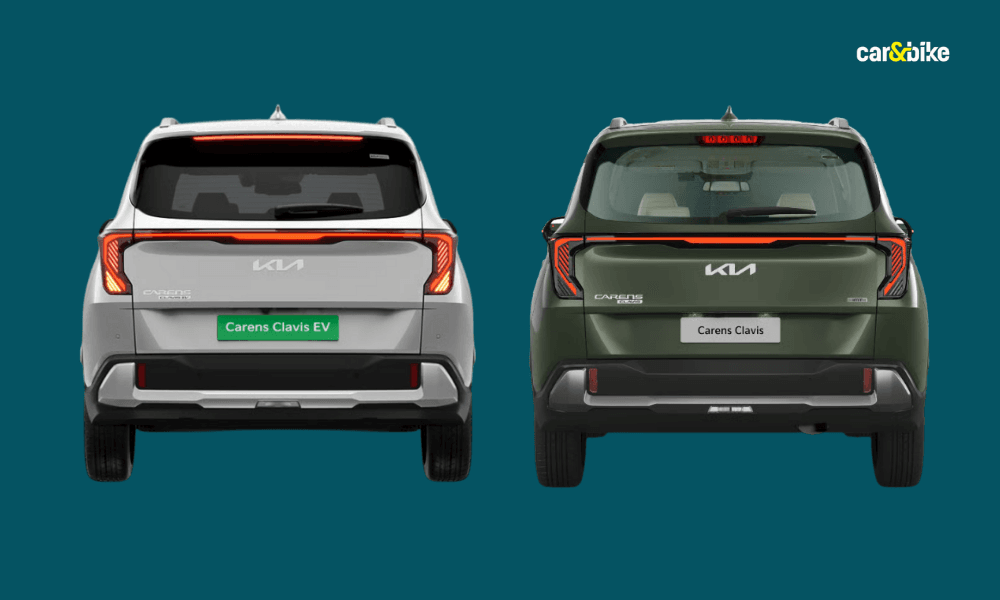
The overall proportions of both models remain identical. As for the profile, the EV distinguishes itself with 16-inch black aero alloy wheels, though no other major changes are evident. At the rear, the only difference is the addition of an EV badge, with the overall design mirroring that of the ICE version.
Kia Carens Clavis EV Vs Carens Clavis: Interior
Inside the cabin, the Carens Clavis EV maintains the same three-row seating configuration found in its ICE sibling. The dashboard layout also remains familiar, featuring the dual-screen setup housed within a wide, integrated display. However, the most notable interior update lies in the redesigned centre console. The armrest console has been extended forward, incorporating additional storage compartments and a set of physical control buttons positioned at the front.
Another significant change is the relocation of the gear selector. It has been removed from the centre console, freeing up more usable space. Instead, the gear selector has been repositioned onto the steering column, akin to the setup seen in the Hyundai Creta Electric, which takes inspiration from the Ioniq 5. Moreover, it's also worth highlighting that while the top-end HTX+ trim of the ICE Carens Clavis is available in both 6- and 7-seat configurations, the electric version is offered as a 7-seat model with a bench seat in the middle row.
Kia Carens Clavis EV Vs Carens Clavis: Features
When it comes to features, the Carens Clavis EV carries over much of the equipment found in its ICE counterpart. This includes a Level 2 ADAS suite, automatic climate control with dedicated air vents for the second and third rows, a 10.25-inch touchscreen infotainment system, 64-colour ambient lighting, an integrated air purifier, a premium Bose sound system, an electrically adjustable driver’s seat, and a panoramic sunroof.
In addition to these, the electric version gets a few EV-specific functions, such as V2L (Vehicle-to-Load) capability, which enables the car to supply power to external devices. It also comes equipped with an acoustic vehicle alert system, similar to what we've seen on some Tata electric models.
Kia Carens Clavis Vs Carens Clavis EV: Powertrain
While it goes without saying that the ICE and EV versions of the Carens Clavis differ significantly in their powertrain, a comparison of their performance figures paints a clearer picture of what each has to offer. The ICE model lineup includes three engine options: a 1.5-litre naturally aspirated petrol engine producing 113 bhp and 144 Nm of torque, a more powerful 1.5-litre turbo-petrol engine delivering 156 bhp and 253 Nm, and a 1.5-litre oil burner putting out 114 bhp and 250 Nm.
On the other hand, the Carens Clavis EV borrows its electric drivetrain from the Hyundai Creta Electric. It features a front-mounted electric motor and offers two battery pack options: 42 kWh (up to 404 km claimed range) and 51.4 kWh (up to 490 km claimed range). Power output varies with the battery size, with the smaller 42 kWh model producing a peak 133 bhp, while the larger 51.4 kWh model has a higher peak output of 169 bhp. Peak torque output for both is rated at 255 Nm.
Kia Carens Clavis EV Vs Carens Clavis: Price
The Carens Clavis EV is available with a more streamlined variant structure compared to its ICE counterpart. It is offered in just three trims: HTK Plus, HTX, and HTX Plus, with prices ranging between Rs 17.99 lakh to Rs 24.49 lakh (ex-showroom). On the other hand, the ICE Carens Clavis has a much broader range, with seven trims available: HTE, HTE(O), HTK, HTK+, HTK+(O), HTX, and HTX+. Prices start at Rs 11.50 lakh and go up to Rs 21.50 lakh (all prices mentioned are ex-showroom).
from carandbike - News https://ift.tt/jvBwG0Z
via IFTTT
Kia recently marked its entry into the mass market EV segment with the launch of the new Carens Clavis EV. The electric MPV is the brand’s first made-in-India electric car, with models such as the EV6 and flagship EV9 currently imported as CBUs. The launch of the Clavis EV also made the Carens Clavis Kia’s first model to be offered in both internal combustion (ICE) and all-electric guise, and with similarly labelled trim levels. So just how much of a price difference are you looking at?
To start with, the Clavis EV doesn’t get a true sparsely equipped base variant, with the range starting straight from a more mid-spec HTK Plus trim level. The ICE Clavis, meanwhile, starts from a base HTE trim level, which sees the starting price drop to a low Rs 11.50 lakh to the Clavis EV’s Rs 17.99 lakh starting price. So, for fairness, we’ve only compared prices of similar trim levels.
Kia Carens Clavis HTK vs Carens Clavis EV HTK Plus
As mentioned above, the HTK Plus is the entry variant for the Carens Clavis EV and as you will see in our variants explained story, it is anything but basic at Rs 17.99 lakh (ex-showroom).
On the ICE front, prices for HTK Plus trim start at Rs 15.40 lakh for the turbo-petrol manual variant, which gets bumped up to Rs 16.90 lakh should you opt for the DCT – a price gap of roughly Rs 2.59 lakh and Rs 1.09 lakh respectively. Moving to the diesel, the 1.5 diesel manual powertrain sets you back Rs 16.50 lakh while the diesel automatic is positioned higher at Rs 18 lakh, bringing the price difference to Rs 1.49 lakh and nil respectively.
The Carens Clavis EV gets additional features over the ICE MPV; HTK Plus variants get dual 12.25-inch displays to the ICE Carens Clavis' 8.0-inch touchscreen and analogue guages.
What also should be noted is that the Carens Clavis EV’s prices are introductory, and the electric vehicle does get some additional features over its ICE counterpart, such as the pair of 12.25-inch displays and all-LED lighting, which are standard fit. The ICE Carens Clavis HTK Plus instead gets bits such as non-LED projector headlamps, a smaller 8.0-inch touchscreen and an analogue instrument cluster.
Moving up the range to the HTX trim, here the buyers of the EV get the option of two battery packs – 42 kWh or 51.4 kWh. Both variants offer near identical features, with the only main difference coming down to the wheel size. The 42-kWh variant gets 16-inch alloys while the 51.4 kWh model gets larger 17-inchers. In terms of price, the HTX 42 kWh is priced at Rs 20.49 lakh while the 51.4 kWh variant costs Rs 22.49 lakh. The additional cost is mainly centred around the larger battery and additional power from the electric motor.
Kia Carens Clavis T-GDi HTX
Kia Carens Clavis DSL HTX
Kia Carens Clavis EV HTX
MT
Rs 18.40 lakh
Rs 19.50 lakh
---
iMT
Rs 18.70 lakh
---
---
AT
Rs 19.70 lakh (DCT)
---
Rs 20.49 lakh (42 kWh) / Rs 22.49 lakh (51.4 kWh)
ICE Carens Clavis is up to Rs 4.89 lakh more affordable than its EV counterpart, depending on the powertrain selected and variant.
On the ICE side, the Carens Clavis petrol’s price starts at Rs 18.40 lakh for the turbo-petrol manual, Rs 18.70 lakh for the turbo-petrol iMT and Rs 19.70 lakh for the turbo-petrol DCT. This makes it up to Rs 2 lakh more affordable than the 42 kWh variant and up to Rs 4.09 lakh more affordable than the 51.4 kWh variant. However, the sizeable price differences come with some substantial feature differences as well. One of these is that the Carens Clavis EV gets Level 2 ADAS functions from the HTX trim onwards, compared to only on the HTX+ in the ICE Clavis.
On the diesel front, the Carens Clavis diesel manual is priced at Rs 19.50 lakh – about Rs 1 lakh lower than the Clavis EV HTX 42 kWh. The Carens Clavis lacks a diesel automatic option in HTX trim.
Kia Carens Clavis vs Carens Clavis EV HTX Plus
In fully loaded spec, the Clavis EV is solely available with the 51.4 kWh battery priced at Rs 24.49 lakh. In comparison, the ICE Carens Clavis is priced from Rs 19.40 lakh for the turbo-petrol-manual, Rs 19.70 lakh for the iMT and Rs 21.50 lakh for the DCT. The DCT is the only variant to offer Level 2 ADAS tech on the ICE Carens Clavis. There is no diesel engine option in the top trim.
Kia Carens Clavis T-GDi HTX Plus
Kia Carens Clavis DSL HTX Plus
Kia Carens Clavis EV HTX Plus
MT
Rs 19.40 lakh
---
---
iMT
Rs 19.70 lakh
---
---
AT
Rs 21.50 lakh (DCT)
---
Rs 24.49 lakh
Carens Clavis EV has a Rs 2 lakh price difference between the 42 kWh and 51.4 kWh variants in HTX trim.
Here too, the price gap is quite notable, stretching as much as Rs 4.89 lakh between the turbo-petrol-manual and the EV and as little as Rs 2.79 lakh when compared with the DCT. However, do note that only the ICE Carens gets the option for captain seats in the middle row, while the EV is only offered as a 7-seater.
Kia will commence accepting bookings for the new Carens Clavis EV from July 22, 2025 with the MPV lacking any direct competition in the electric MPV space. The nearest three-row rival is the more premium BYD eMax7.
from carandbike - News https://ift.tt/UHRDtlj
via IFTTT
BMW Motorrad India has achieved a sales milestone for its litre-class superbike, the S 1000 RR, in the country. The 1,000th unit was recently delivered to a customer in Delhi. The BMW S 1000 RR has been a mainstay in the litre-class superbike category, known for combining high performance with a riding experience that many find accessible. This has contributed to its popularity in the segment.
The 2025 iteration of the motorcycle was launched earlier this year at Bharat Mobility Global Expo. It is currently offered in three variants: Standard, priced at Rs 21.30 lakh; Pro, at Rs 23.80 lakh; and Pro M Sport, at Rs 26.05 lakh - all ex-showroom. For 2025, the BMW S 1000 RR received updated styling, including larger winglets and a redesigned fairing with integrated brake ducts.
Vikram Pawah, President and CEO, BMW Group India, said, “The BMW S 1000 RR is more than a superbike, it is a symbol of precision engineering and absolute performance. Crossing the 1,000-unit milestone in India underscores the S 1000 RR's immense popularity, whether on the road or on track, where its exceptional performance delivers unparalleled power, agility, and adrenaline-pumping thrills. We are proud to see it become the preferred choice for motorcycling enthusiasts who demand nothing but the best.”
In terms of powertrain, the S 1000 RR is equipped with a 999 cc, inline-four engine that produces 207 bhp at 13,750 rpm and 113 Nm at 11,000rpm. It comes paired with a six-speed gearbox, aided by a quickshifter. BMW says that the latest iteration of the S 1000 RR can go from 0 to 100 kmph in 3.3 seconds and hit a top speed of 300 kmph.
from carandbike - News https://ift.tt/nKUto4d
via IFTTT




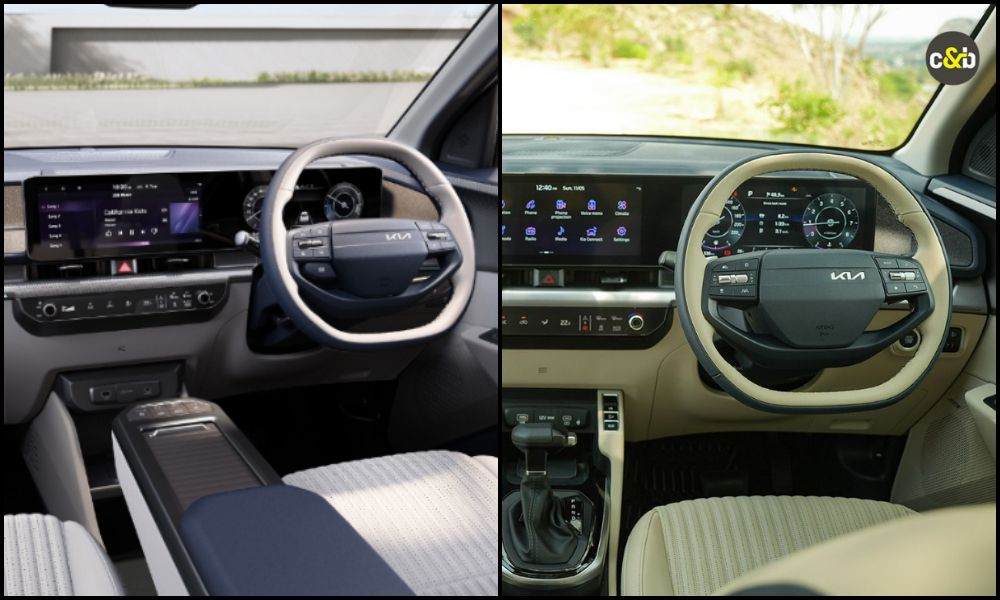 Another significant change is the relocation of the gear selector. It has been removed from the centre console, freeing up more usable space. Instead, the gear selector has been repositioned onto the steering column, akin to the setup seen in the Hyundai Creta Electric, which takes inspiration from the Ioniq 5. Moreover, it's also worth highlighting that while the top-end HTX+ trim of the ICE Carens Clavis is available in both 6- and 7-seat configurations, the electric version is offered as a 7-seat model with a bench seat in the middle row.