Sunday, 31 August 2025

Nissan GT-R: Diving Into The Legacy Of Nissan’s Iconic Sportscar

The Nissan GT-R has had a long, storied history stretching back over 50 years, marked with limited production runs and long spells of radio silence. While many are familiar with the latest R35 and even the R32, R33 and R34 Skyline GT-R’s what few would know is that GT-R’s lineage can be traced back to a company Nissan acquired back in 1966. The Skyline brand originally never belonged to Nissan and was already fairly successful on the race track at the time of acquisition.


Also read: Godzilla Retires: Final Nissan GT-R R35 Rolls Off The Production Line
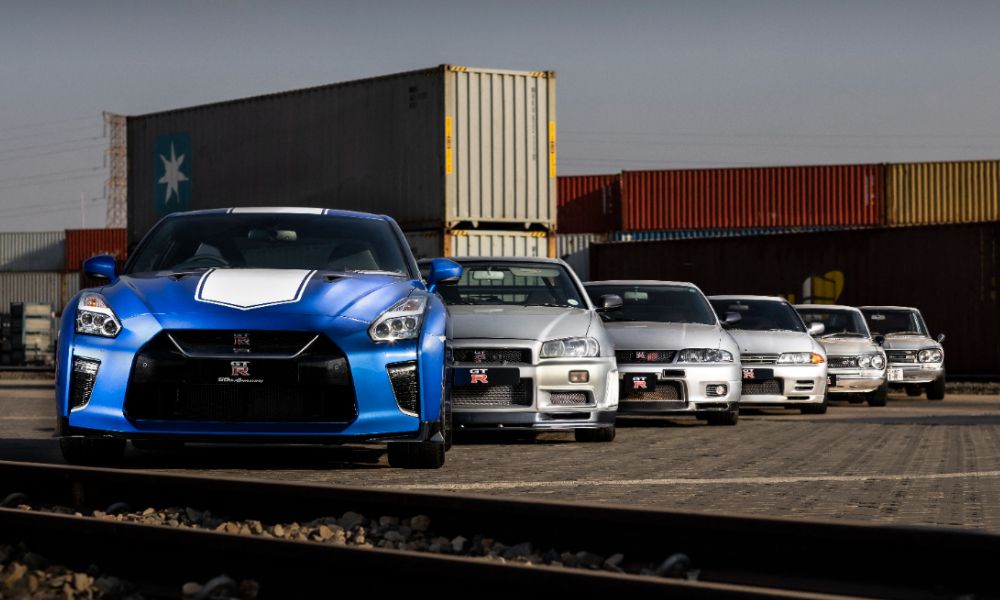
 Nissan GT R


So without further ado, let's dig back into the GT-R’s history, going way before it was even called Godzilla.
 

Prince Skyline (1957 to 1968)
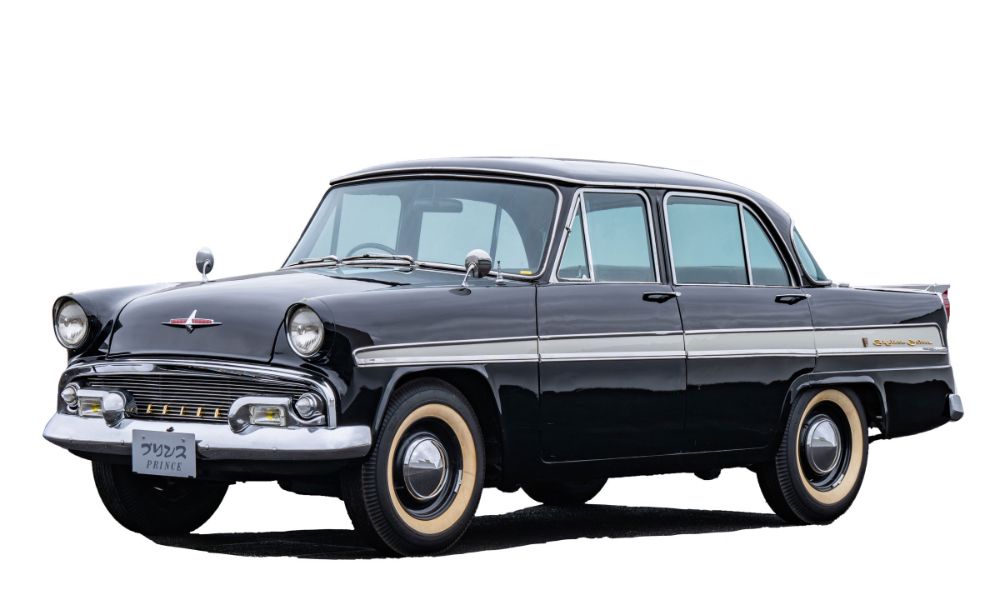
 Prince Skyline Delux 1957

Gen 1 Prince Skyline Deluxe sedan.


The Skyline sedan was originally a part of the Prince Motor Company, which launched the sedan as a luxury car for Japanese buyers all the way back in 1957. For two generations, the Skyline would be sold in Japan under the Prince umbrella until the merger of Prince and Nissan into the Nissan Motor Corporation in 1966. Two years later, in 1968, the third-generation Skyline, conceived at the hands of Prince, would emerge, now marketed under the name Nissan, and a year later, the Japanese market would get its first taste of the GT-R.
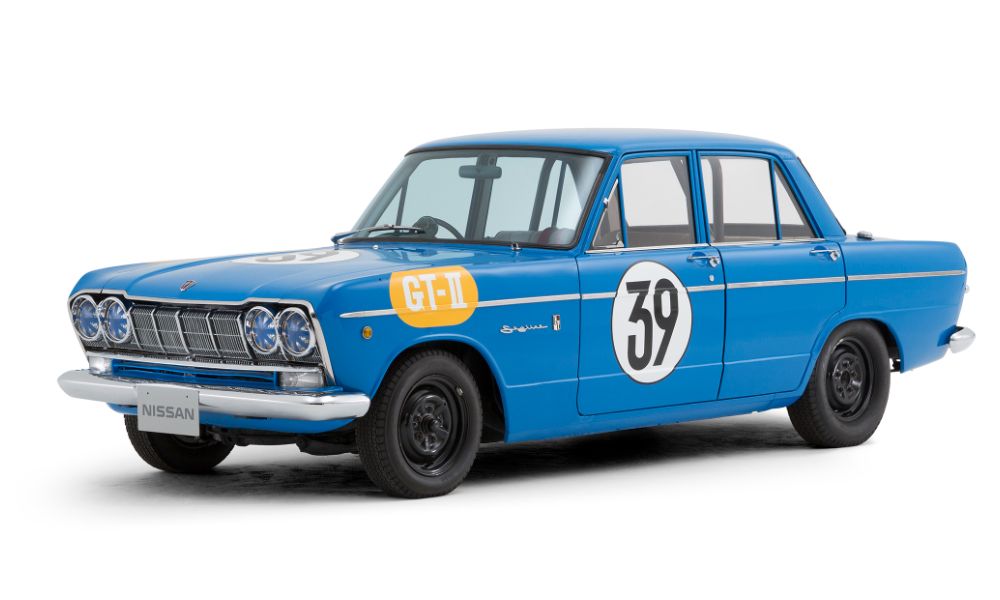
Prince Skyline GT

Gen 2 Prince Skyline GT race car.


The Prince Skyline would first start racing in its second generation in 1964, with the Prince Skyline GT securing numerous places on the podium. A homologation-special road variant called the Skyline GT would also be sold to the public, and thus the Skyline name came to be linked with Japan's circuit racing scene.


1969 Nissan Skyline GT-R ‘Hakosuka’
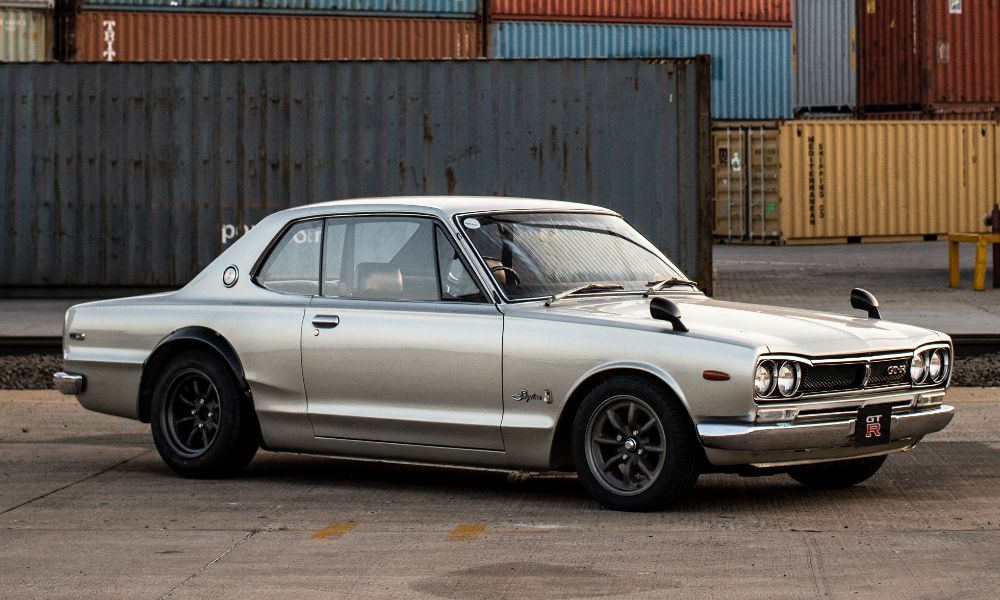
Nissan Skyline GT R Hakosuka

The first Nissan Skyline GT-R arrived in 1969 as a sedan, with the Coupe arriving in 1970.


It was at the Tokyo Motor Show 1969 that the public would get its first look at the car that would go on to establish a legacy name in the Nissan stable. The original Skyline GT-R arrived as a touring car homologation special envisioned by the Prince Motor Company to continue to take the Skyline name racing. In typical homologation special fashion, the GT-R was developed from the ground up as a race car featuring minimalised sound deadening and quite stripped bare to keep weight in check.
 

Under the hood would sit the engine many aficionados would identify as the S20, a 2.0-litre straight six that would be recognised as the first series-produced engine from Japan to feature four valves per cylinder and dual overhead cams. The engine’s origins could be traced back to Prince’s racing program, with the unit developing 160 bhp of peak power at a high 7,000 rpm and 177 Nm - all driving the rear wheels.
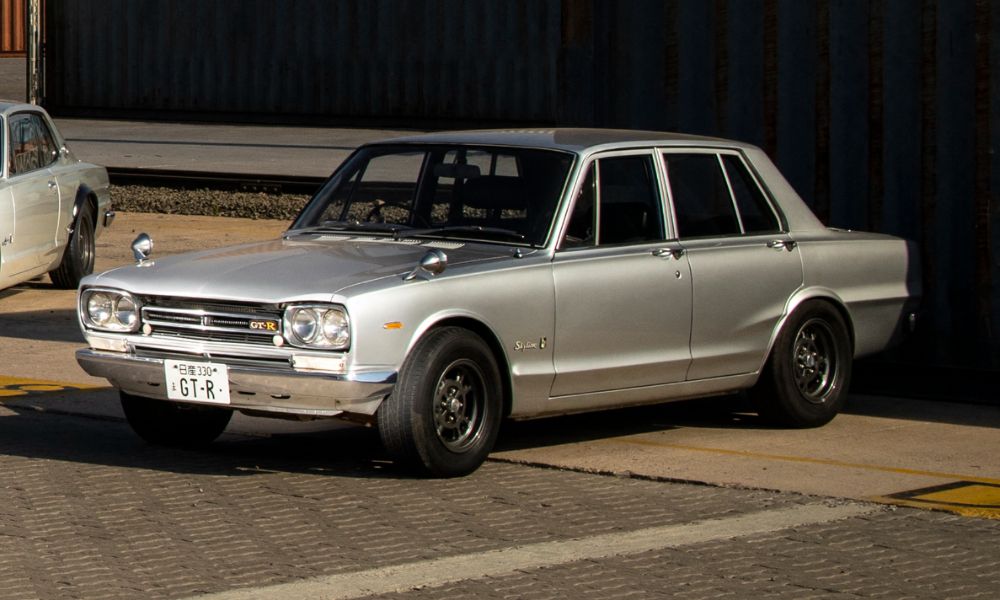
 Nissan Skyline GT R sedan 1969

The sedan and coupe were both homologation builds and combined recorded 52 race wins over a 3 year period - 49 of them in a row.


The Skyline GT-R - originally sold as a sedan till 1970 and then as a coupe - would dominate on the race track in Japanese Touring Car racing, racking up 52 wins - 49 of them in a row in its three-year racing career.
 

Also read: Nissan GT-R R35 Bows Out After 18 Years; Order Books Close In Japan
 

Totally, the original Slyline GT-R had a very limited production run with just 1945 units produced. The car’s classic three-box design and boxy proportions would earn it the name ‘Hakosuka’ which roughly translates to Boxy Skyline.


Another interesting bit of trivia is that the Hakosuka is featured in the Fast & Furious franchise in the Fast Five film. The car can be seen in the opening sequence when Brian O'Conner and Mia Torreto arrive in Rio de Janeiro.
 

1969 Nissan Skyline GT-R Specifications

Codename: PGC10 (sedan), KPGC10 (coupe)

Engine: 2.0-litre (1998cc) inline six-cylinder petrol

Power: 160 bhp at 7000rpm

Torque: 177Nm at 5600rpm

Transmission: Five-speed manual, RWD

Weight: 1120kg
 

1973 Nissan Skyline GT-R C110
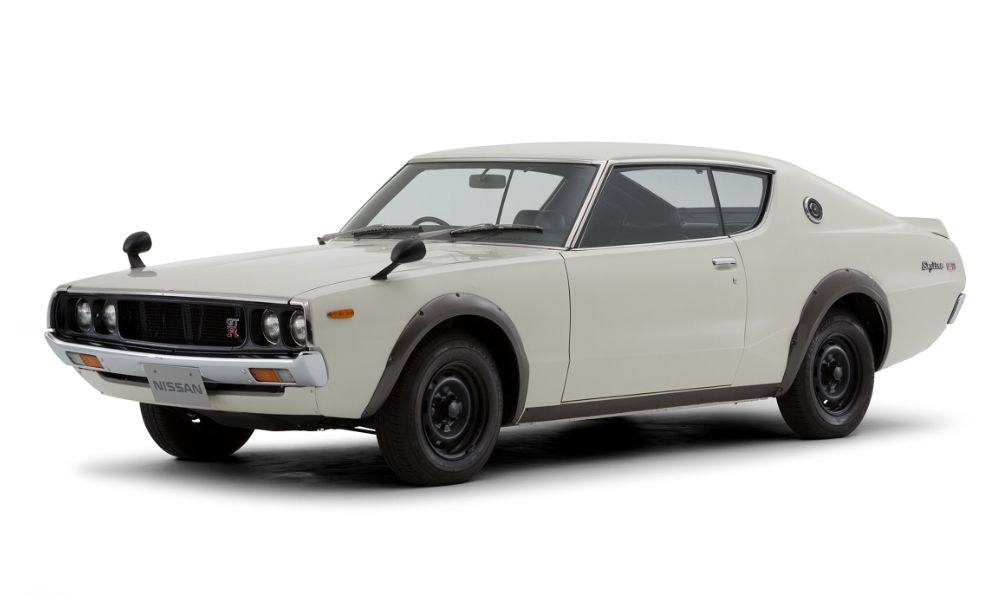
 

Nissan Skyline GT R C110

The second-gen Skyline GT-R had a very limited run, with the Oil crisis of the 1970s spelling an early demise.


The second generation of the GT-R would arrive in 1973, but would never really live up to its predecessor. The global oil crisis of the 1970s saw the model’s production run end within months of deliveries commencing. Unveiled at the Tokyo Motor Show in 1972, sales would commence in January 1973, only for the model to be pulled from the shelves by April with just 197 units sold.
 

Despite the short run, the second-gen GT-R was the first car to feature all-wheel disc brakes. It would also feature the twin round tail lamps, a design signature that has identified the GT-R for generations.
 

1973 Nissan Skyline GT-R Specifications

Codename: KPGC110 (coupe)

Engine: 2.0-litre (1998cc) inline six-cylinder petrol

Power: 160 bhp at 7000rpm

Torque: 177 Nm at 5600rpm

Transmission: Five-speed manual, RWD

Weight: 1145kg
 

1989 Nissan Skyline GT-R R32 ‘Godzilla’
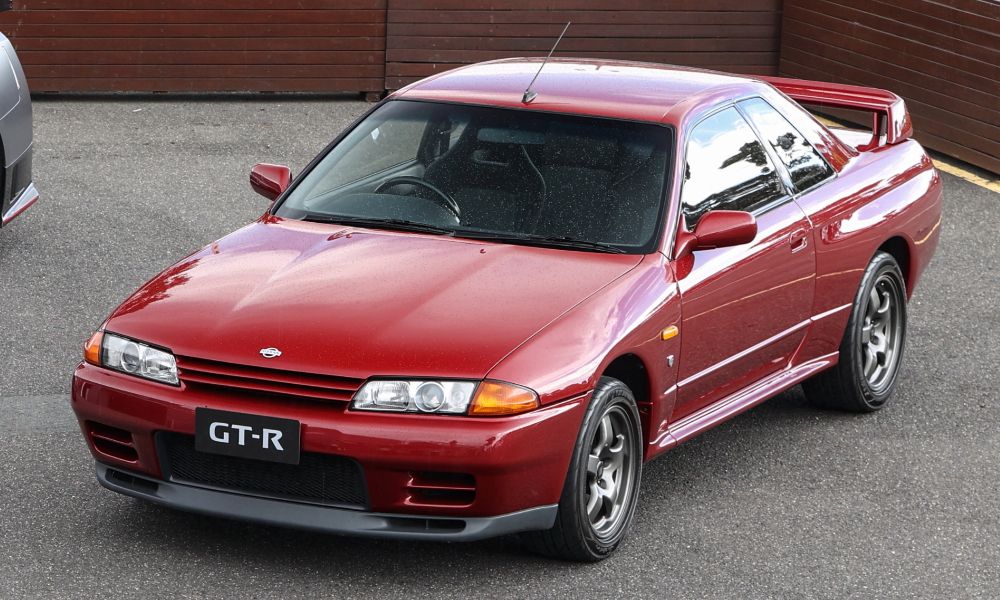
 Nissan GT R R32 Godzilla 1

The R32 is the car that earned the GT-R the Godzilla nickname following a very dominant run on the race tracks in Japan and Australia.


It would be almost two decades later when the GT-R name would return for its third generation, now with the seventh-generation Skyline. The R32 was a technological tour de force for its time, debuting the iconic RB26 DETT twin-turbo in-line-six engine, the just as iconic ATTESA ET-S (Advanced Total Traction Engineering System for All Terrains and Electronic Torque Split) traction management system - used by all subsequent generations and all-wheel steering.


Also read: Nissan Unveils Limited-Edition GT-R T-spec Takumi, Skyline Special Editions 
 

And just for the kicker, Nissan actually bought one unit of the legendary Porsche 959 to reverse engineer its variable all-wheel drive system to develop the ATTESA ET-S system.
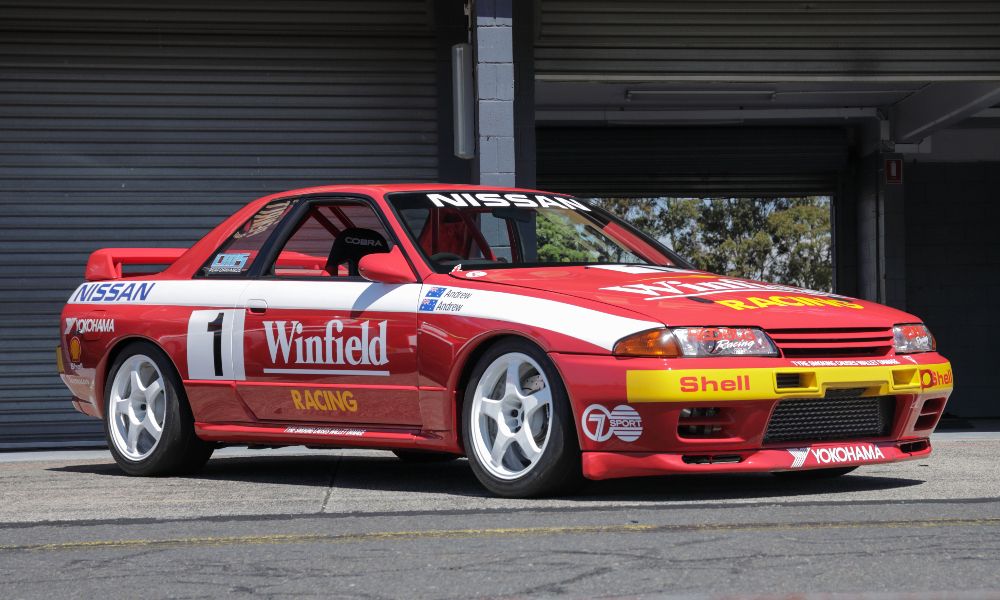
 Nissan GT R R32 Godzilla

The famous ATTESA ET-S system is said to have been reverse-engineered from a Porsche 959.


The R32 would go on to dominate the racing scene globally winning the All Japan Touring Car Championship between 1990 and 1993, scoring back-to-back victories in the 1990 and 1991 Spa 24 Hours and taking the top prize in the 1990 Nurburgring 24 Hours in its category. It would also dominate Australian Touring Car racing, winning titles between 1990 and 1992, earning it the nickname ‘Godzilla’ in reference to the fictional Japanese character that laid waste to everything in its path.


Also read: Porsche 959 Nissan Bought To Engineer The R32 GT-R Is Headed For Auction
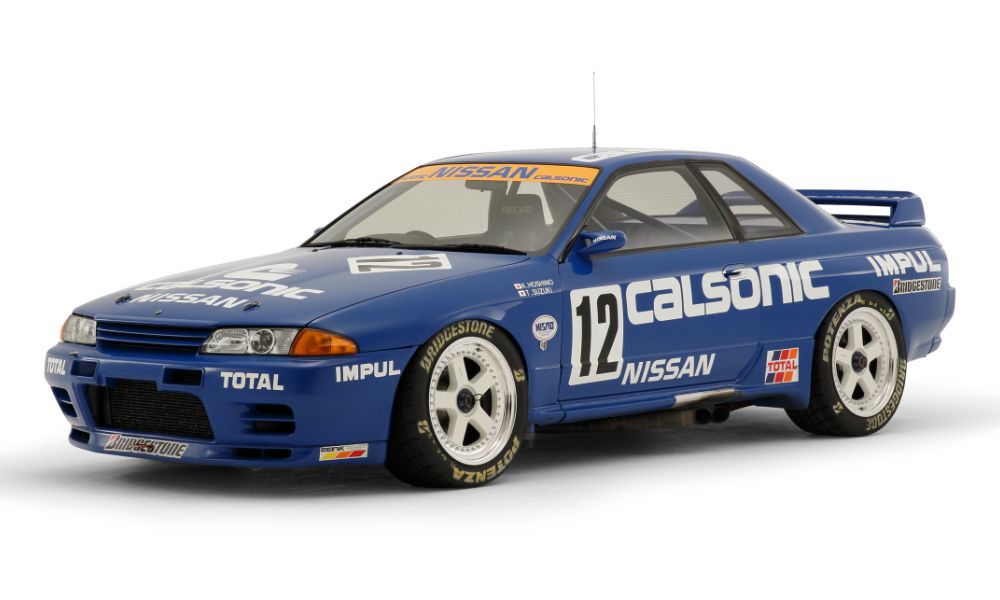
 

Nissan Skyline GT R Nismo race car

Notable race wins included a class victory in Le Mans and back-to-back wins at the Spa 24 hours.


The R32 retired in 1994, with almost 50,000 units sold.
 

1989 Nissan Skyline GT-R Specifications

Codename: E-BNR32 (coupe)

Engine: 2.6-litre (2568cc) inline six-cylinder twin-turbo petrol

Power: 276 bhp at 6800rpm

Torque: 353Nm at 4400rpm

Transmission: Five-speed manual, AWD

Weight: 1430kg


1994 Nissan Skyline GT-R R33
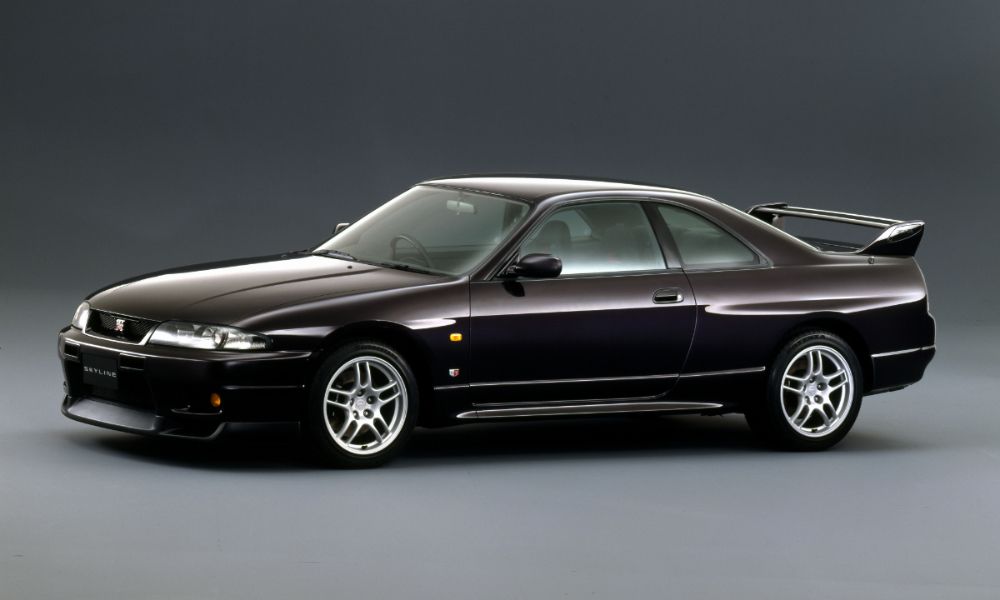
Nissan Skyline GT R R33

The R33 was essentially an upgrade to the R32 and is probably best known for the Nismo 400R special edition - one of the most sought-after GT-Rs.


The fourth generation of the Skyline GT-R would make its global debut in 1993 as an evolution of the R32. The RB26 DETT was retained but now enhanced to develop more torque, while the ATTESA-ETS would be recalibrated for improved operation.
 

The R33 would not see the same success on the track as its celebrated predecessor but would still go on to win the 1998 GT500 racing series in Japan and come 10th overall at Le Mans in 1995. In all, Nissan sold over 16,600 units of the R33 GT-R, including the much-prized GT-R 400R limited edition - the only R33 GT-R to have breached the then ‘Gentleman’s agreement’ to cap maximum power, with 400 bhp and 440 Nm on tap. 


Only 44 units of the 400R were ever made, with the car now valued in the millions and one of the most sought-after GT-Rs around. Production would end in 1998 with the arrival of the R34.
 

1994 Nissan Skyline GT-R Specifications

Codename: E-BCNR33 (coupe)

Engine: 2.6-litre (2568cc) inline six-cylinder twin-turbo petrol

Power: 276 bhp at 6800rpm

Torque: 368Nm at 4400rpm

Transmission: Five-speed manual, AWD

Weight: 1540kg
 

1999 Nissan Skyline GT-R R34
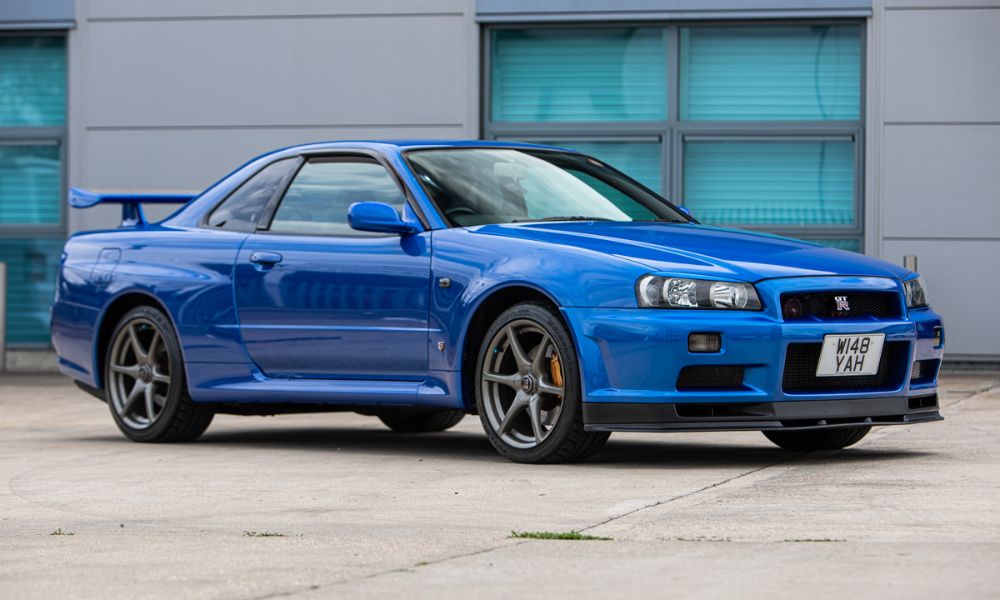
 Nissan Skyline GT R R34

The R34 has become a staple in online gaming, and its appearance in the Fast & Furious franchise has made it globally renowned.


The R34 to many is the most recognisable of the GT-R, thanks to its long involvement in video games and starring in the Fast & Furious franchise. The R34 would be another evolutionary generation of the Skyline GT-R, retaining the services of the RB26DETT and upgrading the existing hardware, including the ATTESA system. The R34 would also be the first GT-R to use a 6-speed manual gearbox.
 

The R34 would be the last of the Skyline GT-Rs and the only model Nissan would buy back from customers to release a high-performance special edition - the Z-Tune. Interestingly, Nissan would buy back 20 units of the R34 to upgrade the vehicles to churn out 493 bhp and 540Nm in line with its GT500 Nismo racecars and feature a special silver paint scheme. The R34 would see the curtains fall on its lifecycle in 2002, with the GT-R brand driving off into the sunset till 2007.
 

1999 Nissan Skyline GT-R Specifications

Codename: GF-BNR34 (coupe)

Engine: 2.6-litre (2568cc) inline six-cylinder twin-turbo petrol

Power: 276 bhp at 6800rpm

Torque: 392Nm at 4400rpm

Transmission: Six-speed manual, AWD

Weight: 1560kg
 

2007 Nissan GT-R R35
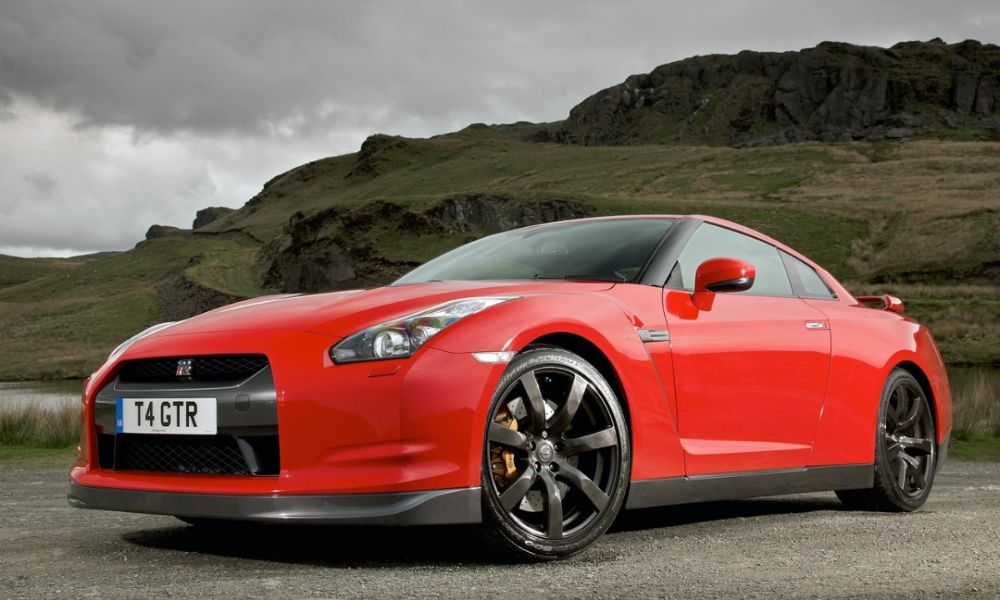
Nissan GT R R35 2007

The R35 was the first GT-R to not be related to the Skyline and is Nissan's longest selling GT-R.


The R35 marked the first time the GT-R would not be based on the Skyline. The R35 was built on its own dedicated platform, independent from the Skyline, which still remains on sale today in some markets in its thirteenth generation.


The R35 swapped the tried and tested RB26 straight six for a 3.8-litre, twin-turbo V6, pushing out 473 bhp of power in 2007, though this number would evolve over the years. Unlike its predecessors, the R35 would be offered with an automatic gearbox out of the box though it would inherit the latest generation of the ATTESA ET-S all-wheel drive system that played a part in making the R32 an icon.
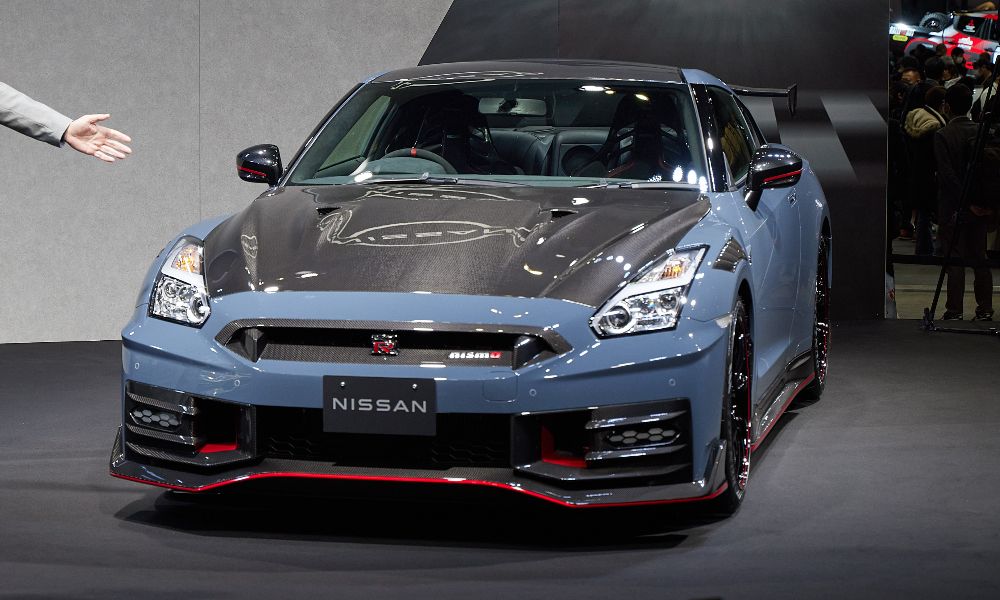
 Nissan GT R R35 Nismo

The Nismo was the most powerful iteration of the GT-R with 600 bhp on tap.


The R35 would be the longest-serving GT-R from Nissan, with sales for the car finally ending in 2025. As with the C10, R32 and R33, the R35 would also make a name for itself in the motorsports world, winning 5 Super GT 500 Series championships, 3 Super GT300 series championships, the 2015 Bathurst 12 hours, and 5 Super Takyu series championships.
 

The sports car would also set multiple Nurburgring lap records, posting a time of 7 min 38 seconds in 2007 in damp conditions and improving to 7 min 29 seconds the following year. These times continued to improve till November 2013 when the GT-R Nismo set a time of 7 min 8.679 seconds - the fastest time posted by the R35.
 

Nissan GT R R35

 The R35 did see notable race wins on the track with numerous GT Car race titles in Japan.


The R35 would also receive several incremental changes over the course of its 18-year production run as Nissan continued to tinker with the car’s performance. The 3.8-litre twin turbo V6 in the final models would ended up developing 565 bhp while the Nismo pushed out 600 bhp.
 

Nissan rolled the final R35 GT-R off the production line in August 2025, with tightening emission standards and safety regulations finally retiring the sports car with about 48,000 units sold globally.


The Future Of The GT-R
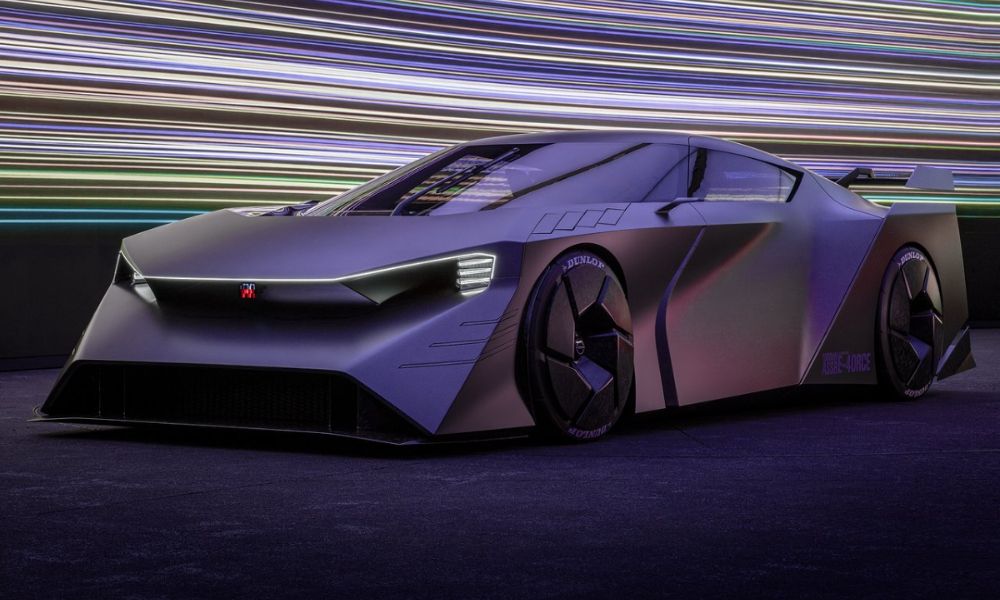
Nissan Hyper Force concept

Nissan's 2023 Hyper Force Concept is expected to preview the next evolution of the GT-R.


However, while Godzilla has for now been put to rest, Nissan has said that the GT-R name will be revived yet again in the future. Speculation remains rife on the future of the GT-R with the switch towards electrification suggesting that the next iteration of the icon could do away with internal combustion entirely, though this remains pure speculation at the time. Nissan CEO Ivan Espinosa has said that for now, the brand has no concrete plans in place for the GT-R, though “the GT-R will evolve and reemerge in the future.”


from carandbike - News https://ift.tt/AK5gnLR
via IFTTT
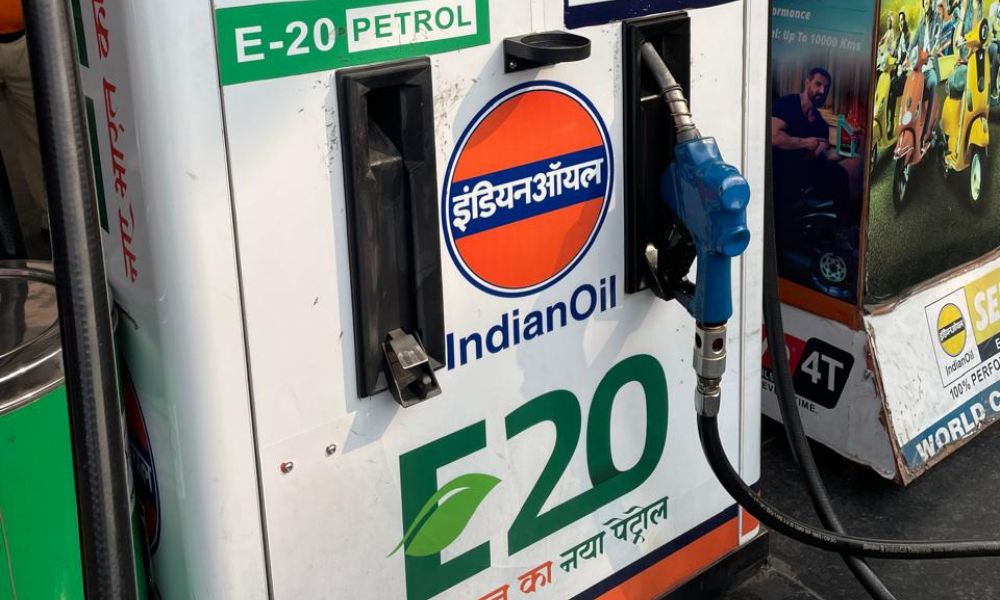
Ethanol Blending: SIAM Assures Warranties Of Non-E20 Compliant Vehicles Will Be Honoured

At a joint press conference with the ARAI and FIPI, the Society of Indian Automobile Manufacturers (SIAM) looked to ease some of the concerns of vehicle owners over the switch to E20 blended fuels. Speaking at the conference, SIAM spokesperson said that there would be no changes to the warranties and insurance of vehicles and that all warranty claims of existing vehicles would be honoured.


Also read: PIL In Supreme Court Challenges Govt’s E20 Petrol Policy
 

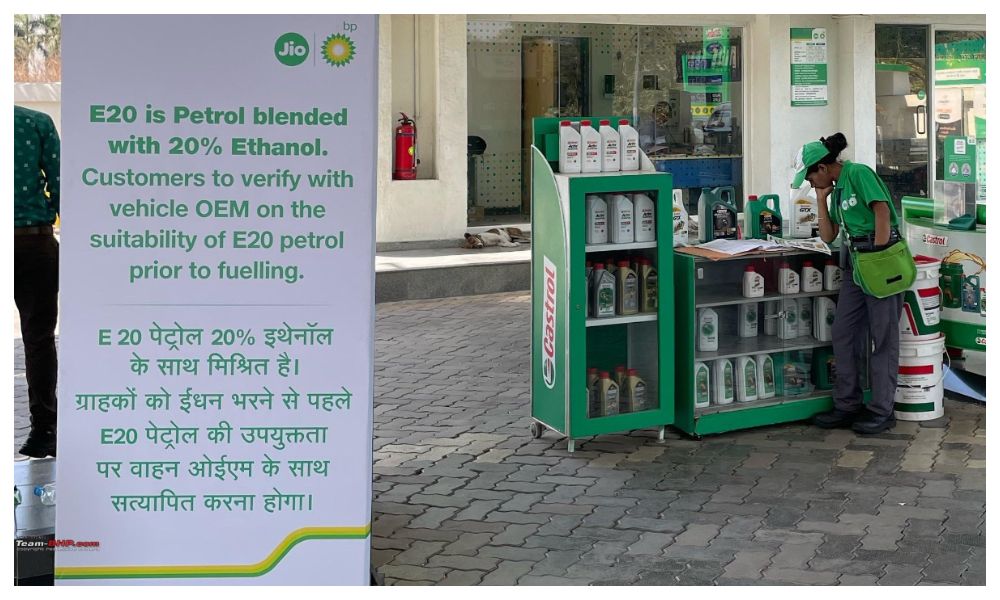
E20 pump

India switched entirely to E20 blended petrol as of 2025, which raised many concerns amongst vehicle owners. Part of this stemmed from the fact that many brands only announced E20 compliance for their cars in the past two years, raising concerns that older non-E20-compliant vehicles, some less than two years old, would face challenges from the use of non-specified fuels, as well as see warranty and insurance claims denied over the use of improper fuels.


Also read: Ethanol-Blended Fuel Dilemma: Is Your Vehicle Safe To Run On Biofuel?
 

SIAM’s words that insurance and warranties will continue to be honoured should come as some relief to vehicle owners, particularly non-E20-compliant vehicles. SIAM’s statement follows in line with that made by the Petroleum Ministry earlier in August, which stated that the use of E20 petrol would not void warranty and insurance of vehicles.


Also read: Ethanol Now More Expensive Than Petrol; Improves Performance: Govt
 

E20 fuel

The switch to E20 blended petrol has been met with much scepticism among vehicle owners, with uncertainties over long-term usage issues in non-E20-compliant vehicles, a drop in mileage of vehicles and the lack of alternatives for older vehicles. The government’s move to only E20-blended petrol has also made its way to the Supreme Court of India, where a PIL has been filed over the decision to only offer E20 petrol at all fuel stations. The PIL calls for non-E20 blend petrol options to be made available at petrol stations as well as calling for cost benefits arising from the blending of petrol with ethanol to be passed down to consumers in the form of lower fuel prices.


from carandbike - News https://ift.tt/Hgiq5wU
via IFTTT
Saturday, 30 August 2025

Ather Rizta Z Now Gets A Touch Enabled Cluster

As part of its 2025 Community Day event, Bengaluru-based electric EV brand Ather Energy has introduced a new feature for its popular Rizta model. The top-spec Z variant of the Rizta now comes with a touch-enabled cluster, a feature that will be available as standard for new buyers. Existing Rizta Z owners will receive the touch functionality via an over-the-air (OTA) update.


Also Read: Ather Redux Concept Unveiled As Scooter-Motorcycle Crossover

Ather Rizta 1

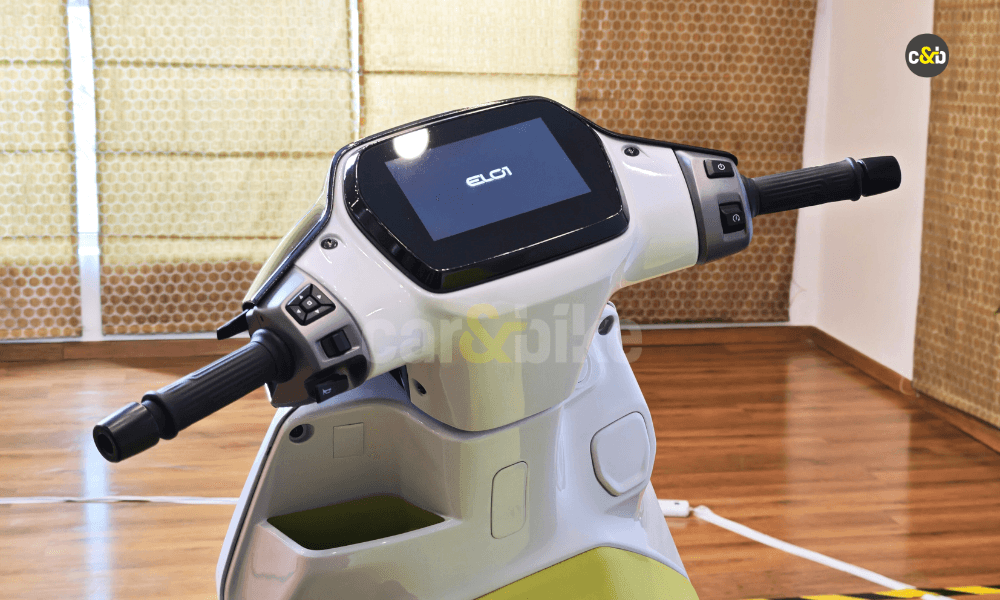
Meanwhile, the Rizta S, which is the base variant, will continue to feature the 7.0-inch 'DeepView' display. The Z variant’s 7.0-inch TFT display, however, now gains touch functionality, allowing users to navigate through the cluster. The hardware for this touch feature has been in place all along, with the software update now rolling out to users. 

 
The Rizta has proven to be a standout performer for Ather Energy, and the addition of the touch-enabled feature is expected to make it even more attractive to potential buyers. It also hit a significant sales milestone, surpassing one lakh retail units within just a year of its launch in April 2025. This impressive success can largely be attributed to the positive response from family scooter buyers, with strong demand leading the Rizta to account for 60% of Ather’s total sales in the past. 


Also Read: Ather Concept EL01 E-Scooter Debuts With Steel Frame, Direct Drive Motor


Ather Rizta 29

The Ather Rizta is available in two variants, S and Z, with three battery options: 2.7 kW, 2.9 kW, and 3.7 kW. Depending on the variant, the IDC range varies between 123 km and 159 km. Both versions offer a peak power output of 4.3 kW (5.77 bhp) and 22 Nm of torque. The claimed top speed for both variants is 80 kmph, with a 0-40 kmph acceleration time of 4.7 seconds. 
 
The third edition of Ather's community day event also saw the unveiling of two new concept scooters. The first is the EL01, a family-oriented model that is set for production and will be launched in 2026. The second is the radical-looking Redux, which remains an ‘experimental project’ and is not slated for production anytime soon. Additionally, the electric vehicle brand introduced a new cruise control feature for the 450 Apex, along with the rollout of a new 6 kW fast charger.


from carandbike - News https://ift.tt/FM8s6aA
via IFTTT
Ather Redux Concept Unveiled As Scooter-Motorcycle Crossover

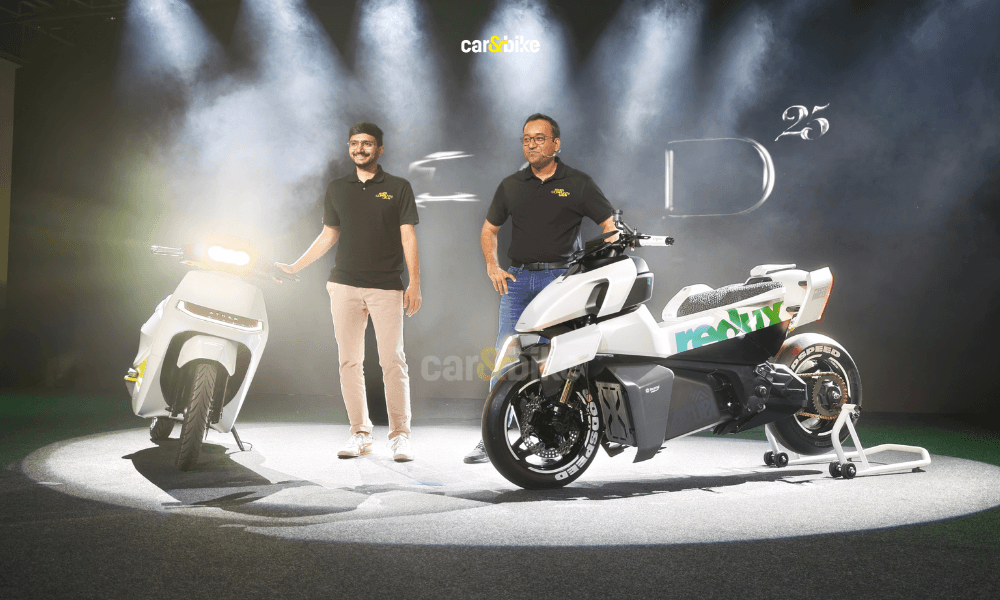
Ather Energy has pulled the wraps off the Redux concept, which appears to be a crossover of a scooter and a motorcycle. The concept was showcased at the brand’s 2025 Community Day event, alongside the EL01 Concept and various other updates for the brand’s existing lineup. The Redux is a radical-looking two-wheeler which looks quite busy with sharp design elements all over, and is currently tagged as an ‘experimental project’. 


Also Read: Ather Concept EL01 E-Scooter Debuts With Steel Frame, Direct Drive Motor

Ather Redux Concept 2

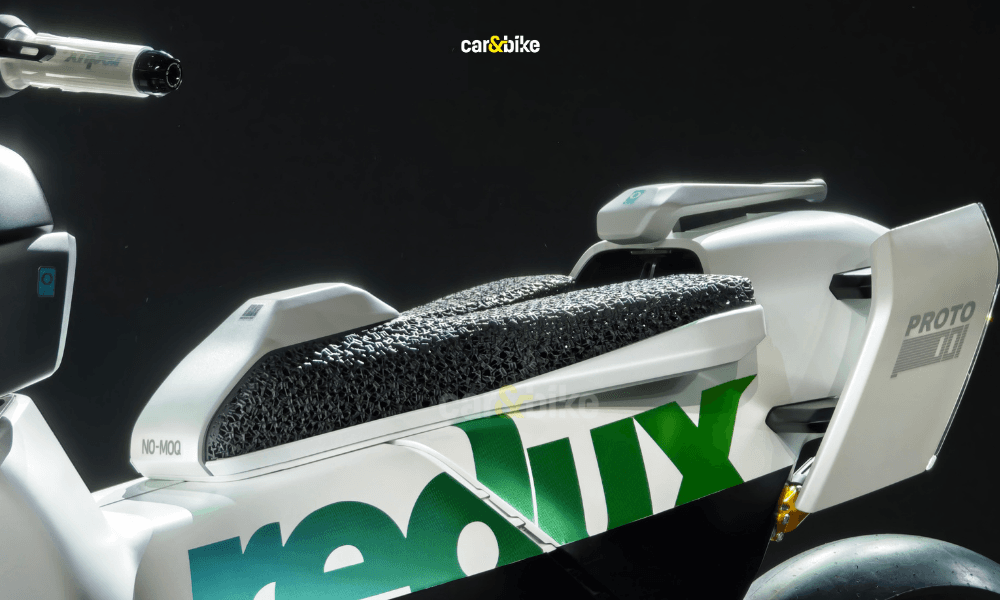
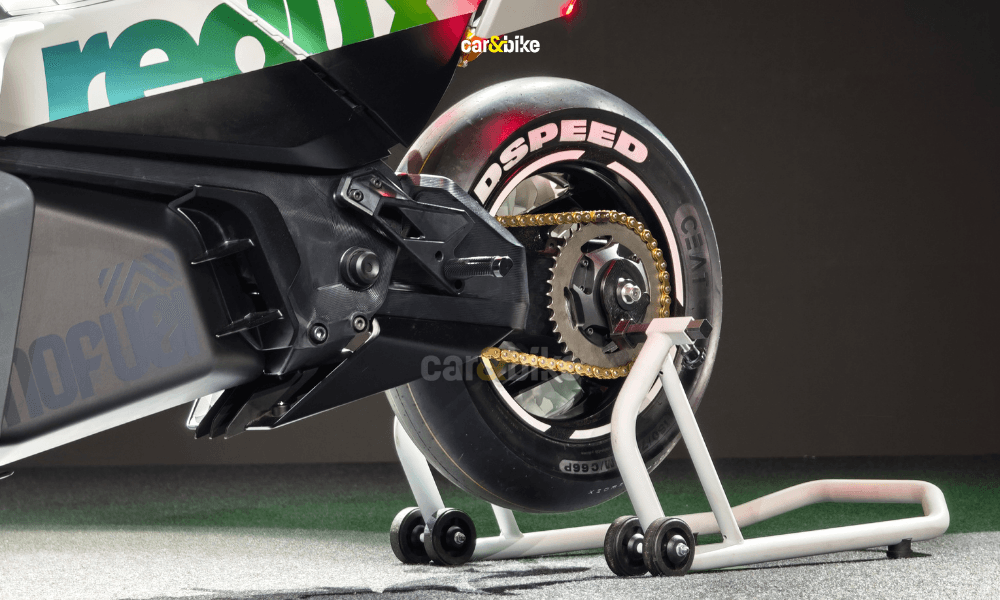
Contrary to the EL01 concept, the Redux is what Ather describes as a “moto-scooter.” It is built with a lightweight aluminium frame and features a 3D-printed lattice mesh seat and bodywork made from AmpliTex, a material that Ather claims is both durable and sustainable. The concept scooter has sharp ear-like edges at both sides, which double as indicators at the front. 


Also Read: 2025 Ather 450 Apex Gets Cruise Control 

Ather Redux Concept 5

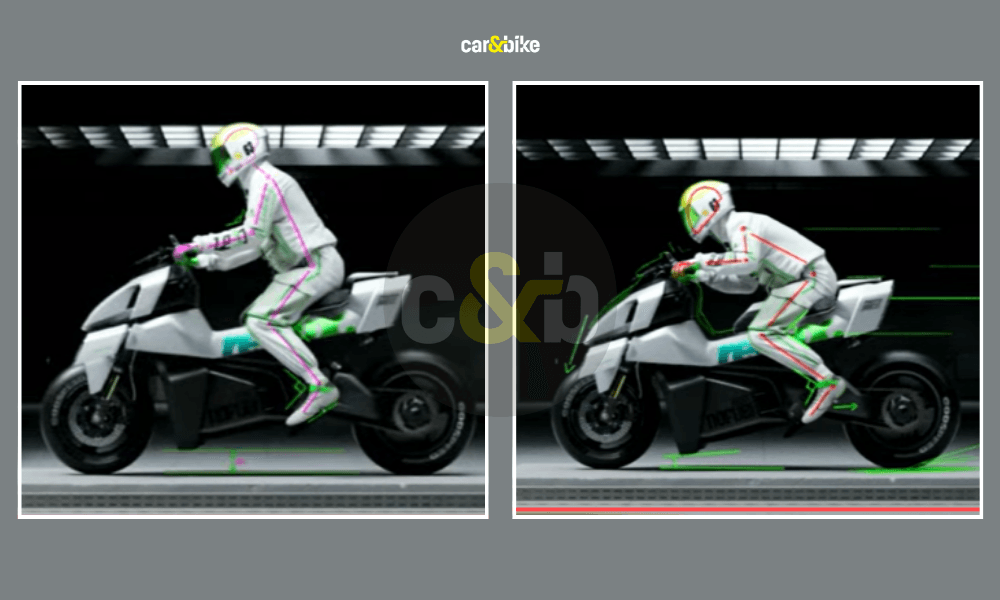
Ather mentions that the Redux has been designed with adaptive ride dynamics, allowing it to adjust its behaviour based on the riding conditions. This essentially results in an adaptive stance, enabling the vehicle to modify its ergonomics and switch between a relaxed posture to a sportier position as the rider leans in a committed stance. The Redux concept is currently equipped with slick tires, while suspension duties are handled by Ohlins.


Also Read: 2025 Ather 450X Long Term Report: 1,000 Km Review

Ather Redux Concept 3

On the tech side, Redux has a new interface called Morph-UI, which adapts its layout depending on the chosen riding mode. The Redux also features a keyless start system, allowing it to recognise the rider and enable the vehicle’s operations without the need for even a key fob. 


Also Read: Ather Energy Introduces BaaS Model: Rizta Now Priced From Rs 76,000


Ather Redux Concept 4
When it comes to performance, Ather has introduced a mode called “Take Off” to demonstrate the potential for rapid acceleration with future electric drivetrains, though specific performance figures have not been disclosed. Currently, Redux remains a concept and isn’t slated for production.  


from carandbike - News https://ift.tt/Qg3afTY
via IFTTT
Ather Concept EL01 E-Scooter Debuts With Steel Frame, Direct Drive Motor

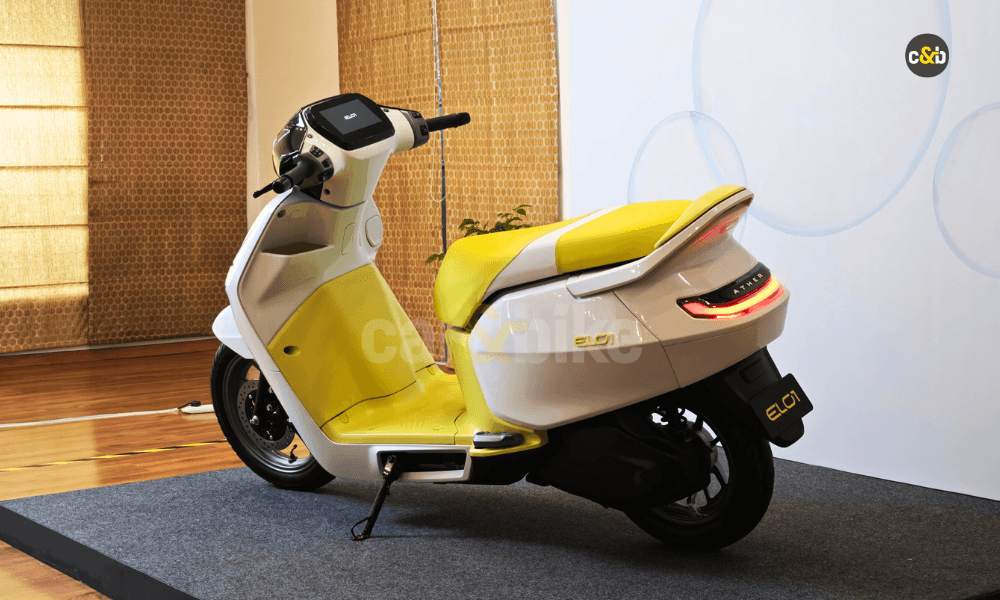
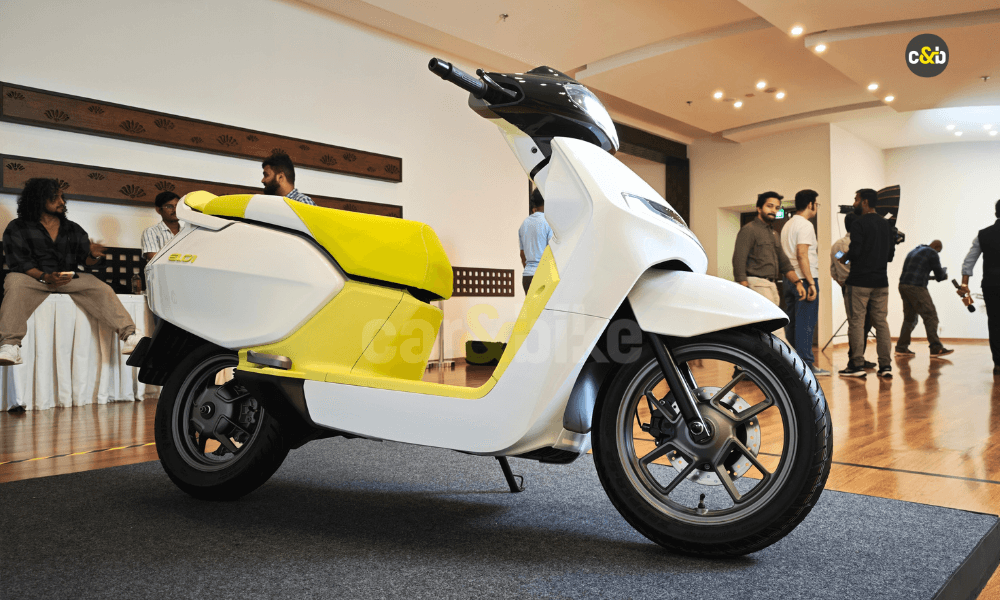
Ather Energy has unveiled a key new product vision to take the fight to Bajaj Auto and TVS Motor Company. At Ather Community Day 2025, the scooter manufacturer has taken the wraps off the Concept EL01, which previews an upcoming family scooter, set to hit the market in the second half of calendar year 2026. It's based on the company's new 'EL' platform, which it claims will not only help expedite new product launches in the coming years, but also be far easier and cheaper to manufacture at scale.


Also Read: 2025 Ather 450 Apex Gets Cruise Control 


Ather EL 01 Concept 3

Ather Concept EL01: Platform and frame
 

The biggest change with the new platform is the switch to an all-steel, unibody construction. Unlike the 450 series and Rizta, which employ aluminium in their construction along with several parts making up the frame, scooters based on the EL architecture will have a single-piece steel frame, which can be altered to accommodate different body styles. 


car&bike has learned that despite the switch to steel, Ather has managed to keep the new platform's weight close to that of the aluminium-based products. One visible weight-saving measure is the choice to go with a single-sided swing arm on this platform.

Ather EL 01 Concept 5

Ather Concept EL01: Dimensions,  suspension and wheels


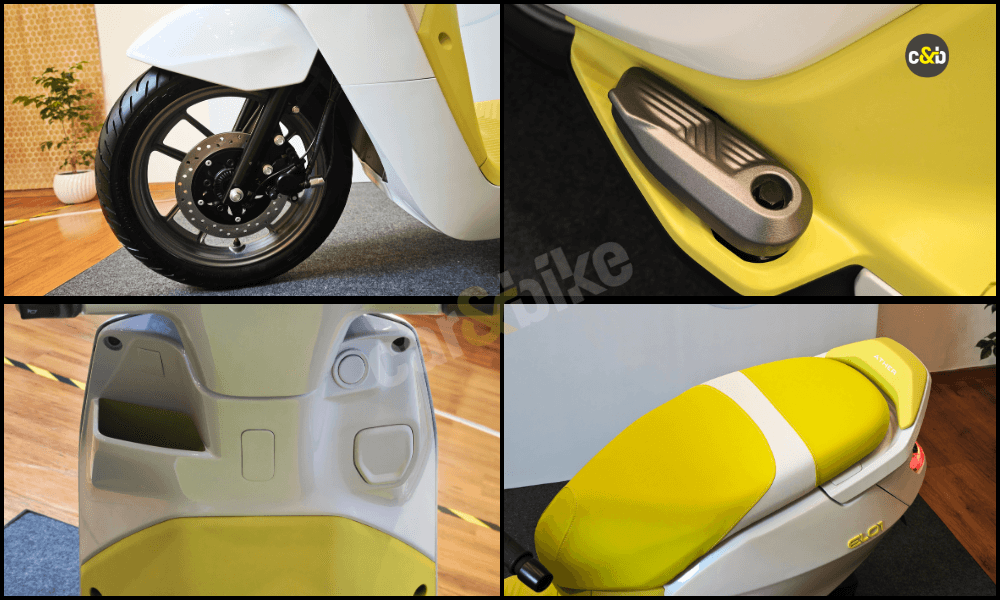
In its presentation, Ather confirmed this platform can spawn sporty scooters, family scooters as well as maxi-scooters. The new platform allows for a significantly longer wheelbase (longer than even the Rizta's) and a variety of wheel size combinations -- 12 inches at both ends, a 14-inch front and a 12-inch rear, as well as 14-inch wheels at both ends.


While the EL01 employs a conventional telescopic fork, what's new is the positioning of the single rear shock absorber, which has been moved towards the tail of the scooter to allow for greater suspension travel, resulting in enhanced ride comfort. 

Ather EL 01 Concept 6

Ather Concept EL01: Battery, performance and charging


Scooters based on the EL platform will be accommodate batteries ranging from as small as 2 kWh to as big as 5 kWh, with Ather claiming full flexibility when it comes to choosing cell chemistry, be it nickel manganese cobalt (NMC) or lithium ferro-phosphate (LFP).


Company officials have confirmed products based on EL architecture will not have as sharp a focus on performance as the 450 series, hinting at less powerful motors, and also ruling out the platform spawning the next-generation 450 series.


An innovation on the charging front is the integration of the onboard charger with the drive controller, which eliminates the need for a portable charger, thus freeing up crucial underseat storage space. However, car&bike understands the EL01 may not match the Rizta's large underseat compartment when it comes to outright volume.

Ather EL 01 Concept 4

While the EL01 has a 7.0-inch display, Ather will be able to fit screens ranging from a 5.0-inch TFT to a 7.0-inch full-touch dash on EL platform scooters.


The Concept EL01, which will inevitably have some kind of overlap with the Rizta, will be manufactured at Ather's new facility in Maharashtra. Expected to be launched closer to Diwali next year, the EL01 could very well be the first Ather product to dip well below the Rs 1 lakh mark (ex-showroom).


from carandbike - News https://ift.tt/RswjGpS
via IFTTT
2025 Ather 450 Apex Gets Cruise Control

With the growing demand for smarter riding aids, Ather Energy’s flagship electric scooter, the 450 Apex, now comes equipped with a cruise control system called ‘Infinite Cruise’. This was unveiled at the Ather Community Day 2025, which will also see the showcase of the brand's concept electric scooter. The cruise control feature is bundled with all new Apex units sold from now on, while customers who bought the 450 Apex in 2025 will get it through an over-the-air (OTA) update.


Also Read: Ather Energy Introduces BaaS Model: Rizta Now Priced From Rs 76,000


Ather 450 Apex Gets Infinity Cruise Control 1

Ather's Infinite Cruise includes three main functions: City Cruise, Hill Cruise, and Crawl Control, each designed to handle different types of riding. City Cruise maintains a steady speed on flat roads, while Hill Cruise helps keep consistent momentum on slopes – both uphill and downhill – without requiring constant throttle input. Crawl Control, exclusive to the Apex, allows the scooter to hold a speed as low as 10 kmph, making it practical in heavy traffic or tight, low-speed scenarios.
 

Also Read: Ather Energy To Integrate Voice Commands Via Halo Smart Helmet On Future Models


Ather 450 Apex review carandbike 11

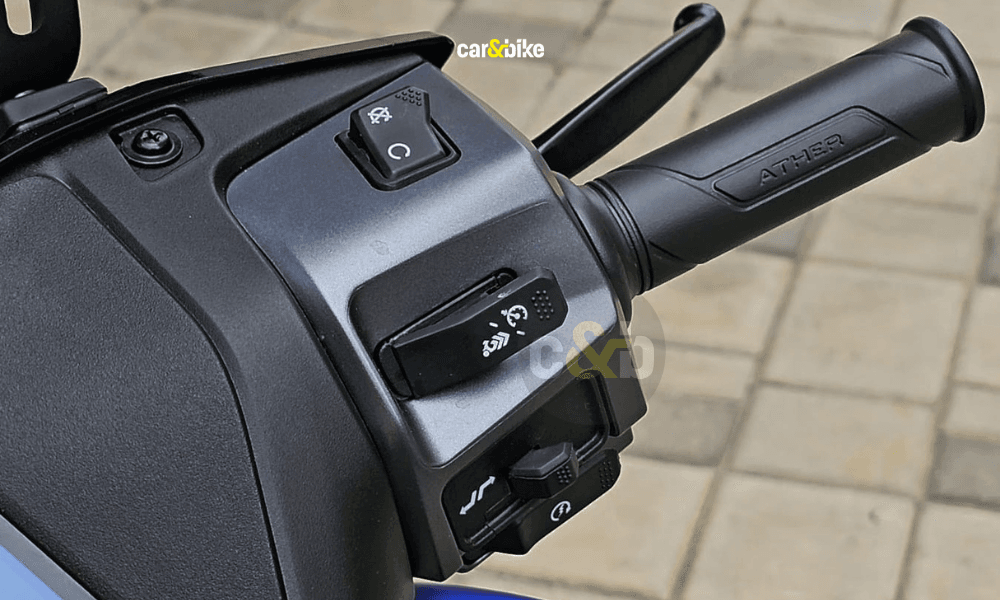
Unlike traditional cruise control systems that often rely on separate switches or menus, Infinity Cruise uses the reverse button to toggle cruise control on the go. A single tap activates it, provided the speed is beyond 10 kmph. Riders can lock in a preferred speed, and if the scooter comes to a stop, the system pauses automatically. Once the scooter accelerates back to the locked speed, cruise control resumes without needing to be re-engaged manually. Cruise control remains active even when throttle input is applied.


Also Read: Ather 450 Apex Review: Most Potent Ather Yet Is One For The Loyalists


Ather 450 Apex 10 dff3e32fd0

Apart from this addition, the 450 Apex remains the same. It continues with the 3.7 kWh battery pack, which is claimed to be good for 157 km on a single charge. Peak power output is rated to be 7 kW (9.39 bhp) and 26 Nm. It continues to have five ride modes, of which using the Wrap+ mode enables it to clock a top speed of 100 kmph, while 0 to 40 kmph is claimed to be achieved in 2.9 seconds.  


from carandbike - News https://ift.tt/wIjv4r8
via IFTTT
Friday, 29 August 2025

New Hyundai Concept Previewed Ahead Of Debut At IAA Mobility Show 2025

Hyundai has shared the first glimpses of a new concept that is set to debut at the upcoming IAA Mobility Show 2025 in Munich, Germany. The new concept could preview a future production model under the Korean firm’s growing Ioniq model series as a model positioned below the Ioniq 5.


Also read: New Hyundai Venue Interior Spied For The First Time

 Hyundai Concept IAA 2025 1

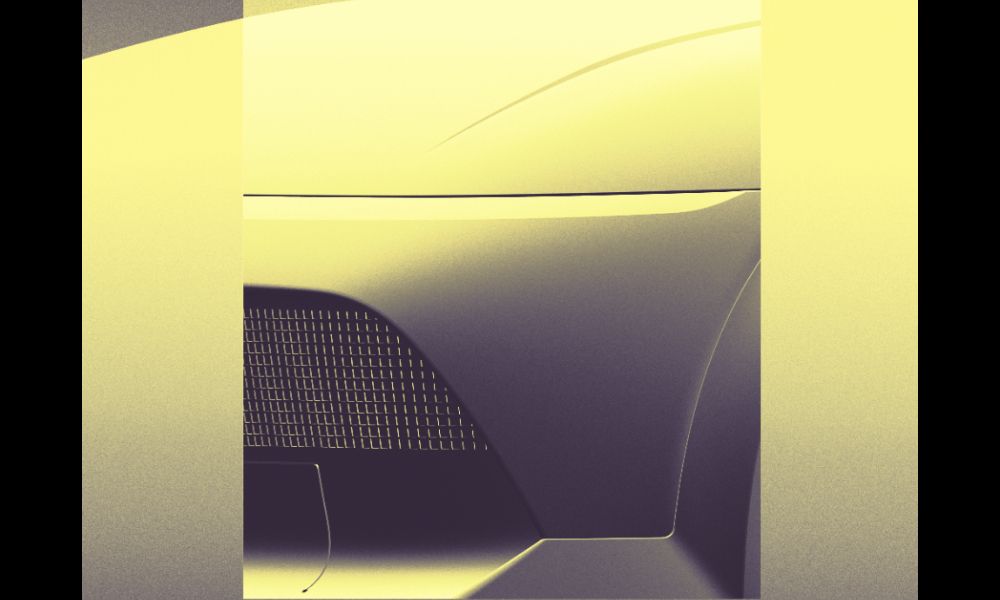
The teaser images suggest a sleek and rounded coupe-style model featuring Hyundai’s ‘pixel’ design elements prominently visible in the faux grille. An LED lightbar spans the width of the fascia, while the images suggest that the headlamps themselves are integrated into the enclosed grille. Also visible are what look to be active air vents at the base of the bumper.
 

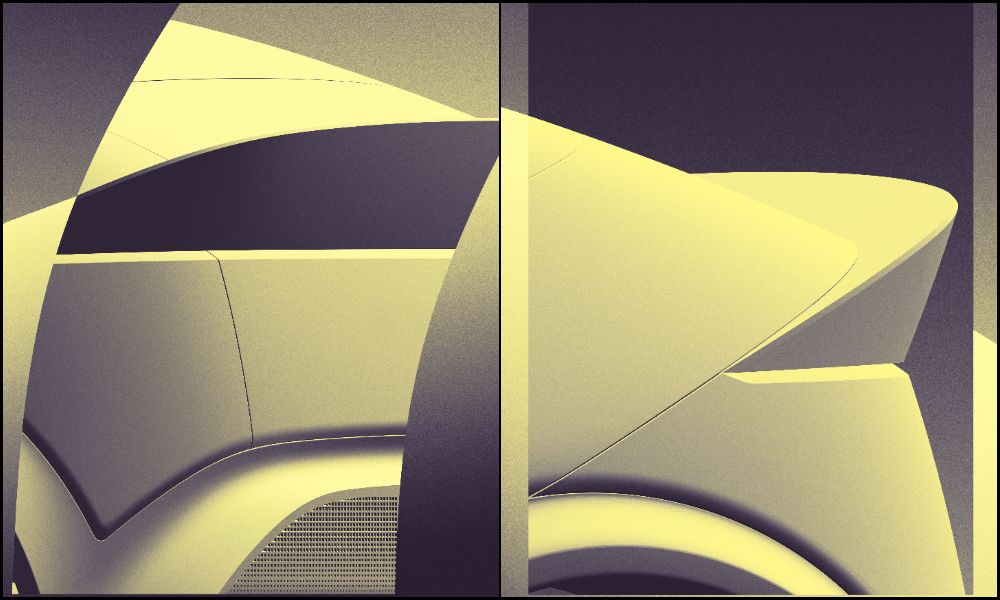
The rear end, meanwhile, looks to get a prominent ducktail-style spoiler with the rounded coupe-like roofline extending all the way to the base of the spoiler. The rear wheel arch and bumper look to feature notable use of cladding, with the bumper also getting pixel-like detailing.


Also read: Second-Gen Hyundai Venue India Launch On October 24

 Hyundai Concept IAA 2025 2


Also Read: Hyundai Creta Turns 10: Charting The SUV's Evolution Over A Decade
 

Images of a new small Hyundai test mule have surfaced online in recent weeks, with reports suggesting that the upcoming concept could preview the model. The new car is reportedly set to be Hyundai’s derivative of the Kia EV2 and will form the entry model to its Ioniq series of EVs. Kia’s small EV is set to debut in production guise in 2026 and, like its larger siblings, is set to sit on the e-GMP platform.


from carandbike - News https://ift.tt/7omxj4L
via IFTTT
Upcoming Two-Wheeler Launches In September 2025: TVS Ntorq 160, Suzuki e-Access, New Harley-Davidson 440 And More

As August winds down, India’s two-wheeler industry is shifting gears in anticipation of quite a few launches lined up for September 2025. The final month of Q3 is expected to be action-packed, kicking off the festive season with a wave of new models. Here's a look at the upcoming two-wheelers set to launch in India in the coming weeks.


Also Read: TVS Ntorq 160 India Launch On September 4


TVS Ntorq 160

TVS Ntorq 160 India Launch On September 4

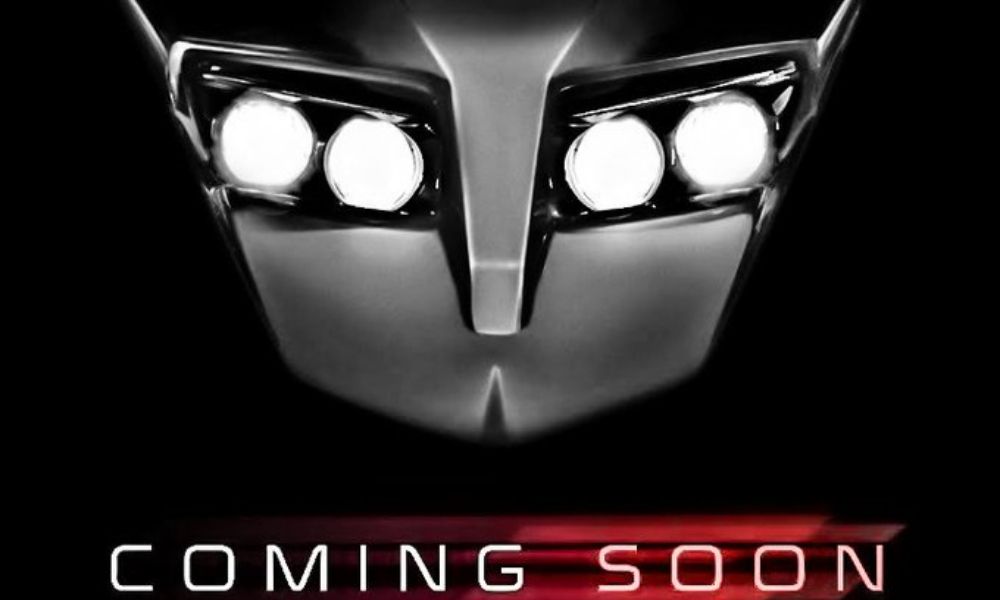
TVS Motor Company is set to kick off things with the launch of the Ntorq 160 on September 4, 2025. Marking the brand’s entry into the 160 cc scooter segment, the new scooter will be positioned as a more powerful alternative to the popular Ntorq 125. A teaser image reveals a sharp, aggressive front design featuring a quad-LED projector headlamp and the brand’s signature T-shaped LED DRL. While the Ntorq 160 is expected to feature a 160 cc engine, it remains to be seen whether it’s a reworked version of the existing 125 cc motor or an all-new unit.


Also Read: Suzuki e-Access Electric Scooter: In Pictures


Suzuki e-Access

suzuki e access electric scooter in pictures 4

The launch of the Suzuki e-Access, initially expected in June 2025, has been delayed with no official communication from the company. However, Suzuki may be holding it back as part of its festive season bet, which could place the launch sometime in September 2025. The e-Access will come equipped with a 3.07 kWh battery, paired with an electric motor that delivers 5.5 bhp and 15 Nm of peak torque. On a full charge, the scooter offers a claimed range of 95 km. To know more about it, you can read our full review by tapping here.


Also Read: VLF Mobster India Launch On September 25


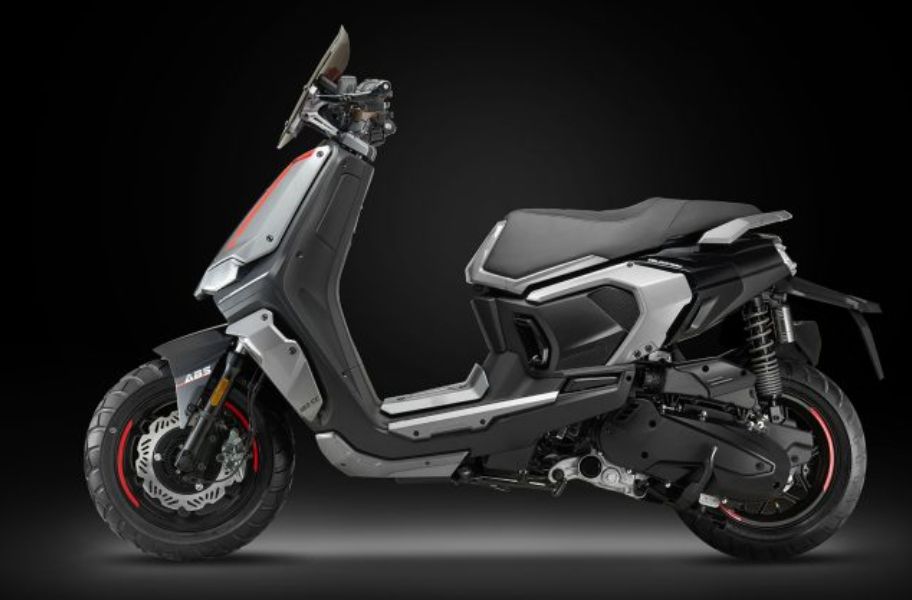
VLF Mobster

VLF Mobster India Launch On September 25 2

Motohaus is gearing up to launch the VLF Mobster scooter in India on September 25. Already available in select global markets, the Mobster will be the company’s first ICE scooter to enter the Indian market. While official details about the India-spec powertrain are still under wraps, the scooter is currently sold overseas with two engine options: a 125 cc motor producing 11.9 bhp and 11.7 Nm of torque, and a more powerful 180 cc engine delivering 17.7 bhp and 15.7 Nm. Some of the features include a 5-inch full-colour TFT display, a USB charging port and more.


Also Read: New 440 cc Harley-Davidson Motorcycle Launch In Q3 FY26


New 440 cc Harley-Davidson Motorcycle

Harley davidson X440 vs Hero Mavrick 440 image 48

Hero MotoCorp is set to add a fresh face to the 440cc lineup, which will be built on the Harley-Davidson 440 cc platform. This will be the third product to come out of the Hero-Harley partnership, following the X440 and the recently discontinued Mavrick 440. While specific details about the upcoming model remain limited, it’s expected to share its mechanical underpinnings with the X440. That includes the familiar 440 cc single-cylinder engine, which produces 27 bhp and 36 Nm of torque, mated to a 6-speed gearbox. A launch date is yet to be confirmed, but it will happen in the month of September 2025.  


from carandbike - News https://ift.tt/gmwsalZ
via IFTTT

2026 Tesla Model Y Performance Debuts With 460 bhp, 580 km Range

Tesla has unveiled the new Model Y Performance ahead of sales commencing in global markets in the coming months. The Model Y Performance gets notable changes over the standard Model Y, including upgrades to the powertrain, underbody changes, updates to the cabin and even improvements to the tech.


Also read: Tesla Opens Second India Showroom In Delhi 

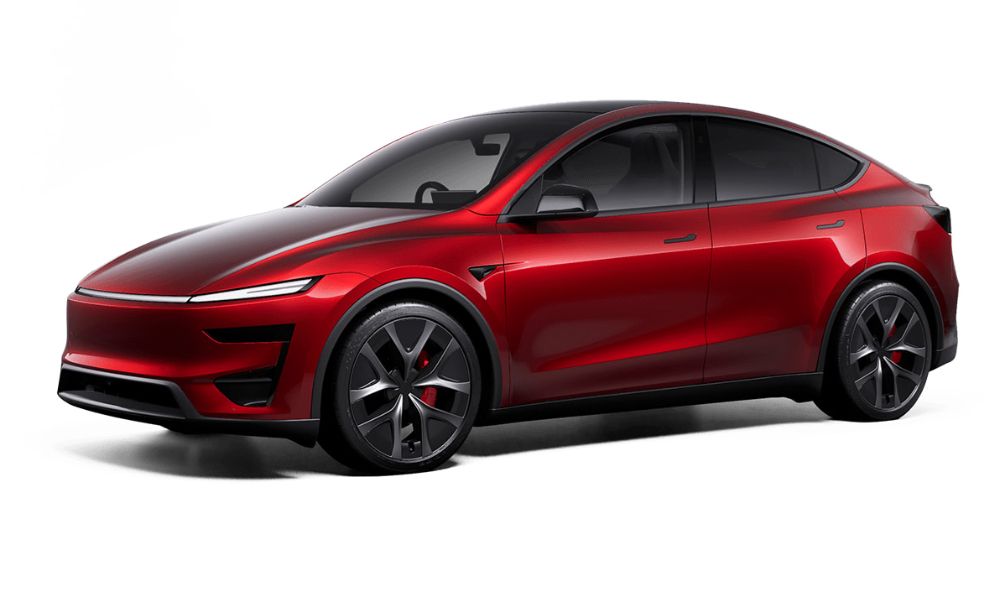
 Tesla Model Y Performance 1

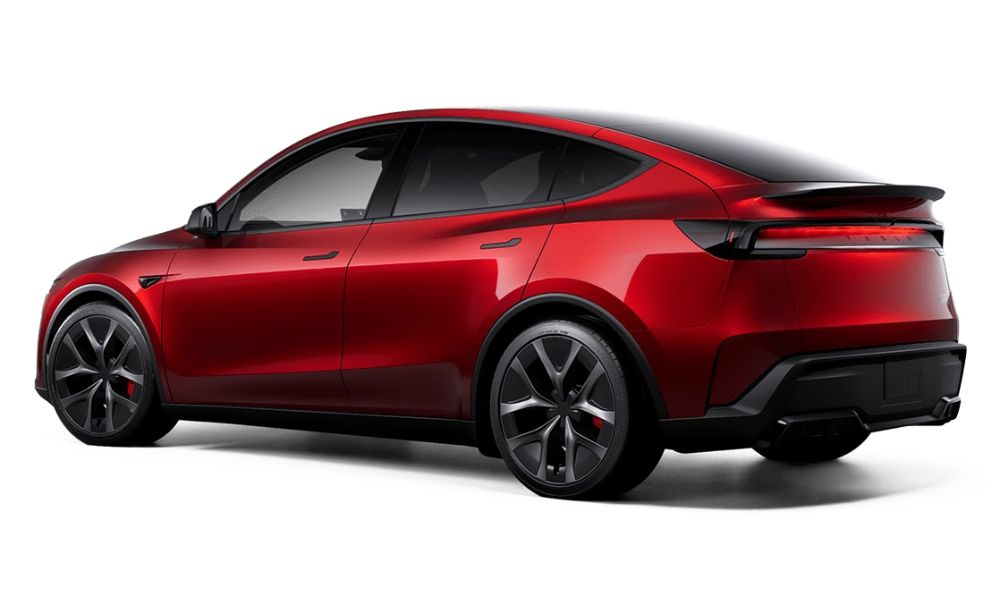
On the surface, the Model Y Performance is identifiable via its larger 21-inch Arachnid 2.0 forged wheels, sportier front and rear bumpers, a carbonfibre rear spoiler and red brake callipers. The changes under the skin, however, are a lot more extensive.
 

Also Read: Tesla Model Y First Drive Review: Long Time Coming


To start with, the all-wheel drive Model Y Performance gains the ‘Performance 4DU’ electric motors from the Model 3 Performance. Power now stands at 460 bhp - up from around 395 bhp in the Model Y AWD, while the claimed 0-96 kmph time is down from 4.6 seconds to just 3.3 seconds. The suspension too has been upgraded with the standard Model Y’s frequency-selective damping replaced by the more advanced adaptive damping set-up seen on the Model 3 Performance. Tesla claims that there are changes to the battery pack as well, which incorporates new high-density cells to offer up to 580 km of range - about 6 km less than the Model 3 AWD. Top speed stands at 250 kmph.
 Tesla Model Y Performance 2

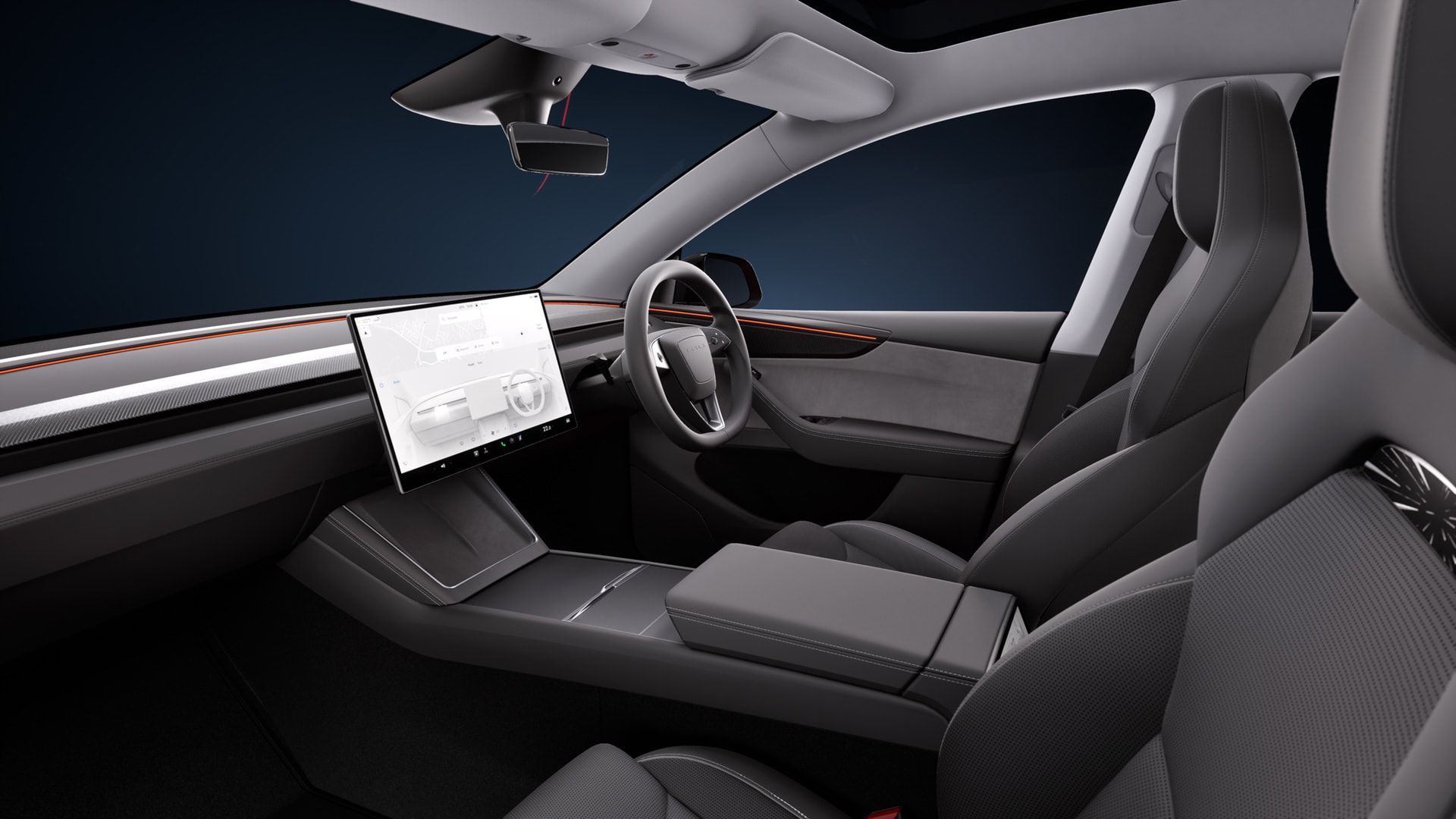
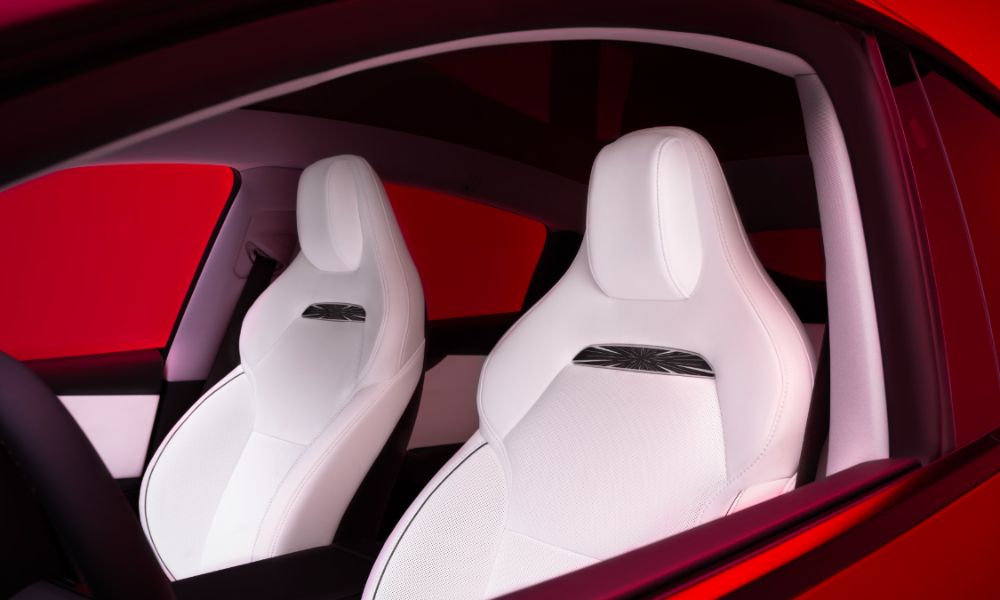
Moving to the cabin, the Model Y Performance gets new sports seats with added side bolstering and cushions. The seats feature power adjustment - even for the extending underthigh support, along with a heating and ventilation function. The rear seats also get a power recline function and seat heating as standard. The cabin also gets new carbon fibre trimmings compared to the fabric trimmings of the standard Model Y.


Also Read: Tesla Model Y Electric SUV Launched In India: All You Need To Know
 compositor 5

The central touchscreen is also upgraded in the Model Y Performance, going from a 15.4-inch unit of the Model Y AWD to 16 inches in the Performance. Tesla hasn’t gone in-depth into any changes in tech, but mentions that the Model Y Performance gets some model-specific drive modes to adjust the level of performance. All other features, including Full Self Driving, are carried over from the standard range.
 Tesla Model Y Performance 4


Also read: Tesla Model Y Long-Wheelbase Details Leaked Ahead Of Debut
 

The new Tesla Model Y Performance will hit European roads around October this year, with the model to roll out of Tesla’s Berlin factory. It, however, remains to be seen if the new Performance trim will make it to the Indian market with the Model Y AWD already on sale in the country.


from carandbike - News https://ift.tt/u5KVvXf
via IFTTT

TVS Orbiter vs TVS iQube 3.1: What’s Different?

TVS Motor Company has just launched the Orbiter all-electric scooter in India. Priced at Rs 1 lakh (ex-showroom, Bengaluru, including PM E-Drive subsidy), this is now the most affordable offering in TVS’s lineup. Unlike the iQube, which is positioned as a more family-oriented offering, the Orbiter is a more utility-focused vehicle and is vastly different from the former in many aspects. Here’s how they compare with each other on paper. 
 

Also Read: TVS Ntorq 160 India Launch On September 4


Design

TVS Orbiter vs TVS i Qube 3 1 What s Different 2

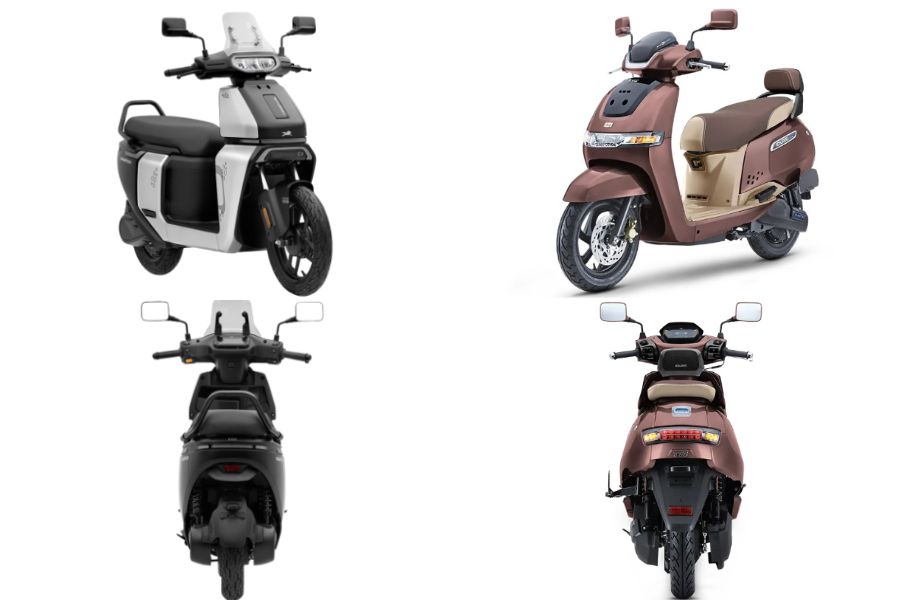
The iQube and Orbiter are poles apart when it comes to design. The Orbiter, a utility-focused offering, features a more minimalist design, omitting features such as a conventional tyre guard and exposing its rear end. The iQube, meanwhile, is more conventional in design, featuring more well-defined body panels. Unlike the Orbiter, the iQube features an apron-mounted headlamp. The Orbiter, meanwhile, has a range of multi-tone body panels, giving it a more futuristic appearance. Other changes between the duo include the presence of a 14-inch front alloy wheel on the Orbiter, which is two sizes bigger than the iQube's. The rear wheel, meanwhile, is a 12-inch unit.


Features

TVS Orbiter vs TVS i Qube 3 1 What s Different 1

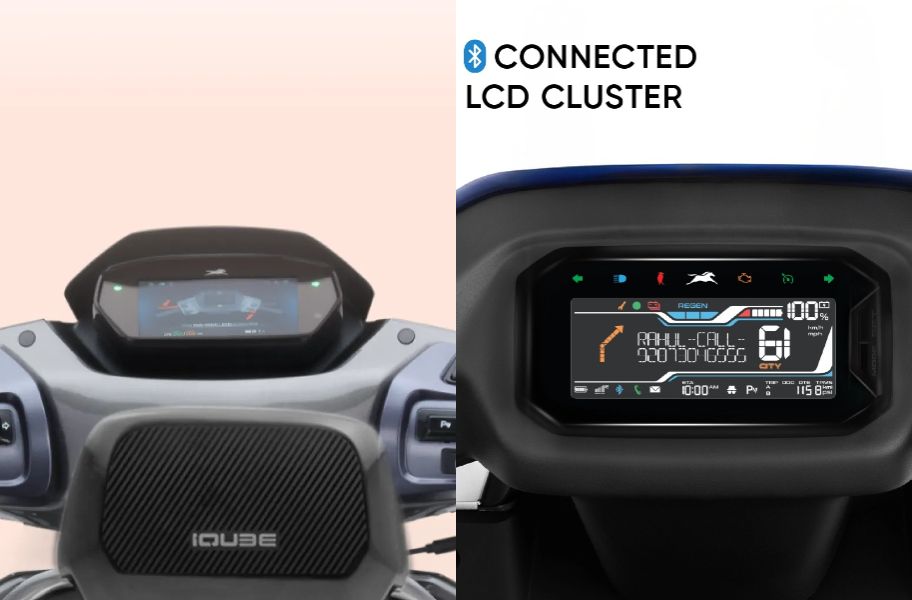
On the feature front, the Orbiter only comes with a 5.5-inch colour LCD dash, but it incorporates connected features enabled via a smartphone app. The iQube, meanwhile, comes with a 5-inch TFT display. Both scooters get Bluetooth connectivity, turn-by-turn navigation, and call and SMS alerts. Another feature offered on both electric scooters is hill-hold assist. The Orbiter, however, rather surprisingly, also comes with cruise control, making it the most affordable offering in India to get this feature. 
 

Battery Pack and Range


Both the iQube 3.1 and the Orbiter are equipped with a 3.1 kWh battery pack, although their range figures vary. The Orbiter’s battery delivers an IDC-certified range of 158 km, while the iQube 3.1’s battery has a range of 123 km. Both scooters, when charged using a portable charger, take over 4 hours to charge from 0 to 80 per cent. 
 

Powertrain


When it comes to the powertrain setup, the Orbiter is far less powerful than the iQube 3.1. The hub motor on the iQube has a peak power output of 4.4 kW (5.9 bhp), while that on the Orbiter puts out a mere 2.5 kW (3.3 bhp). The iQube 3.1 can reach top speeds of up to 82 kmph, while the Orbiter has a top speed of 68 kmph. The Orbiter has a 0-40 kmph acceleration time of 6.8 seconds, while the iQube’s acceleration figure is 4.2 kmph. 
 

Cycle Parts and Underseat Storage


Both scooters come with a simple telescopic fork setup up front and twin shock absorbers at the rear. On the braking front, while the iQube is offered with a front disc brake and a rear drum brake, the Orbiter comes with drum brakes on both ends. At 112 kg, the Orbiter is roughly 5 kg lighter than the iQube 3.1 kWh. The Orbiter also has the larger unseat storage volume among the duo, which amounts to 34 litres, 2 litres more than the iQube. The Orbiter has 169 mm of ground clearance, 12 mm more than the iQube. 
 

Prices


The iQube 3.1 is priced from Rs 1.10 lakh to Rs 1.12 lakh, depending on the colour option, which makes it up to Rs 12,000 more expensive than the Orbiter. 


from carandbike - News https://ift.tt/PHXjRgu
via IFTTT

Thursday, 28 August 2025

TVS Orbiter Launch Highlights: Price, Features, Specifications, Images

TVS Motor Company is all set to launch its latest all-electric scooter in the Indian market. Named the Orbiter, the scooter is expected to be positioned below the currently on-sale iQube as a more accessible offering. Patent filings of the electric scooter, filed in Indonesia, have surfaced previously, giving us an idea of what to expect. This will be the third addition to TVS's electric scooter lineup in India, after the iQube and the TVS X.


Also Read: New TVS e-Scooter India Launch On August 28; Likely To Be Named Orbiter
TVS electric scooter

TVS’ previous patent images have given us a glimpse of the Orbiter’s design. The scooter will feature a very utilitarian design with boxy and upright proportions while retaining some of the design elements seen on the iQube. These include the edge-to-edge DRL on the front apron and the taillight. The scooter also features a front visor and a horizontal headlamp setup. It is also expected to come with features such as a digital cluster. 


Also Read: New TVS Electric Scooter Design Patented: Will This Be The Entry-Level TVS EV?
 TVS electric scooter 2

When it comes to cycle parts, the suspension set-up is also expected to be quite basic with a telescopic fork up front and twin shocks at the rear. Braking duties are likely to be handled by drum brakes on both ends. The electric motor, meanwhile, looks to be mounted in the rear wheel hub. The powertrain details about the scooter are currently under wraps, with more information to be revealed at the launch event. 


from carandbike - News https://ift.tt/9om6fS1
via IFTTT

Volvo Unveils New XC70 Plug-In Hybrid With 200kms EV Range

Volvo has pulled the wraps off its all-new XC70, and it’s a big one for the brand. This is the Swedish carmaker’s first long-range plug-in hybrid, capable of delivering over 200km of all-electric driving (CLTC cycle) — the most ever from a Volvo PHEV. And as the name suggests, it slots in between the high-selling XC60 and the flagship XC90.

352168 Volvo Cars reveals the new XC 70 a plug in hybrid for every journey

Built on the new Scalable Modular Architecture (SMA) platform, the XC70 has been designed with one goal: to offer the benefits of electric driving, without the anxiety of going fully electric, states Volvo. As per the stat sheet, on a single charge, the XC70 can handle most daily commutes tailpipe-emission-free. 


Also Read: Volvo EX30 Review: Baby Electric SUV Is Your Personal Gadget

352170 Volvo Cars reveals the new XC 70 a plug in hybrid for every journey

Add in its combustion engine, and you’re looking at a combined range of over 1,200km. Charging is quick too — 0–80% in just 23 minutes — and bi-directional charging means you can even power camping gear or appliances directly from the car.

352177 Volvo Cars reveals the new XC 70 a plug in hybrid for every journey

Also Read: Volvo XC60 Facelift Launched In India At Rs 71.90 Lakh


While the nameplate isn’t exactly new, as everyone is still a closet fan of the XC70 station wagon, this new one is yet another SUV. Carrying the new design language, there’s a closed grille with active shutters that improve aerodynamics, while the C-shaped taillights blend into the glass for a sleek rear profile. Inside, it’s all about premium comfort: high-quality materials, smart storage, and a cabin designed that feel modern and high-tech.

352212 Volvo Cars reveals the new XC 70 a plug in hybrid for every journey

The XC70 is loaded with digital toys: a 15.4-inch centre display, a 12.3-inch driver’s screen, and even an optional 92-inch AR head-up display. Connectivity includes an AI voice assistant, remote functions via the Volvo Cars app, and OTA software updates to keep it fresh. Equipped with the Safe Space Technology, the XC70 packs radars, cameras, and sensors to prevent accidents and protect road users. It includes smart aids like automatic lane change assist, park pilot assist, and even door-opening alerts to stop cyclists from getting doored in traffic.


Also Read: Weather Ready With New Volvo XC90

352159 Volvo Cars reveals the new XC 70 a plug in hybrid for every journey

The new Volvo XC70 feels like a sweet spot between today’s hybrids and tomorrow’s EVs — long electric range, fast charging, and the benefits of a conventional petrol engine. It’s a smart bridge product for markets like China, where it’s already open for pre-orders, with Europe set to follow. Will it come to India? We will have to wait a bit longer for that. 


from carandbike - News https://ift.tt/hTaAM32
via IFTTT

Wednesday, 27 August 2025

TVS Orbiter Launch Live Updates: Price, Features, Specifications, Images

TVS Motor Company is all set to launch its latest all-electric scooter in the Indian market. Named the Orbiter, the scooter is expected to be positioned below the currently on-sale iQube as a more accessible offering. Patent filings of the electric scooter, filed in Indonesia, have surfaced previously, giving us an idea of what to expect. This will be the third addition to TVS's electric scooter lineup in India, after the iQube and the TVS X.


Also Read: New TVS e-Scooter India Launch On August 28; Likely To Be Named Orbiter
 

TVS’ previous patent images have given us a glimpse of the Orbiter’s design. The scooter will feature a very utilitarian design with boxy and upright proportions while retaining some of the design elements seen on the iQube. These include the edge-to-edge DRL on the front apron and the taillight. The scooter also features a front visor and a horizontal headlamp setup. It is also expected to come with features such as a digital cluster. 


Also Read: New TVS Electric Scooter Design Patented: Will This Be The Entry-Level TVS EV?
 

When it comes to cycle parts, the suspension set-up is also expected to be quite basic with a telescopic fork up front and twin shocks at the rear. Braking duties are likely to be handled by drum brakes on both ends. The electric motor, meanwhile, looks to be mounted in the rear wheel hub. The powertrain details about the scooter are currently under wraps, with more information to be revealed at the launch event. 


from carandbike - News https://ift.tt/b1s0Ve7
via IFTTT

BYD Yangwang U9 Track Edition Sets New World Record; Becomes Fastest Production EV

The BYD Yangwang U9 Track Edition has just become the fastest all-electric production car in the world after setting a record. The electric hypercar, which was tested in Papenburg, Germany achieved a top speed of 472.41 kmph. The vehicle was piloted by German racing driver Marc Basseng. The U9 Track Edition is an even more powerful version of the Yangwang U9, which has in recent times, made headlines for its list of innovative features.


Also Read: BYD Opens Its Own Racetrack In China: All-Terrain Circuit Includes Wading Pool, Dune Climbing, 1.7 KM Raceway
 BYD Yangwang U9 Track Edition Sets New World Record Becomes Fastest Production EV 1

BYD says that the U9 Track Edition produces a combined power output of 2959 bhp


The U9 Track Edition is powered by a quad electric motor setup that produces an astronomical combined power output of 2959 bhp. This makes it one of the most powerful production cars in the world, with a power-to-weight ratio of 1200 bhp per tonne. The vehicle also has many other firsts to its name, including a 1200 V ultra-high voltage platform. Other features on the EV include a torque vectoring system and an intelligent body control system. 


Also Read: BYD Atto 2 Electric SUV Spotted Testing In India
 

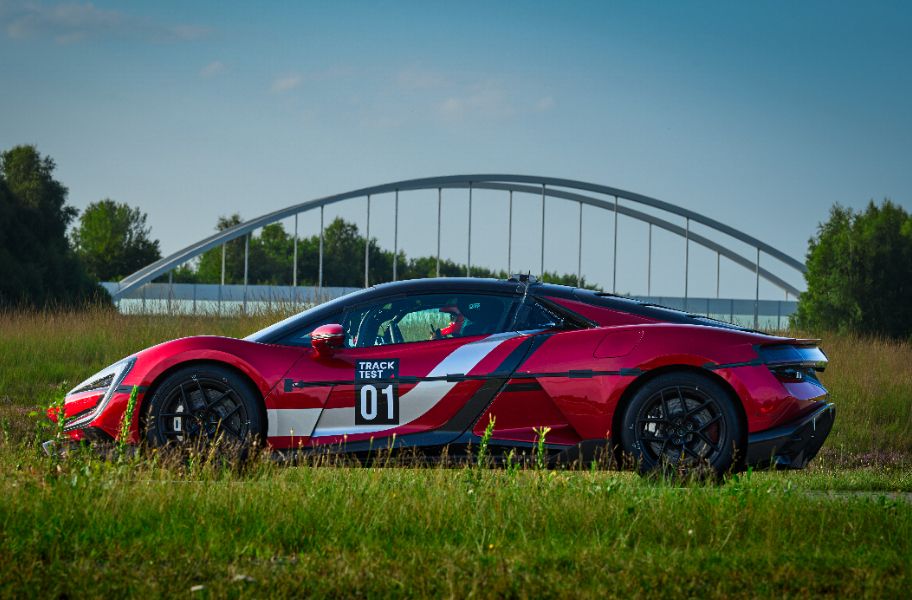
The tyres on the U9 Track Edition have been developed in collaboration with Giti, a Singapore-based tyre firm, which developed a semi-slick track-focused tyre exclusively for the vehicle. The Track Edition also gets a range of enhancements over the standard model, which include a new front splitter for better aerodynamics, along with a carbon fibre roof. While visually similar to the U9, the Track Edition also gets a special paint scheme with racing stripes and numbering. 


from carandbike - News https://ift.tt/rwoyEiI
via IFTTT

Volkswagen Tayron R-Line’s Pre-Bookings Open For Rs. 51,000

Volkswagen India has announced the opening of pre-bookings for its upcoming flagship SUV – the Volkswagen Tayron . The new 3-row SUV is a su...