Welcome to Gulf News, your premier destination for comprehensive coverage and insights into the dynamic landscape of the Gulf region and beyond. As a trusted source of news and information, we pride ourselves on delivering timely updates, in-depth analysis, and compelling stories that resonate with our diverse audience.
From breaking news to in-depth features, business trends to cultural happenings, sports highlights to technological advancements, Gulf News covers it all with accuracy, integrit
Triumph Motorcycles has confirmed the launch of its latest 400 cc offering very soon. The latest model in the company’s entry-level lineup will be a cafe racer, expected to be called the Thruxton 400, after the company’s iconic line of high-displacement motorcycles. The motorcycle has been spotted testing in undisguised form previously, giving us a good idea of what the motorcycle will look like upon launch. While the company has not announced a launch date yet, we expect the Thruxton 400 to be launched within the first two weeks of August.
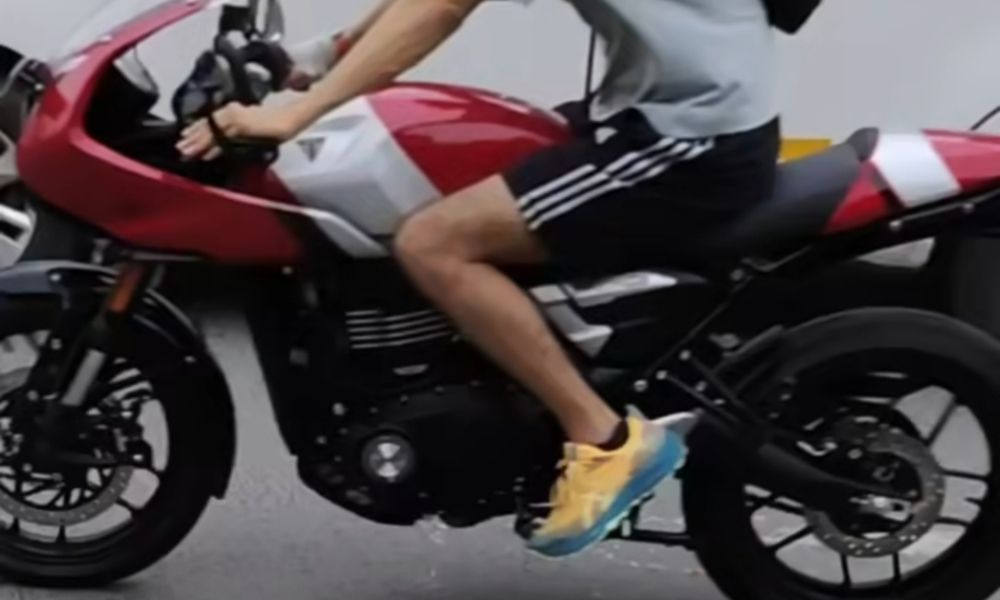
The Thruxton 400 gets a new bikini fairing and a rear cowl
Visually, the new motorcycle is expected to retain many of the body panels from the Speed 400. Components such as the tank, side panels and alloy wheels appear to be identical to the latter. The most noticeable design change is up front, where this model features a bikini fairing housing a round headlamp. Other visible details include clip-on handlebars, bar-end mirrors, and a rear cowl, which is absent on the Speed 400. The cowl, however, will likely be a removable unit, which will make way for a rear seat. The model is expected to retain the same instrument cluster as the rest of the 400 cc range.
The motorcycle is expected to be mechanically identical to the Speed 400
The Thruxton 400 is also expected to be mechanically identical to the Speed 400, featuring a 43 mm upside-down (USD) fork setup up front and a rear monoshock. Braking duties are handled by a 300 mm disc with a 4-piston radial caliper at the front and a 230 mm disc with a floating caliper at the rear, with ABS. With the fairing added on the Thruxton 400, it is expected to be slightly heavier than the Speed 400's 179 kerb weight.
The motorcycle will be powered by the same 398 cc TR-Series engine found in the Speed 400 and Scrambler 400 X. Although there could be adjustments to the gear ratios to better suit the riding style. However, the power figures are expected to remain the same- 39.5 bhp at 8,000 rpm and 37.5 Nm of peak torque at 6,500 rpm. The engine will be mated to a 6-speed gearbox.
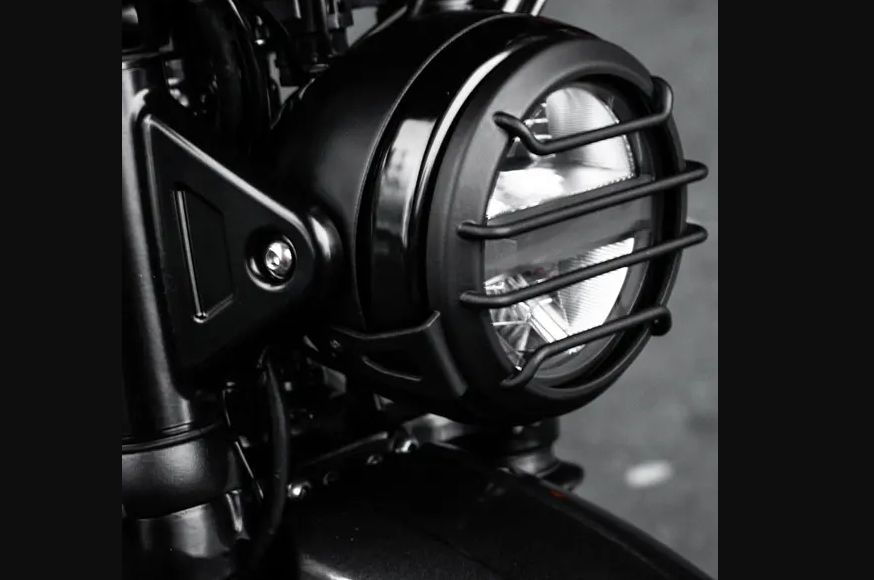
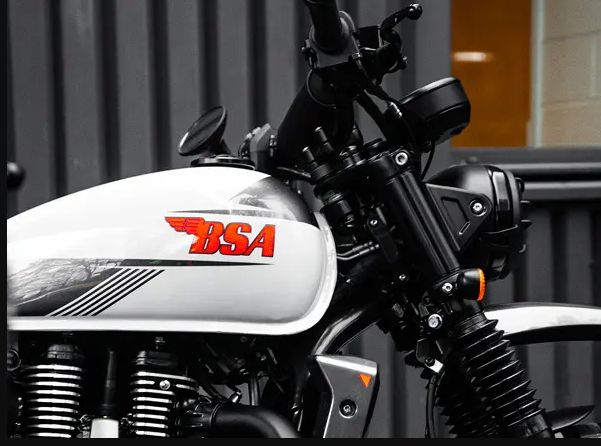
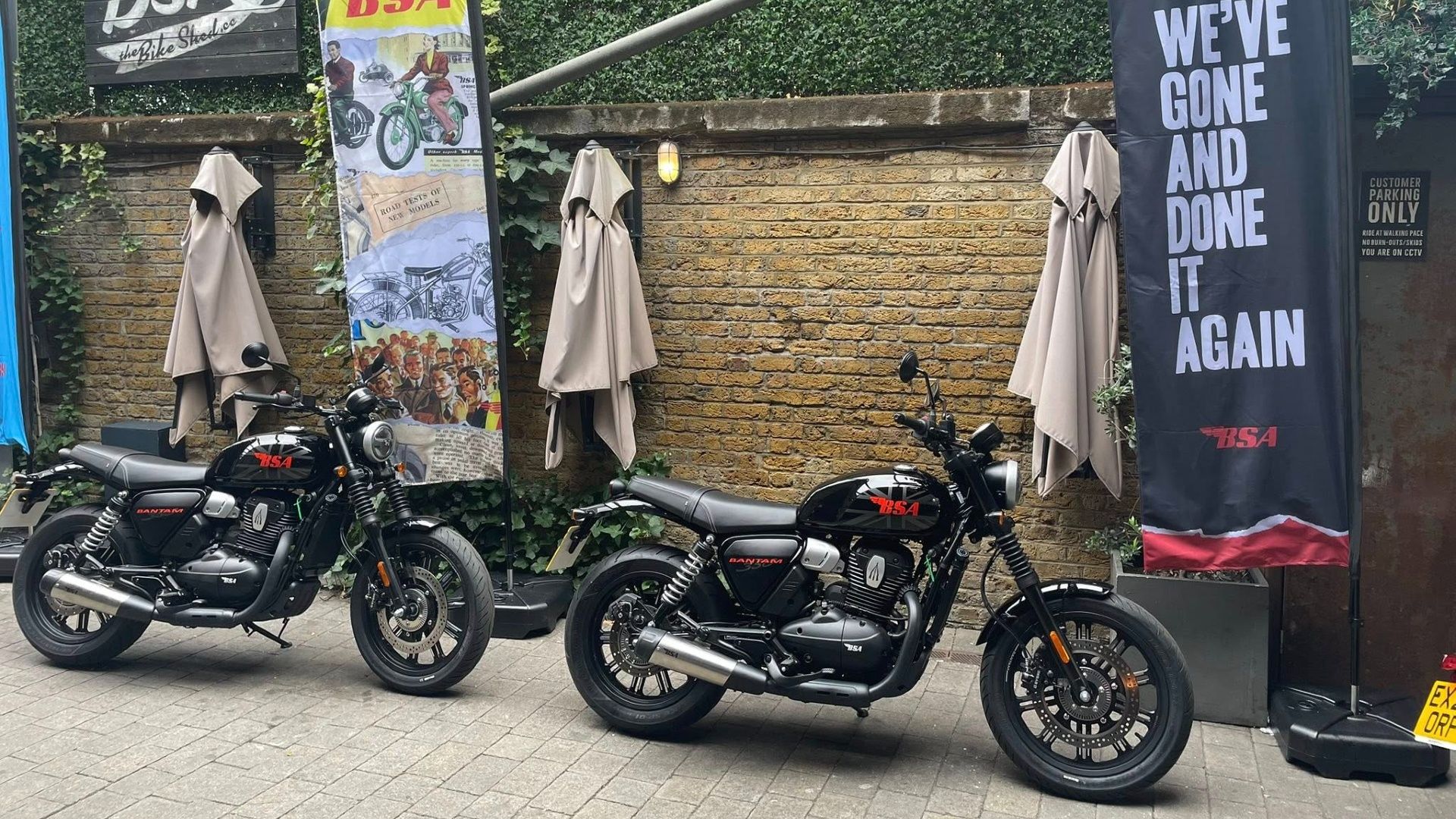
BSA Motorcycles is all set to launch the new Scrambler 650 in the UK, and now, car&bike has learnt that the new Scrambler 650 will soon be launched in India as well. The new BSA Scrambler 650 was unveiled last year at the Birmingham Motorcycle Live Show, and is based on the BSA Gold Star 650, in a scrambler-styled derivative. The Scrambler 650 gets 19/17 inch wire spoke wheels with Pirelli Scorpion Rally STR tyres, along with typical scrambler styling like a raised front fender, headlight grille and flat, raised handlebar.
Other scrambler elements include the racing number plate styled side panels, flat bench seat, and single-pod instrument console. The BSA Scrambler 650 will be powered by the same 652 cc, big bore, single-cylinder, liquid-cooled engine of the Gold Star 650, and is expected to put out similar figures – 45 bhp at 6,000 rpm and 55 Nm of peak torque at 4,000 rpm. The 5-speed gearbox will also be retained, but there could be changes to the gearing to suit the scrambler personality.
So far, there’s no word of the ground clearance or suspension travel, while braking hardware includes a single 320 mm front disc with Brembo twin-piston floating caliper up front, and a single 255 mm disc with Brembo single-piston caliper on the rear wheel. Dual-channel ABS is standard.
BSA has also unveiled the new BSA Bantam 350, which is based on the Jawa 42 FJ, but the Bantam 350 is unlikely to be launched in India, considering Classic Legends has several 350 cc models in the Jawa-Yezdi line-up. The Scrambler 650 though, will be launched very soon in India, in fact, within the next few weeks.
from carandbike - News https://ift.tt/aqjOM8y
via IFTTT
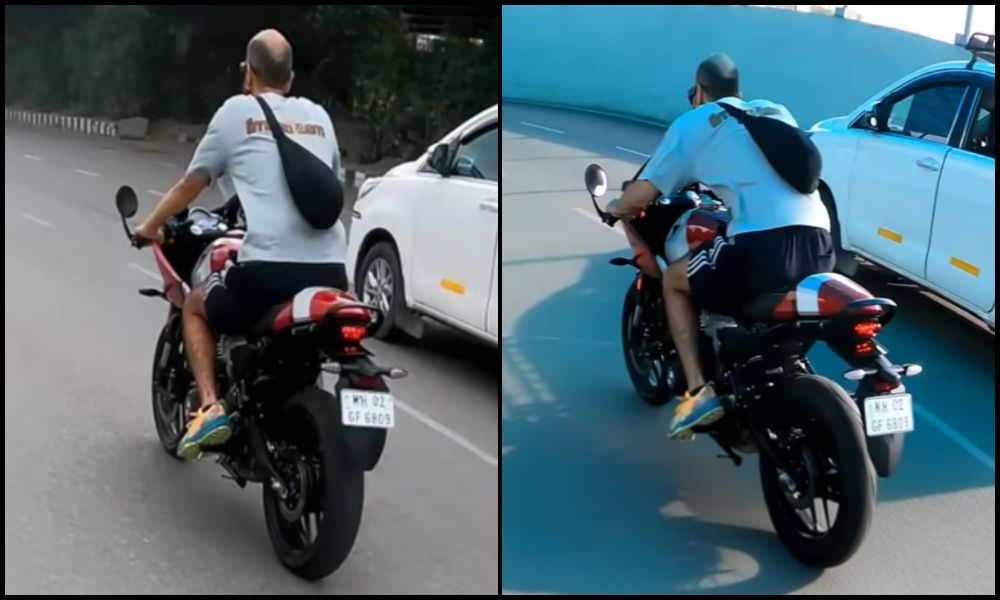
Triumph’s current 400 cc lineup in India comprises the Scrambler 400 X, the 400 XC, and the Speed 400, along with a more affordable variant of the Speed 400 known as the Speed T4. This lineup is soon going to expand as a cafe racer based on the Speed 400 platform – likely to be called the Thruxton 400 – has been spotted in India in production-ready form.
Also Read:Triumph Scrambler 400 XC Launched At Rs. 2.94 Lakh
The Thruxton 400 was initially spotted in India in December 2024, although in a completely camouflaged state. The latest images reveal a version finished in red paint scheme, accented with silver stripes running across the fuel tank and front fairing. Visually, the motorcycle takes clear inspiration from the discontinued Speed Triple 1200 RR, incorporating a half-fairing and clip-on handlebars for a classic café racer silhouette.
The latest images further display bar-end mirrors and a sculpted fuel tank, while earlier spy shots have already confirmed the presence of a classic round headlamp. At the rear, the Thruxton 400 keeps things simple, featuring a compact tail-light and a body-coloured rear cowl which appears to be removable for the addition of a pillion seat, especially since the bike is also equipped with grab rails. Additionally, it is expected to share the same digital-analogue instrument cluster as the Speed 400.
It remains unclear what moniker Triumph will choose for this new cafe racer model. However, it will feature the same 398 cc TR-Series engine found in the Speed 400 and Scrambler 400 X. Although there could be adjustments to the gear ratios to better suit the riding style. Otherwise, the engine puts out 39.5 bhp at 8,000 rpm and 37.5 Nm of peak torque at 6,500 rpm, paired with a 6-speed gearbox.
The Speed 400-based cafe racer is expected to launch later this year, and as far as its prices are concerned, it is likely to slot between the Speed 400, which is currently priced at Rs 2.46 lakh, and the Scrambler 400 X, available at Rs 2.67 lakh (both prices ex-showroom).
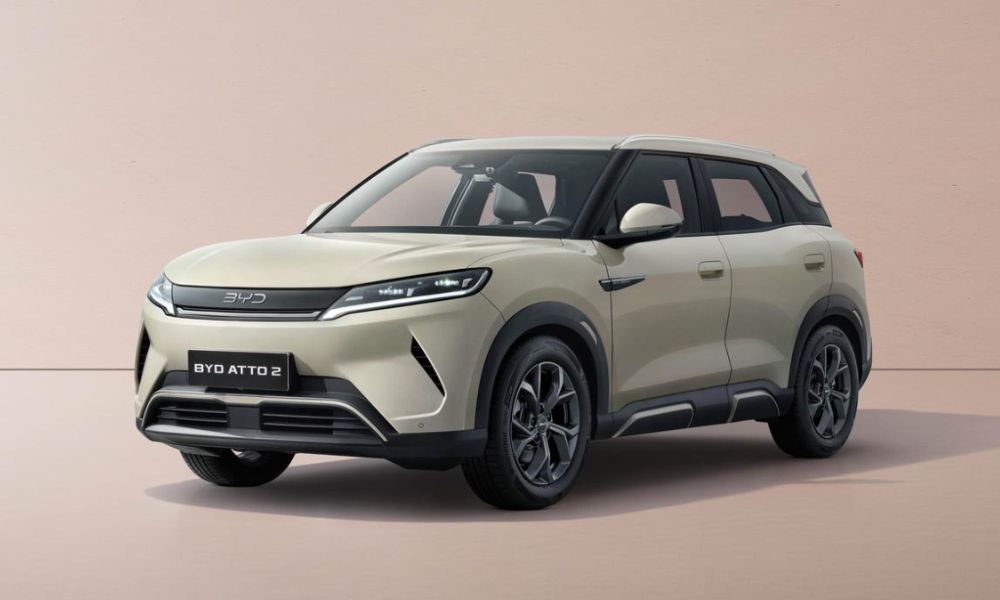
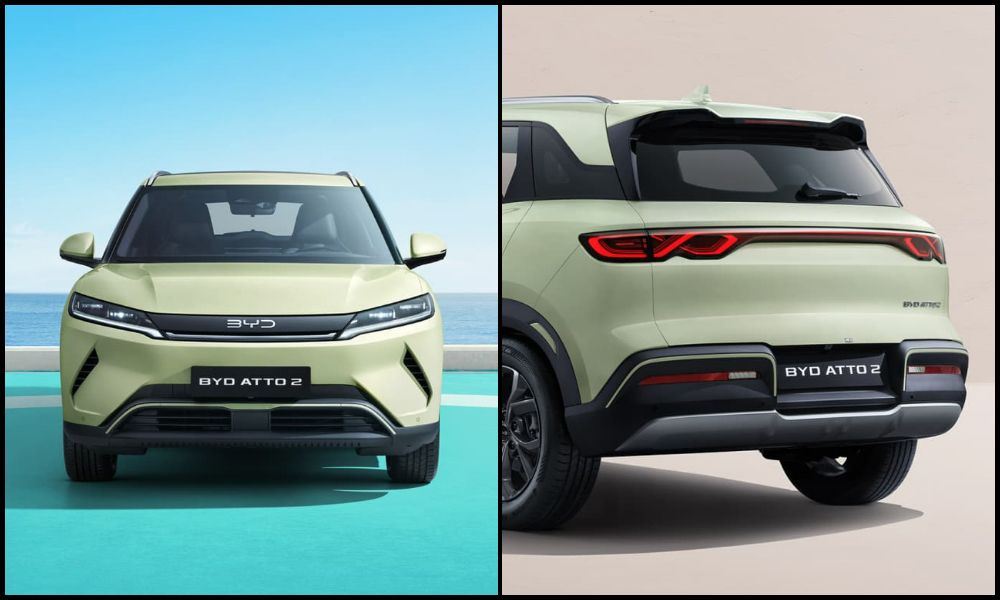
Chinese electric vehicle manufacturer BYD appears to be gearing up to expand its lineup in India as the BYD Atto 2 was recently spotted testing in the country. The Atto 2 is a compact electric SUV that would sit below the Atto 3 in BYD’s Indian range if introduced. The model was first showcased at the 2025 Brussels Motor Show and has since gone on sale in several European markets.
The Atto 2 is essentially a rebadged version of the BYD Yuan Up, which is sold in China. Although the test vehicle was heavily camouflaged, its overall silhouette appears to be in line with the Atto 2 sold overseas. If it remains the same as the global model, the Atto 2 measures 4,310 mm in length, 1,830 mm in width, and 1,675 mm in height, putting it in the same category as rivals like the Hyundai Creta EV and the upcoming Maruti Suzuki e-Vitara.
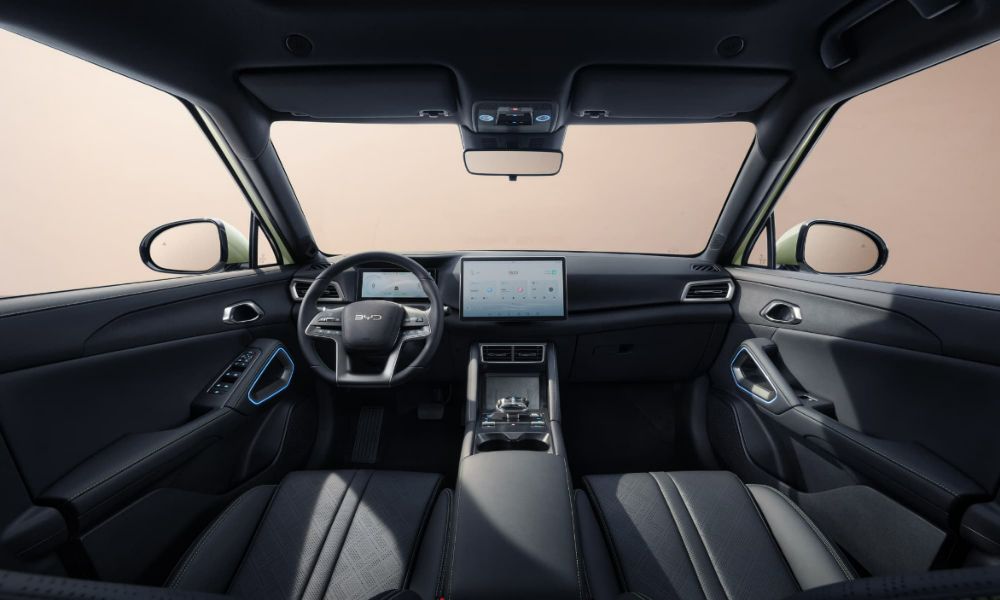
Though the interior was under wraps, the Atto 2 is expected to feature a 15.6-inch rotating touchscreen infotainment system, a digital instrument cluster, wireless charging, a head-up display, and Level 1 advanced driver assistance systems (ADAS). Moreover, expect the features set to closely mirror that of the Atto 3 sold in the Indian market.
Globally, the Atto 2 is currently available with a 45 kWh battery pack, offering a claimed range of up to 312 km on a full charge. It is powered by a 175 bhp electric motor that drives the front wheels.
BYD’s latest addition to its electric vehicle lineup in India is the Sealion 7 SUV, with a starting price of Rs 48.90 lakh (ex-showroom). Alongside the Sealion 7, the company also offers the Seal electric sedan, which begins at Rs 41 lakh. The Atto 3, a compact electric SUV, is priced from Rs 24.99 lakh, while the eMax 7 electric MPV is available starting at Rs 26.90 lakh. These prices are ex-showroom and apply to the base variants of each model.
Image source – The Race Monkey
from carandbike - News https://ift.tt/9dYxUn6
via IFTTT
JSW MG Motor India has updated the price of its best-selling electric vehicle, the Windsor EV. The top-spec Essence Pro variant has witnessed a price hike of Rs 21,000, bringing its new ex-showroom cost to Rs 18.31 lakh. Meanwhile, prices for all other variants remain unchanged. The Windsor EV is currently available at a starting price of Rs 14 lakh, going up to Rs 18.31 lakh (ex-showroom).
The Windsor EV is offered in five variants: Excite, Exclusive, Essence, Exclusive Pro, and Essence Pro. While the top-spec Essence Pro variant has received a price hike, no mechanical or feature updates have been introduced. It continues to be powered by the new 52.9 kWh battery pack, which, on paper, is claimed to provide a range of 449 km on a single charge. The electric motor produces a peak output of 134 bhp and 200 Nm of torque.
The Pro variants of the Windsor EV benefit from additional features such as vehicle-to-load (V2L) and vehicle-to-vehicle (V2V) charging, which means the Windsor EV Pro could be used as a mobile power source. Moreover, it also features Level 2 advanced driver assistance systems (ADAS) with functions including traffic jam assist, lane departure prevention, autonomous emergency braking and adaptive cruise control.
The top-spec variant is offered with six exterior paint schemes and a dual-tone interior theme.
from carandbike - News https://ift.tt/V9kcTps
via IFTTT
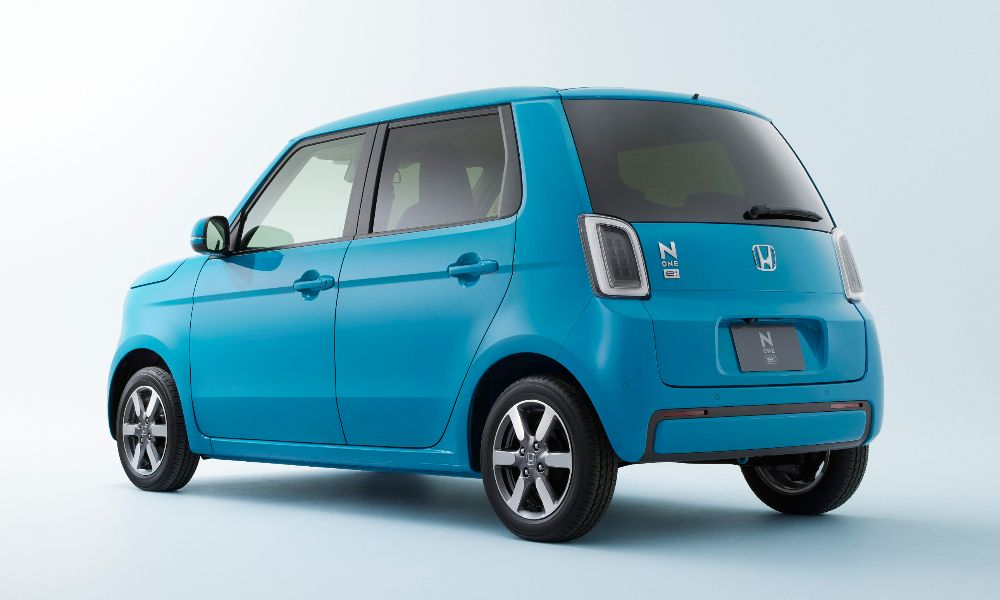
Honda has unveiled its newest and most compact electric vehicle in its home market. Named N-One e:, the tiny electric car has an estimated driving range of 270 kilometres and can even power a home! The production-spec N-one e: is the everyday version of the Super EV Concept, which debuted at the Goodwood Festival of Speed.
The N-One e: is a tall, box-shaped electric car with flat sides and an upright profile. It features round headlights and rectangular taillights. Honda has yet to reveal full specifications, but the compact hatch is unlikely to exceed 3.4 metres in length, considering the strict kei car regulations in Japan. Moreover, it seems to feature dual charging ports at the front, positioned either side of the Honda logo.
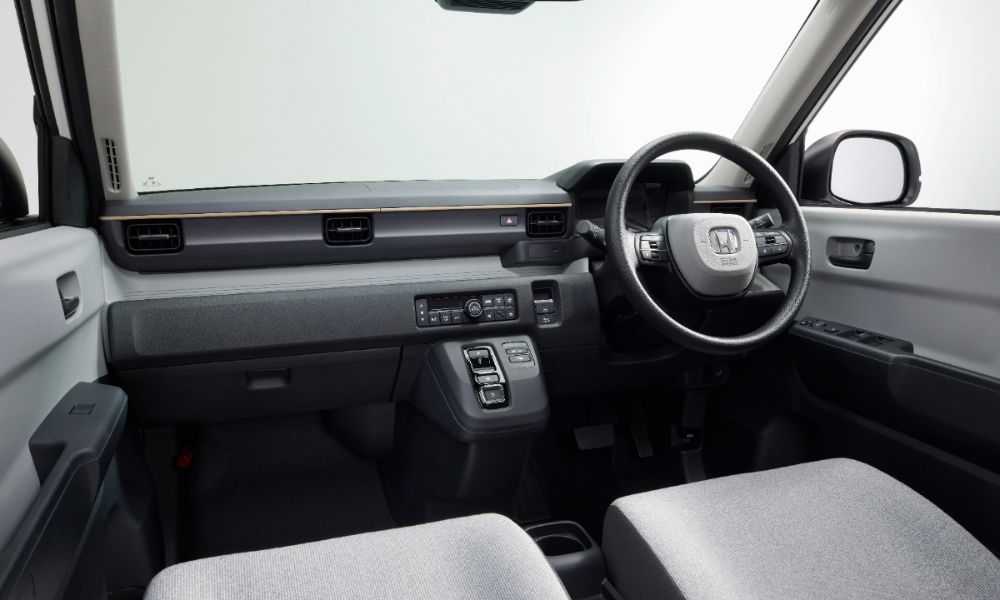
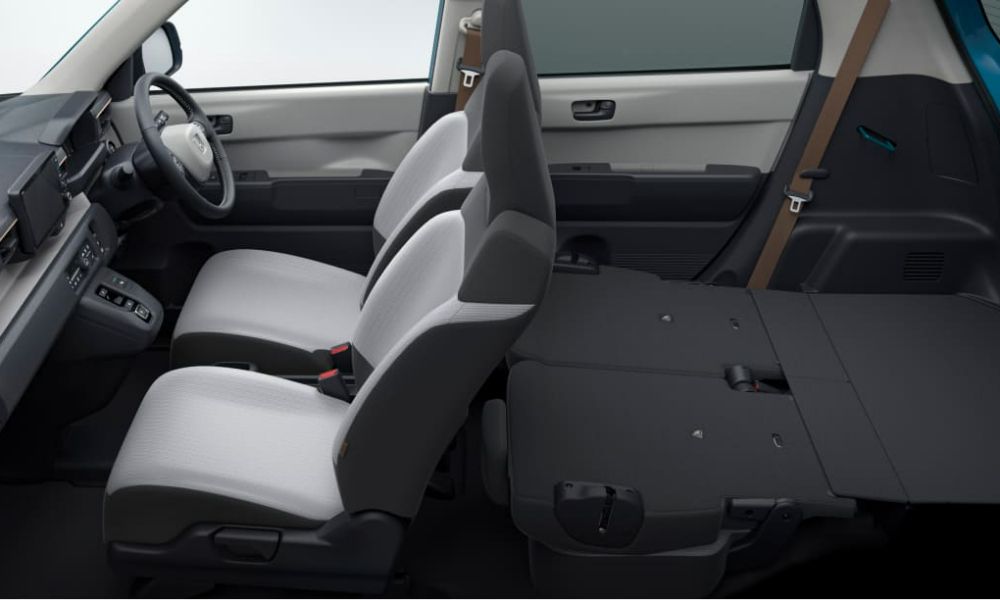
For the interior of N-One e:, Honda has taken a straightforward approach, but far from plain. Honda has sprinkled an abundance of physical buttons with the gear selector positioned on the sloping centre console and the electric parking brake sitting beside. However, the standout feature is the vehicle-to-load (V2L) capability, which allows the car to supply electricity to devices and appliances, as well as its vehicle-to-home (V2H) charging capability. Furthermore, the rear seats of the five-door compact fold down flat with a 50:50 split for enhanced cargo room.
Additionally, a recessed shelf runs along the dashboard, providing extra storage space. Higher trim levels are equipped with a free-standing touchscreen infotainment system. Although Honda has only confirmed the vehicle’s 270 km driving range, several visible features include cruise control, lane-keep assist, ventilated front seats, multiple drive modes, hill hold assist, USB charging ports and more.
Honda plans to launch the N-one e: in Japan in September this year, with bookings starting on August 1.
from carandbike - News https://ift.tt/lCwXtJA
via IFTTT
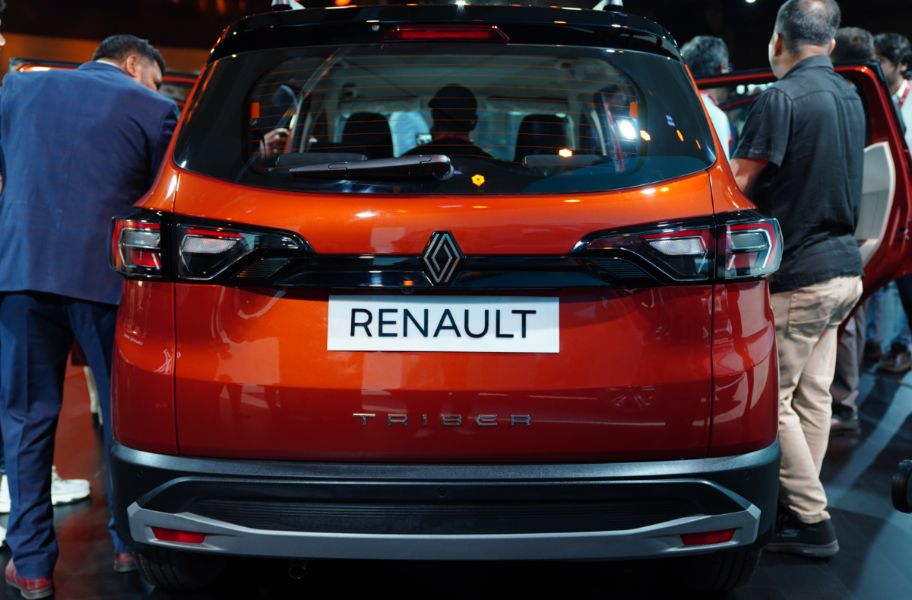
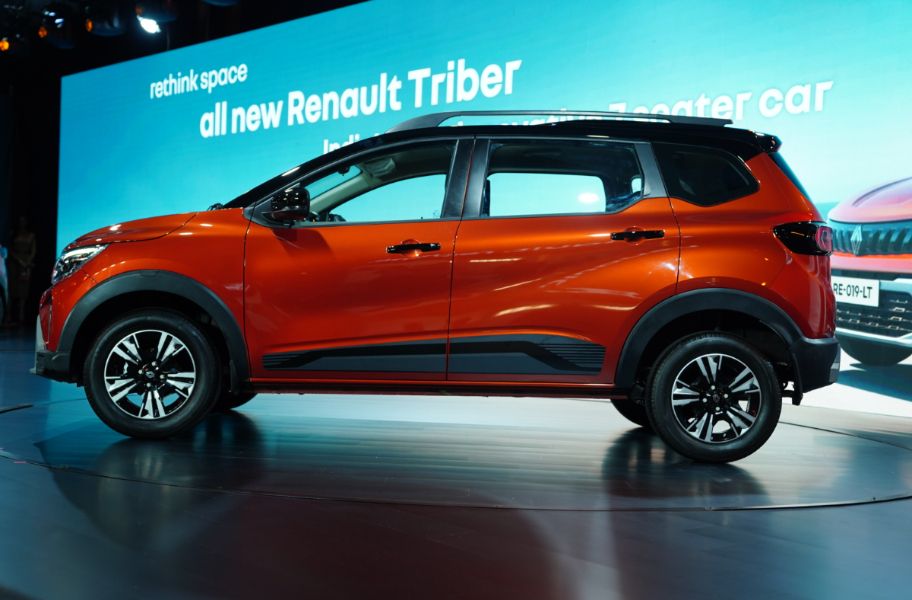
With the arrival of the 2025 Renault Triber facelift, the budget MPV space is heating up once again. And naturally, the question arises that how does it stack up against the ever-popular Maruti Suzuki Ertiga? Both these MPVs cater to the family-first buyer, offer decent space and practicality, and promise great value. But they go about it in completely different ways. So, here’s a quick lowdown comparing the two head-to-head.
Design & Dimensions
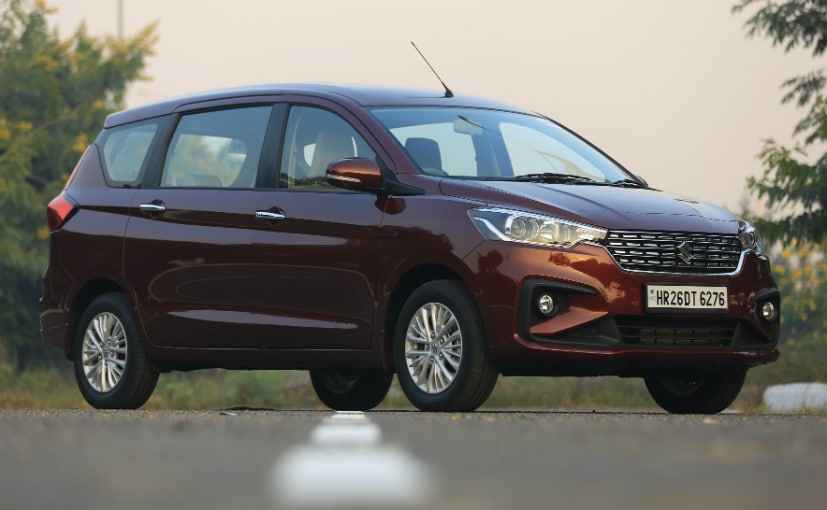
The Ertiga is the bigger car here, longer, wider, and with a longer wheelbase. So, it naturally helps it to accommodate passengers better, especially in the third row. It also looks more premium thanks to its chrome accents and well-proportioned styling. But don’t write off the Triber just yet. Despite its sub-4 metre footprint, Renault’s MPV manages to squeeze out three rows without looking like a cramped shoebox. And the third row isn’t half too bad either.
The 2025 update gives it sharper LED lighting, which is much more modern than the simple design of the outgoing version. It also gets a revised grille, taking cues from the international Renault family with a new logo upfront. At the back, the smoked finish to the taillamps also adds to the fresh appeal.
The Ertiga, on the other hand, hasn’t gotten any significant changes since the second-gen model arrived. It soldiers on strongly with its MPV stance, rounded off with a smooth and familiar design.
Cabin & Practicality
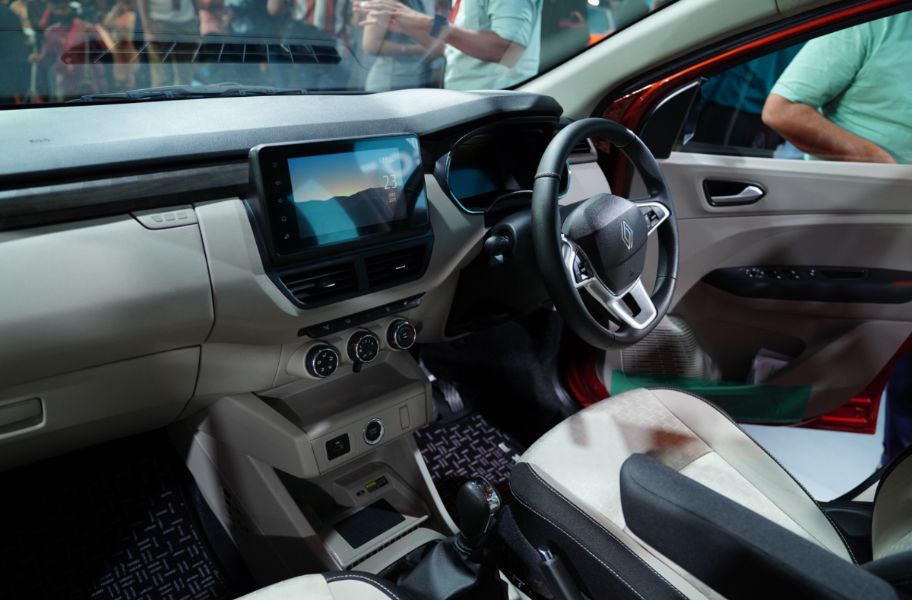
On the inside, the Ertiga offers a more upmarket cabin, with beige-finishes, wooden insert materials in the higher variants, and a bigger infotainment screen. The 7-seater layout is more usable for adults, and the boot space with the third row up is better than the Triber; however, the Triber punches way above its weight in modularity. The ultra-flexible third row is removable, the second row slides and reclines, and Renault offers clever storage spots throughout. If you're a family of five who needs occasional 7-seater flexibility, the Triber’s interior is arguably more versatile.
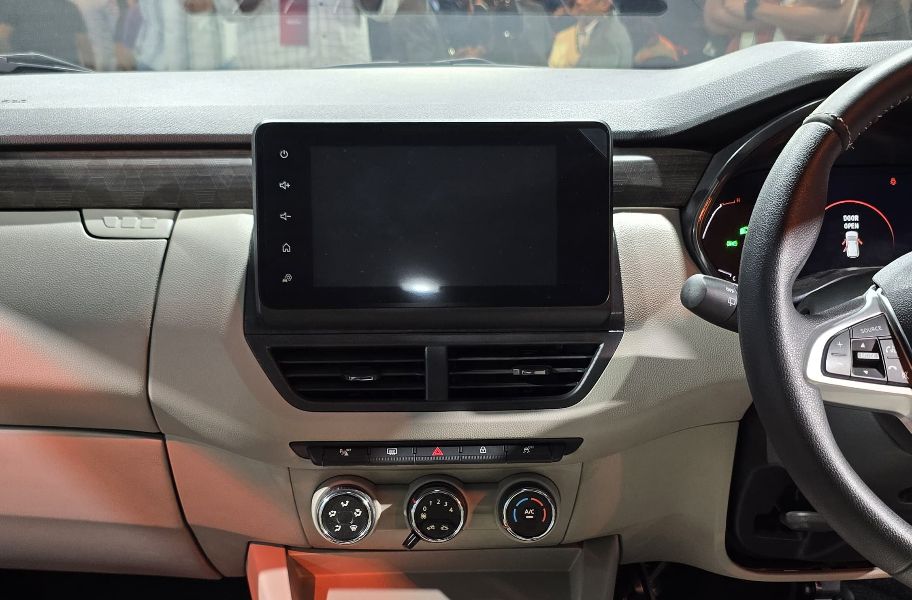
Both MPVs are pretty neck and neck when it comes to the essentials—touchscreens, smartphone connectivity, rear AC vents, and steering-mounted controls. The Ertiga, being the pricier car, gets a few extra goodies like a better SmartPlay infotainment system, connected car tech in top trims, and more airbags. The 2025 Triber now gets a digital instrument cluster, wireless Apple CarPlay and Android Auto, and auto climate control, which was missing in the outgoing version.
The Ertiga gets dual airbags as standard, with up to four on higher trims, along with ESP, hill hold, and ISOFIX mounts. The 2025 Triber facelift now matches that with standard ESP, hill start assist, TPMS, and four airbags on the top variant, making both reasonably safe for their segment.
Powertrain
Under the hood, the Ertiga gets a 1.5L mild hybrid petrol engine paired with either a 5speed manual or a 6speed automatic. It’s smooth, refined, and great for long-distance cruising. There’s also a factory fit CNG option, which is a huge plus for fleet buyers or mileage conscious families.
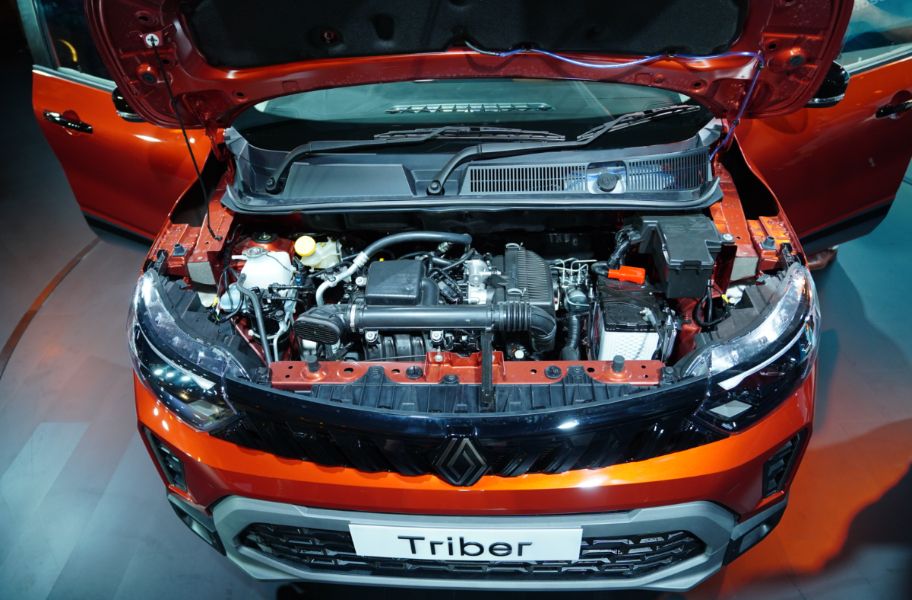
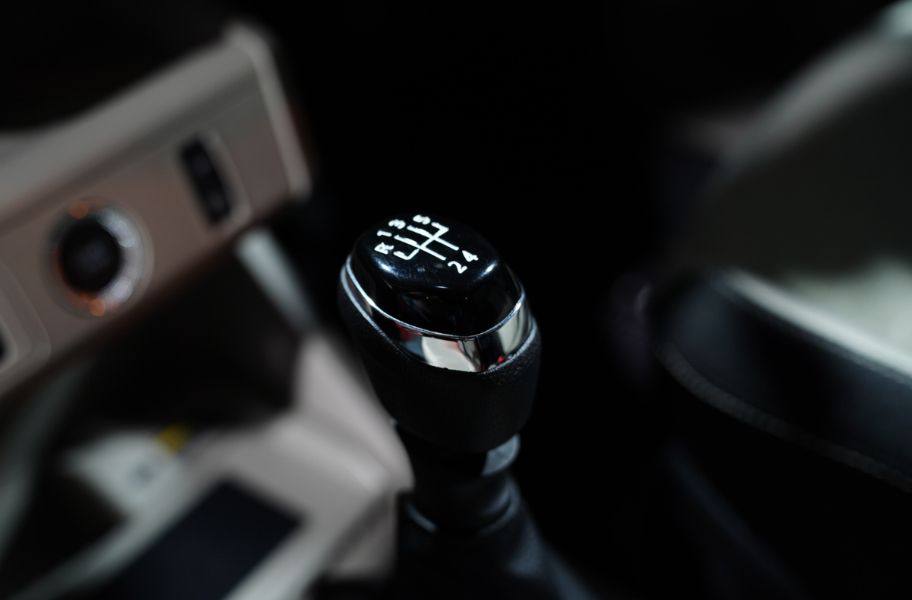
The Triber is still powered by a 1.0L naturally aspirated 3-cylinder engine, paired with either a 5-speed manual or AMT. It’s more suited to city commuting than highway sprints. While the Ertiga wins on outright performance and drivability, the Triber claws back points with its better fuel efficiency and ease of manoeuvring in tight spaces.
Some may complain about the lack of a powertrain change in the new Triber. It needed either a turbo or a higher displacement. But spending time with the Triber makes you realise that the real-life usability of the Triber does not need a bigger, more powerful powertrain. The three-pot packs in enough punch for everyday usability and won’t leave you wanting for more.
Price & Value
That’s a significant price gap, and it reflects the different buyers these two MPVs are targeting. The Triber is suited for first-time car buyers or families upgrading from hatchbacks. It offers the flexibility of a 7-seater without breaking the bank. Meanwhile, the Ertiga is more of a complete family car, with better power, space, and a more premium experience, while not burning a big hole in your pocket.
If your priorities are budget, urban practicality, and flexibility, the 2025 Renault Triber still makes a compelling case. It’s the cleverer of the two in terms of packaging and value. But if you’re looking for a proper 7-seater that can comfortably haul the family with luggage, and you don’t mind spending the extra bucks, the Maruti Suzuki Ertiga is still the benchmark in this segment.
from carandbike - News https://ift.tt/7i0VyDj
via IFTTT
The Maruti SuzukiFronx has become the latest model from the auto giant to feature six airbags as standard. This announcement comes just a few days after the XL6 received the same update in India. As expected, the prices of the Fronx have also gone up slightly for nearly all variants, by 0.5 per cent, now ranging from Rs 7.59 lakh to Rs 12.95 lakh. The Fronx is expected to become the last vehicle from Maruti Suzuki to receive six airbags as standard. The remainder of the vehicles that are yet to be updated are likely to either be phased out or maintained as it is due to affordability concerns.
Prices for the Fronx now range from Rs 7.59 lakh to Rs 12.95 lakh
A senior Maruti Suzuki official had recently confirmed that only 97 per cent of Maruti’s existing passenger car portfolio will have six airbags as standard. The vehicles in Maruti Suzuki’s portfolio that are yet to get six airbags as standard as of now include the S-Presso hatchback, Ignis, and the Ciaz sedan. The Ciaz sedan, which has long been on sale without any comprehensive updates, will soon be discontinued, while the Ignis and S Presso will miss out on this, likely owing to concerns about affordability.
Maruti Suzuki has been rolling out this update for most of the cars in its portfolio. This is in response to a yet-to-be-imposed government norm which will mandate six airbags in all cars sold across India. Models such as the Alto K10, Eeco van, Brezza subcompact SUV, the Celerio and Wagon R have also been updated, and currently offer this safety feature.
from carandbike - News https://ift.tt/PJdfWO1
via IFTTT
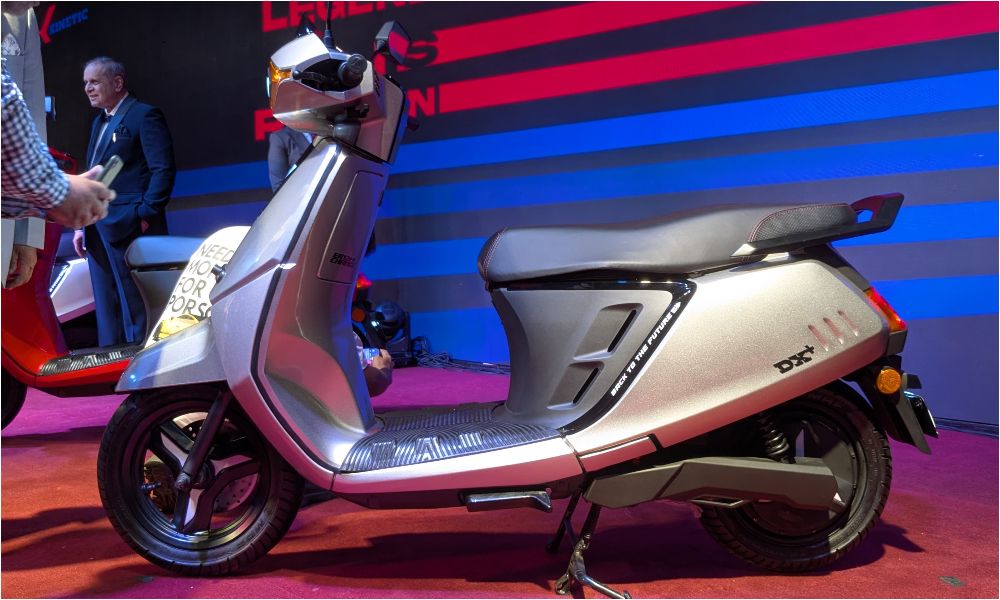
Having resurrected one iconic nameplate last year, Kinetic Engineering Limited has revived yet another illustrious two-wheeler with the launch of the reborn Kinetic DX – this time, as an electric scooter. It is available in two variants – DX (Rs 1.11 lakh) and DX Plus (Rs 1.17 lakh, all prices, ex-showroom). Despite being a reimagined model for 2025,the DX still pays homage to the much-loved Kinetic Honda of yesteryear with its design and styling. Kinetic has opened bookings for the scooter, and is targeting deliveries of at least 40,000 units in the first year of production.
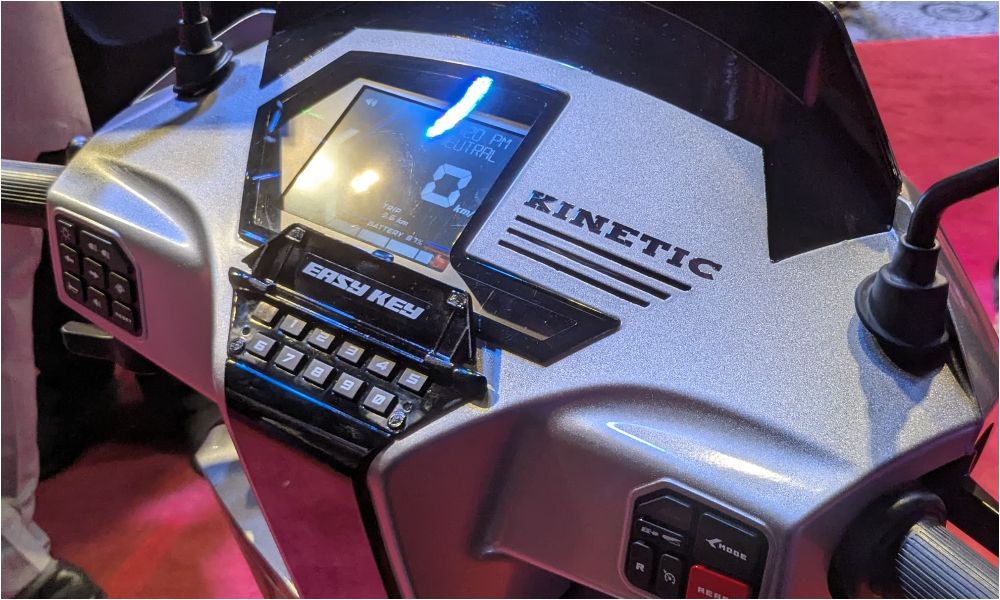
Digital cluster shaped to mimic the look of the original scooter's instruments.
The 8.8-inch digital cluster is one of the clearest nods to the original, shaped to mimic the look of the iconic petrol scooter's instrumentation. It also houses a speaker, which can be used to play music – just like on some of Ola Electric's scooters. The display also has the ability to flash a ‘Happy Birthday’ message for its owner in as many as 16 languages.
Two novel touches on the scooter include the ‘Easy Key’ – a numeric PIN-based vehicle start feature that integrates the keyboard into the dash – and ‘Easy Flip’ – pillion foot pegs that fold out at the press of a button. The scooter's left cube also houses a dedicated button to call Kinetic's service helpline, while the right cube has the iconic red starter switch, another cue borrowed from its petrol predecessor.
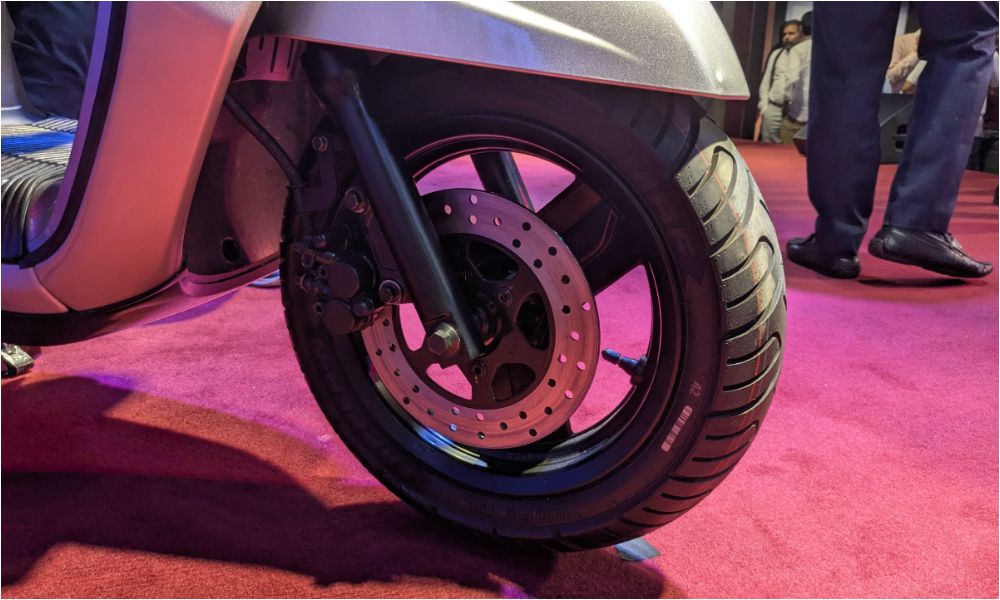
The scooter has a 220 mm front disc brake.
The Kinetic DX has a 714 mm-long seat, 1,314 mm-long wheelbase, and a ground clearance of 165 mm. It rides on 12-inch wheels at both ends, shod in 100/80-section tyres. It has an all-metal body, and LED lighting all around – including the illuminated Kinetic wordmark on the fly screen. Kinetic has even managed to carve out an impressive 37 litres of underseat storage, which it claims is sufficient to house a full-face helmet alongside a half-face helmet.
Seat length is rated at 714 mm.
The scooter is equipped with a 2.6 kWh LFP battery pack sourced from Kinetic subsidiary Range X. Power comes from a BLDC hub motor that delivers a peak output of 4.8 kW (4.7 kW in the DX), which can propel the Kinetic DX Plus to a top speed of 90 kmph (80 kmph for DX).
A total of three ride modes are on offer – Range, Power and Turbo. Also part of the package are hill hold control and cruise control, with the latter dedicating a ‘cruise lock’ ride mode (limiting speed to between 25-30 kmph), which Kinetic says can push the range to as high as 150 kilometres.
Range, on the Indian Driving Cycle (IDC), is estimated to be up to 102 kilometres for the base DX, and up to 116 kilometres for the top-spec DX Plus.
The top variant has an in-built charger with a three-pin plug, while the DX will come with a portable charger. Using what Kinetic calls ‘Quick Charge’, the scooter will take two hours to charge to 50 per cent, three hours to charge to 80 per cent and four hours for a full charge. Battery warranty is up to nine years or 1 lakh kilometres.
A key difference between the two variants is the presence of connected features on the DX Plus. These will include geo-fencing, scooter tracking, theft alert and ride analytics, among others.
This is a developing story. Please stay tuned for more details.
from carandbike - News https://ift.tt/EsePp7F
via IFTTT
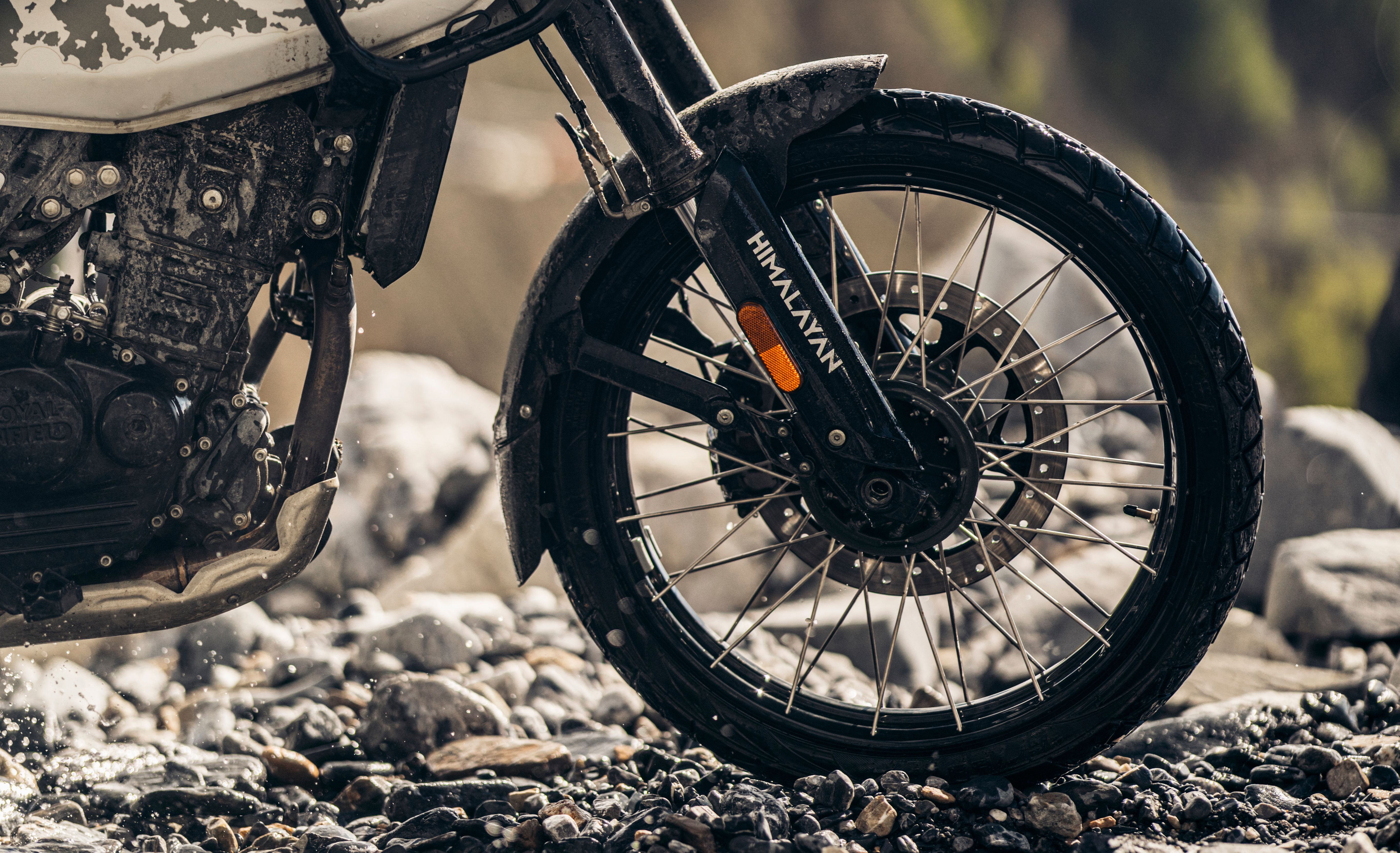
Royal Enfield has hiked the price of the tubeless spoked wheel accessory for the Himalayan 450, one of its most popular offerings in the Indian market. Previously priced at Rs 11,000 when clubbed with the motorcycle purchase, the same option will now set you back Rs 17,350, according to Royal Enfield’s configurator. The tubeless spoked wheels, when purchased by existing owners of the motorcycle, continue to cost Rs 40,645, after prices were increased earlier this month from Rs 12,424.
The tubeless spoke wheel accessory for the motorcycle was first introduced in September 2024, after a lengthy homologation process. The introduction of this accessory was after multiple reports from customers who expressed anxiety about punctures. The tubeless units come in the same size and spec as the regular tube-spoke wheels – 90/90 21-inch up front and 140/80 R 17. New buyers can add tubeless wheels to their motorcycle via the ‘Make it Yours’ (MiY) customisation tool.
The Himalayan 450 was launched in November 2023 as the first product to be based on the company’s new 450 cc platform. This was the first Royal Enfield motorcycle to get a liquid-cooled engine. It’s powered by a 452 cc single-cylinder liquid-cooled motor making 39.5 bhp at 8,000 rpm and 40 Nm at 5,500 rpm. The motor comes mated to a new 6-speed gearbox. The motorcycle gets ride-by-wire, three riding modes, and a slip-and-assist clutch.
from carandbike - News https://ift.tt/fs6yTE1
via IFTTT
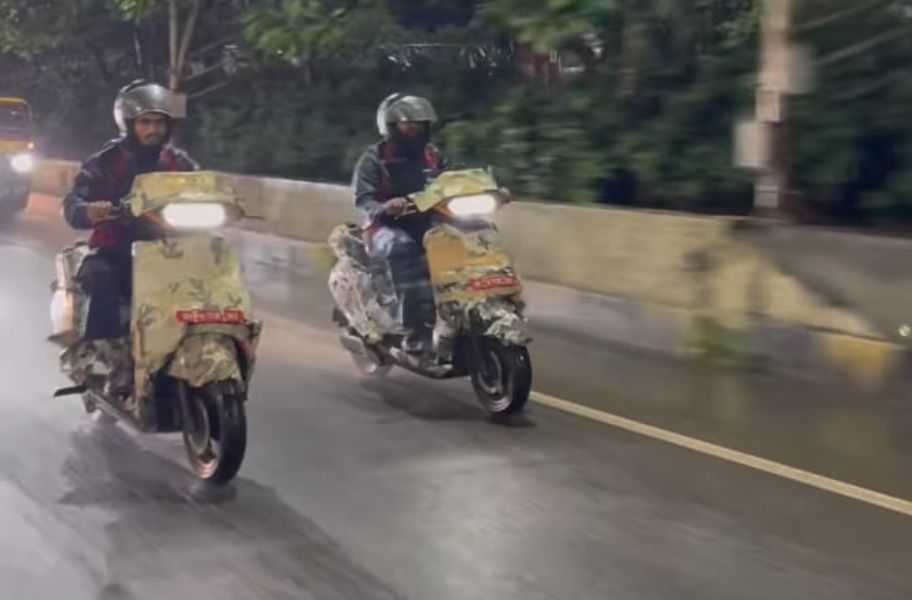
The upcoming Kinetic DX has been spotted undergoing its final round of testing ahead of its launch tomorrow, on July 28. The new images give us a better look at the electric scooter, which is essentially a reimagined version of the original two-stroke Kinetic Honda DX, which was on sale in India decades ago. The scooter, upon launch, is expected to be positioned as a family-oriented offering, which will rival the likes of the Bajaj Chetak, TVS iQube and the recently launched Hero Vida VX2.
The electric scooter is essentially a reimagination of the original two-stroke scooter
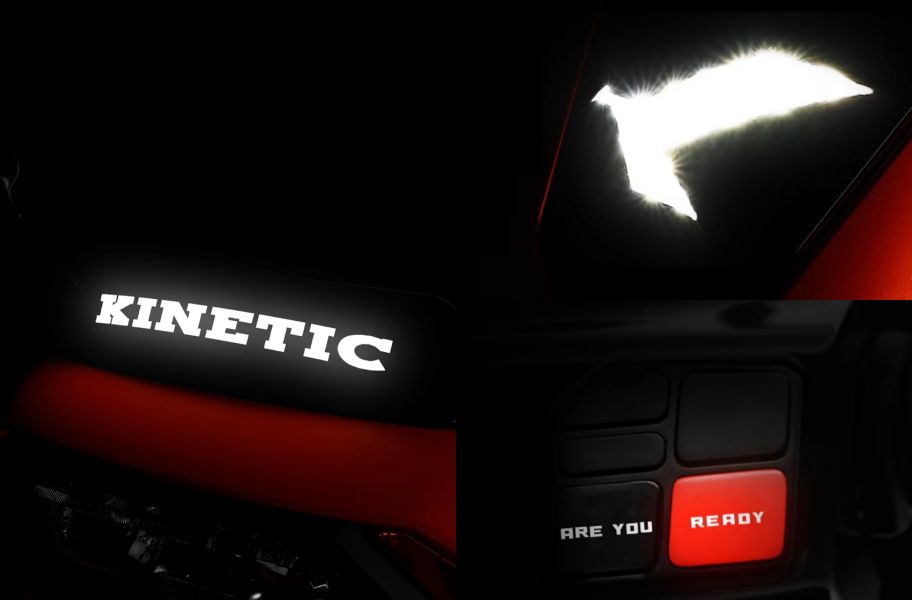
The new electric scooter’s silhouette is quite similar to the original model, with clean, minimalistic body panels. The front end of the scooter gets a new horizontal headlamp setup, which appears to be flanked by indicator units on either end, which also appears to be inspired by the original scooter. A previous teaser for the scooter has also revealed that the scooter will feature a series of illuminated logos, which include the ‘Kinetic’ wording above the horizontal headlamp and the company’s official logo on the front apron against a contrasting black panel.
The scooter will feature a series of illuminated logos
Kinetic has previously revealed small details about the scooter, including the fact that it will feature a TFT display. The company has also previously stated that battery options for the scooter will range from 1.8 kWh to 3 kWh, and that it will have a top speed of 80 kmph. On the mechanical front, the spy images have previously revealed that a front disc brake and a hub-mounted electric motor, with suspension duties handled by a telescopic fork setup up front and dual shocks at the rear.